Arctic National Wildlife Refuge: Alaska's Vast Untamed Wilderness
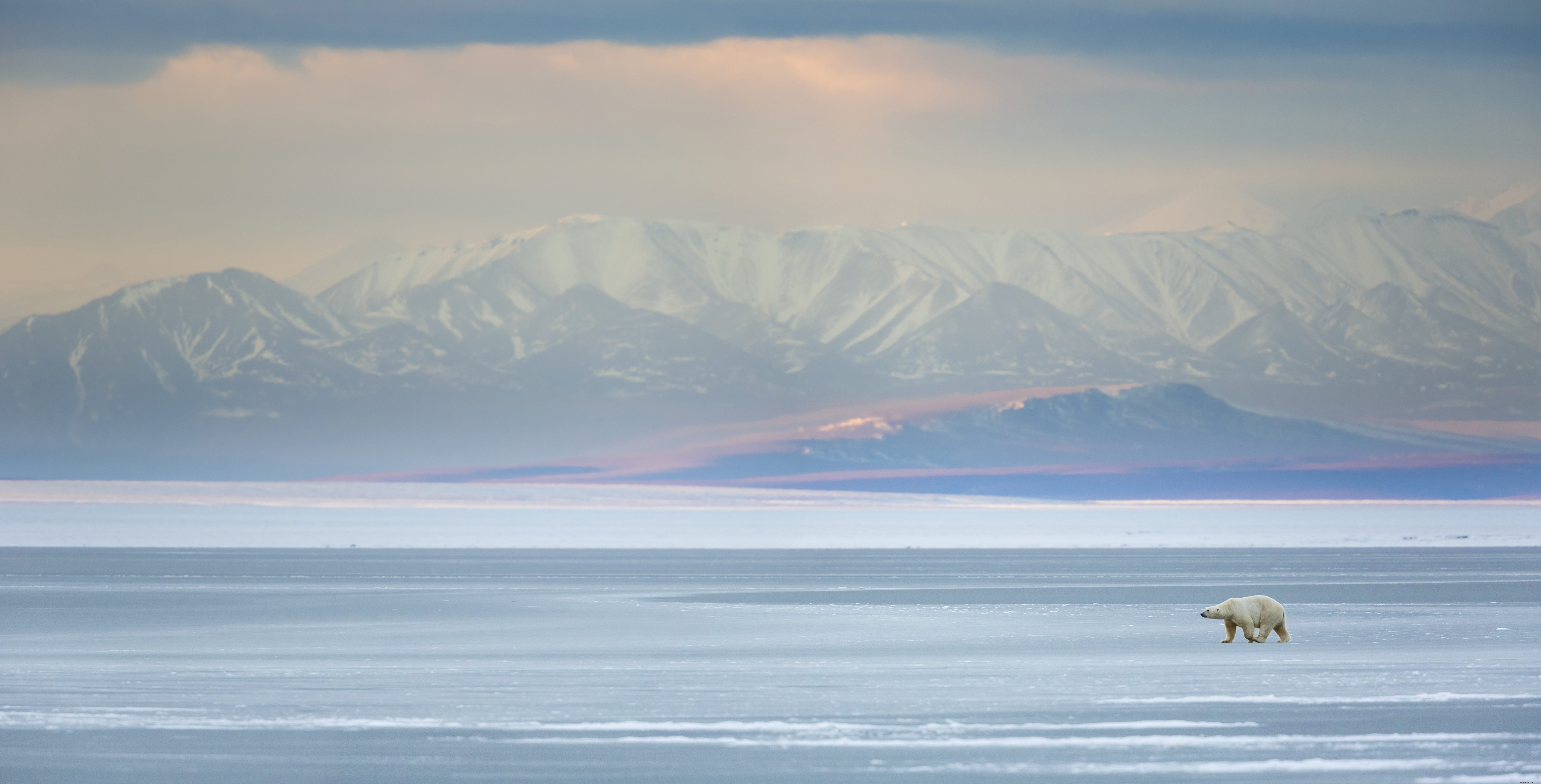
The Arctic National Wildlife Refuge (ANWR) spans 30,625 square miles of pristine wilderness in Alaska's northeast corner, stretching from the treeless Arctic Coast across the eastern Brooks Range to the taiga of the Porcupine River Valley.
Wildlife Highlights
Renowned as one of the world's most remote destinations, ANWR—pronounced 'an-wahr'—offers boundless wilderness and remarkable biodiversity. Dubbed the 'Serengeti of the North,' it supports dozens of land mammals, including grizzly bears, musk oxen, Dall sheep, and North America's second-largest caribou herd. Over 20 rivers traverse the refuge, ideal for multi-day paddling expeditions, alongside the Brooks Range's four highest peaks. This haven appeals to adventurers, photographers, and nature enthusiasts seeking untouched landscapes.
Getting There and Accommodation
Accessing ANWR presents a true challenge. Road entry is limited to a brief junction north of Atigun Pass on the Dalton Highway. For deeper exploration, charter flights are essential. Check the refuge's official website or the Public Lands desk at Fairbanks' Morris Thompson Cultural & Visitors Center for operator lists. Wilderness Alaska provides over 20 tailored ANWR experiences, from rafting to caribou herd tracking.
Camping
Staying in ANWR demands expertise. No facilities exist—expect swarms of mosquitoes, Arctic desert conditions, and giardia risks in water sources. Bear-aware camping is mandatory to ensure safety in grizzly territory. Only experienced backcountry adventurers should venture here.
Lodging
Gateway village Kaktovik, an Iñupiat community on Barter Island's Beaufort Sea shore—160 miles east of Deadhorse—offers polar bear viewing, especially in September. Contact Waldo Arms Hotel for accommodations and details.
Oil Drilling Controversy in ANWR
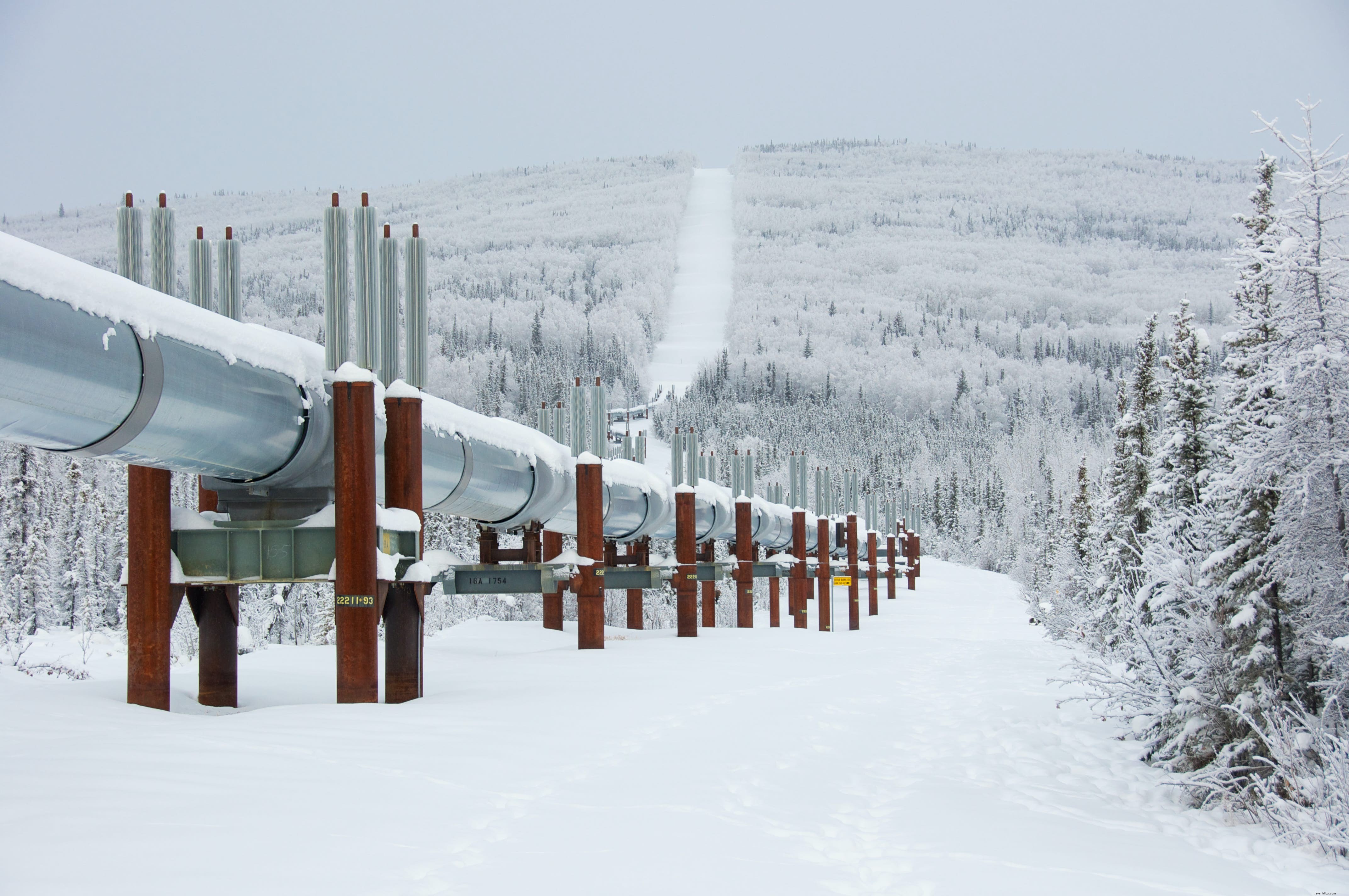
Debate persists over drilling in the coastal plain, believed to hold significant oil and gas reserves. In late 2020, the Trump administration authorized lease sales, sparking environmental backlash. The Biden administration suspended these leases in 2021 for review, but protection efforts continue amid ongoing legal and political battles.