

Arlington National Cemetery: Honoring America's Heroes – History, Highlights & Visitor Guide
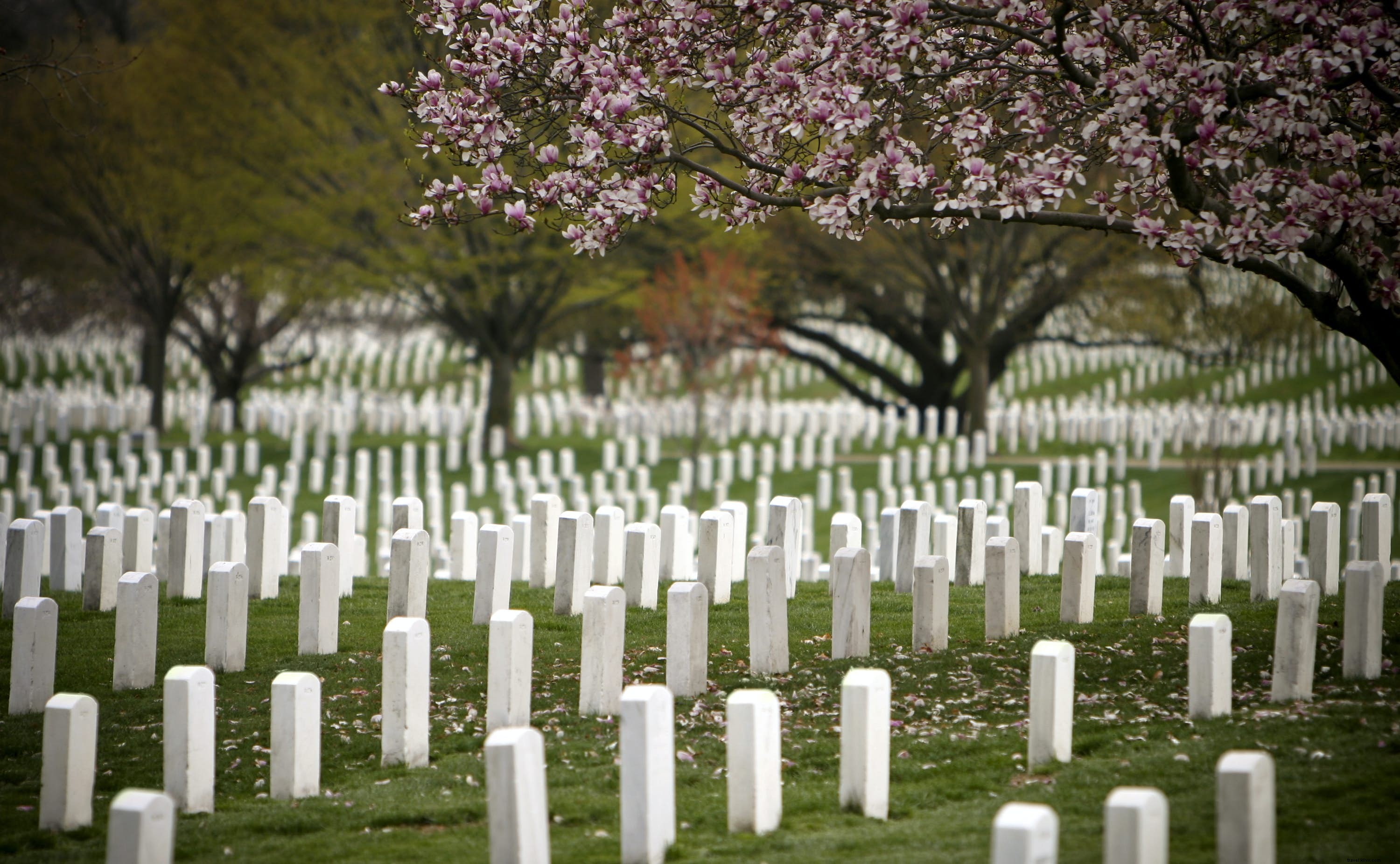
Nestled across rolling hills overlooking the Potomac River in Arlington, Virginia, Arlington National Cemetery stands as the final resting place for America's most honored military veterans, including war correspondents, nurses, chaplains, and others who served with distinction.
Over 400,000 pristine white gravestones stand in precise rows, marking the graves of service members from every major U.S. conflict, from the Revolutionary War to Afghanistan. Iconic sites include the eternal flame at John F. Kennedy's gravesite, the Tomb of the Unknown Soldier, and Arlington House, once home to Confederate General Robert E. Lee.
Each year, more than three million visitors pay their respects at this hallowed ground.
History of Arlington National Cemetery
In 1802, George Washington Parke Custis, George Washington's adopted grandson, established Arlington Estate. His son-in-law, Robert E. Lee, resided there with his family until the Civil War began. Lee joined the Confederate Army, prompting the U.S. Army to seize the property on May 24, 1861, to protect Washington, D.C. During the war, three forts were constructed on the grounds, and in 1863, Freedmen's Village was founded to support freed and escaped enslaved people.
On May 13, 1864, as local cemeteries filled, U.S. Army Quartermaster Brig. Gen. Montgomery Meigs designated part of Arlington Estate as a cemetery. It officially became a national cemetery on June 15, 1864, spanning 200 acres. Segregated by race and rank until 1948, when President Harry S. Truman desegregated the armed forces.
Initially, burial at Arlington was not seen as an honor but a necessity for those whose families couldn't afford transport home. The first Memorial Day (then Decoration Day) was observed here on May 30, 1868, elevating its status as America's premier military cemetery. Crowds grew so large that an amphitheater was built in 1873 for official ceremonies.
From its original 200 acres, the cemetery has expanded to 639 acres, one of the world's largest. With about 95,000 spaces remaining and 22 million eligible living veterans, space concerns have led to stricter eligibility rules and ongoing expansion efforts.
How to Visit
Begin at the Welcome Center for an overview and to book a shuttle tour visiting key sites like the Tomb of the Unknown Soldier, John F. Kennedy's gravesite, and Arlington House. Walking is an option, but the hilly terrain can be strenuous.
The Tomb of the Unknown Soldier
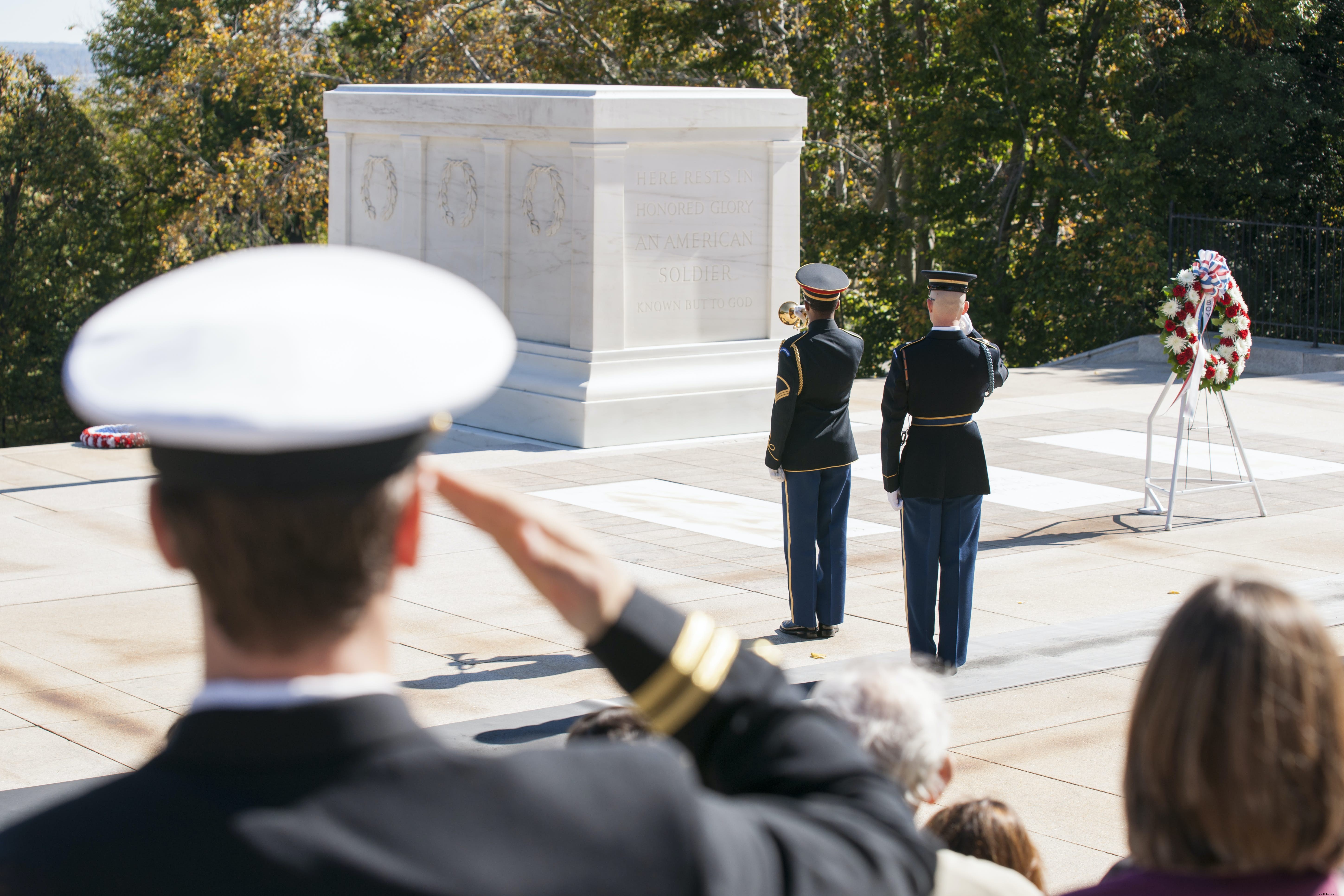
Dedicated on November 11, 1921, this white marble sarcophagus honors unidentified soldiers from World War I, World War II, and the Korean War. An unknown Vietnam War soldier was interred here until DNA identified him in 1998 as Air Force 1st Lt. Michael Blassie, who was reburied in Missouri at his family's request.
Guarded around the clock by volunteer sentinels from the 3rd U.S. Infantry Regiment (The Old Guard), the tomb sees a changing of the guard every hour (October–March) or half-hour (April–September). Each sentinel takes 21 precise steps, pauses 21 seconds, and returns—symbolizing the 21-gun salute.
John F. Kennedy Gravesite
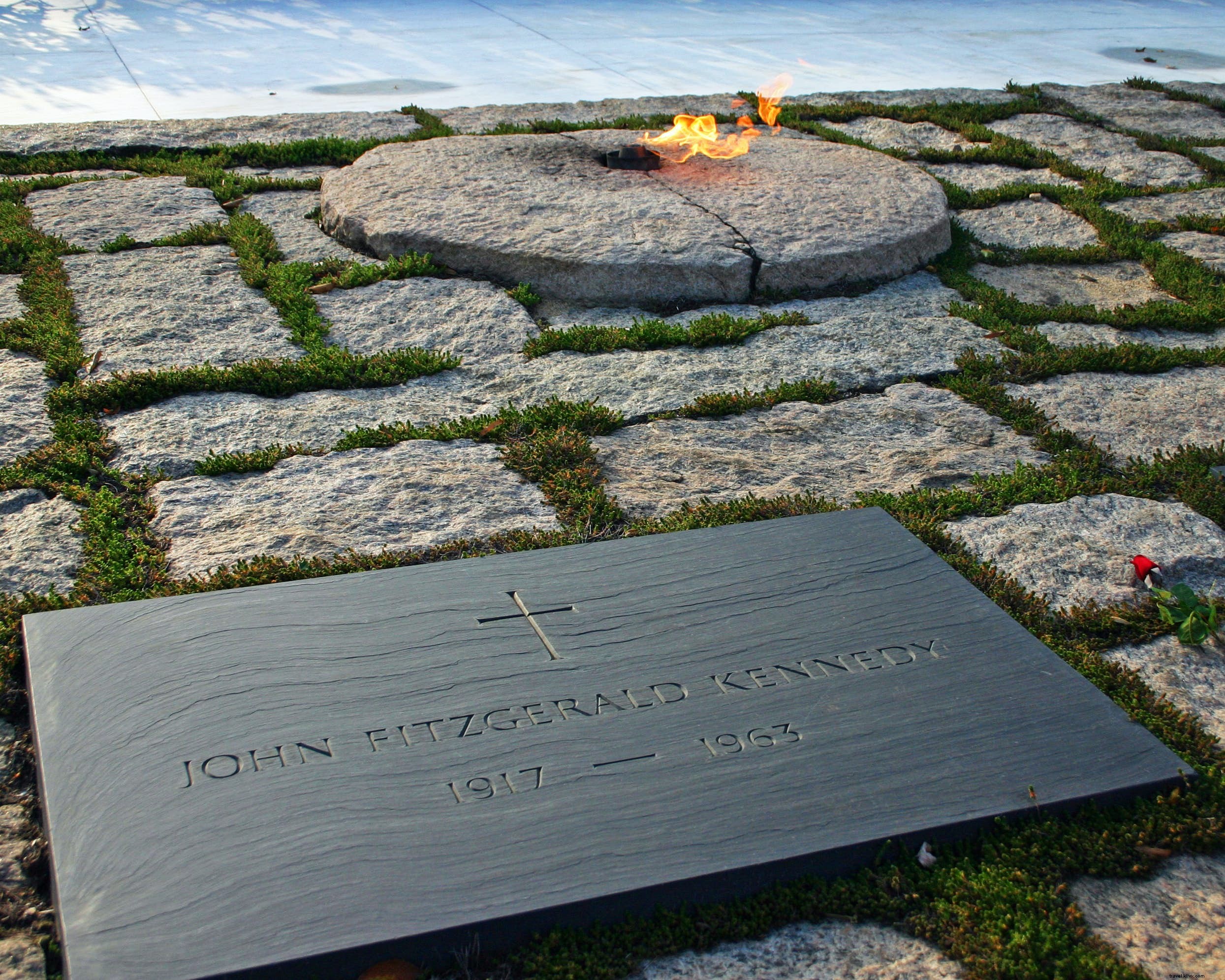
Assassinated in 1963, President Kennedy was buried just east of Arlington House. Joined by Jacqueline, brothers Robert and Edward, and two children, the site features an eternal flame conceived by Jackie. Only two presidents rest here: JFK and William Howard Taft. Notable others include boxer Joe Louis (WWII Army veteran), D.C. architect Pierre Charles L'Enfant, and Supreme Court Justice Ruth Bader Ginsburg.
Arlington House
Preserved with original furnishings, Robert E. Lee's former home offers public tours. Recent reinterpretations highlight the enslaved people who built it and served the Custis and Lee families.
Cemetery Sections
Divided into 70 sections, Arlington includes Section 13 (Civil War soldiers), Section 27 (African-American soldiers and over 3,800 freed individuals, marked as 'civilian' or 'citizen'), Sections 18–19 (Spanish-American War), and Section 60 (Iraq and Afghanistan). View the site map for details.
Eligibility for Burial
Strict criteria apply, but active-duty deaths and honorably discharged veterans generally qualify. Up to 30 funerals occur weekdays, with limited Saturdays; wait times vary.

Finding a Grave
Use the free ANC Explorer app for grave locations, records, headstone photos, and directions.
Women in Military Service for America Memorial
This neoclassical wall outside the cemetery features exhibits, an education center, theater, and registry of servicewomen. Stunning rooftop views span the cemetery, Memorial Bridge, and Washington, D.C.
Getting There & Practical Info
By public transport: Blue Line Metro to Arlington Cemetery station or DC Circulator Dupont Circle line.
Free entry; open daily from 8 a.m., closing at 5 p.m. (October–March) or 7 p.m. (April–September).
