
Seville Great House: Jamaica's First Spanish Capital and Historic Plantation Site
Seville Great House is a historic park overlooking the sea, less than 1 km west of modern St. Ann’s. It marks the site of Sevilla la Nueva—Jamaica's first Spanish capital and one of the earliest Spanish settlements in the Americas. The site features a magnificent great house, plantation remnants, and reconstructions of Taíno dwellings and enslaved African houses, complete with kitchen gardens.
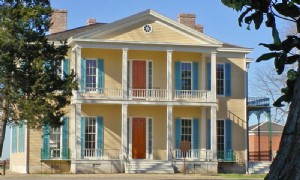
After the English captured Jamaica from the Spanish, the land was granted to an army officer who developed a sugar estate. The great house, built in 1745, stands prominently. On the lawn in front, a poignant memorial honors enslaved Africans whose remains were discovered and reburied here in 1997.
The restored great house houses an exceptional museum tracing the site's history from Taíno times through slavery and colonialism. It sensitively reconstructs the daily lives of enslaved Jamaican Africans, contrasting starkly with Spanish-era ornate stone carvings and British bone china teacups.
Remnants of original Spanish structures, including a church and the first governor's castle-house, are visible alongside English sugar mill ruins and the overseer's house. This was also the Taíno village of Maima, where inhabitants suffered under the Spanish encomienda forced labor system, perishing from disease, overwork, and suicide.