
Chichicastenango Market and Beyond: An Insider's Guide to Guatemala's Vibrant Mayan Culture
Alongside Antigua and Lake Atitlán, the renowned Chichicastenango market is a must-visit for most travelers to Guatemala—and for compelling reasons.
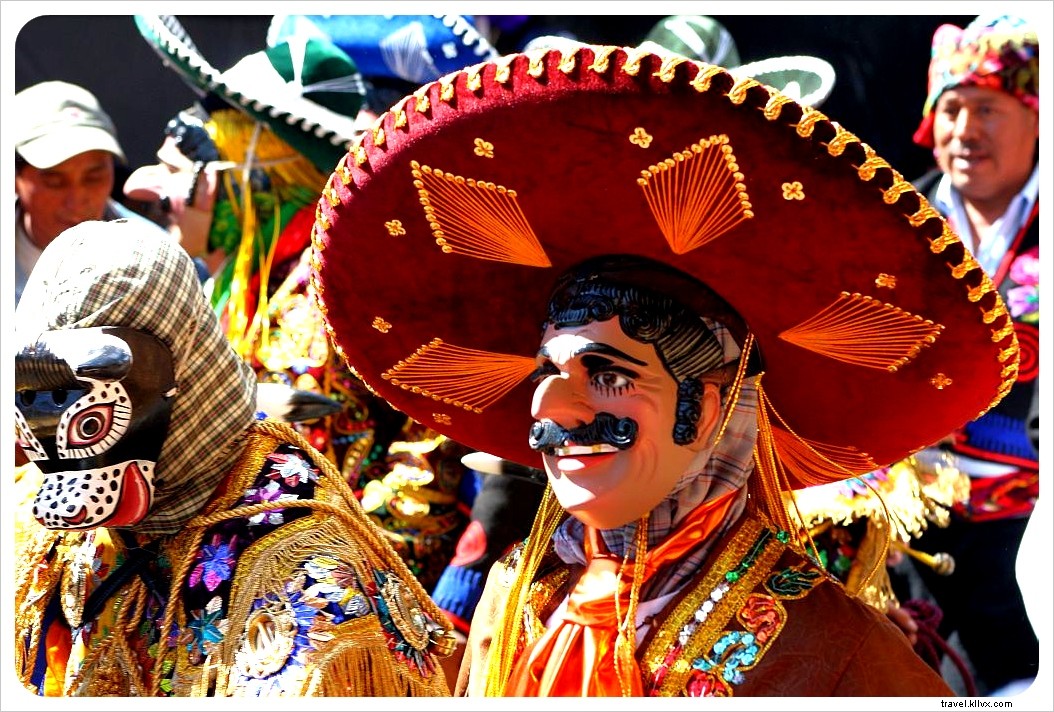
Held every Thursday and Sunday, this is Guatemala's largest and most bustling market. Roughly half caters to tourists, offering regional handicrafts like indigenous masks, wooden flutes, handmade jewelry, and endless variations of colorful Guatemalan textiles: shirts, tablecloths, notebook covers, bookmarks, and more. Many tour operators promote it as Chichicastenango's sole attraction, leading most visitors to opt for quick day trips via affordable shuttles from major tourist hubs. Thousands navigate the crowded streets at a snail's pace, spending hours bargaining amid the chaos, often recovering at a town-center café or restaurant.
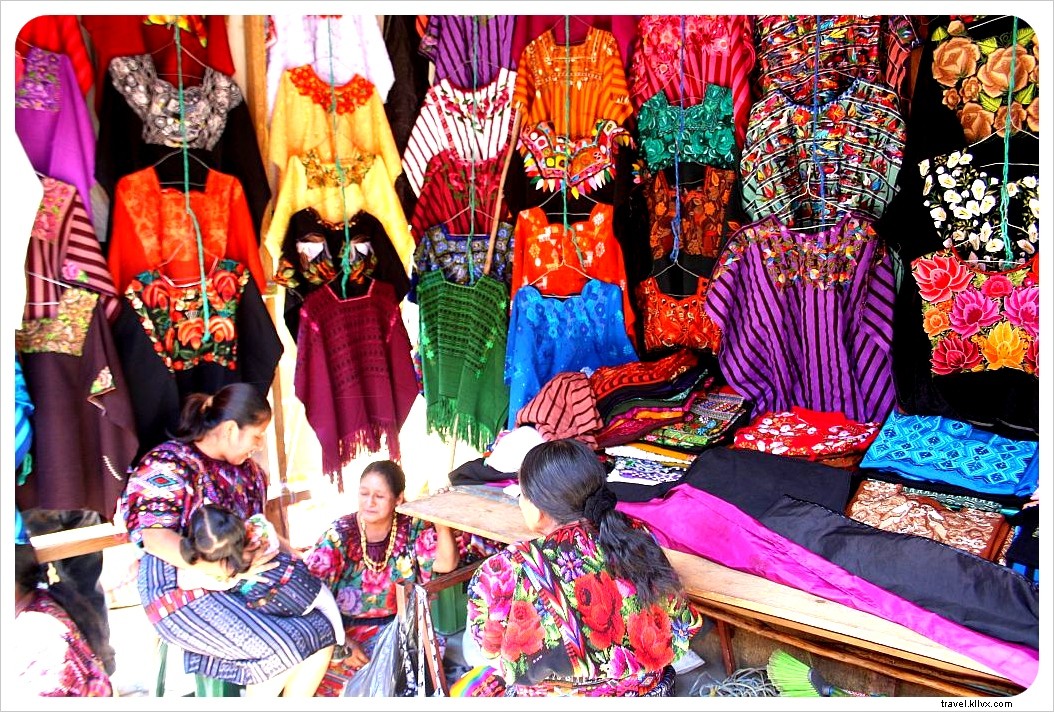 A brief day trip risks missing highlights like a traditional rooster sacrifice (which we witnessed—details below) or the local side of the market, where residents trade fruits, vegetables, eggs, flowers, limestone for tortillas, kittens, live cattle, chickens, and turkeys. You'll also forgo serene moments in the iconic Santo Tomás Church, hikes through lush green hills, the authentic Mayan village vibe, and better deals on non-market days for savvy shoppers.
Arrive a day early to watch Maya people descend on the town, balancing incredible loads on their heads as they erect the market's intricate wooden framework. With limited evening activities in this traditional village, rise early with the roosters and shop before the tourist shuttles arrive.
Stay longer—ideally a day or two—and uncover more. The town center doubles as a permanent market, anchored by two churches. Santo Tomás, the main white church, overflows on market days, often enforcing a one-in-one-out policy at the side entrance like a popular nightclub. The front steps are sacred, where locals burn incense. On quieter days, observe residents peacefully without tourist crowds disrupting the holy site.
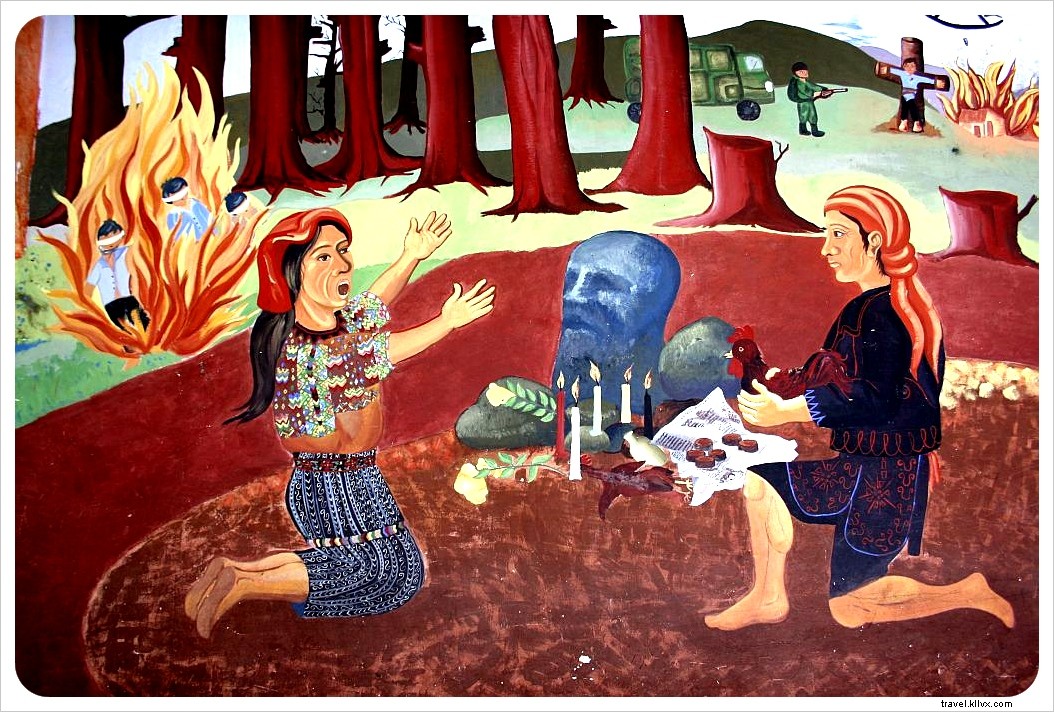
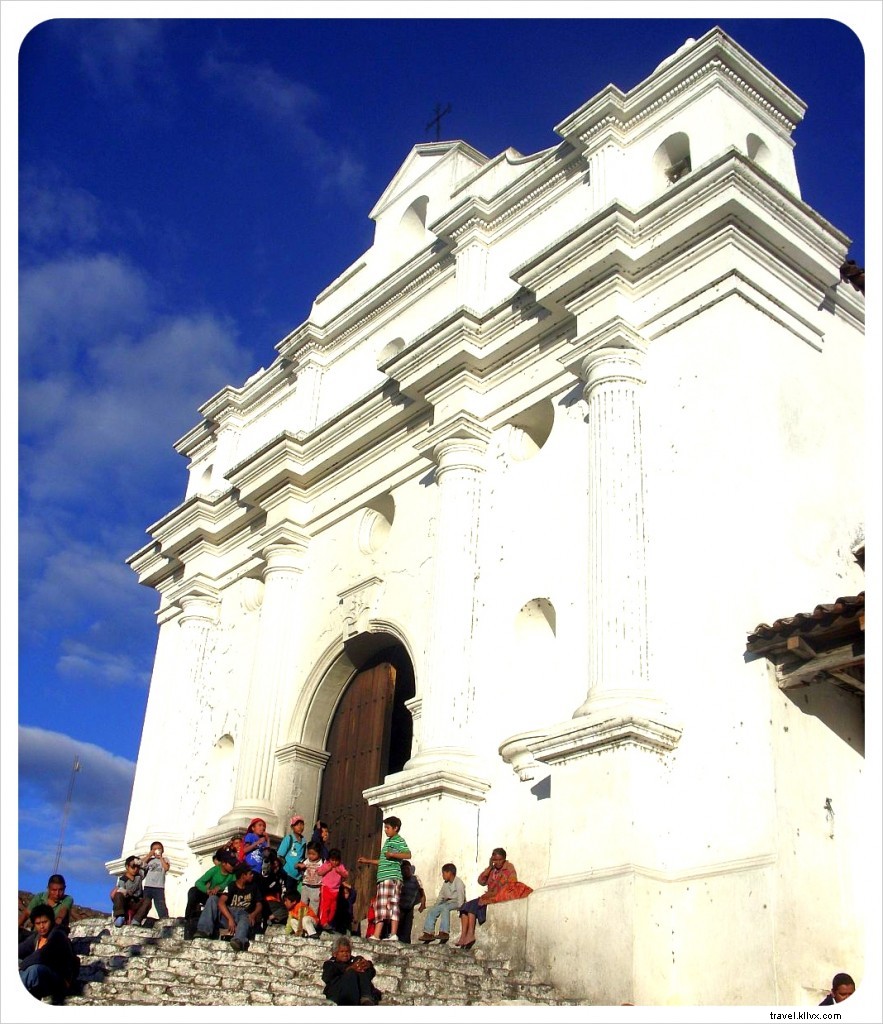 With 49,000 mostly indigenous Maya inhabitants, ancient traditions thrive in Chichicastenango. Inside the Catholic-built Santo Tomás Church, Maya rituals dominate: floors covered in pine needles, candles, and offerings like soda or liqueur to the gods. Opposite stands the intriguing Calvario Church. To reach it, pass the east plaza mural (hidden by stalls on market days), depicting the indigenous perspective on Guatemala's civil war.
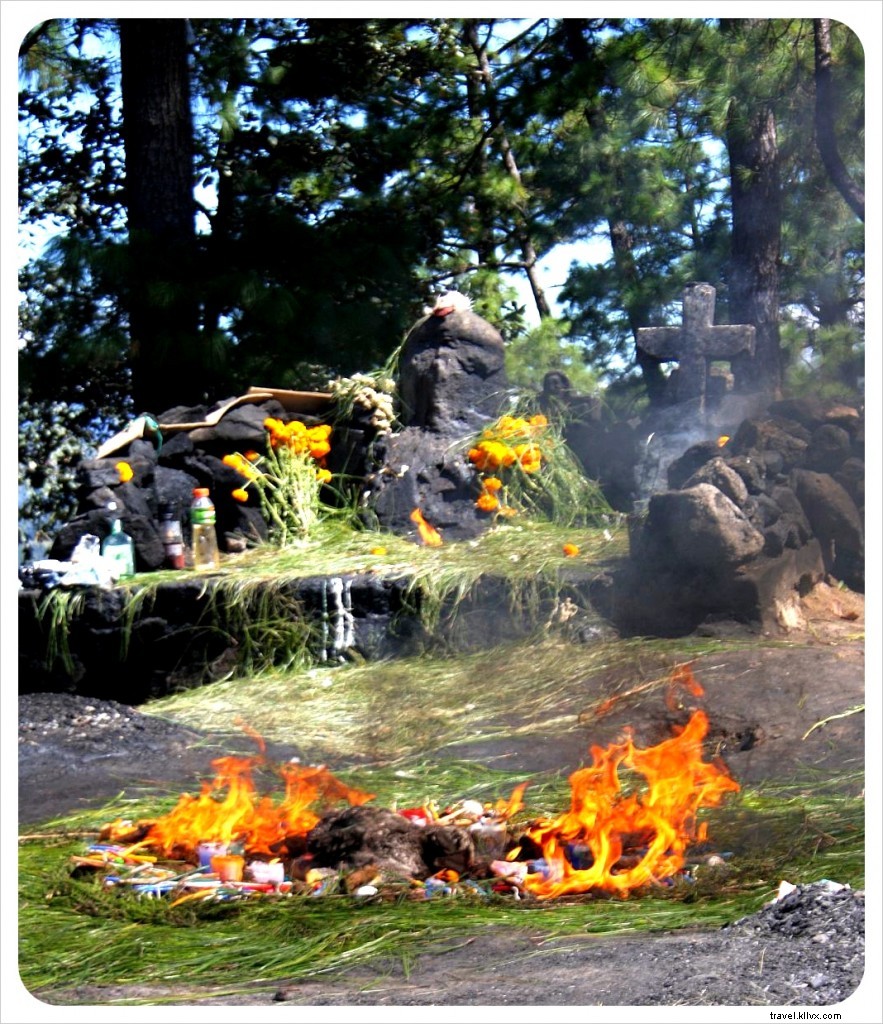
 During a hill hike outside town, we stumbled upon a private rooster sacrifice at Pascual Abaj, a shrine to the Maya Earth God Huyup Tak'ah. This ancient black rock site, surrounded by stones and thousands of years old, hosts rituals for health, fortune, or—even for women—finding a sober husband. As longtime vegetarians, we don't endorse animal sacrifice, but the ceremony was mesmerizing. Led by a shaman and his daughters, it centered on a young man; we were the only outsiders, welcomed respectfully. Always ask permission before photographing.
Even without a live ritual, the site features remnants like flowers, liquor, Coca-Cola bottles, pine needles, and candles. Chichicastenango's hospitality extends to booking your own $7 ritual for personal blessings.
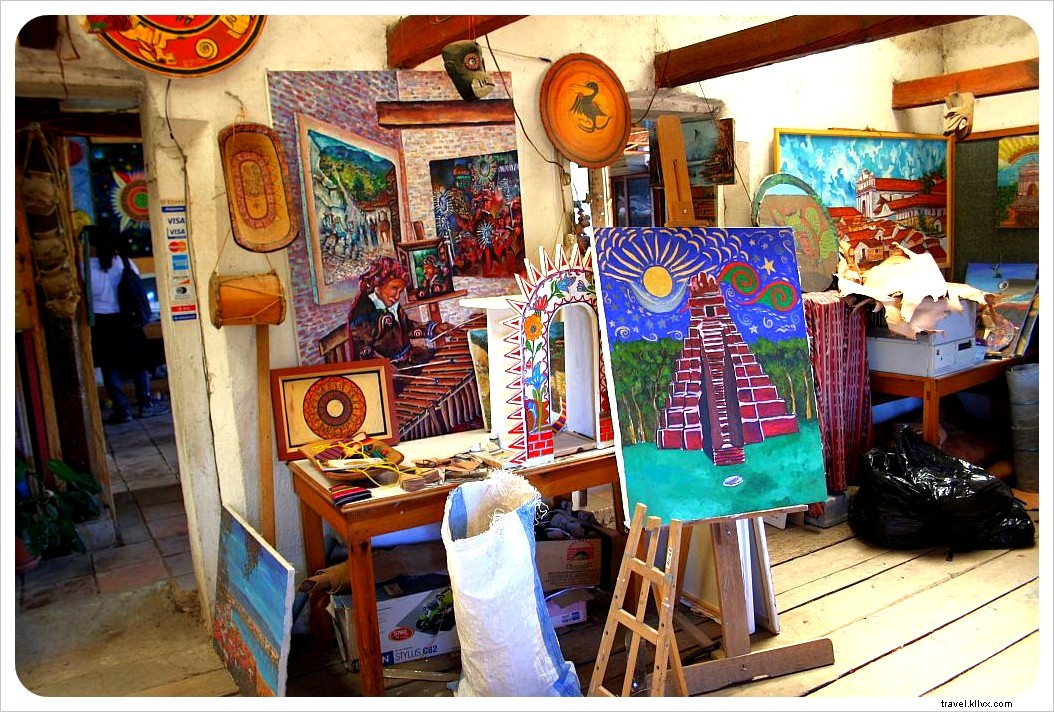
En route back from Pascual Abaj, visit La Academia de Arte y Cultura Maya Pop Wuj, a vibrant gallery and cultural space overflowing with Maya art. Sponsored by Project Guggenheim, it offers courses for K'iche' Maya descendants to foster heritage pride. Brothers Juan and Miguel León Cortez warmly welcome visitors—chat, learn your Mayan astrological sign (ours were eerily accurate), and more.
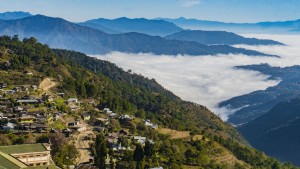
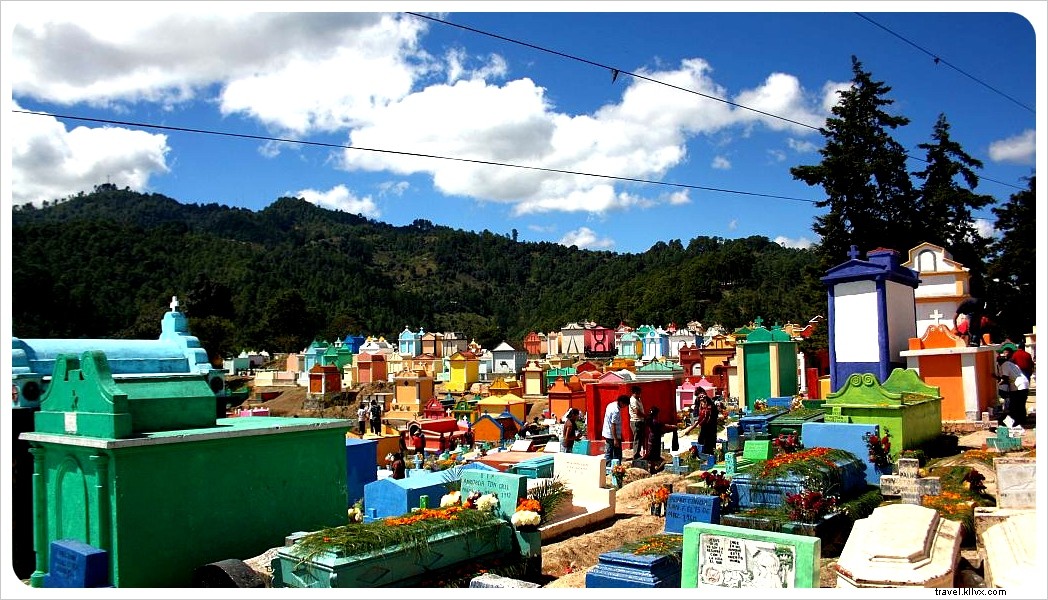
 For panoramic views of Chichicastenango and its mountains, climb to the hilltop cemetery on the west side. Adorned with colorful mausoleums—including a pyramid tomb—and simple Maya graves, it's steeped in history. Though some call it risky, we navigated safely with local street vendor friends, who shared K'iche' phrases and lively (if embellished) Guatemalan history.
Fast Facts: Chichicastenango – Market and Beyond
- Best Time to Visit: Sunday market is larger than Thursday's, with added processions and parades.
- Accommodation: Options span budget to luxury. Rates surge on market days; discounts often apply for multi-night stays.
- Budget Picks: Hotel Tuttos and Hotel Belén offer doubles around $15/£9.50.
- Luxury: Hotel Santo Tomás doubles at $128/£83; Maya Inn at $160/£103.
- Key Festivals: Beyond markets, celebrate All Saints' Day (November 1) and Day of the Dead (November 2) at the cemetery with family gatherings, feasts, and kite-flying.
- On December 7 (Burning of the Devil), streets burn refuse to banish evil; December 8 features dances for the Feast of the Immaculate Conception.
- From December 13-21, Santo Tomás Church hosts dances and voladores for its feast.
- Transport: Shuttles from Antigua, Lake Atitlán, Xela, or Guatemala City (~$5 each way).
- Location: 3.5 hours from Antigua, 3 hours from Guatemala City or Xela, 1.5 hours from Lake Atitlán.