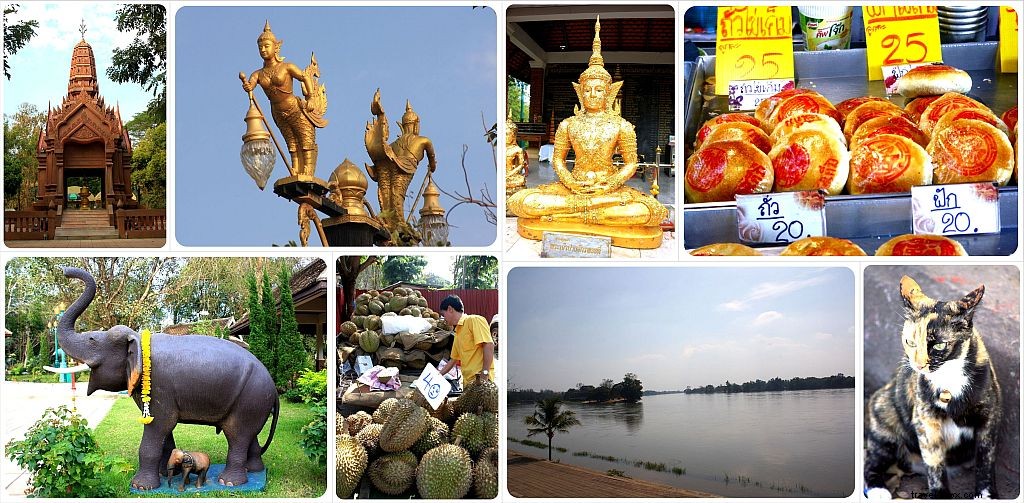
Kamphaeng Phet: Thailand's Hidden Gem – UNESCO Ruins and Authentic Local Life
The sound of the closing door echoed down the long, dark hallway of our hotel.
The Navarat is a classic 1970s-style hotel in Kamphaeng Phet, a small city in central Thailand. Our door was one of the few that opened regularly, though we had seen a handful of Thai businessmen in the lobby earlier. With just one other half-empty hotel in town—the once-grand Chakungrao Riverview Hotel—and no English menus in sight, it's evident how few tourists visit Kamphaeng Phet.
Yet, Kamphaeng Phet boasts magnificent ancient ruins.
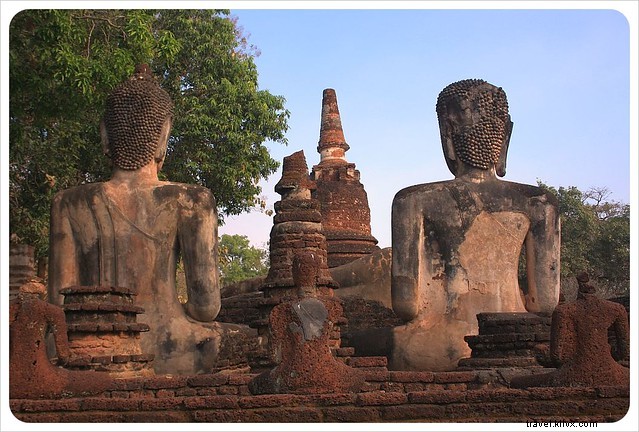
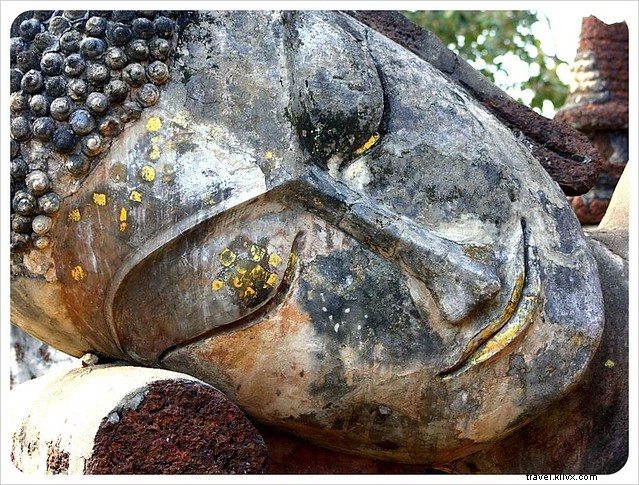 In fact, the Kamphaeng Phet Historical Park is one of the 'associated historic towns' in the UNESCO World Heritage Site 'Historic Town of Sukhothai and Associated Historic Towns.' The renowned site at Old Sukhothai, about two hours east, draws crowds of tourists. Here in Kamphaeng Phet, however, we had the entire archaeological site to ourselves.
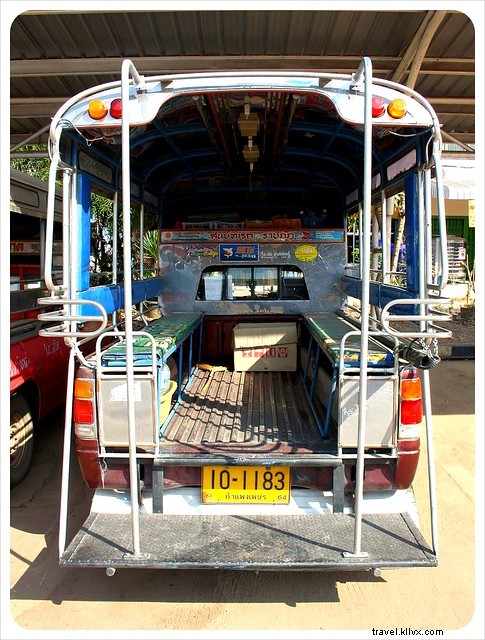
 So why the lack of visitors? It's unclear, but one factor may be transportation. While Sukhothai has direct buses from Chiang Mai and Bangkok, reaching Kamphaeng Phet requires a shared songthaew (covered pickup truck). We arranged ours in Sukhothai after some effort—a fun 2.5-hour ride watching locals hop on and off with groceries, bamboo baskets, or new CDs, chatting cross-legged on the benches.
 We were the only passengers for the full route, and the driver dropped us at a lone tuk-tuk in town. Initially suspicious, we soon appreciated the help, as local taxis and tuk-tuks are scarce. Our hotel staff spoke no foreign languages, relying on pointing and laughter for communication.
Instead, we flagged a passing songthaew and mentioned the park—only to end up at the main bus station outside town.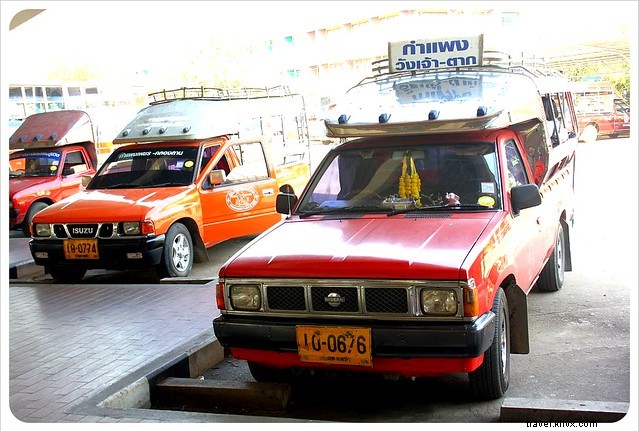
In the confusion, we approached several drivers, none understanding. One directed us to a 'tourist information' booth, where a woman handed us a map and pointed to gate 5. After 30 minutes of people-watching, we inquired again—another 30 minutes? Songthaews arrived constantly; surely one went to the ruins?
Our Thai is basic, and we'd been spoiled by multilingual locals in Bangkok, Chiang Mai, and the islands. But language wasn't the issue—the ruins were advertised everywhere: on billboards, maps, and brochures. Pointing should have sufficed, yet it felt like an unusual request.
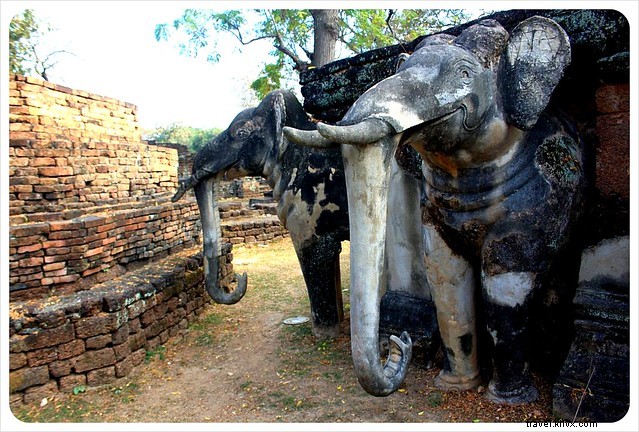
Eventually, we arrived and spent the afternoon cycling amid stunning chedis, Buddha statues, and elephants in peaceful solitude.
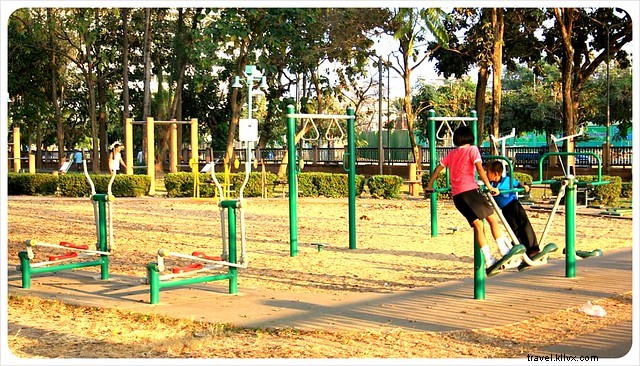
 Kamphaeng Phet isn't a remote village; it's a vibrant city along the Ping River with solid infrastructure, educated residents, schools, temples, cozy restaurants, cafes, and shops from barbers to electronics stores. Our favorite? The numerous outdoor gyms in riverside parks. Life thrives here authentically.
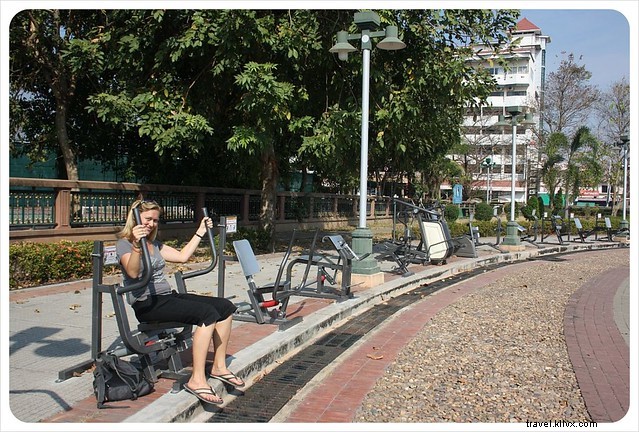 It's quintessentially Thai, minus the tourist souvenirs.
No fridge magnets, 'I ♥ KP' T-shirts, or postcards from the Historical Park. Online, trusted sites like Wikitravel lack details, Lonely Planet covers only transport, and booking sites list the same two hotels. No foreigner-focused eateries—restaurants cater to locals.
That evening, we walked back along the river at sunset, witnessing everyday magic: joggers, families in playgrounds, aerobics classes resembling Zumba, gym enthusiasts, and schoolkids on motorbikes heading to market with suited parents.
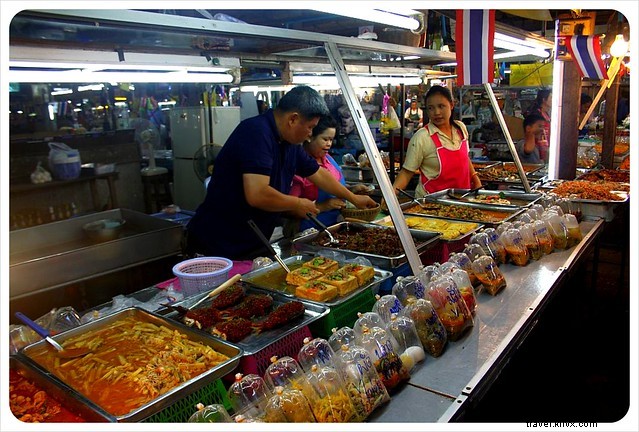 Kids waved from bikes; vendors smiled as we photographed market frogs. Perfectly friendly, yet no one depended on tourists or catered to us.
No one cared we were there—and that's why we loved Kamphaeng Phet.