Manuel Antonio vs. Cahuita: Comparing Costa Rica's Premier National Parks
Costa Rica, a global leader in eco-tourism, protects its diverse ecosystems across more than 26 national parks, ranging from cloud forests and volcanoes to coastlines, wetlands, and rainforests. For an unforgettable trifecta of lush jungle, abundant wildlife, and pristine beaches, two parks stand out: Manuel Antonio on the Pacific coast and Cahuita on the Caribbean coast.
Both deliver jungle trails, wildlife encounters, and sandy shores, yet they offer distinctly different experiences. Manuel Antonio, despite a US$16 entrance fee, is one of Costa Rica's most visited parks. Cahuita, with a modest US$5 fee, remains a quieter, less-traveled gem. With limited time to explore both coasts, this guide compares them to help you choose the perfect fit.
Head-to-Head: Manuel Antonio vs. Cahuita
Manuel Antonio National Park
Spanning 4,014 acres (16.24 km2), Manuel Antonio is Costa Rica's smallest yet most iconic national park. Located 30 km south of Quepos on the Pacific coast, it's ideal for families.
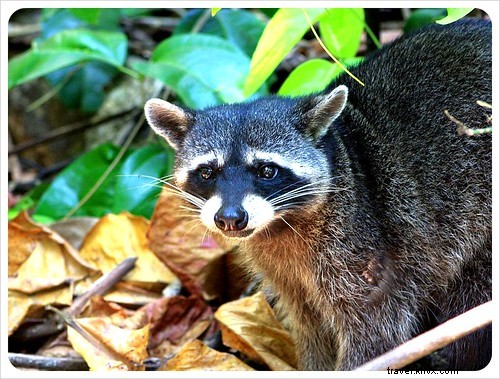
Wildlife is the star attraction: four monkey species, three- and two-toed sloths, raccoons, pacas, coatis, exotic birds, snakes, spiders, iguanas, and crabs abound.
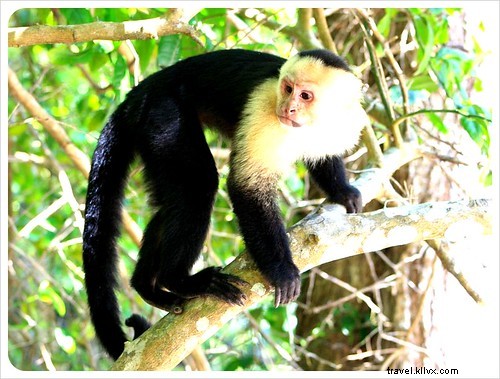
Sightings are virtually guaranteed, drawing crowds to main trails early morning. Venture to secluded paths for solitude amid the forest. The stunning turquoise beaches, however, stay busy with sunbathers.
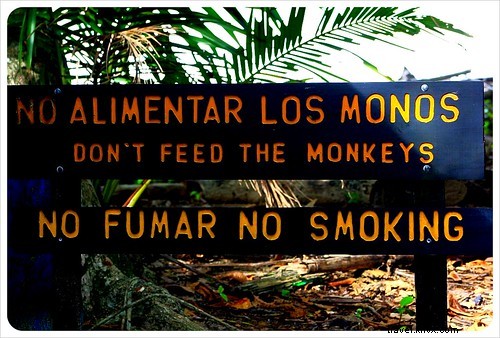
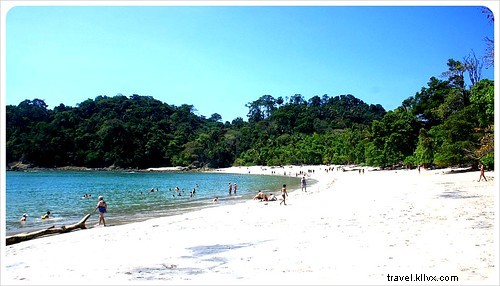 Lesser-known trails offer escapes, like the cliff-top path with panoramic ocean and beach views—often encountered with few others. Allow a few hours to explore and observe wildlife naturally. Monkeys and raccoons here are bold around food, so secure snacks to see authentic behaviors.
Advantages of Manuel Antonio:
- Guaranteed wildlife sightings
- Pristine beaches
How to get there: Buses from San José's Coca Cola terminal (Calle 16, between Avenidas 1-3) run three times daily; 3.5 hours, US$5.50.
Entrance fee: US$16 (free for children under 12).
What to bring: Camera, cash (no cards; extra for guides/tips), swimsuit, towel, binoculars.
Tip 1: Hire a guide—they know prime spots and use high-powered binoculars for treetop wildlife.
 Tip 2: Arrive at 7 AM if staying nearby to beat tour buses (9-10 AM).
Cahuita National Park
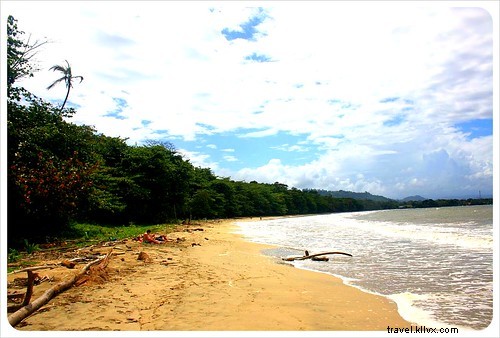
This serene Caribbean park near sleepy Cahuita village (30 minutes from Puerto Viejo) features budget lodging and undeveloped charm. Renowned for land wildlife and snorkeling/diving reefs, it's perfect for uncrowded beaches, surfing, and relaxation. Entry is donation-based or US$5.
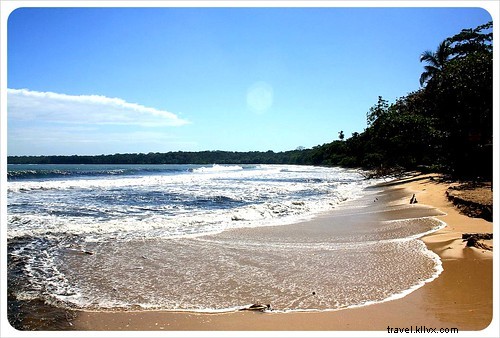
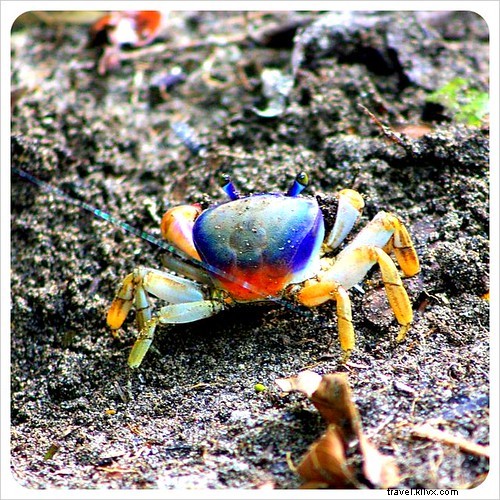
Follow the 2-mile beachside trail amid jungle sounds. Shy wildlife includes howler and capuchin monkeys, sloths, toucans, pacas, coatis, raccoons, snakes, colorful crabs, fish, and coral. Guides enhance sightings.
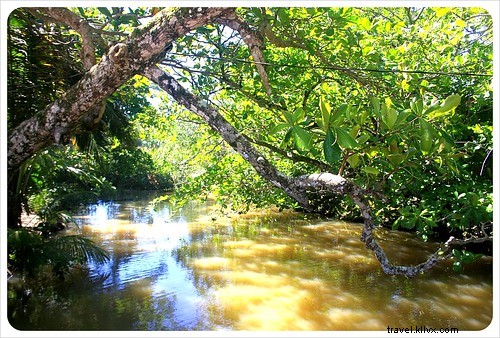
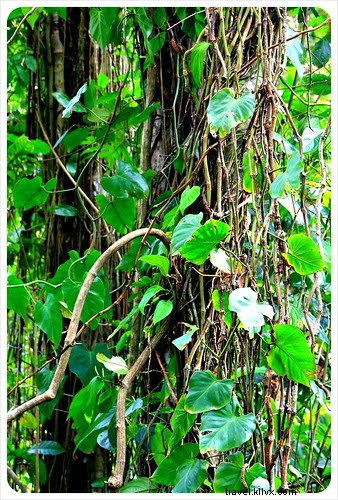
 Trails start wide and sandy but cross a river (20-second boat or wade chest-deep). Beyond, solitude awaits.
Advantages of Cahuita:
- No crowds
- Excellent snorkeling/diving
- Surf-friendly
- Affordable (US$5 for foreigners)
How to get there: From San José's Terminal Atlántico Norte (Avenida 9, Calle 12), Mepe buses every 2 hours (6 AM-6 PM); 4 hours, US$9. Or five daily from Gran Terminal del Caribe. Private shuttles (e.g., Caribe Shuttles) US$55.
Tip: Wade the river mouth at the beach—narrow and shallow; hold valuables high.
Entrance: Donation at main gate; US$5 at Puerto Viejo car entrance.
What to bring: Dry bag (especially rainy season), swimsuit, camera, binoculars.
Manuel Antonio or Cahuita: Which to Choose?
No outright winner—both are must-visits. Manuel Antonio excels in scenic beaches and easy wildlife views, feeling resort-like. Cahuita prioritizes tranquil park immersion with beach bonuses. Choose based on your style: crowds and convenience or seclusion and adventure.