25 Essential Travel Safety Tips from a Decade of Global Experience

With over 10 years of worldwide travel under my belt, I've gained invaluable insights into staying safe—often learned through real-world challenges. Here are my top travel safety tips to help you avoid common pitfalls.
Health & Entry Update: Always check current travel restrictions, vaccination requirements, and health protocols for your destination via official government sources. Proactive planning ensures a smooth and safe journey.
Nothing derails a trip faster than illness, scams, or theft. I've experienced it firsthand—from a laptop stolen in Panama to a pickpocketed iPhone in Mexico and a camera swiped in Miami Beach.
Even domestic travel carries risks. Over the years, I've encountered dishonest taxi drivers, unreliable guides, and opportunistic thieves. Yet, the world remains largely safe for prepared travelers.
These proven strategies will help you minimize risks and travel confidently.
Top Travel Safety Tips
1. Learn Common Travel Scams
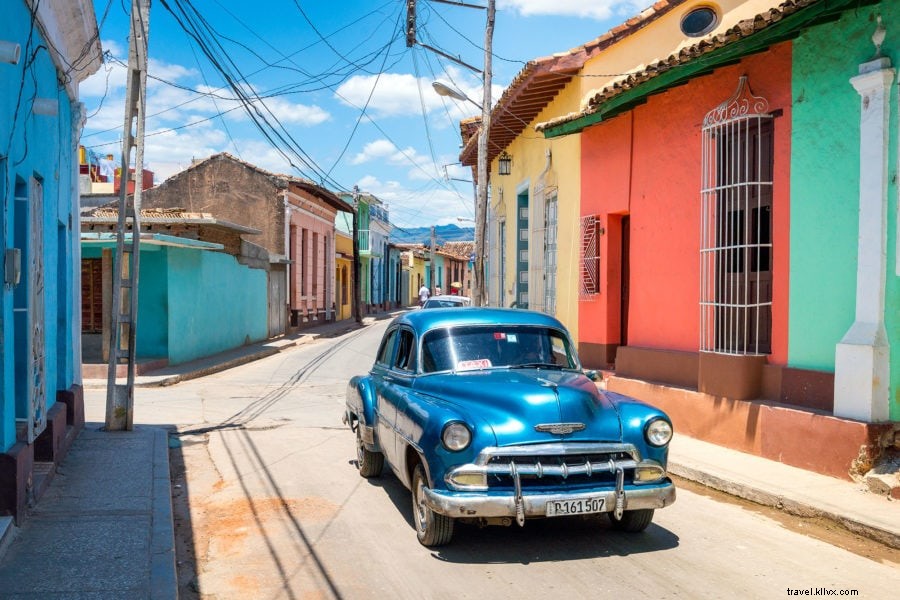
Scammers target travelers everywhere. While some are obvious, professionals are adept at deception—even savvy individuals can fall victim.
Research prevalent scams at your destination, such as Cuba's milk scam, Costa Rica's tampered taxi meters, or Paris's ring ploy. Use reliable sources like Google for in-depth, location-specific intel.
Knowledge is your best defense against losing money and ruining your trip.
2. Write Down Emergency Info
In a crisis, panic can cloud judgment. Pre-record local emergency numbers, police contacts, ambulance services, and embassy locations. Create an "Emergency Plan" and store it digitally (e.g., in Evernote) and physically—laminate a card for your wallet or save it on a USB drive with passport copies.
This ensures quick access to vital information when you need it most.
3. Check Government Travel Advisories
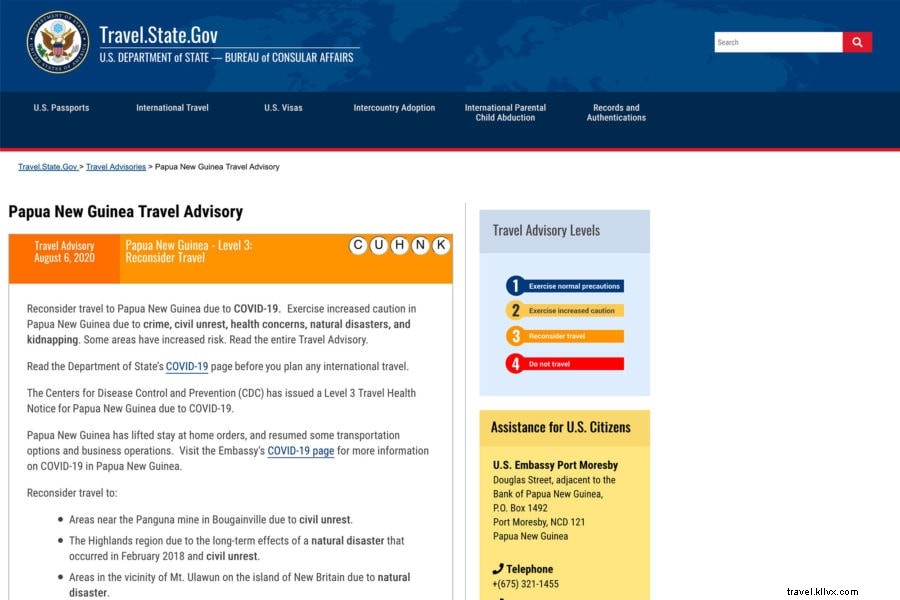
The U.S. Department of State's travel advisory site details risks for every country. Note that advisories emphasize potential issues, often conservatively. Cross-reference with local insights for balance.
Identify problem areas while recognizing that entire nations aren't defined by isolated incidents, like certain regions in Thailand or Mexico.
4. Secure Your Valuables
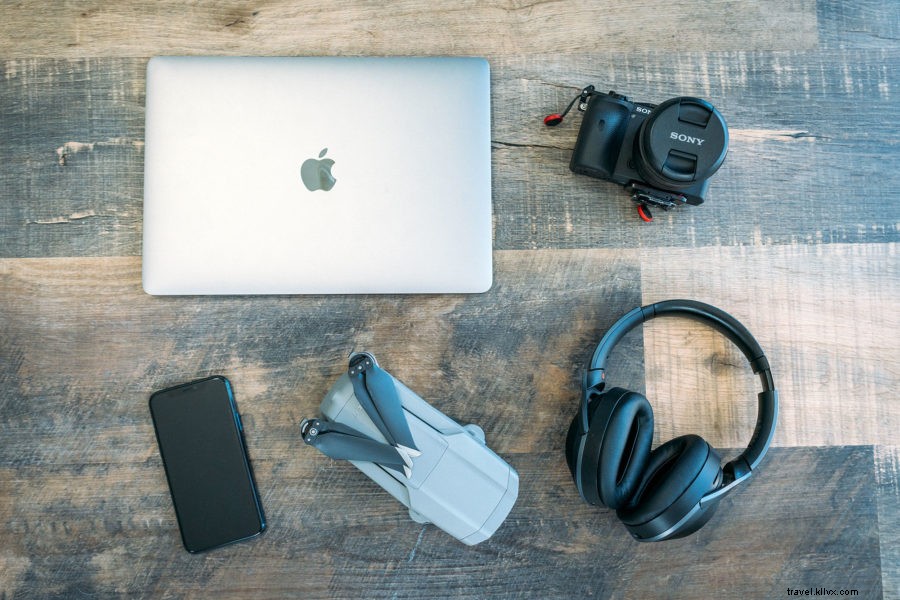
Avoid traveling with irreplaceable valuables, but protect essentials like electronics. Standard backpacks are vulnerable—slash-proof models resist cuts, and zippers can be picked.
Keep valuables in sight; use your bag as a pillow on buses/trains or tether it with a cable lock. Inquire about safes, lockers, or secure storage at accommodations—bring your own padlock for hostels.
5. Get Comprehensive Travel Insurance
Insurance provides peace of mind for health, theft, and gear. It replaced my stolen equipment without hassle. Everyone should have coverage—unexpected events happen regardless of caution.
Recommend Safety Wing for short trips (includes COVID-19). For digital nomads, combine Safety Wing Remote Health with specialized gear insurance like TCP Photography Insurance.
READ MORE: Is Travel Insurance Worth It?
6. Ask Locals for Advice
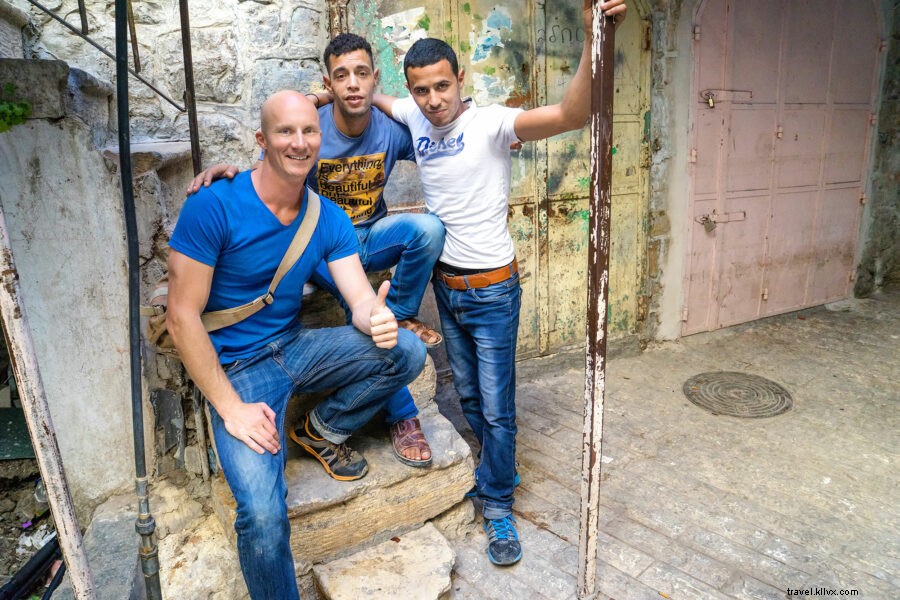
Locals offer the best insights on safe neighborhoods and pitfalls. Hostel/hotel staff are reliable; verify stranger's advice. Taxi drivers vary—cross-check tips.
Ask about areas to avoid, fair taxi fares, and top eateries.
7. Register with Your Embassy
Enroll in the U.S. Smart Traveler Enrollment Program (STEP) for embassy alerts and emergency support. Canada offers Registration of Canadians Abroad. It's free and vital for crises like disasters.
8. Share Your Itinerary
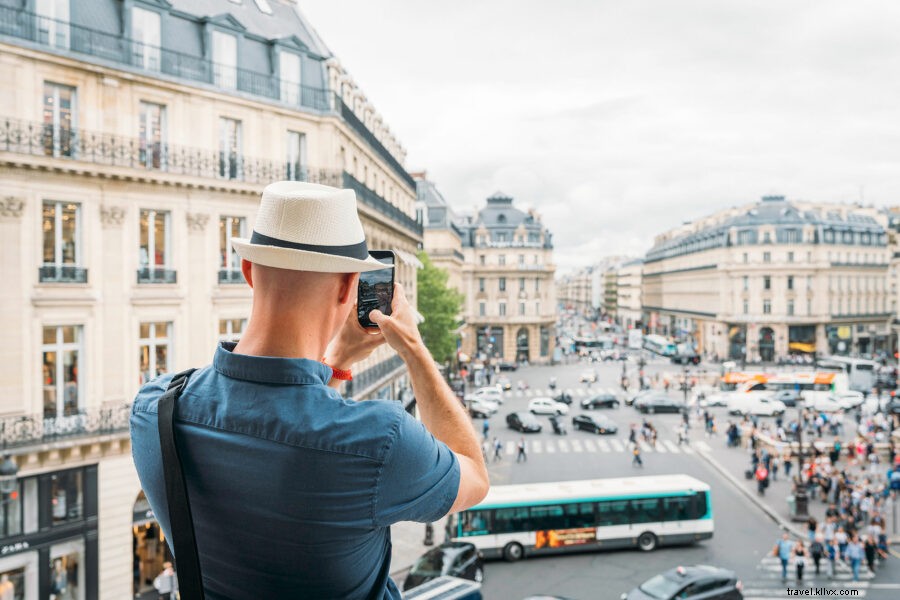
Email your detailed plans to trusted contacts and confirm receipt. Periodic check-ins provide accountability—if you miss a return, they can alert authorities.
9. Limit Sharing with Strangers
Avoid public posts or oversharing plans/accommodations. Be vague about your hotel or pretend prior visits to deter targets. White lies protect in uncertain situations.
10. Avoid Risky Poses for Photos

Social media tempts dangerous stunts. Respect limits, heed signs, maintain distance from wildlife, and avoid unstable edges or trespassing. Prioritize safety over likes.
READ MORE: Is Instagram Ruining Travel?
11. Invest in Added Safety
Budget travel saves money but risks safety. Splurge on secure hostels, convenient flights, safe transport, or reputable tours over ultra-cheap options prone to issues.
12. Dress Appropriately

Flashy tourist attire attracts trouble. Blend in to reduce targeting. Respect local dress codes—research laws via Wikipedia and expat blogs for conservative areas.
13. Tether Your Bag
Attach bags visibly to immovable objects with carabiners or straps. This deters snatch thieves seeking quick grabs.
14. Learn Basic Self-Defense

Classes in Krav Maga or Muay Thai build skills. Prioritize escape: avoid confrontation unless life-threatening. Consider a tactical pen for discreet defense.
15. Project Confidence
Body language deters predators—stay alert, head up, purposeful stride. Appropriate eye contact signals awareness without provocation.
16. Notify Your Bank
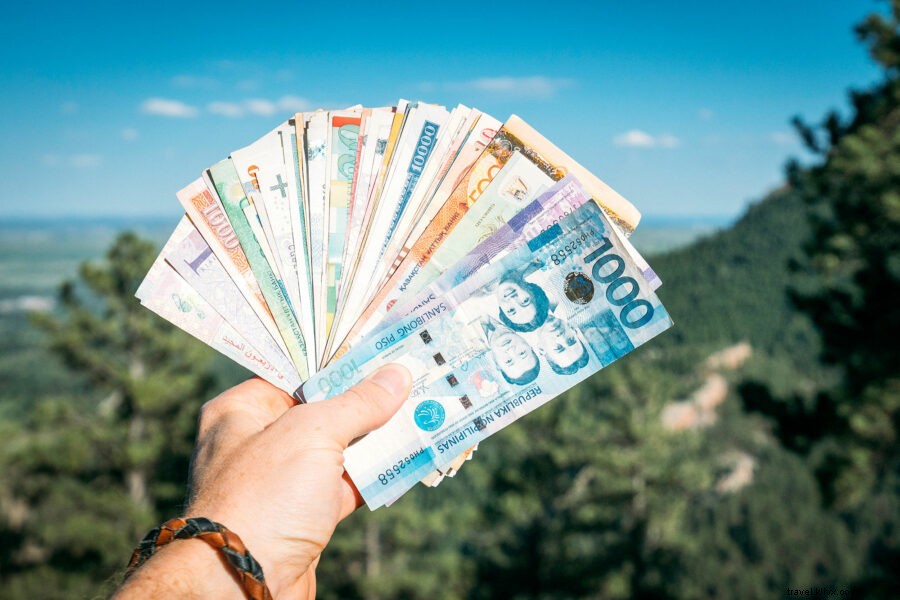
Alert banks to travel to prevent card blocks. Use airport ATMs early. Update for changes.
READ MORE: Travel Banking Tips & Advice
17. Hide Emergency Cash
Stash $200+ in secret spots: sewn pockets, chapstick tubes, hidden compartments. Include a backup card. Arrange Western Union backups with family.
18. Prioritize Food & Water Safety

Street food thrills, but choose busy spots, watch preparation, opt for cooked/peelable items. Use a filtered water bottle like Grayl to reduce plastic waste safely.
19. Use ATMs Wisely
Shield PINs, inspect for tampering (Lebanese Loop), avoid crowds. Seek bank assistance if suspicious; never accept help.
20. Ditch Back Pockets
Front pockets or money belts thwart pickpockets. Sew back pockets shut if needed.
21. Travel in Groups

Groups enhance vigilance and deterrence. Solo? Befriend hostel mates, but vet new acquaintances.
22. Pack a First Aid Kit
Include bandages, antiseptics, meds, rehydration salts, sunscreen, scissors, pain relievers, space blanket, petroleum jelly.
23. Stay Sober and Alert
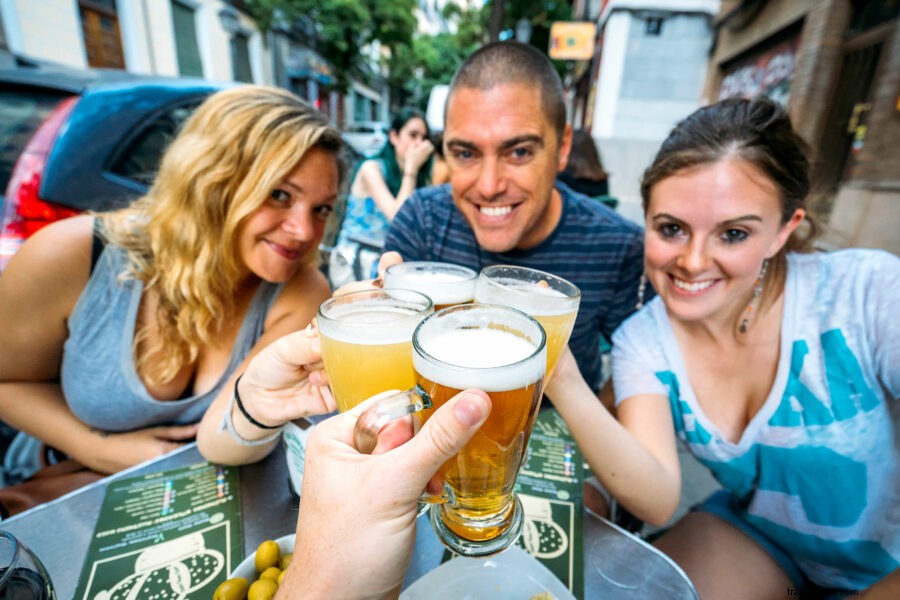
Moderate indulgence; avoid excess or hard drugs. Nightlife risks rise late—prioritize awareness.
24. Trust Your Instincts
Gut feelings detect threats subconsciously. Investigate unease—instincts have evolutionary value.
25. Travel Safety for All Genders

These tips apply universally. Women: group visits, whistles. Men: avoid ego-driven fights/scams. Stay street-smart everywhere.
Understanding Risk
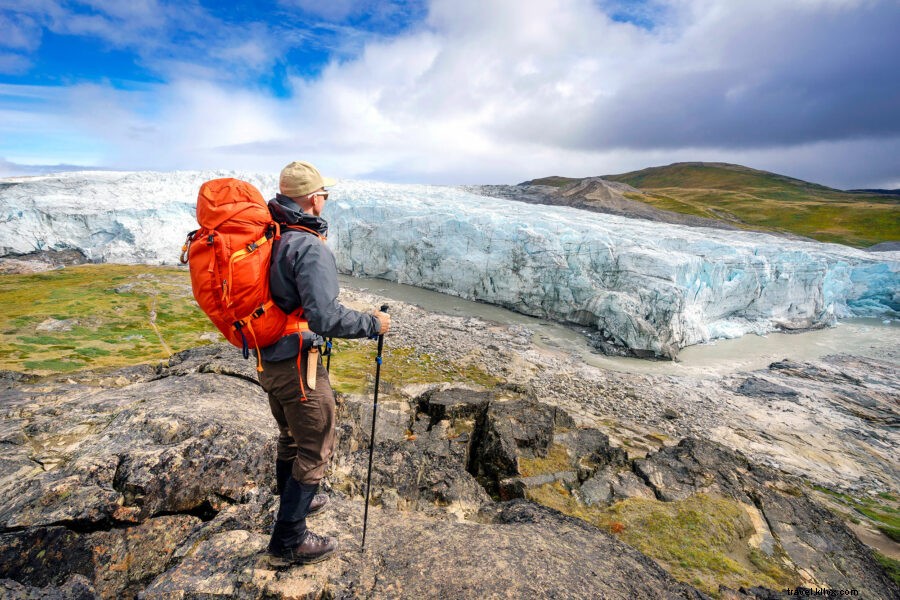
Adventure involves risk—manage it wisely. Media amplifies rarities; data shows declining global violence (per Max Roser, Steven Pinker). Travel confidently with preparation. ★