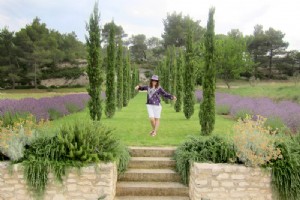
Exclusive Interview: Travel Photographers Audrey Scott and Daniel Noll of Uncornered Market
In our inaugural 'Travel Photographer Interview Series,' we spotlight Audrey Scott and Daniel Noll of Uncornered Market. A longtime admirer of their exceptional photography—especially their captivating portraits—it was a privilege to delve into their expertise.
What inspired you to become a photographer?
Audrey: I’ve always been drawn to photography, taking classes in high school, though I didn’t pursue it much afterward. While working a left-brained job in Prague, I rediscovered it as a creative outlet. Dan had a similar background.
Today, we use photography to share stories of people and places. Our goal is to humanize lesser-known countries, and our style supports that mission.
Do you have any formal training? Have you taken any courses?
We took high school darkroom classes and art photography courses in Prague. Dan completed a beginner’s class in San Francisco over a decade ago and another in Prague.
These built a solid foundation, but our best growth came from on-the-road skills like building trust with subjects—key to standout photos.
What camera(s) do you use on your travels? Do you have a favorite travel camera bag?
We shoot with a Nikon D300, typically with an 18-200mm lens, plus 50mm and fisheye options.
Audrey’s favorite is the Crumpler Puppet bag, which doubles as a laptop carrier. Its colorful design discreetly protects thousands of dollars in gear.
In your opinion, what makes a good travel photograph?
A photo that tells a story about the place or people, sparking curiosity in the viewer.
What have been your top 3 places to photograph so far and why?
Burma
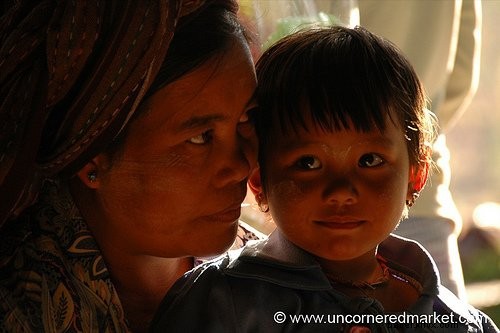
The people’s spirit and kindness shine in photos. They’re open and photogenic subjects.
India
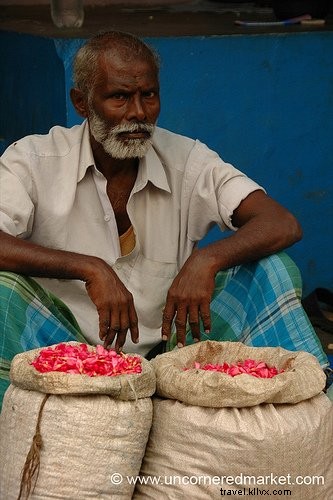
Vibrant people, colors, chaos, temples, and food—plus enthusiastic subjects full of energy.
Kyrgyzstan
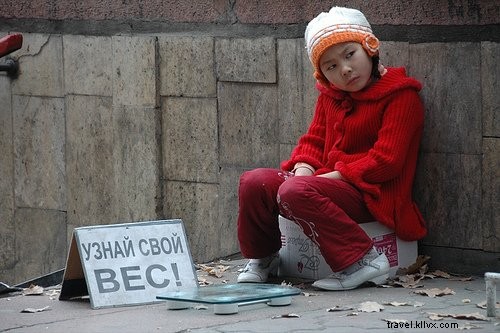
Warm, hospitable people amid yurts, animal markets, Soviet cars, and mountains (over 90% of the country).
Honorable Mention: Guatemala
Indigenous culture and openness to photography (unlike some Andean communities), with vibrant weekly markets.
What do you enjoy most about being a travel photographer?
Using images to inspire interest in global cultures, people, food, challenges, and beauty—drawing viewers to learn and engage.
You have a lot of really great portrait photography on your site. Do language barriers ever affect your work when you are photographing people?
Even without shared words (e.g., in China), non-verbal respect and gestures convey our intent. We motion to the camera for permission, which often succeeds.
Local phrases build rapport. In Central American markets, I might ask about fruit first, then segue into a photo request.
Do you believe the phrase ‘A picture is worth a thousand words’?
Rarely, but some capture moments, struggles, victories, or phenomena better than words ever could.
What are a few tips you would give someone who wants to pursue travel photography?
Master your camera and composition, but prioritize respect and engagement for people shots. Shoot more to refine your style.
Identify your passion early—this competitive field demands focus during challenges.
Thank you, Audrey and Dan, for these invaluable insights. Hope our paths cross on the road!