Essential Ocean Safety Tips for Travelers: Stingray Avoidance, Rip Currents & First Aid
As a surf instructor with six years of ocean experience, I've learned the hard way about hidden beach dangers. One memorable incident involved a stingray's barbed tail slicing my foot, leaving a deep gash and intense pain from its venom. Our buddy rushed for help while I managed the throbbing wound.
Today, I prioritize precautions like the "stingray shuffle"—shuffling feet exaggeratedly in shallow water or paddling on my belly when surfing to avoid stingrays, sea urchins, or reefs.
Key ocean safety tips for travelers:
- Research local hazards online or ask locals beforehand. Tourist beaches are often sandy and safe, but remote spots may have urchins, rip currents, or sharp reefs. Wear reef shoes if needed.
- In uncrowded areas, stingrays are more common. Crowds scare them away, but in quiet spots, step lightly off boards or rafts.
- Rip currents pull seaward in narrow channels (<100 feet wide). Stay calm, swim parallel to shore to escape, then head in. This works for strong swimmers too.
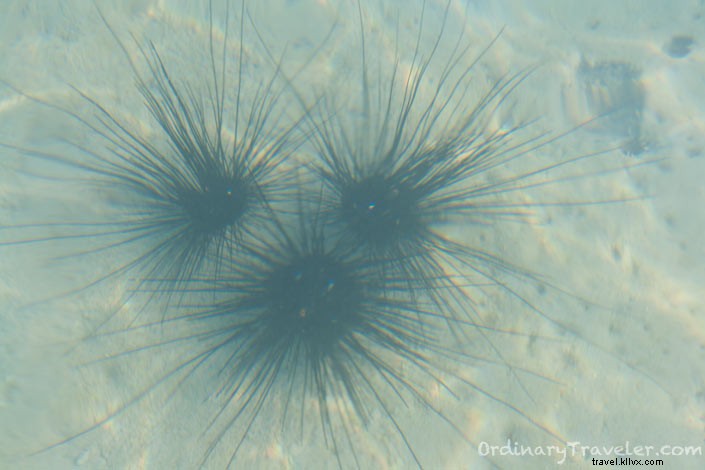
Sea urchins spotted in waist-deep water on Koh Phangan, Thailand. Crystal-clear visibility helped us avoid them.
What to Do If Stung by a Stingray
- Seek hot water immersion immediately at a lifeguard station, hotel, or home. Pain worsens without prompt treatment.
- Soak in the hottest tolerable water (not scalding) to denature heat-labile venom proteins. Take ibuprofen (not aspirin, which thins blood). Pain eases in 1-2 hours.
- Monitor for allergic reactions like breathing issues or swelling—call emergency services if needed.
- Clean deep wounds thoroughly. Remove barbs surgically if embedded. Watch for infection; seek antibiotics promptly. Note: Wounds through wetsuits may need specific antibiotics due to rubber contamination.
For sea urchin stings, consult a reliable treatment guide. Photo Credit: Arend Vermazeren
How to Eat Prickly Pear Cactus Fruit: Simple Step-by-Step Guide
Kia Soul Surf Trip Review: Real-World Test from San Diego Travelers