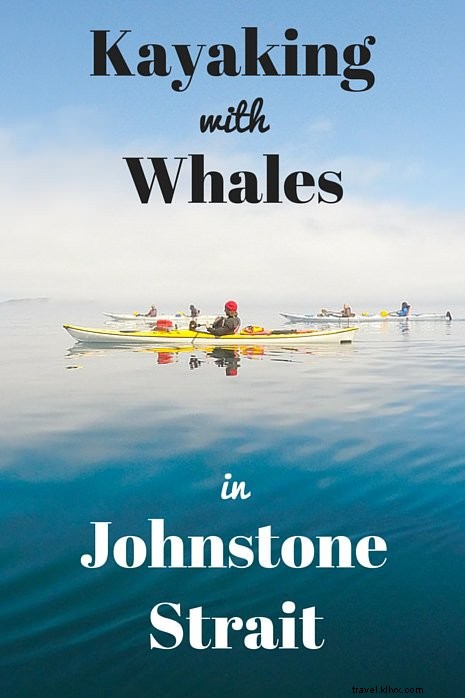
Ultimate Guide to Kayaking with Orcas in Johnstone Strait: Tips, Packing List & Itinerary
Kayaking alongside orcas in Johnstone Strait, British Columbia, is a bucket-list adventure. This expert guide, drawn from my firsthand experience, includes a detailed packing list, itinerary tips, and essential planning advice.
As I boarded the small plane to Port Hardy, British Columbia, I reminded myself to breathe deeply. I was embarking on a solo kayaking trip with orcas in Telegraph Cove—just an hour north—and the tiny aircraft felt incredibly claustrophobic.
From July through September, Johnstone Strait hosts North America's largest resident orca population. My prior kayaking outing off North Vancouver Island had been canceled due to high winds, so my passion for close encounters with these magnificent creatures brought me back three years later.
As the plane lifted off over the water toward Telegraph Cove's remote wilderness, I pondered my affinity for far-flung destinations like Wales, Mauritius, the Hebrides, and Newfoundland—places off the beaten path that have yielded my most cherished travel memories.
To be candid, I felt a touch of nerves ahead of the three-day solo immersion. Relying solely on myself in such isolation can be daunting. Fortunately, unlike my previous visit, the late July sun lingered, allowing ample time for the one-hour drive to Telegraph Cove before nightfall.
Waking at dawn to avoid missing my 8 a.m. briefing, I prepared from my floating cabin in the harbor. I packed my dry bag with essentials and walked a short distance to meet my guides and fellow paddlers for the two-day journey.
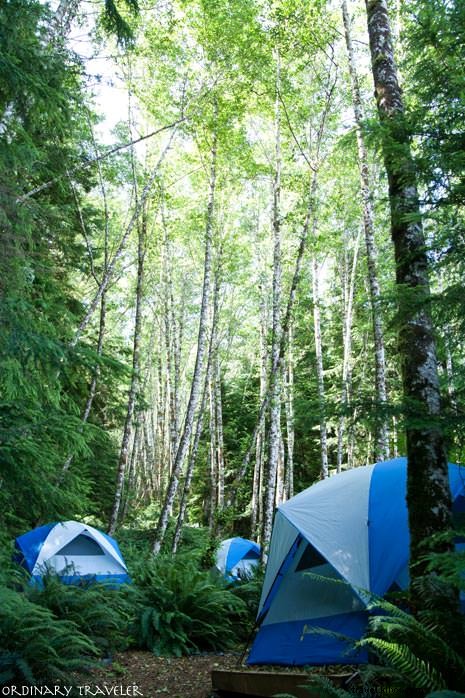
Morning seas were choppy, but we paddled with the wind for two hours to our idyllic campsite. Upon arrival, we discovered spacious blue tents pre-set on the beach, equipped with plush sleeping mats amid lush ferns and ancient old-growth trees for shelter.
The site's seclusion—no neighbors for a mile—promised perfect solitude for recharging amid nature's embrace.
A fully stocked oceanfront camp kitchen awaited, tended by our skilled guide who doubled as a master chef. We relaxed completely, lounging in hammocks with views of Johnstone Strait, reading No Touch Monkey, and hiking the surrounding forest trails.
Day two brought glassy waters and thick fog for a serene four-hour paddle. Visibility was low, reducing whale-spotting chances, but the mirror-like sea revealed octopuses, urchins, and sea stars in the shallows—a paddler's paradise back to Telegraph Cove.
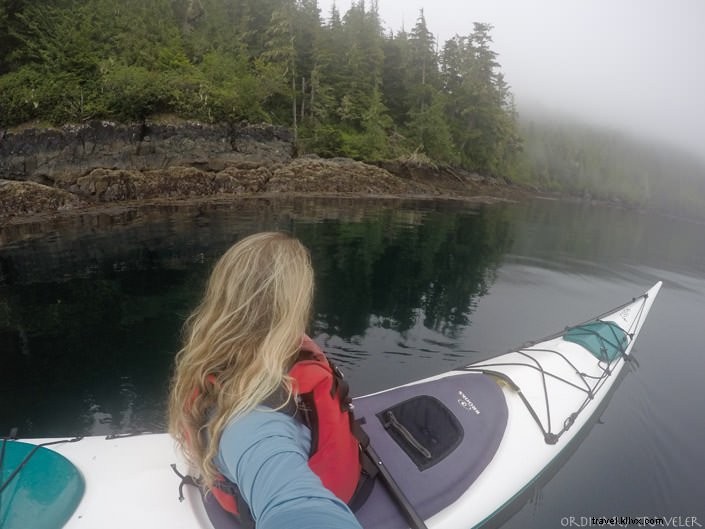
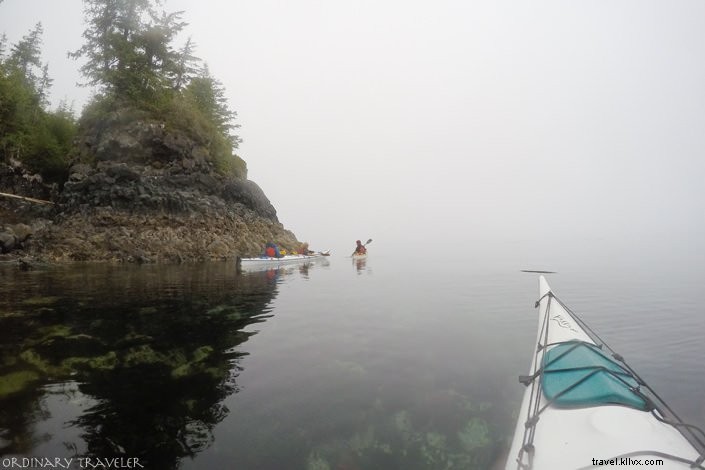
I returned specifically hoping for orca sightings from my kayak. Though none appeared this trip, the solitude and natural reconnection were profoundly restorative.
My sole regret? Opting for just two days—I underestimated my stamina. Proper paddling technique prevented soreness, so I now recommend 3-4 day trips for better whale-viewing odds.
Kayaking in Johnstone Strait
North Island Kayak offers guided sea kayaking tours from May to September, with peak orca sightings from late July to early September. Visit their website for dates and pricing.
They provide secure parking, ideal for multi-day trips. I stored non-essentials in my rental car's trunk, packing only photography gear and a 20L dry bag.
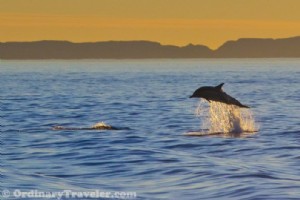
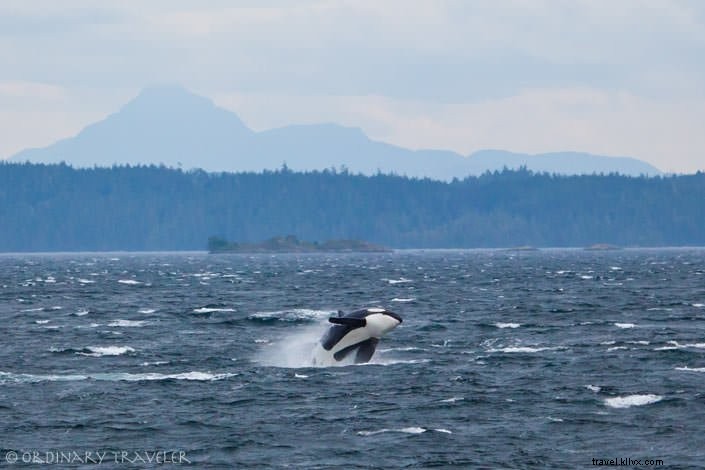
Pro Tip: No orcas on your kayak? Book a boat-based whale-watching tour—sightings are near-guaranteed July-September. Here's a shot from my tour three years prior:
Getting to Northern Vancouver Island
Fly into Port Hardy Airport and rent a car. Alternatively, ferry from Vancouver to Nanaimo, then drive four hours to Telegraph Cove.
Where to Stay in Telegraph Cove
Telegraph Cove Resort offers camping, rooms, studios, and houses—perfect for pre- or post-trip bases.
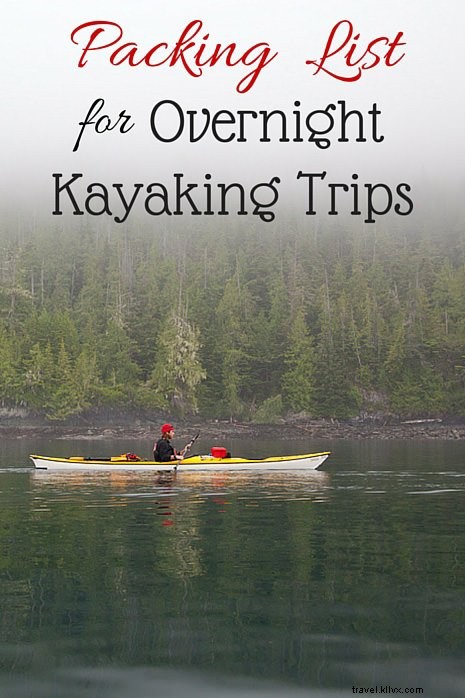
Essential packing list for overnight kayaking trips:
- 20L Dry Bag for clothing (rentals available from North Island Kayak)
- 10L Dry Bag with strap for camera gear
- GoPro Hero7 Black with LCD and waterproof selfie stick
- Canon 5D Mark II camera body
- Tamron 28-75mm f/2.8 lens (lightweight, compact, low-light performer)
- Quick-dry hoodie (synthetics only—no cotton; ideal for sun and warmth)
- Long-sleeved fleece for evenings
- Rain jacket and waterproof pants
- Fleece-lined leggings
- Board shorts (with leggings underneath if chilly)
- Pillowcase (stuff with clothes)
- Snacks
- Moisture-wicking underwear and bra
- Portable charger
- Lifeproof iPhone case
- Book
- Hat and sunglasses
- Toe-covering water shoes (no flip-flops)
- T-shirt
- Water bottle
- Sunscreen
- Headlamp

- Toiletries and baby wipes
- Small bug spray
- Hiking shoes and socks
- Warm pajamas
Plan Your Vancouver Island Trip
With over a decade of travel experience, I rely on these trusted platforms:
Flights: Momondo scans hundreds of airlines for the best deals, with a price calendar for optimal dates.
Accommodation: Booking.com guarantees the lowest prices across 80,000+ destinations, with verified reviews.
More Travel Inspiration
Explore my comprehensive travel resources page for tips on funding adventures, scoring deals, starting a blog, and more—honed from 10+ years on the road.