

Essential Tips to Secure Your Mobile Devices While Traveling
Cybersecurity has never been more critical, especially for travelers. Just as travel insurance safeguards your valuables and health, protecting your online data is essential. Frequent travelers understand the risks to personal, family, and business information away from home.
Follow these expert-recommended strategies to keep hackers at bay and your devices secure on the go.
Use a Virtual Private Network (VPN)
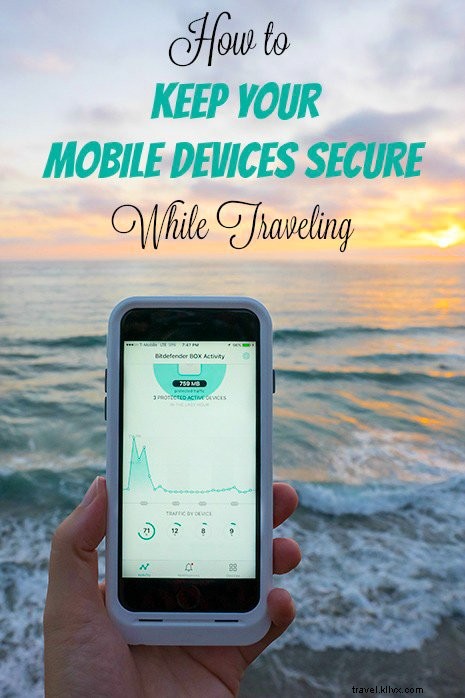
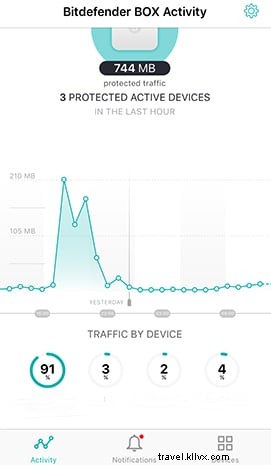
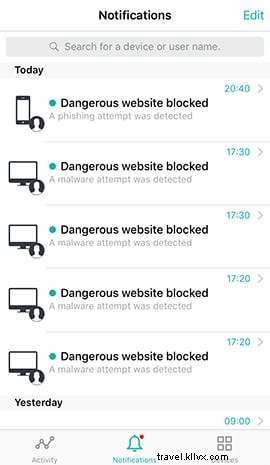
A VPN is the top recommendation for secure browsing while traveling. It encrypts your internet traffic, shielding data on public networks. Solutions like Bitdefender BOX protect multiple devices (computers, phones, TVs, consoles, and security systems) both at home and on the road. Praised by The Wall Street Journal as a "breakthrough idea" and by FOX News as "the best way to prevent future digital break-ins," it ensures privacy worldwide. VPNs also bypass censorship in restrictive countries, allowing anonymous access to blocked sites.
Use Strong, Unique Passwords
Avoid reusing passwords across accounts. Secure your phone, computer, tablet, and sensitive files with complex, unique credentials. Instead of paper notes vulnerable to theft, use a reputable password manager to store and generate logins securely.
Avoid Public Wi-Fi Networks
Even password-protected public Wi-Fi in cafes or hotels can be risky—hackers often set up fake open networks with similar names. Verify the exact network name and password with staff, or use your phone's personal mobile hotspot. Paired with a VPN, this isolates you from threats for worry-free browsing.
Stick to HTTPS Websites
For online purchases or transactions, only use sites starting with 'https://' (the 's' denotes encryption). Opt for third-party payment services like PayPal for extra protection.
Disable Cookies and Autofill
Autofill stores sensitive data like addresses and cards, making it easy for attackers. Turn off autofill and cookies on all devices before travel.
Research Encryption Laws
Countries like Russia, China, and parts of the Middle East may restrict encrypted tools. Check regulations beforehand and use a VPN to maintain security in high-risk areas.
This is a sponsored post written on behalf of Bitdefender. Opinions are my own based on experience.