How to Protect Yourself from Coronavirus While Traveling: Expert Tips and Precautions
With coronavirus dominating headlines, travelers are understandably concerned about staying safe on the road.
Reports of quarantined cruises, canceled flights, airport holds, and strict lockdowns in China—the origin of the novel coronavirus—highlight the risks. To address this, we've compiled reliable, research-based guidance to help you travel confidently and healthily.
Dispelling myths and focusing on facts from trusted sources like the CDC, these tips will equip you to minimize risks during your trips.
What Is the Novel Coronavirus?
Coronaviruses cause illnesses from the common cold to severe conditions like Middle East Respiratory Syndrome (MERS) and Severe Acute Respiratory Syndrome (SARS). The novel strain identified in Wuhan, China, is new to humans.
Symptoms include fever, cough, breathing difficulties, chills, and runny nose. In severe cases, it can lead to pneumonia, kidney failure, or death—explaining the global attention.
How Does Coronavirus Spread?
Like the flu or common cold, it spreads via respiratory droplets from coughing, sneezing, or close contact such as kissing.
If you feel ill while traveling, practice good respiratory hygiene: cover coughs/sneezes with a tissue or elbow, dispose of tissues in lidded bins, wash hands frequently, and use sanitizer. Consult a doctor promptly—but call ahead.
What Are the Odds of Contracting Novel Coronavirus?
As a new strain with no vaccine or established treatment at the time, it sparked concern. Avoid travel to affected areas like China, contact with recent visitors from there, or confirmed hotspots.
Most countries implement screening and quarantine for at-risk individuals. Those with weakened immune systems, infants, and seniors face higher risks and should take extra care.
7 Essential Tips to Protect Yourself from Coronavirus
Wash Your Hands Regularly
Wash with soap and water frequently, even if hands appear clean. Carry hand sanitizer for public surfaces.
Avoid Touching Your Face
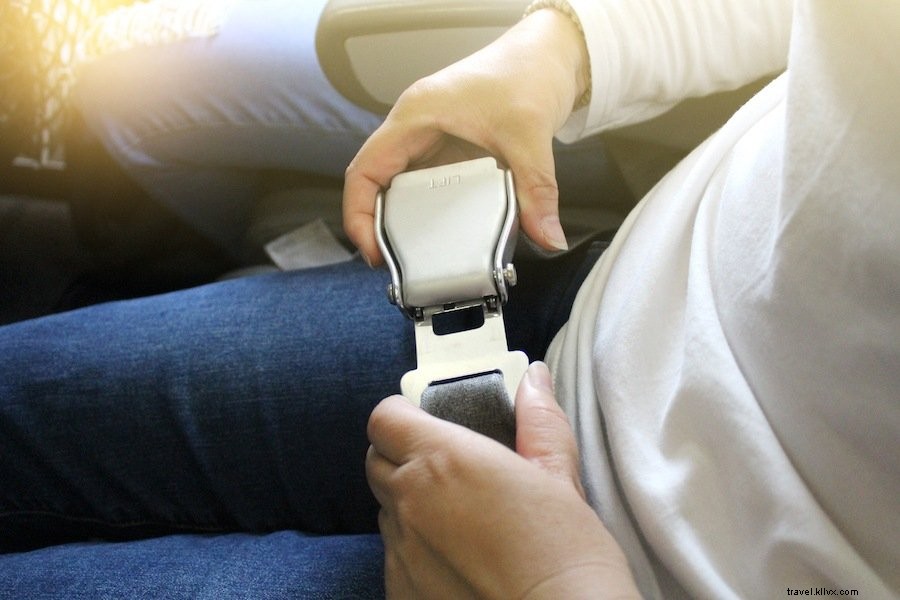
Hands often contact contaminated surfaces first, so resist touching eyes, nose, or mouth—especially in crowds or on flights.
Wear a Face Mask
Use masks if sick or in high-risk areas like airports, planes, and crowds. Not all masks are equal: N95 filters 95% of airborne particles; N100 filters nearly all but is harder to breathe in.
N95s are ideal but were in short supply—prioritize for healthcare settings.
Wipe Down Surfaces
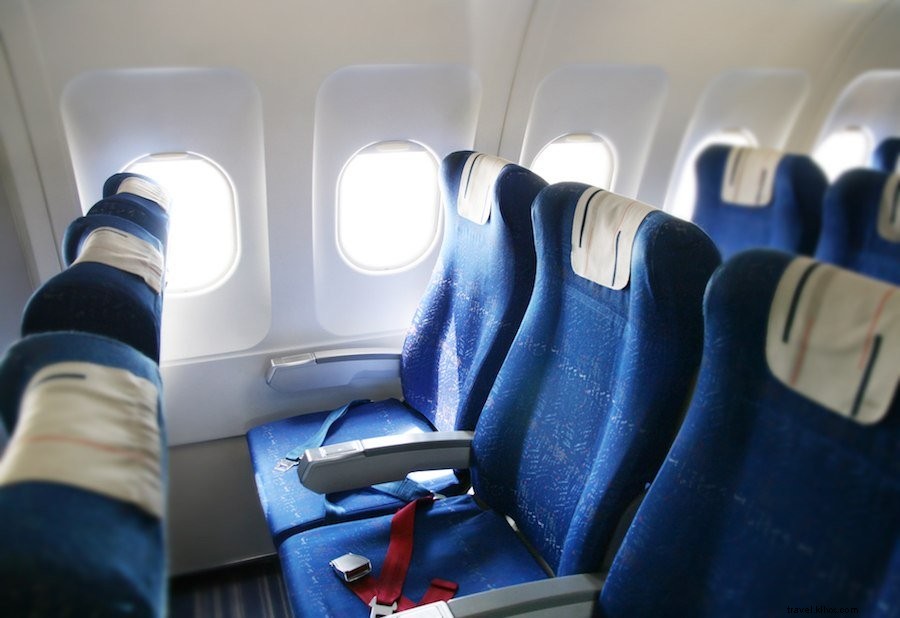
On planes, buses, or trains, use disinfecting wipes on seats, belts, trays, and armrests—often overlooked in cleaning.
Secure Travel Health Insurance
Covers doctor visits, hospitalization, and evacuation—crucial during outbreaks.
Research Your Destination
Check CDC updates for affected areas and reroute plans if needed to avoid risks.

Seek Medical Help for Symptoms
Call ahead if symptoms appear, especially in risk zones. Delay travel if ill; insurance may cover changes. Isolate until cleared.
For updates, visit the CDC website and Worldometer.
Essential Packing List for Coronavirus Protection
Hygiene Essentials: Soap, hand sanitizer, tissues, disinfecting wipes.
Face Mask: N95 respirator for crowded transit and high-risk spots.