Essential Camping Tips for Beginners: Gear, Planning, Safety, and More
Discover proven camping tips for beginners to select the right gear, secure ideal campsites, save money, and ensure a safe adventure.
Planning your first camping trip can feel overwhelming with choices on gear, sites, regulations, and safety. But with the right preparation, anyone can master camping. Drawing from years of experience, here are expert tips to maximize your enjoyment.
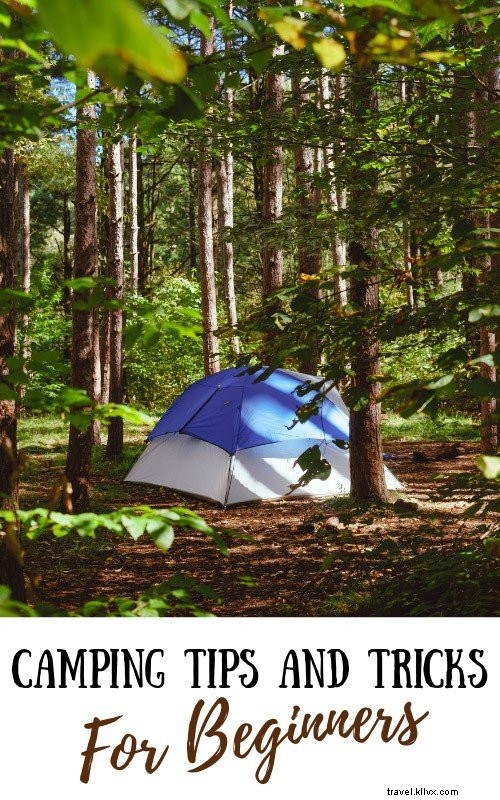
Before You Go
Purchase Quality Equipment
Select gear based on your needs, budget, and durability. Prioritize a reliable tent, lanterns or headlamps, sleeping pad, extra bedding, and kitchen essentials. (See our complete camping packing list.)
A portable camp stove is invaluable for busy days or fire bans, allowing quick meals without relying solely on campfires.
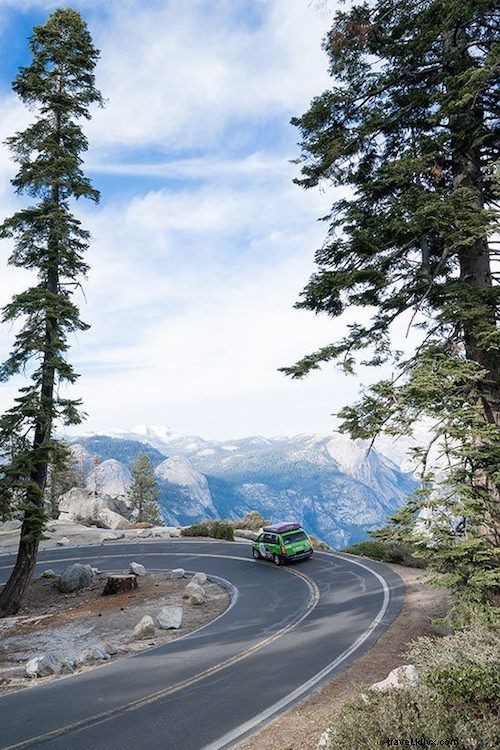
Test All Gear Beforehand
Practice setup in your backyard: pitch the tent, test kitchen tools, and check lights. This identifies issues, familiarizes you with usage, and reveals packing gaps.
Research Your Destination Thoroughly
Investigate facilities, campsite types, nearby dining, weather, seasonal access, and site conditions. While spontaneity has appeal, thorough research builds confidence for novices.
Book Campsites Early
Choose sites considering proximity to attractions, water/toilet access, hookups, privacy, and fire allowances. Popular spots, especially national parks, book months ahead—reserve promptly.
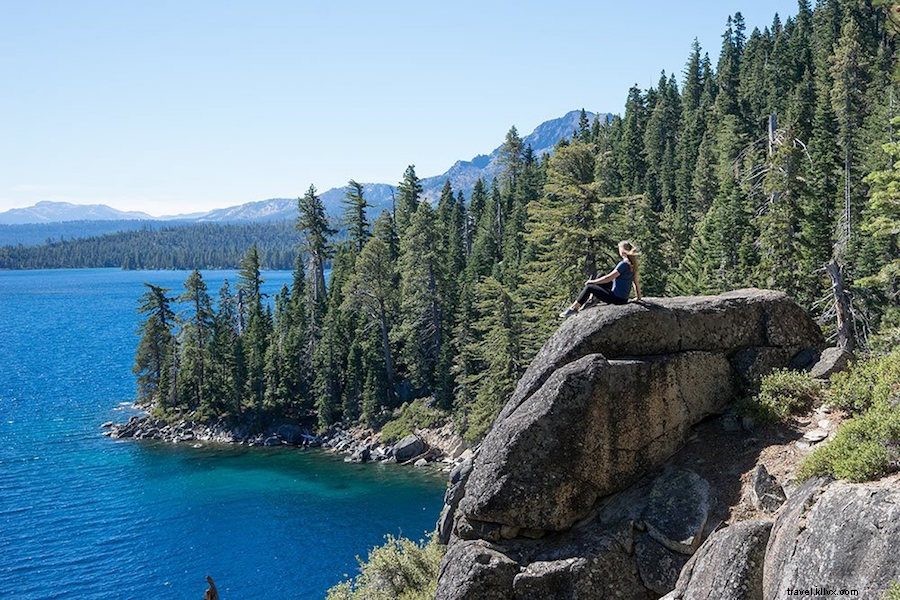
Prep Meals Efficiently
Plan a full menu with meals and snacks, balancing fresh, packaged, and freeze-dried options. Shop, portion, chop, and freeze meats. Organize in a cooler with ice. Pro tip: Use squeeze bottles for batters, eggs, dressings, and oils to reduce dishes and spills.
Pack Ample Water
Verify on-site water quality; bring filtered jugs to avoid shortages. Carry a portable filtration system for remote areas.
At the Campground
Set Up Camp Properly
Arrive in daylight for safe setup. Choose level, root-free ground. Angle stakes at 45 degrees for stability; orient tent against prevailing winds. Deploy ample strategic lighting.
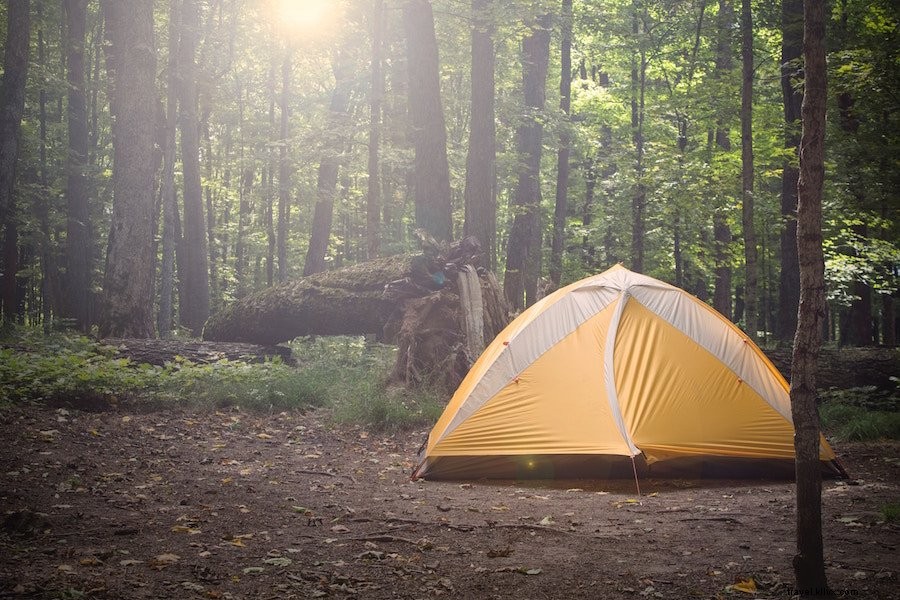
Secure Food and Trash
Wildlife like foxes, raccoons, or bears are drawn to food. Store in sealed tubs or vehicles; use bear boxes in backcountry. Never leave accessible.
Master Camp Cooking
Confirm fire/stove permissions with rangers, as rules change. Use foil packets for easy grilling of veggies, meats, and more with minimal cleanup. Boil dishwater immediately post-meal to streamline chores.
Practice Leave No Trace
Maintain cleanliness: pack out all trash, food scraps, and gear. Use facilities or catholes (6-8 inches deep, 200 feet from water).
What Is Dispersed Camping?
Dispersed camping means camping on public lands outside developed sites—free, flexible, and immersive. Legal on most federal lands (national forests, BLM) unless posted otherwise. Verify via BLM offices or apps; forgo amenities for solitude.
Essential Camping Packing List
Camping Gear: Quality tent, sleeping bag/pad, tarp, headlamp, hammock for comfort and safety.
Cookware: Bin, cookset, stove, lighter/matches, cleanup supplies, water filter.
Toiletries: Bug spray, sunscreen, multipurpose soap (e.g., Dr. Bronner's).
Electronics: Power bank, lantern, rechargeable case, car charger for emergencies.
Entertainment: Cards, board games, books for downtime.