Step Back in Time: Discover Santa Fe's Historic Landmarks and Timeless Traditions
Santa Fe captivates with its unique soul. Nestled 7,000 feet above sea level against the stunning Sangre de Cristo Mountains, its crisp air, adobe architecture, vast landscapes, and undeniable charm create an instant connection—even for first-time visitors. Here, centuries of Spanish, Mexican, and Native American influences have shaped "The City Different," resulting in a magical destination unlike any other.
Countless historical treasures endure: from Ancestral Puebloan ruins to ancient churches and generational recipes. Dive into Santa Fe's rich history and explore the sites that transport you back in time.
Santa Fe Plaza and Palace of the Governors
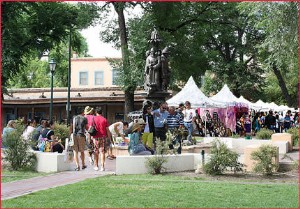
Plan to spend time strolling the charming, winding streets around downtown Santa Fe Plaza, a historic landmark. This vibrant area blends boutiques, restaurants, bookstores, art galleries, churches, and centuries-old adobe structures.
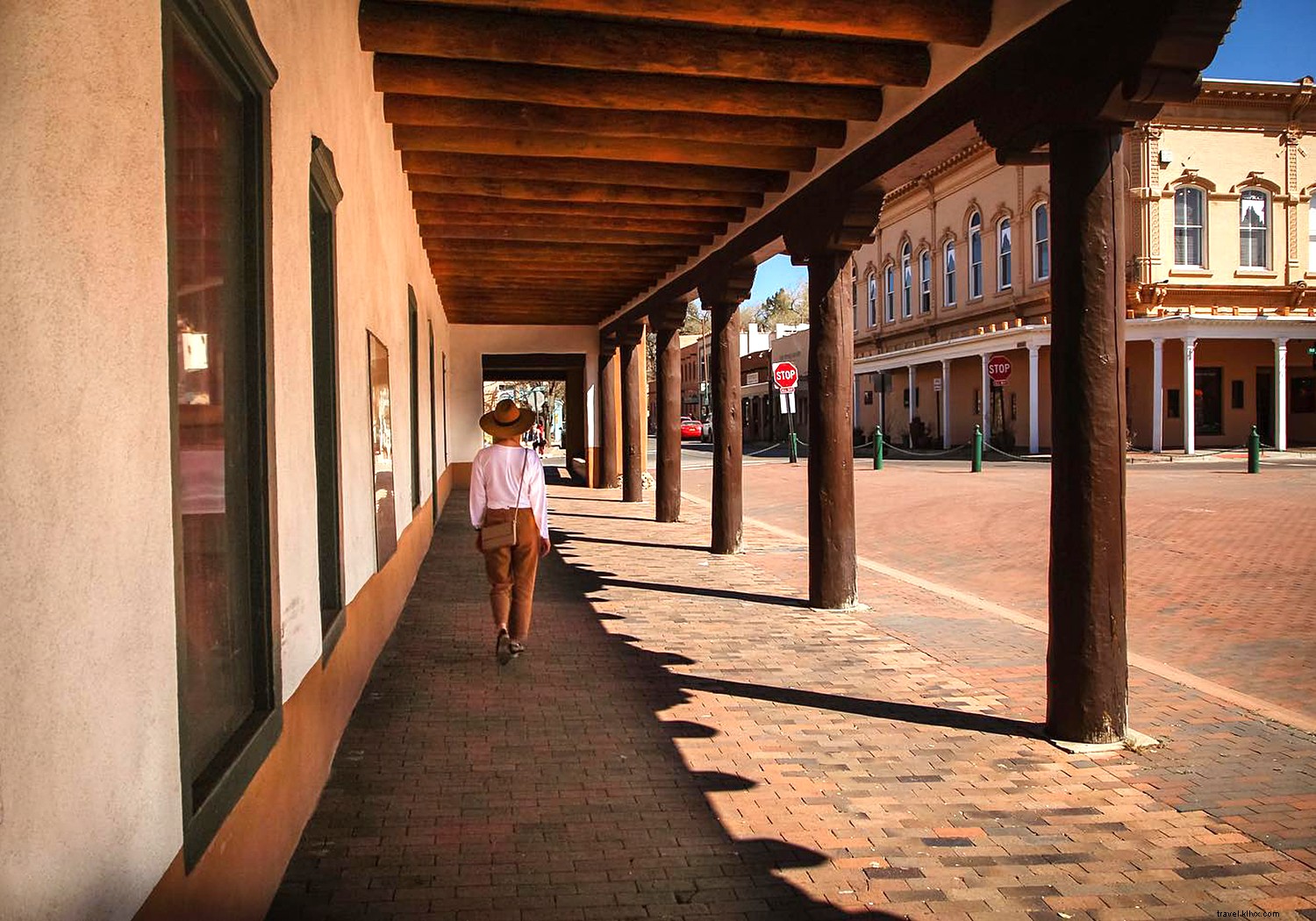
Along the plaza's north side stands a long adobe building with a shaded portico, where Native American artists sell handmade pottery and jewelry. Constructed in 1610 as the residence for New Mexico's first Spanish governor—about 70 years after Spain claimed the region—the Palace of the Governors is the oldest continuously used public building in the United States.
It survived the fires of the 1680 Pueblo Revolt, when Pueblo people expelled the Spanish colonizers. The Puebloans occupied it for 12 years until the Spanish reclaimed it. Later, it housed Mexican authorities after their independence from Spain. In 1909—three years before New Mexico became a state—it became the Museum of New Mexico. Today, it's a National Historic Landmark and part of the New Mexico History Museum.
La Fonda
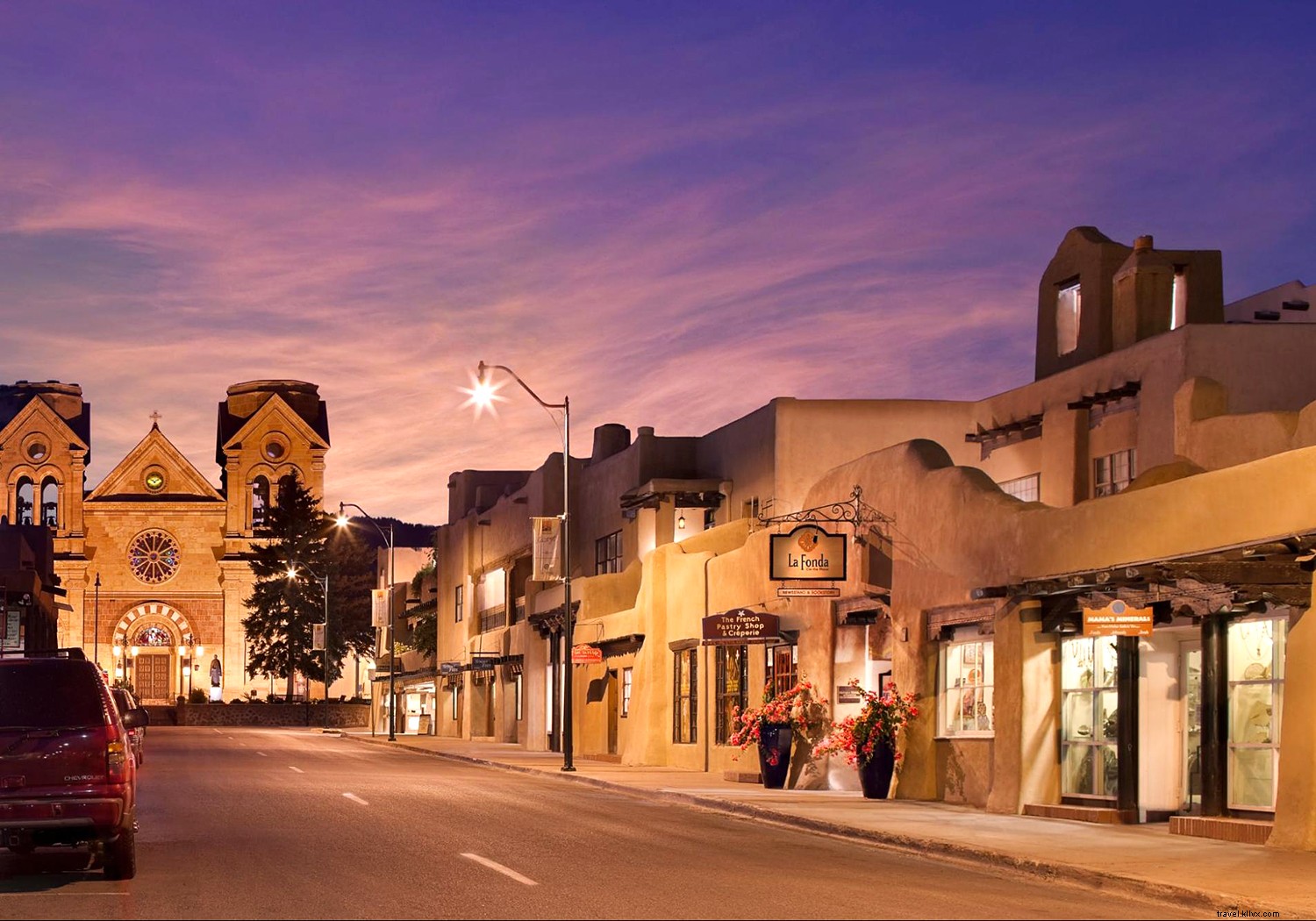
Just off the south side of Santa Fe Plaza lies La Fonda, the site of the city's first inn since its Spanish founding in the 1600s. It marks the endpoint of the Santa Fe Trail, America's pioneering commercial highway established in 1821 from Missouri to Santa Fe. Before the railroad, traders, gold seekers, pioneers, and military personnel traversed its 900 miles, fueling westward expansion.
The trail's inaugural travelers—200 years ago—stayed at La Fonda upon arrival. Over decades, it hosted politicians, trappers, soldiers, and trailblazers, cementing its status as a landmark. The current pueblo-style structure, built in 1922, features hand-carved beams, terracotta tiles, and stained-glass skylights nearly a century old.
Cathedral Basilica
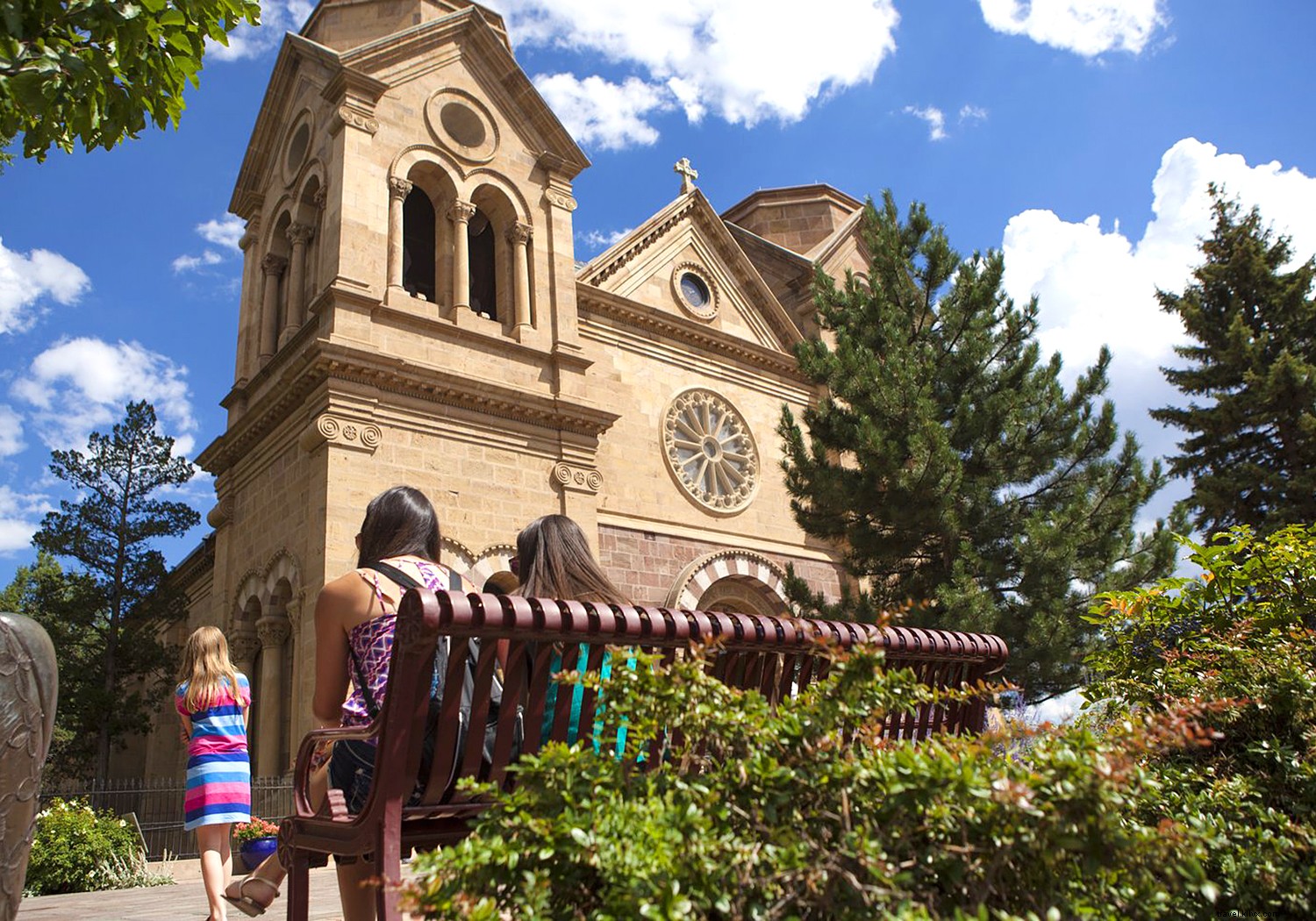
A block east of the plaza, across the street, marks the site of Santa Fe's first church, built in 1610 alongside the city's founding. Adobe structures succeeded it, with a small chapel from the Pueblo Revolt era still standing.
The present Cathedral Basilica of St. Francis of Assisi, constructed in the late 1800s by French architects and Italian stonemasons, showcases distinctive Romanesque style amid adobe surroundings. It's one of the few Historic District buildings exceeding three or four stories. Visit at sunset for striking photos of its golden facade against pastel skies.
Loretto Chapel
View this post on Instagram
Modeled after Paris's Sainte-Chapelle and built by the same team as the nearby Cathedral, Loretto Chapel features Gothic architecture and its famed 20-foot "Miraculous Staircase" to the choir loft.
This helix makes two full 360-degree turns without a central support pole—an engineering marvel, especially with 19th-century tools and no electricity. Legends abound about its mysterious builder, but its ingenuity endures. Now a private museum, it's open to visitors most days unless booked for events.
Georgia O'Keeffe Museum
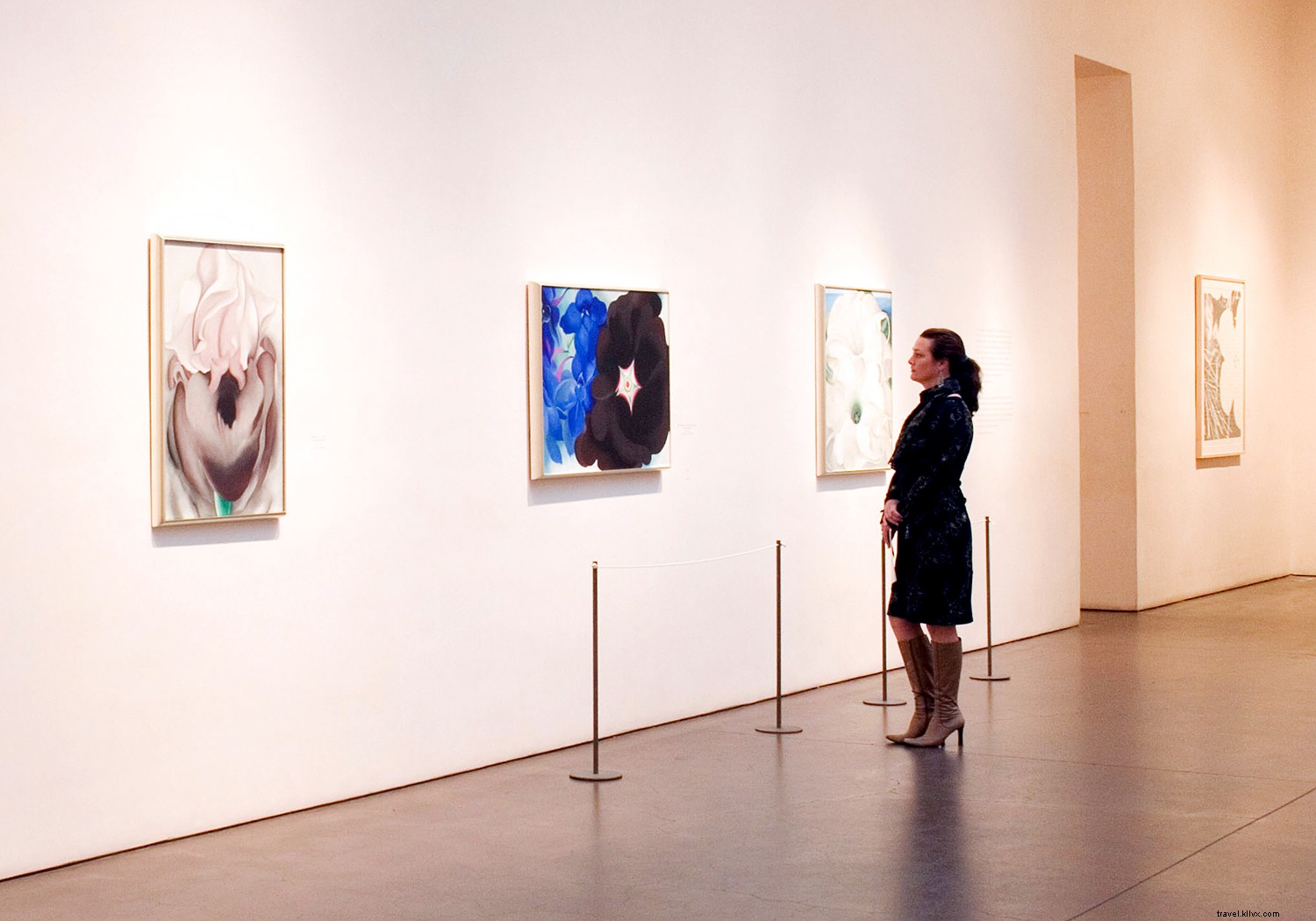
On the plaza's opposite side, the Georgia O'Keeffe Museum offers insight into modern history. Renowned for abstract depictions of skulls, skyscrapers, flowers, and Southwest landscapes, O'Keeffe pioneered American modernism and became a trailblazing female artist and feminist icon.
Explore her life, works in paint, pastel, watercolor, and pencil. Reservations required; book tickets up to 30 days in advance.
Her Abiquiú home—source of many paintings—is also visitable in northern New Mexico post-husband's death. Book well ahead; 2021 tickets sold out.
Bandelier National Monument
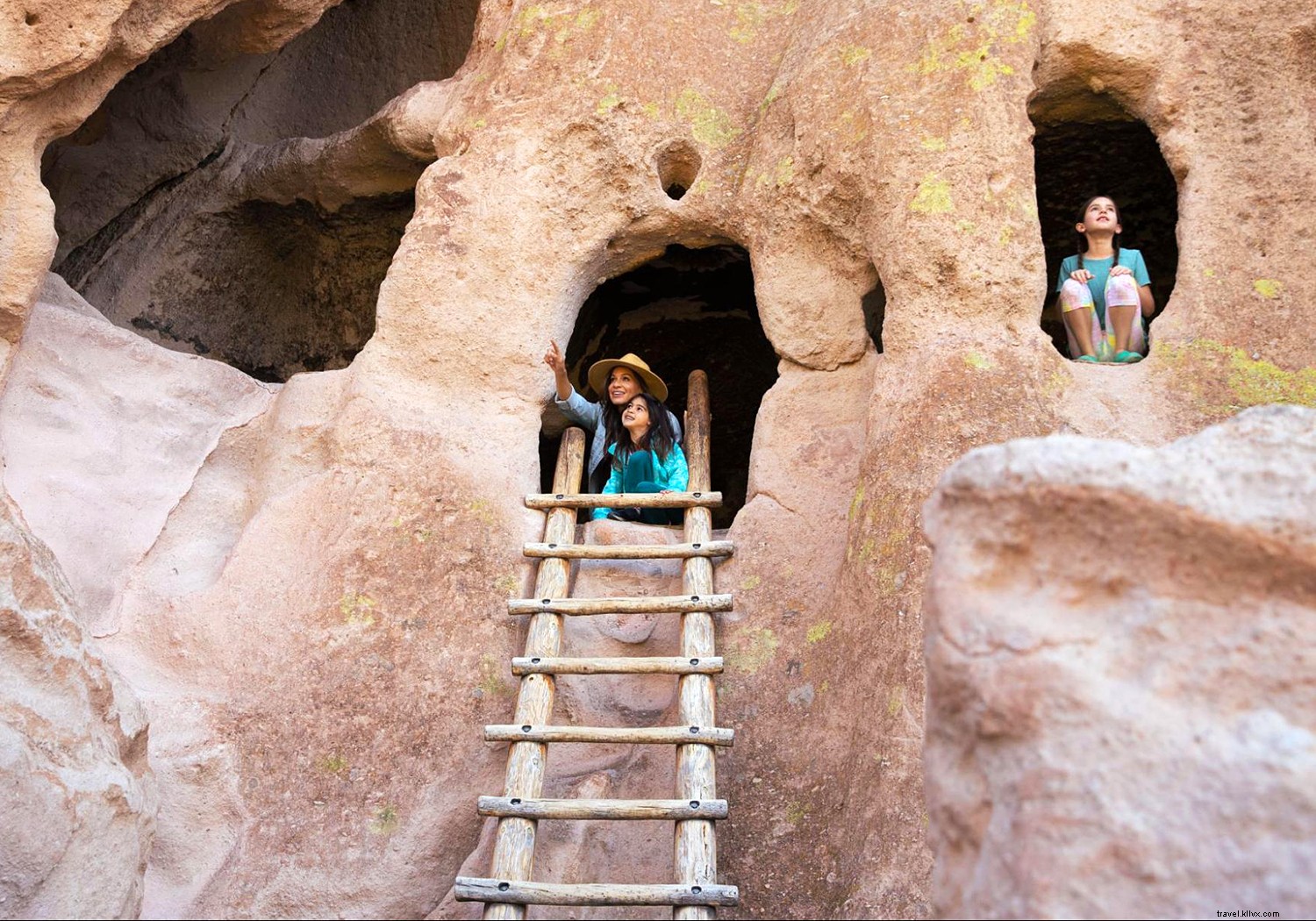
If Abiquiú is unavailable, drive 50 minutes northwest to Bandelier National Monument. Discover 600-year-old Ancestral Puebloan dwellings carved into volcanic tuff. Admire the stone-tool-chiseled arches; interiors were plastered and ceilings smoked for stability.
Hike the easy 1.4-mile paved Main Loop Trail to the sites. Midway, brave heights for ladders to Alcove House, 140 feet up the canyon wall.
Culinary Traditions
Santa Fe's fall brings golden aspens, cool breezes, and fresh green chile harvest—New Mexico's signature crop, roasted to fill the air with smoky aroma.
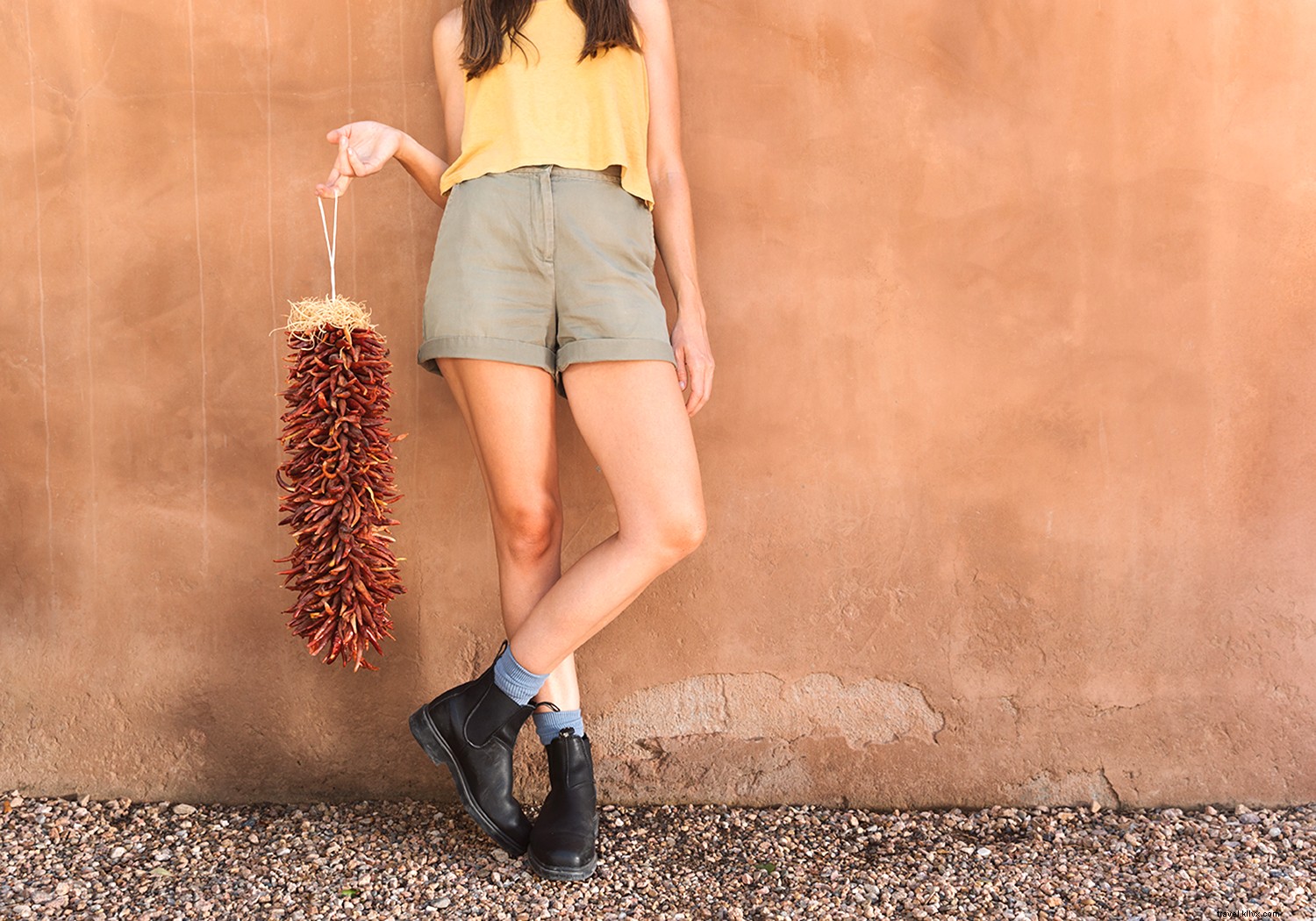
Introduced by Spanish explorers in the late 1500s and cultivated thereafter, green chiles thrived here. Many fields echo ancestral plots.
Locals cherish chiles, adding them to nearly every dish. Expect "red or green?"—green for heat, red sweeter, or "Christmas" for both.

Embrace chile with every meal: Start at Café Pasqual's for breakfast burritos (eggs, potato, gruyere, green chile).
Lunch at The Shed for acclaimed red chile Frito pie (beef, onion, cheddar, beans) or green chile stew (potato, chile, garlic, pork).
Dinner: Green chile cheese dosa at Paper Dosa.
End with a Norteno Margarita (green chile-infused) at Coyote Cantina rooftop bar.