Where to Stay on Lake Atitlán: Best Towns, Vibes & Hotels for Every Traveler
Visiting Guatemala? Lake Atitlán (Lago de Atitlán) is an unmissable highlight. Its breathtaking scenery has mesmerized ancient Maya, Aldous Huxley, 1970s hippies, and today's discerning travelers. With diverse towns lining its shores—each boasting unique character—selecting the ideal base enhances your experience. Our expert guide spotlights top spots, vibes, must-sees, and trusted accommodations to secure your perfect lakeside haven.
Panajachel

In a nutshell: Shop by day, party by night with locals.
Vibe: Known as “Pana,” this hub offers prime connections to Guatemala City and robust tourist amenities. It draws Guatemalan weekenders, tour groups, and expat retirees. Calle Santander buzzes on weekends and holidays but quiets midweek.
Best for: Shopping, nightlife, dining, and transport.
Don’t miss: Lakeside sunset drinks—volcanoes silhouetted against the glowing sky create magical moments.
Biggest turnoff: Pushy street vendors.
Where to stay
Budget: Mario’s Rooms. Clean, friendly, and traveler-favorite in the heart of town.
Mid-range: Posada Los Encuentros. Eco-friendly B&B with charm on town's edge.
Luxury: Hotel Atitlán. Elegant grounds, lake-view rooms, and top comforts.
Santiago Atitlán
In a nutshell: Tradition and community in the lake’s largest town.
Vibe: A vibrant indigenous hub, blending local life with emerging tourism along the main street.
Best for: Authentic culture, backstrap weaving, and men in traditional attire—rare in modern Guatemala.
Don’t miss: Maximón, the Mayan-Christian saint whose effigy relocates yearly. Locals or kids can guide you; offer cigarettes, liquor, or candles.
Biggest turnoff: Scarce lodging choices.

Where to stay
Budget: Hotel Ratzán. Central, comfy rooms shine for value.
Mid-range: Posada de Santiago. Rustic-chic, American-owned with gardens and views.
Luxury: Hotel Bambú. Sustainable luxury in a serene lakefront with pebbled paths.
San Pedro La Laguna
Vibe: Tourist-friendly waterfront meets traditional Maya uphill; attracts hippies and backpackers.
Best for: Spanish schools, volcano hikes, fellow travelers.
Don’t miss: Summit San Pedro Volcano for 360° vistas.
Biggest turnoff: Late-night drum circles.
In a nutshell: Backpacker haven—plan a week, linger longer.
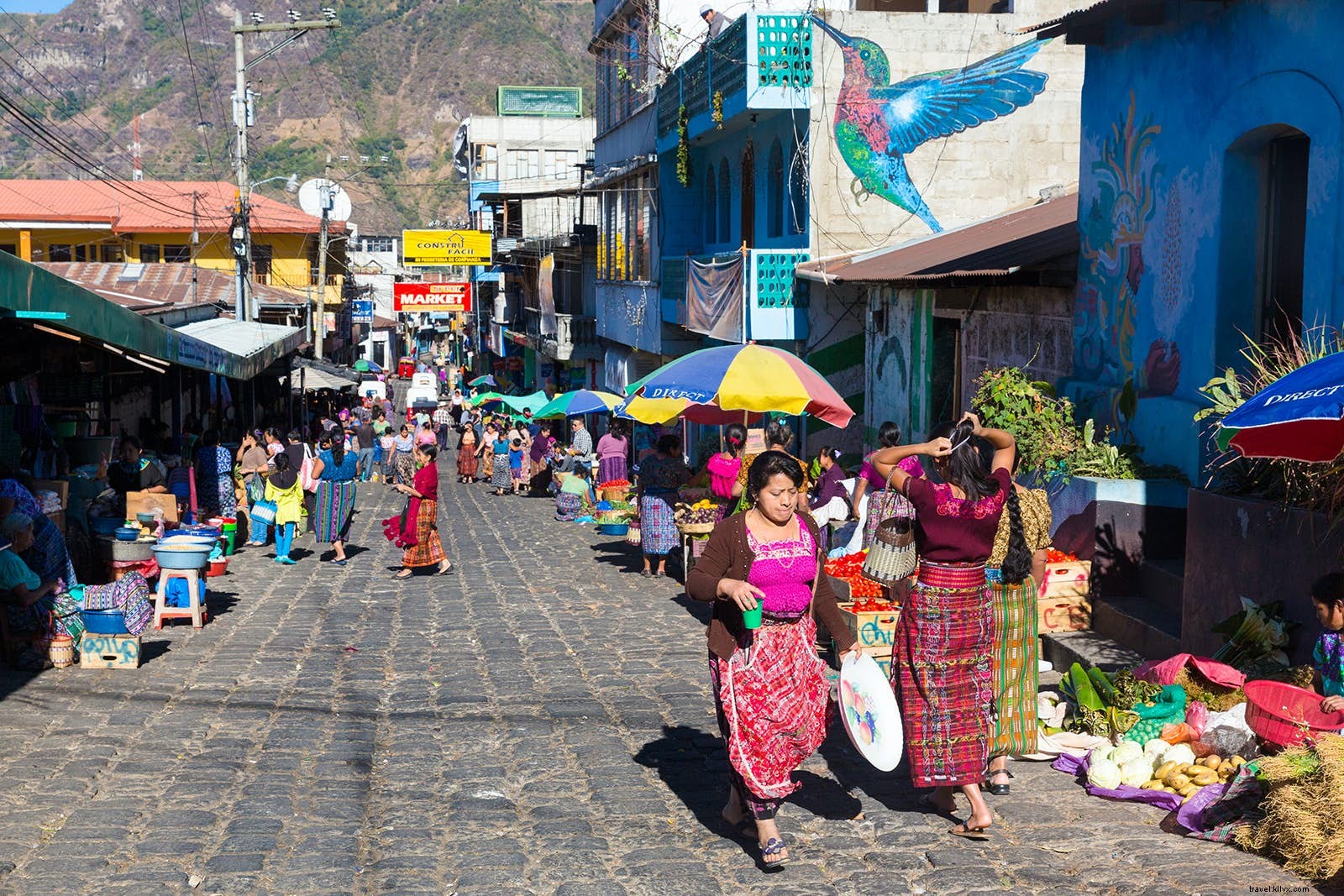
Where to stay
Budget: Hostel Fe. Elevated dorms, doubles, deck, and party boat.
Mid-range: Mikaso Hotel. Colonial style, rooftop bar with views.
Luxury: Mikaso or eco-luxury Hotel Sak’cari El Amanecer with pool.
San Marcos La Laguna
In a nutshell: Yoga, massages, and ultimate tranquility.
Vibe: Pedestrian paths through coffee groves foster deep relaxation.
Best for: Wellness, yoga, alternative therapies.
Don’t miss: 10m cliff-jump platform into the lake.
Biggest turnoff: Overly mellow for high-energy types.
Where to stay
Budget: Hostel San Marcos. Lush dorms and rooms.
Mid-range: Posada del Bosque Encantado. Unique rooms, garden, temazcal sauna.
Luxury: Lush Atitlan. Stylish rooms with private lake-view balconies.
San Juan La Laguna
In a nutshell: Emerging gem on the western shore.
Vibe: Mellow village evoking the lake’s pre-tourism past.
Best for: Village life, weaving co-ops, hiking base.
Don’t miss: Backstrap loom demonstrations at cooperatives.
Biggest turnoff: Basic tourist facilities.
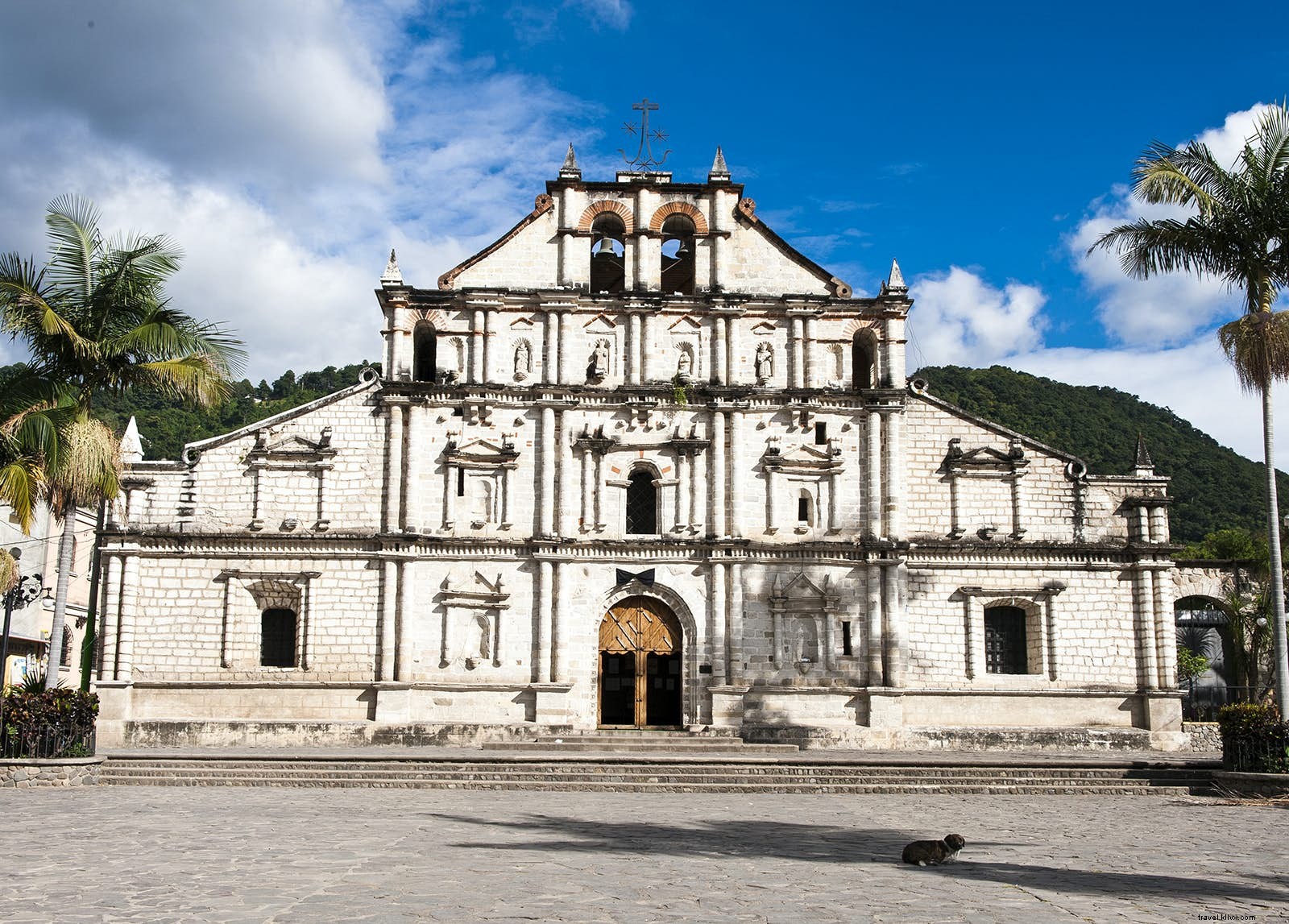
Where to stay
Budget: Hotel Pa Muelle. Pristine rooms in prime spot.
Mid-range: Hotel Chi-Yá. Cozy lake-view cabins.
Luxury: Uxlabil Eco Hotel. Dramatic views, ambiance, excellent dining.
Other towns

These towns offer abundant lodging, but secluded alternatives abound:
Santa Cruz La Laguna: Remote resort with scuba and community.
Jaibalito: Boat-access cliff hotels.
San Lucas Tolimán: Isolated between lake and volcano.
San Antonio Palopó: Photogenic village famed for woven headdresses.
Getting around
Tuk-tuks suit short trips. Roads encircle most of the lake, but boats provide scenic speed—morning sailings avoid choppy afternoons. Walking links some towns; seek local safety advice and travel light.

Getting there & away
Panajachel is the gateway; boat out from there. Western villages use trucks or buses. Shuttles reach Guatemala-wide spots—book established operators, avoid nights and street deals for safety.