Discover 10 Unmissable Natural Wonders in Oman
Nestled in the southeastern Arabian Peninsula, Oman has long been shielded by its towering mountains, vast deserts, and pristine seas. These same features now draw adventurers to some of the world's most spectacular natural sites. From the planet's largest sand desert to rare sea turtles, ancient baobab trees, and unique pillow lavas, Oman's treasures are accessible, affordable, and awe-inspiring.

Wadi Ghul: Arabia's Grand Canyon
Perched on the southern slopes of Jebel Shams, Oman's highest peak in the Hajar Mountains, Wadi Ghul boasts a 1,000m-deep gorge rivaling the Grand Canyon. Layered limestone and shale form its dramatic walls. Experience the vertigo from the 6km Balcony Walk, starting at Al Khateem's rough road end and leading to a haunting 1970s-abandoned village.
Earth's Mantle Exposed in Muscat
Muscat's vibrant waterfront is framed by rugged, dark-brown hills—rare exposures of Earth's mantle thrust onto the Arabian Peninsula 90 million years ago. Climb the Portuguese-built Mutrah Fort or walk 1.5km east along the Corniche to a stone watchtower for panoramic ocean views.

Snake Gorge
Oman's top canyoneering adventure, Snake Gorge is a narrow slot where walls are touchable on both sides. Starting near Bilad Sayt's terraces in Wadi Bani Awf, the 3km route involves swimming, jumping, abseiling, and boulder scrambling amid polished limestone. Muscat guides provide gear and expertise.

Al Hoota Cave
The Arabian Peninsula's only show cave, Al Hoota near Al Hamra features stunning stalactites, bacon-like formations, and popcorn textures. A short electric train leads to 45-minute tours of the first 500m in 95-million-year-old limestone. Discover unique blind cave fish and a delicate ecosystem.

Beehive Tombs
Near rock-climbing haven Jebel Misht, Bronze Age beehive tombs (3000-2000 BC) rise 7m from ancient seafloor sandstone. Above Al Ayn village, they form part of a World Heritage site—one of the world's most intact 3rd millennium BC settlements.
Ancient Pillow Lavas
Northern Oman's pillow lavas—bulbous rocks from 95-million-year-old underwater eruptions—resemble stacked black worms. Spot them along the Sohar–Buraimi highway or explore prime sites in Wadi Jizzi via Suhaylah Road, 45km west of Sohar.

Green Sea Turtles
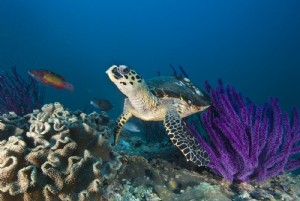
At Ras Al Jinz, Oman's eastern tip, endangered green sea turtles nest on key beaches. Guided tours at the Ras Al Jinz Turtle Reserve let you witness these ancient mariners lay eggs and return to the sea, despite modern threats.
Baobab Trees
Rare outside Africa, baobabs thrive in Dhofar's arid valleys near Salalah. East of Wadi Darbat's waterfall, spot their bottle trunks and oval fruits—200 trees nicknamed 'upside-down' or 'dead rat' trees.

Sharqiya Sands
This vast sand sea, shaped by winds, features megadunes perfect for sandboarding and offroading. Southern grains hail from the coast; northern from Hajar wadis. Bedouin camps offer immersive stays.
Empty Quarter
The Rub Al Khali, Earth's largest continuous sand desert (660,000 sq km), holds half the Sahara's sand. Oman's share has shifting linear dunes and salt flats. Overnight Salalah tours include dune bashing, camel treks, sunsets, and starlit skies.