
10 Breathtaking Natural Wonders of Virginia: Must-Visit Outdoor Gems
Virginia is a treasure trove of stunning natural landmarks that rival the world's greatest wonders. No passport required—simply pack your bags and explore the Commonwealth's top 10 natural attractions, offering unparalleled beauty and adventure for all ages.
LURAY CAVERNS – LURAY
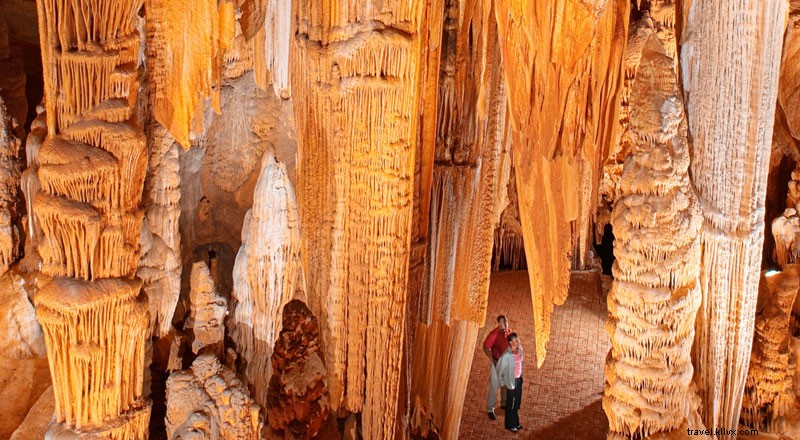
Dubbed "Geology’s Hall of Fame," Luray Caverns is the largest and most popular cave system in Eastern America. Discovered in 1878 and designated a Registered Natural Landmark, it features soaring chambers up to 10 stories high. Marvel at Giant’s Hall with its towering columns and crystal-clear pools, or experience the Stalagpipe Organ, the world’s largest musical instrument made from stalactites. Virginia's eight caverns offer endless underground exploration.
NATURAL BRIDGE – NATURAL BRIDGE
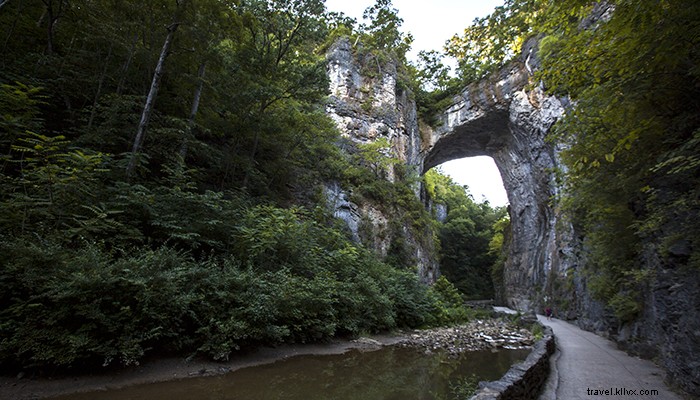
Featured on historic "Seven Natural Wonders of the World" lists, this iconic arch formed from a collapsed cavern spans impressive heights. Legend says young George Washington surveyed it for Lord Fairfax, carving his initials into the rock. Thomas Jefferson bought the site for 20 shillings before the Revolution. Now privately owned, end your visit with the timeless Drama of Creation light show, commissioned in 1927 by President Calvin Coolidge.
NATURAL TUNNEL STATE PARK – DUFFIELD
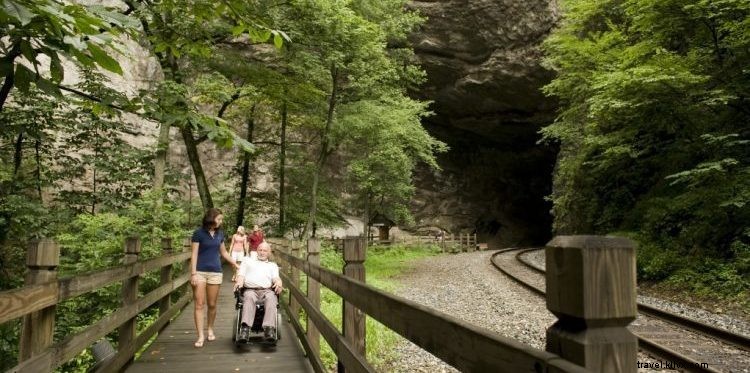
Once called the "Eighth Wonder of the World," this 850-foot-long tunnel through a limestone ridge took over a millennium to form, reaching heights of 10 stories. One of Virginia’s 37 state parks, it offers guided cave tours and scenic canoe trips on the Clinch River.
WESTMORELAND STATE PARK – MONTROSS
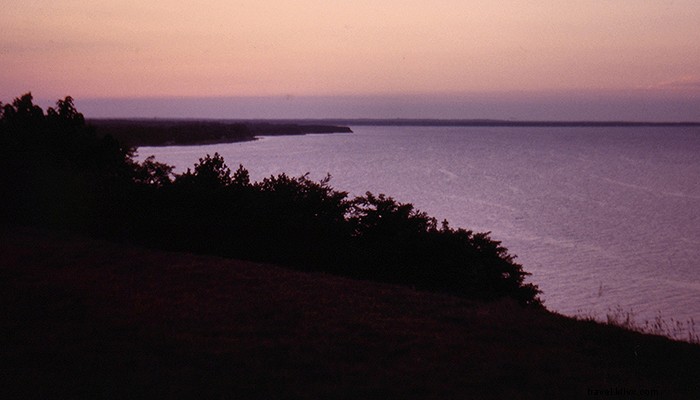
Nestled on the Potomac River's Northern Neck, Westmoreland State Park dazzles with Horse Head Cliffs' panoramic views. Hunt for ancient shark teeth along the shoreline, swim in the Olympic-sized pool, or boat and fish. Birdwatchers spot bald eagles, kingfishers, great blue herons, and ospreys in abundance.
BURKES GARDEN – TAZEWELL
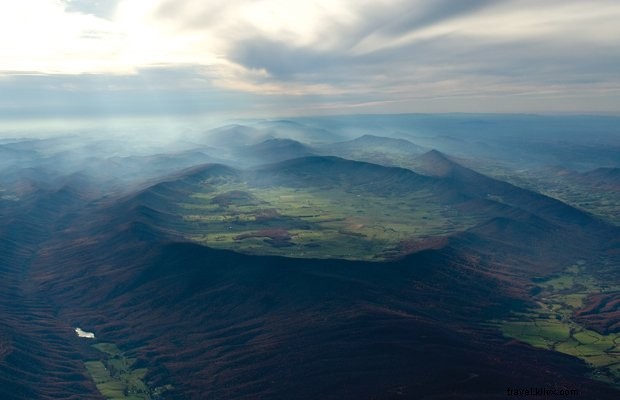
Virginia's highest valley and largest rural historic district, Burkes Garden resembles "God’s Thumbprint." This bowl-shaped haven evokes simpler times with its focus on farming, faith, and learning. Enjoy hiking, biking, birdwatching, historic gravestones from the 1700s at Central Lutheran Church, and Appalachian Trail overlooks.
THE NEW RIVER – SOUTHWEST VIRGINIA
 Photo Credit: Randy Rose
One of the world’s five oldest rivers at 320 miles long, the New River dates back 65 million years and uniquely flows south to north through North Carolina, Virginia, and West Virginia. Southwest Virginia’s stretch provides stunning scenery plus whitewater rafting, kayaking, tubing, and fishing.
BREAKS INTERSTATE PARK – BREAKS
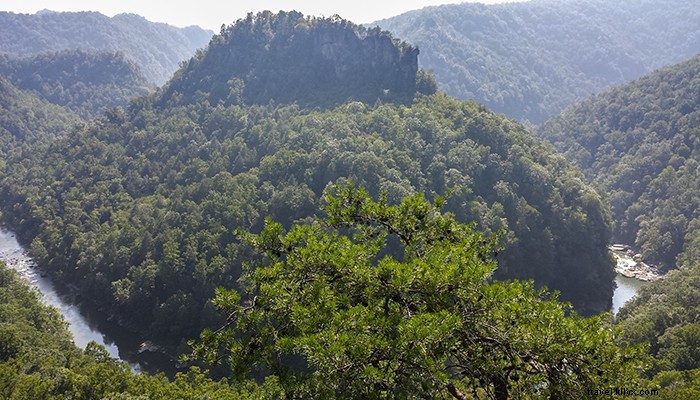
Known as the "Grand Canyon of the South," this park on the Virginia-Kentucky border was explored by Daniel Boone in 1767. Hike or bike tranquil trails, canoe on Laurel Lake, geocache with family, or stay in motels, cottages, or cabins year-round.
GREAT DISMAL SWAMP – CHESAPEAKE & SUFFOLK
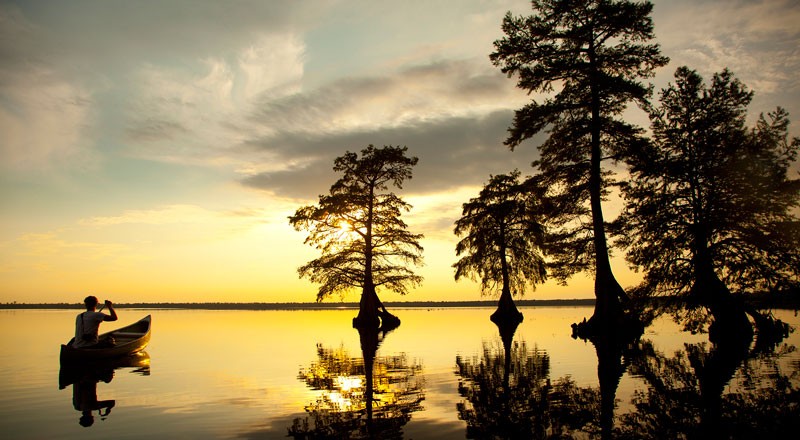
The largest remnant of a million-acre wetland, donated to The Nature Conservancy in 1973 and now a National Wildlife Refuge. Activities include hunting, fishing, photography, and environmental education amid rich biodiversity.
SAND CAVE – EWING
In Cumberland Gap National Historical Park, Sand Cave boasts a vibrant ceiling of golds, reds, and greens over a vast sandy floor. Reach it via a 3.9-mile trail highlighting Southwest Virginia’s beauty, culminating in a photographer’s dream.
GREAT FALLS PARK – MCLEAN
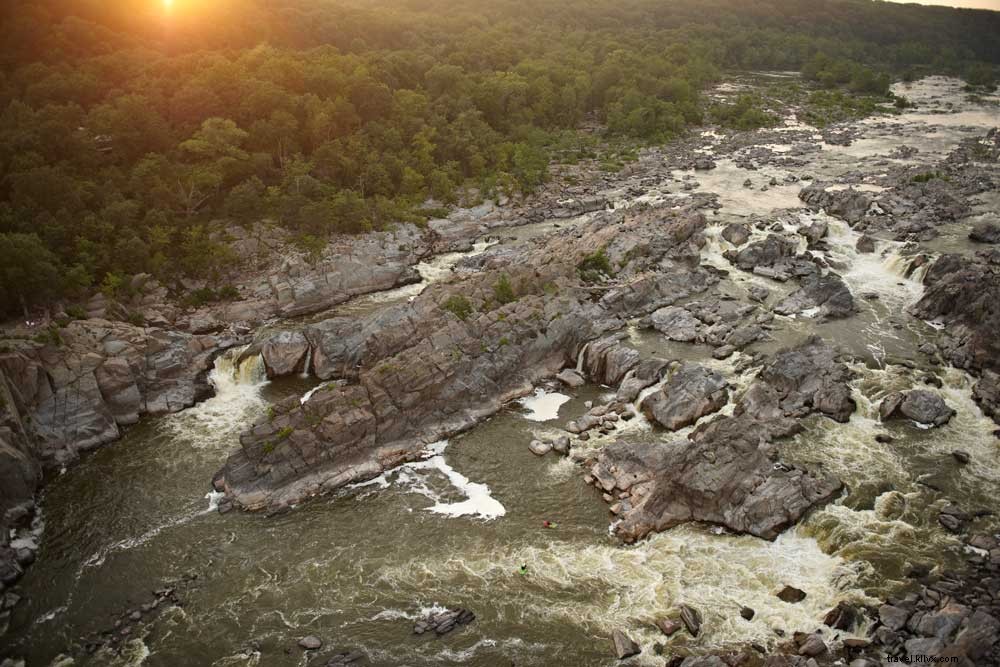
Just 15 miles from Washington, D.C., this Potomac River gem in the George Washington Memorial Parkway dates to 10,500 B.C. Witness dramatic falls and wildlife; kids 5+ can join the Junior Ranger Program for interactive learning.