Historic Hotels in Israel and Palestine: Repurposed Prisons, Hospitals, and Villas into Luxury Stays
While some travelers prefer not to dwell on the past occupants of their hotel rooms, a new generation of boutique hotels in Israel and Palestine is transforming historic buildings—such as hospitals, villas, and even prisons—into luxurious suites and spas. These properties attract guests who seek accommodations rich with compelling historical narratives.
Scattered across the region, these upscale lodgings masterfully blend authentic patina and timeless charm with modern amenities unavailable to the structures' original inhabitants. Amid an abundance of aged architecture, repurposing them as hotels provides a viable path for preservation, offsetting the high costs of restoration that burden individual owners. Whether staying overnight or savoring a drink at the bar, these Israeli and Palestinian hotels are destinations unto themselves, offering immersive historical experiences.

The Jaffa, Jaffa, Tel Aviv
Perched on a hill with sweeping views of the Mediterranean Sea and Jaffa port, this neoclassical gem was built in the 19th century as a French hospital and later served as a convent. Since mid-2018, following meticulous restoration, it has reopened as The Jaffa—a luxurious hotel and residences. The fusion of eras shines in the modernist lobby, where a 13th-century Crusader bastion wall complements chrome accents and mid-century orange lounge chairs. It's especially evident in The Chapel, now a stylish bar featuring sangria amid stained-glass windows.

The Setai, Jaffa, Tel Aviv
For years, the window of Jaffa's Kishle prison cell (Turkish for 'jailhouse') was sealed with concrete to prevent vigilante acts. Now cleared, it offers guests of The Setai—a luxury hotel opened in 2018—unobstructed views of Clock Tower Square and access to one of Jaffa's best-preserved ancient sites. Originally a 12th-century Crusader fortress, this five-building compound served every occupying force and functioned as a police station until 2005. Today, highlights include a rooftop infinity pool with ocean sunsets and a subterranean Turkish hammam.

Drisco Hotel, Tel Aviv
Built in 1866 by the Drisco brothers at the edge of Tel Aviv's American Colony neighborhood, this three-story structure originally provided comfortable rooms and European cuisine for pilgrims heading to Jerusalem. Renamed the Jerusalem Hotel, it offered respite on arduous 19th-century journeys. It later served as British military headquarters, immigrant housing, and the Israeli Ministry of Education before abandonment in the 1960s. A decade-long restoration revived it as the Drisco Hotel in 2018, honoring its founders.

Efendi Hotel, Akko
The Efendi Hotel exemplifies adaptive reuse: two Ottoman palaces atop Byzantine foundations have been reimagined as a boutique retreat. Adorned with period details like decorative plaster, frescoes, and vaulted ceilings, it stands out in Akko's labyrinth of ancient stone arches and narrow alleys. It's also a culinary haven, helmed by renowned restaurateur Uri Jeremias, whose acclaimed seafood spot Uri Buri is nearby.
Dar Sitti Aziza, Bethlehem
This Ottoman-era merchant's house, with its camel-wide front door, now welcomes travelers near the Church of the Nativity. Owned by the same family for generations and named for matriarch Aziza Shaheen, it offers nine rooms preserving their original purposes—like former horse stables and the ornate Bride of Bethlehem chamber. Breakfast on the terrace features homemade date-semolina cakes, Turkish cardamom coffee, fresh za'atar bread, local cheeses, and vegetables.

American Colony Hotel, Jerusalem
Room 1 was once Ottoman pasha Effendi El Husseini's bedroom, with separate winter and summer quarters for his four wives. Childless at his 1894 death, the estate became a hotel, ideal for its roomy courtyard. First purchased by American and Swedish spiritualists who turned it into a guesthouse, it remains a favorite of diplomats and discerning travelers—named for its pioneering residents. Non-guests can visit the vaulted Cellar Bar, formerly the dairy.
Talitha Kumi Guest House, Beit Jala
From its Beit Jala hilltop, Talitha Kumi Guest House overlooks Bethlehem's valleys, Jordan (on clear days), and its UNESCO-associated school, founded by 19th-century German missionaries. Evolving from a girls' school, it now includes an inn supporting education. Surrounded by lush greenery and vineyards, it offers modest rooms, generous traditional meals, and serene views.

Villa Brown, Jerusalem
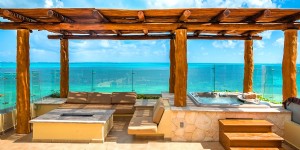
Early 20th-century physician Dr. Isaac D’Arbela built this stone villa across from his clinic. Now a central oasis near the Old City, Villa Brown exposes original stone walls, adds two floors, and contemporary flair like complimentary bikes and a rooftop spa with jacuzzi—perfect for wellness.
Scots Hotel, Tiberias
In the early 1900s, Church of Scotland missionary Dr. Torrance established a hospital by the Sea of Galilee, treating all faiths. Obsolete with modern facilities, it reopened in 2004 as the Scots Hotel, with canopy beds, spa, and a welcome scotch. Dr. Torrance's grave overlooks the pool.
Get more travel inspiration, tips and exclusive offers sent straight to your inbox with our weekly newsletter. Make the most of your travel with sightseeing tours and activities from our trusted partners.