
Surfing Easter Island: Epic Waves, History, and Lessons on Rapa Nui
Renowned globally for its enigmatic moai stone statues rising like ancient sentinels, Easter Island—or Rapa Nui—holds the title of the world's most isolated inhabited island. Each year, about 75,000 visitors flock to this Polynesian gem to marvel at these iconic sculptures, yet fewer realize surfing's profound historical role on the island.
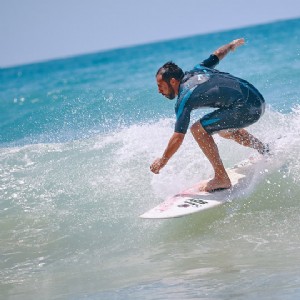
Early Polynesian settlers arrived by sea, relying on ocean resources for survival. Archaeological evidence suggests they crafted rudimentary surfboards for transportation and fishing. Modern surfing gained traction here in the early 1990s, drawing expert surfers to tackle some of the planet's largest, most rewarding waves ever since.
The prime surfing season aligns with Rapa Nui's winter: January and February, when crystal-clear swells roll in under azure skies. Year-round surfing is viable, but monitor shifting winds, sporadic rain, and tides—low tide exposes rocky shores, so opt for high-tide sessions to 'hang ten' safely.
Beginners should head to Pea Beach's shallow bay near Hanga Roa's town center. High-tide waves break gently in gin-clear waters, ideal for first-timers, with friends watching from shore. Experienced surfers can refine flips and tricks here too.
Surf lessons are casual yet expert-led. Visit the thatched shack by Hanga Roa's tourist information center, marked by bright orange walls. Local pro Mai Teao offers sessions most weekdays, weather permitting. Call ahead (09-212-0473) to book; he'll check swells, tides, and forecasts via the Chilean military outpost. A one-hour private lesson with board and wetsuit costs 20,000 Chilean pesos; groups pay 15,000 pesos per person. Half-day rentals are 10,000 pesos. Teao weaves in Rapa Nui's surfing heritage, ancient sea myths, and tribal lore for an immersive experience.
With skills honed, explore Rapa Nui's boomerang-shaped terrain. Pros favor south-side bays like Paka Ai and Papa Tangaroa. West-side spots Tahai and Mata Veri deliver Indonesia-like power: Tahai's crashes thrill, while Mata Veri's long rides suit style perfectionists. Expect ample height, airtime, and varied lines on every wave.
Practicalities
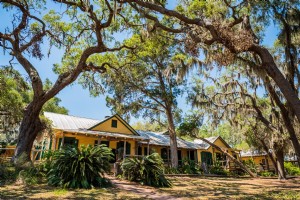
Hanga Roa Resort, Rapa Nui's premier lodging, honors tribal heritage with stone-and-lumber suites echoing Orongo village's curves on Rano Kau crater. Perched on Hanga Roa's edge—the island's sole town—it balances seclusion and walkable access to sights.
LAN Airlines connects seamlessly: six weekly flights from Santiago (none Tuesdays) and two from Lima (Wednesdays, Sundays).