
7 Historic Sites Celebrating African American Heritage in Georgia's Golden Isles
Generations of African Americans have profoundly shaped the Golden Isles through enduring folklore, culinary traditions, music, and cultural contributions that define the Georgia coast. We are honored to guide you through seven key historical sites preserving this vital heritage.
Follow in the footsteps of ancestors at these significant landmarks honoring the African American legacy of the Golden Isles.
St. Simons Island
Neptune Park
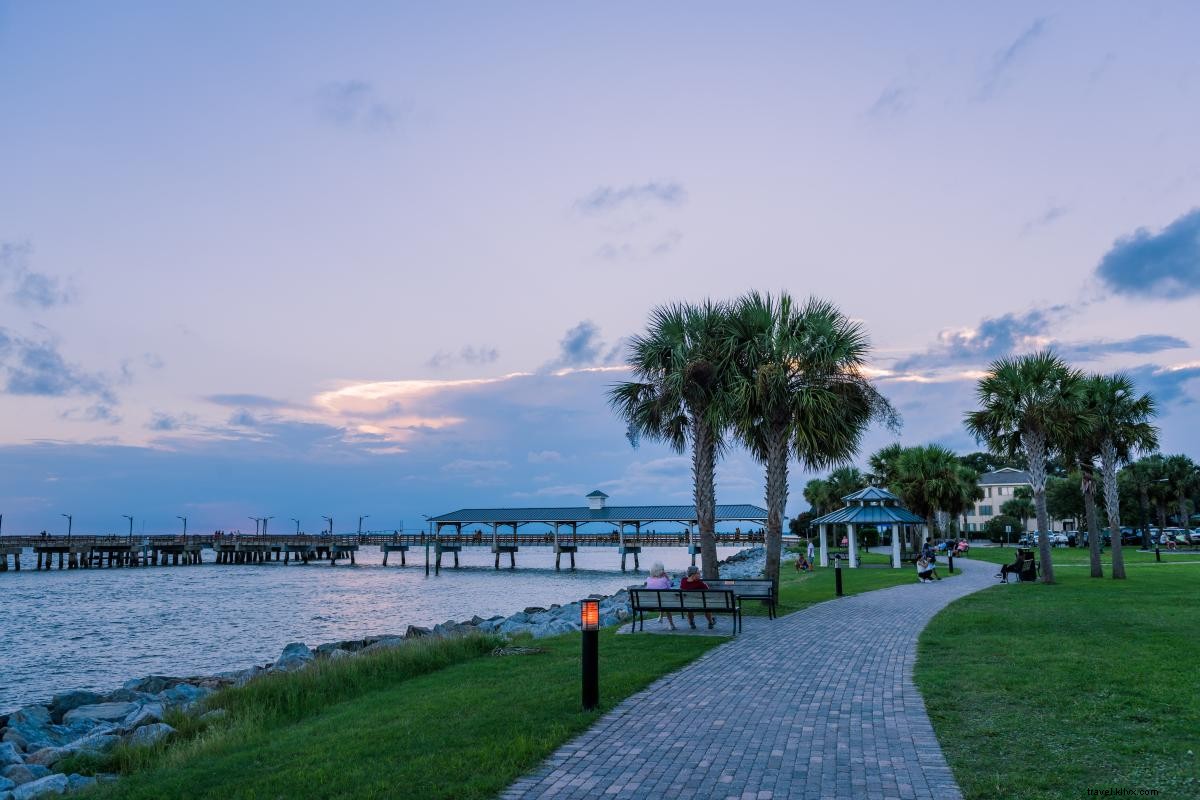
A common misconception attributes Neptune Park's name to the Roman god of the sea, but it actually honors Neptune Small, an enslaved man from Retreat Plantation (now the site of the Lodge on Sea Island). His remarkable story details how he risked his life to recover his enslaver's son's body from Civil War battlefields, earning his freedom and a plot of land believed to be near the current park. Today, this oceanfront gem features picnic areas, grills, a playground, pool, lighthouse, and pier.
Address: 110 Mallery Street, St. Simons Island | Learn more here
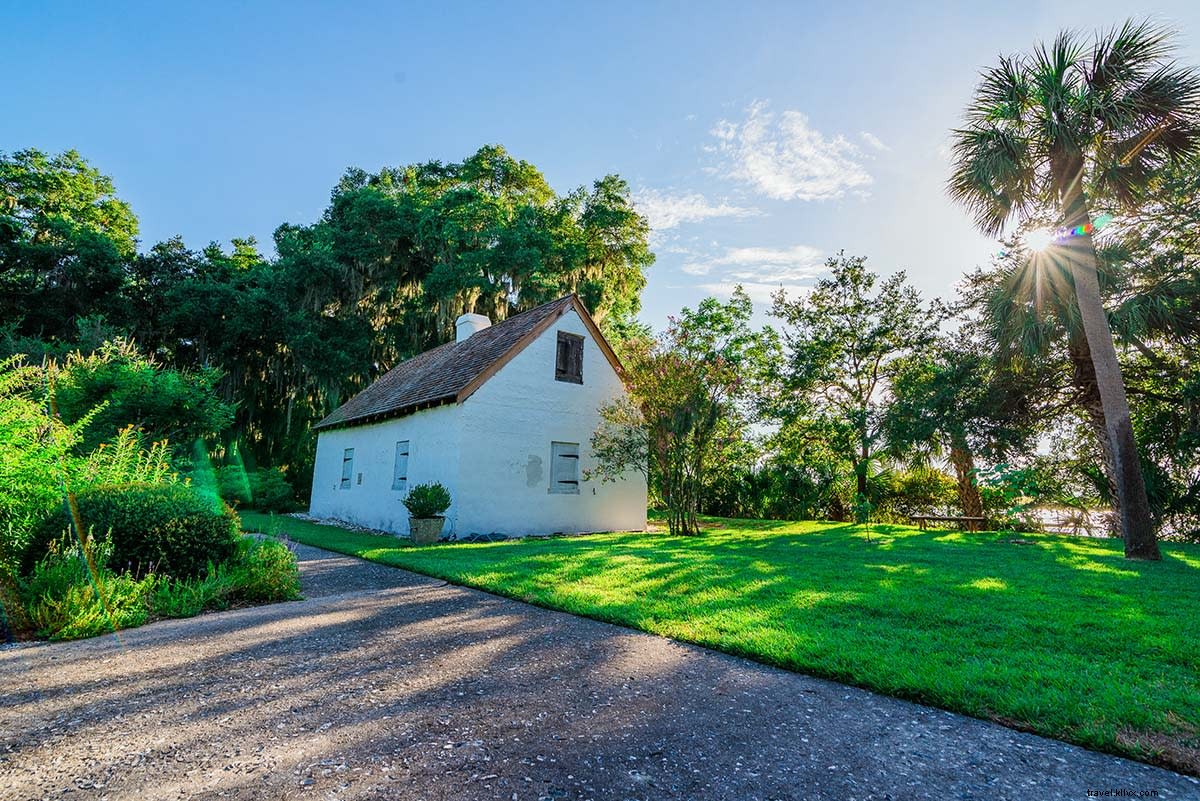
Cassina Garden Club Slave Cabins
Restored and maintained by the Cassina Garden Club, these former slave cabins from Hamilton Plantation stand as poignant relics of history. Built with original tabby—a durable mix of oyster shells, lime, sand, and water—they house enslaved laborers on a once-thriving cotton plantation and are listed on the National Register of Historic Places. Tours are free; call 912-638-1908 to visit.
Address: 100 Arthur J. Moore Drive, St. Simons Island | Learn more here
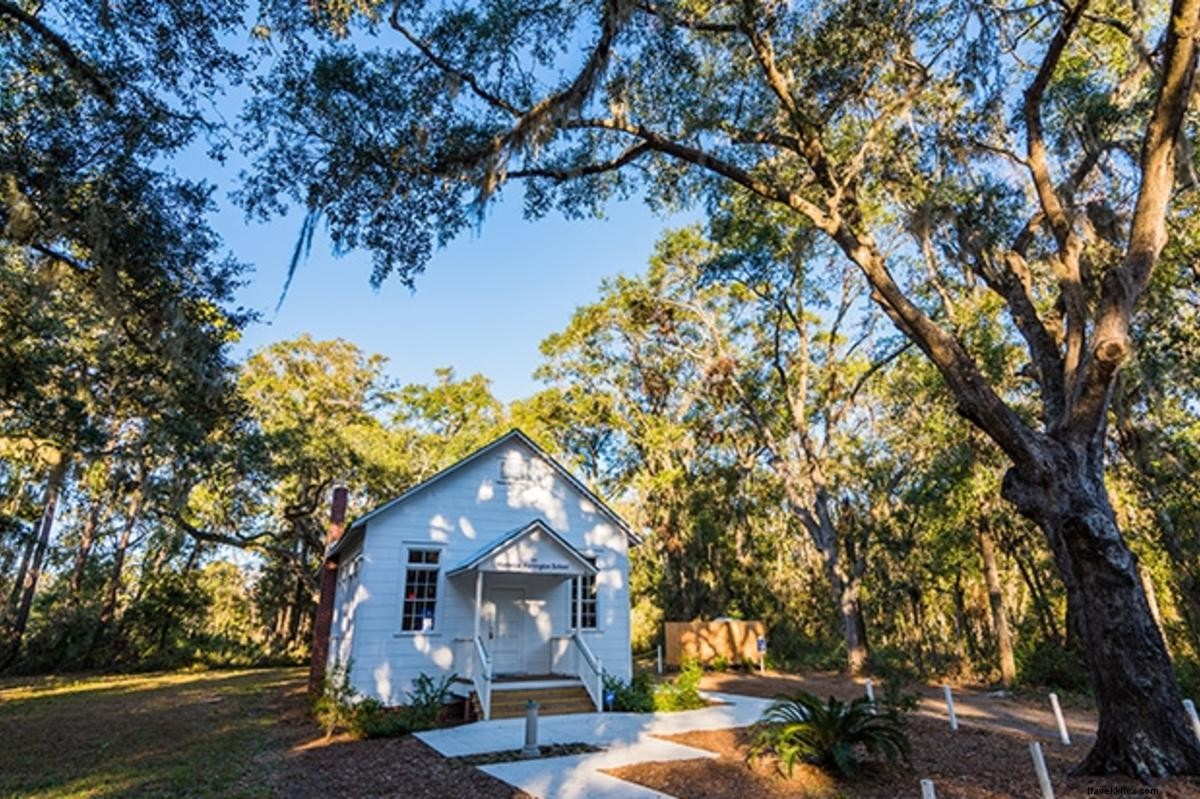
Historical Harrington School Cultural Center
Tucked among ancient live oaks at the north end of St. Simons Island, the former Harrington School—dedicated to African American children—now serves as a cultural center illuminating Gullah-Geechee heritage. Prioritize a visit, especially during the annual Georgia Sea Islands Festival in June for authentic Gullah experiences.
Address: 275 S. Harrington Road, St. Simons Island | Learn more here
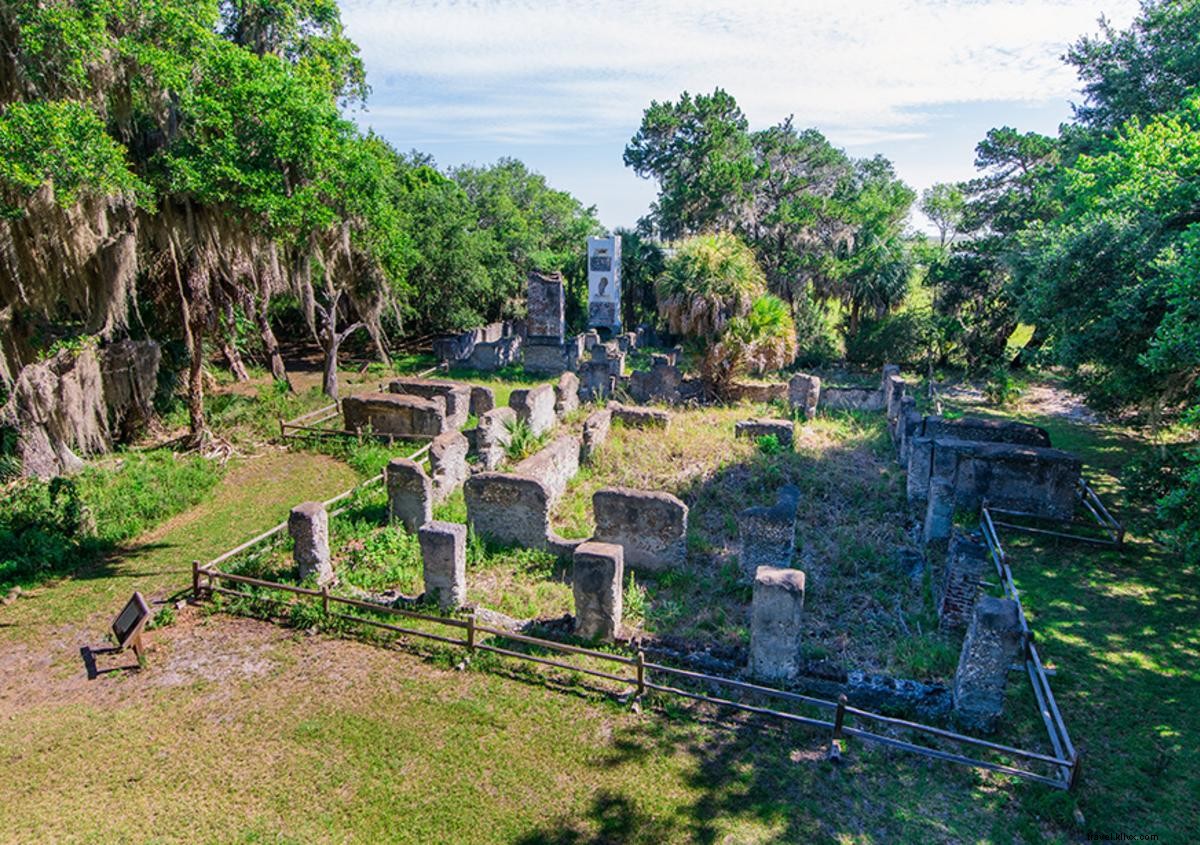
Cannon's Point Preserve
This 600-acre preserve on northern St. Simons Island preserves tabby ruins from John Couper's plantation, including the main house and slave quarters. Hike maritime forests, observe wildlife, or kayak independently. Open free to the public Saturdays, Sundays, and Mondays, 9 a.m. to 3 p.m.
Address: Lawrence Road, St. Simons Island | Learn more here
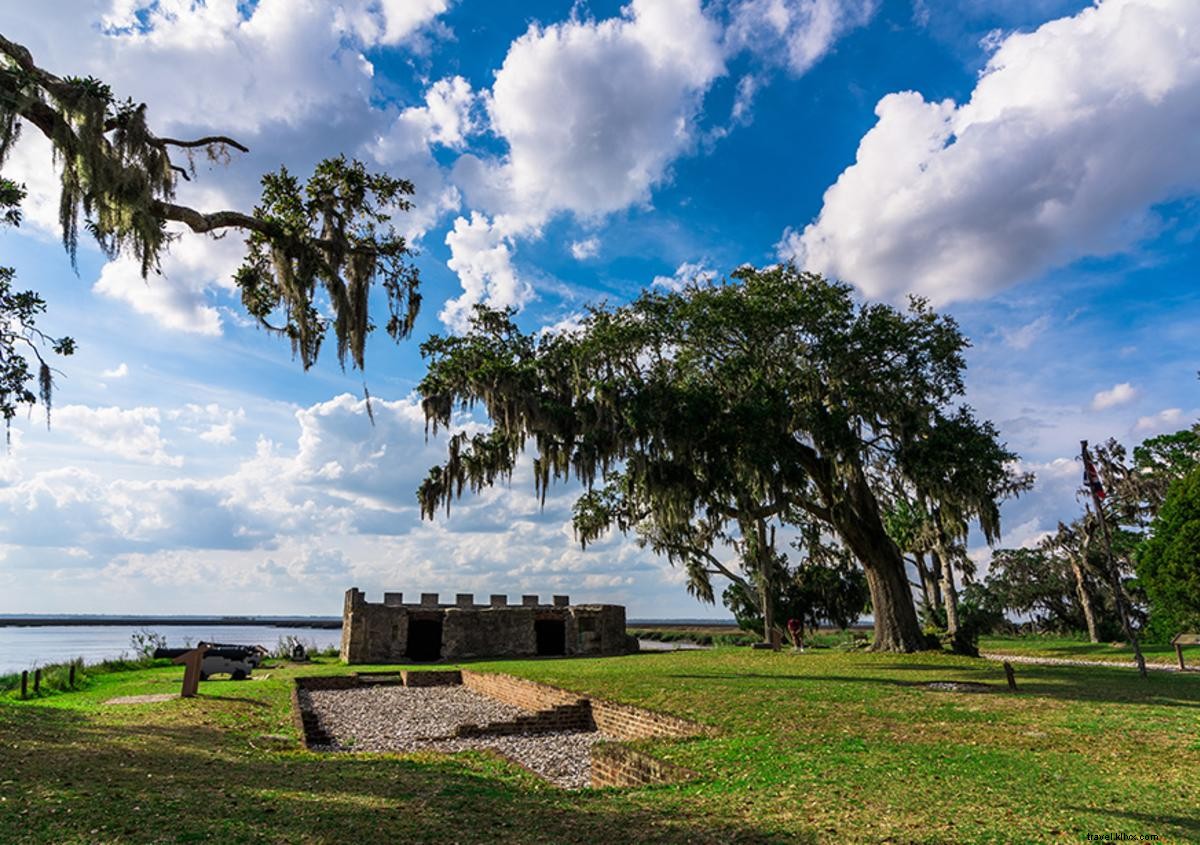
Fort Frederica
Established by European settlers, this National Park Service site features a memorial to Robert Abbott, born on St. Simons to freed slaves. Abbott founded The Chicago Defender, the nation's first major African American newspaper, fostering national unity. Explore his legacy here.
Address: 6515 Frederica Road, St. Simons Island | Learn more here
Jekyll Island
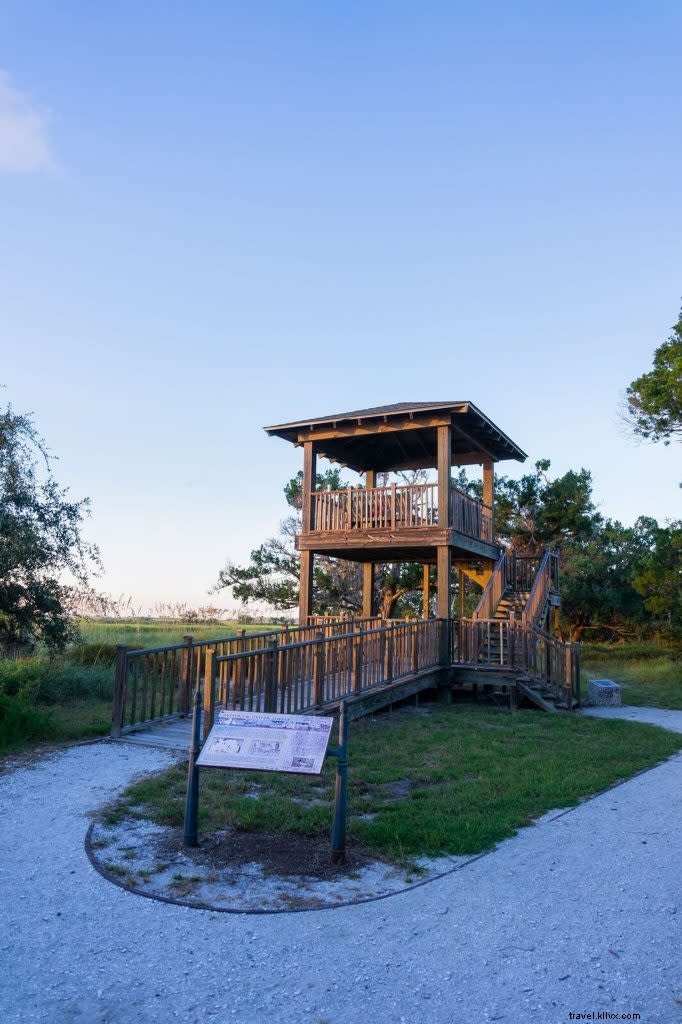 Wanderer Memory Trail
At St. Andrews Park, this trail confronts America's slavery era through the story of Umwalla, a boy aboard the Wanderer—the last known illegal slave ship to reach U.S. shores via Jekyll Island. Interactive exhibits trace his path from captivity to freedom. Visit Jekyll's Mosaic Museum for deeper insights.
Address: St. Andrews Beach Park, Beachview Drive, Jekyll Island | Learn more here
Brunswick
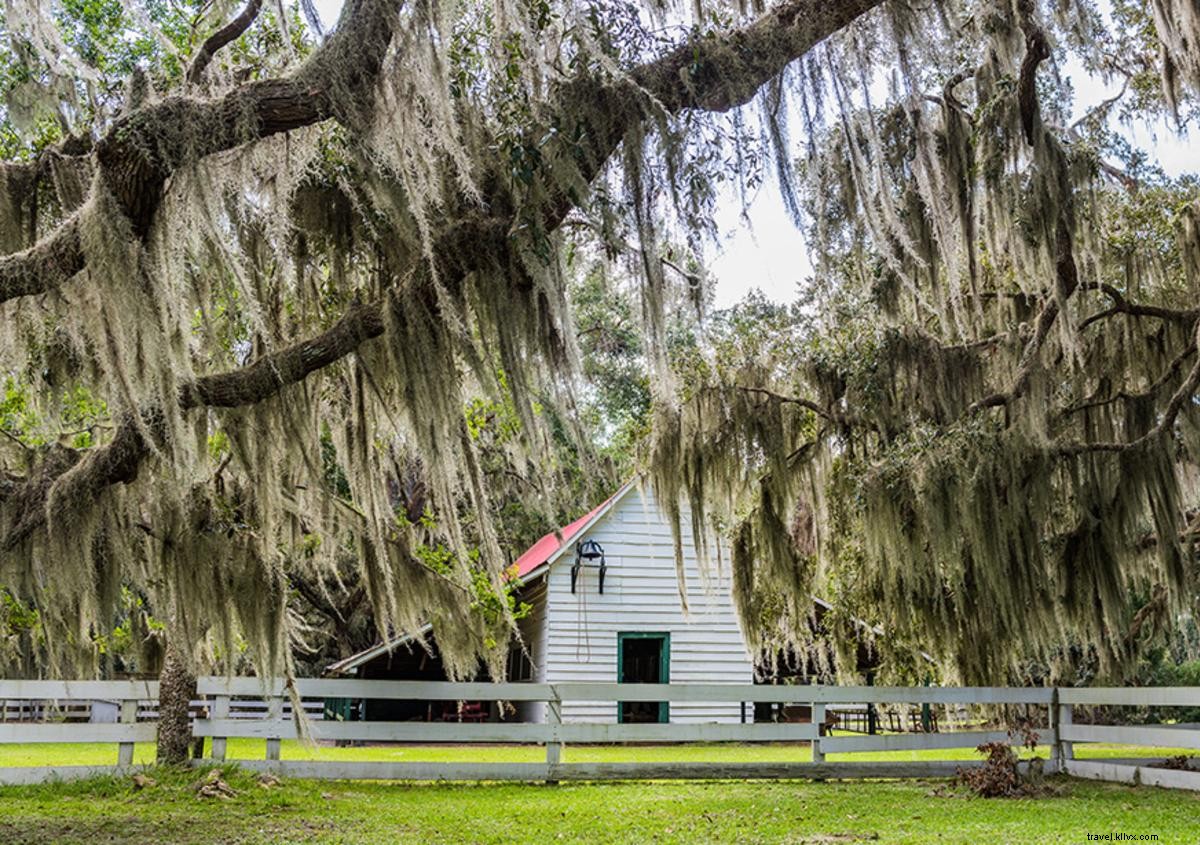
Hofwyl-Broadfield Plantation
Step back in time at this rice plantation owned by William Brailsford. Guided or self-guided tours wind through live oaks to preserved structures. The Visitor Center's exhibits and film detail the lives of those who lived and labored here.
Address: 5556 U.S. Highway 17 N, Brunswick | Learn more here
To learn more about preserving our region's African American heritage, visit the Coastal Georgia Historical Society and the St. Simons African American Heritage Coalition.
These sites offer a glimpse into the rich African American heritage of Georgia's Golden Isles. For additional insights, contact us to help expand future resources.