Shanghai's Art Deco Legacy: A Journey Through the Belle Époque
Shanghai boasts one of the world's richest collections of Art Deco architecture, blending Western influences with distinctive 'Chinese Deco.' This iconic style peaked in the 1930s, offering a window into the era's vibrant cultural fusion.
From the 1920s to the 1940s, Shanghai thrived as a cosmopolitan hub where East met West in fashion, lifestyle, and architecture. A significant expatriate community—primarily British, American, and French—resided in the city, thanks to established diplomatic concessions.
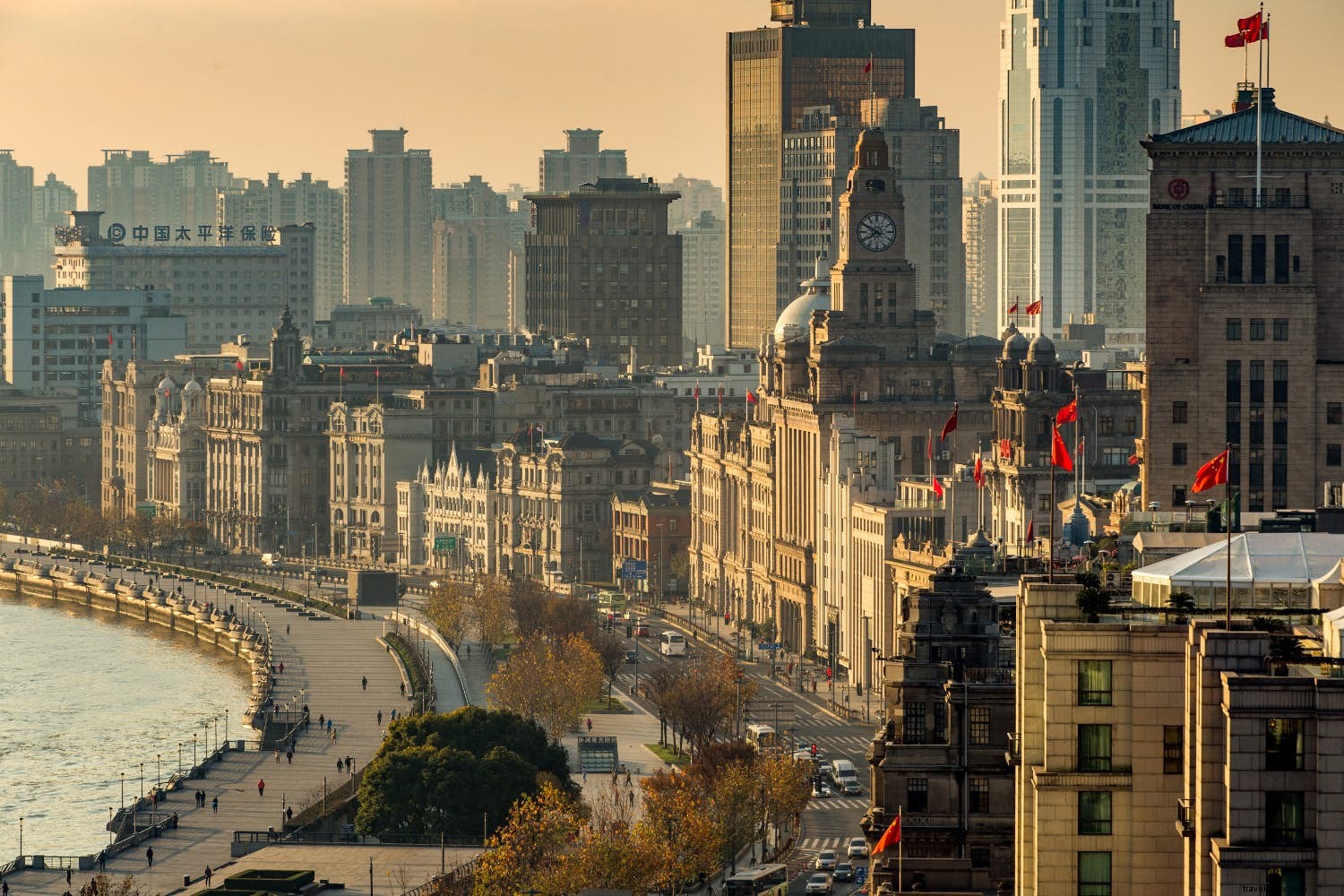
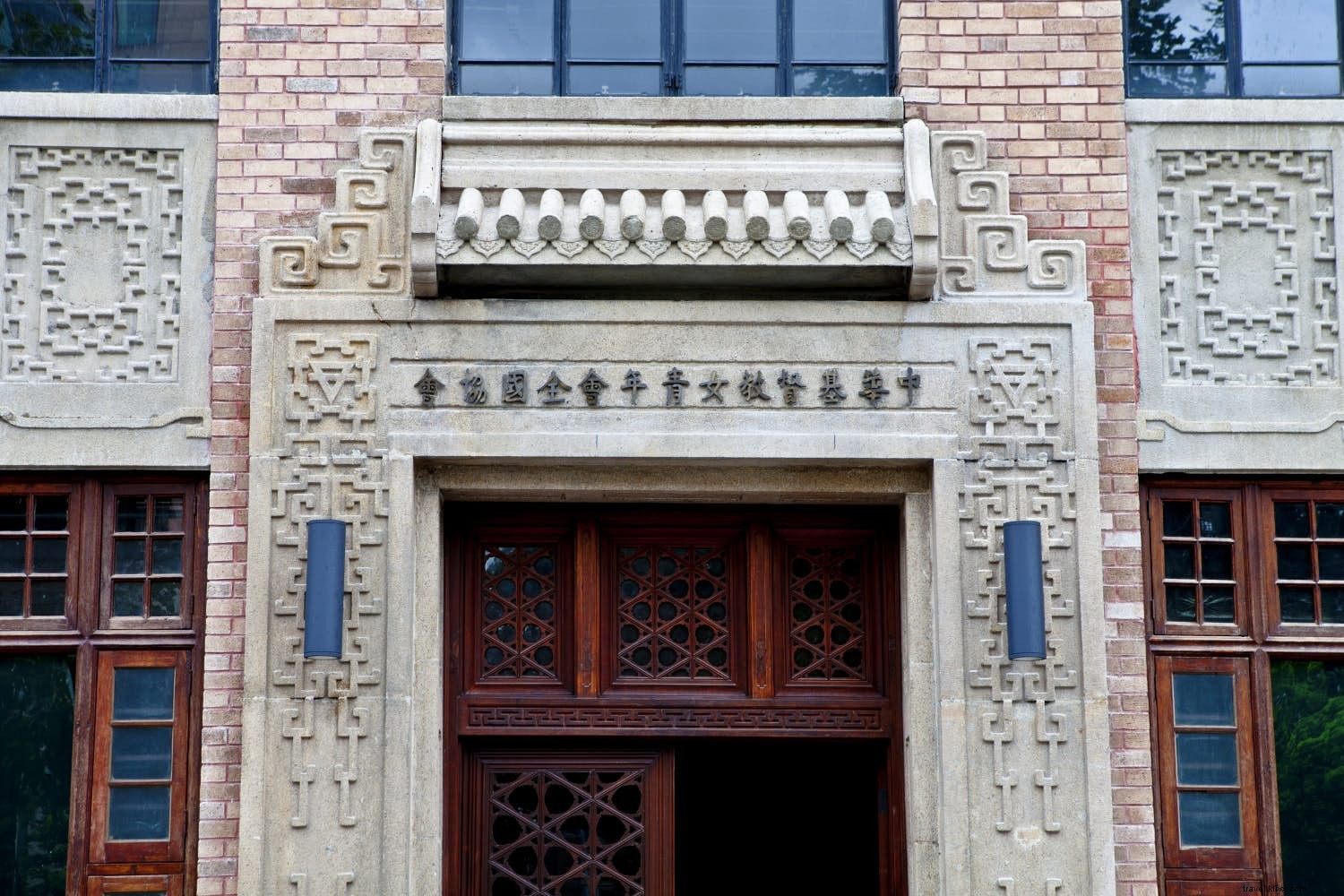
While foreign architects led early projects, Chinese graduates returning from overseas studies pioneered 'Chinese Deco' by integrating traditional elements like upturned eaves and motifs into modern designs. Many of these gems line the Bund, Shanghai's famed riverfront showcasing the finest preserved colonial architecture from the period.
This unique style extended to fashion, evident in women's glamorous wavy hairstyles and the high slits in silk qipao dresses, designed for the era's popular swing and Charleston dances.
The Bund
An enduring symbol of Shanghai, the Bund has starred in films like Skyfall and Steven Spielberg's Empire of the Sun, the latter inspired by J.G. Ballard's autobiographical novel set in 1930s-1940s Shanghai. The Puxi waterfront's colonial buildings feature striking Art Deco details.
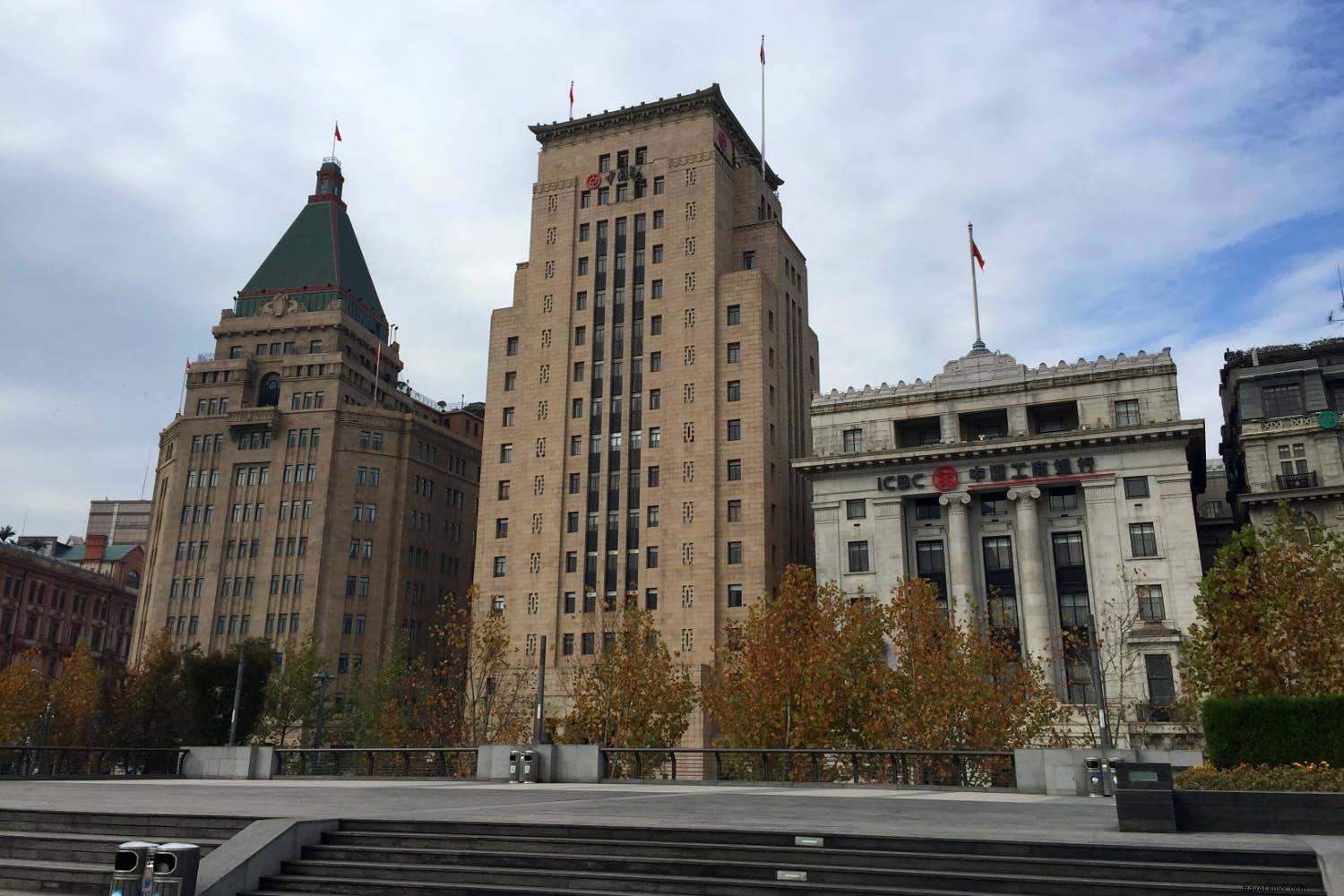
Standouts include the Waldorf Astoria Shanghai on the Bund, famed for its glamorous Long Bar; the Bank of China Building (prime Chinese Deco); and the Bank of Communications Building (No. 14 on the Bund), the last Art Deco structure completed before the People's Republic of China in 1949.
Sir Victor Sassoon, a Baghdadi Jewish businessman who relocated his empire from Mumbai to Shanghai in the 1920s, left an indelible mark with numerous Art Deco landmarks.
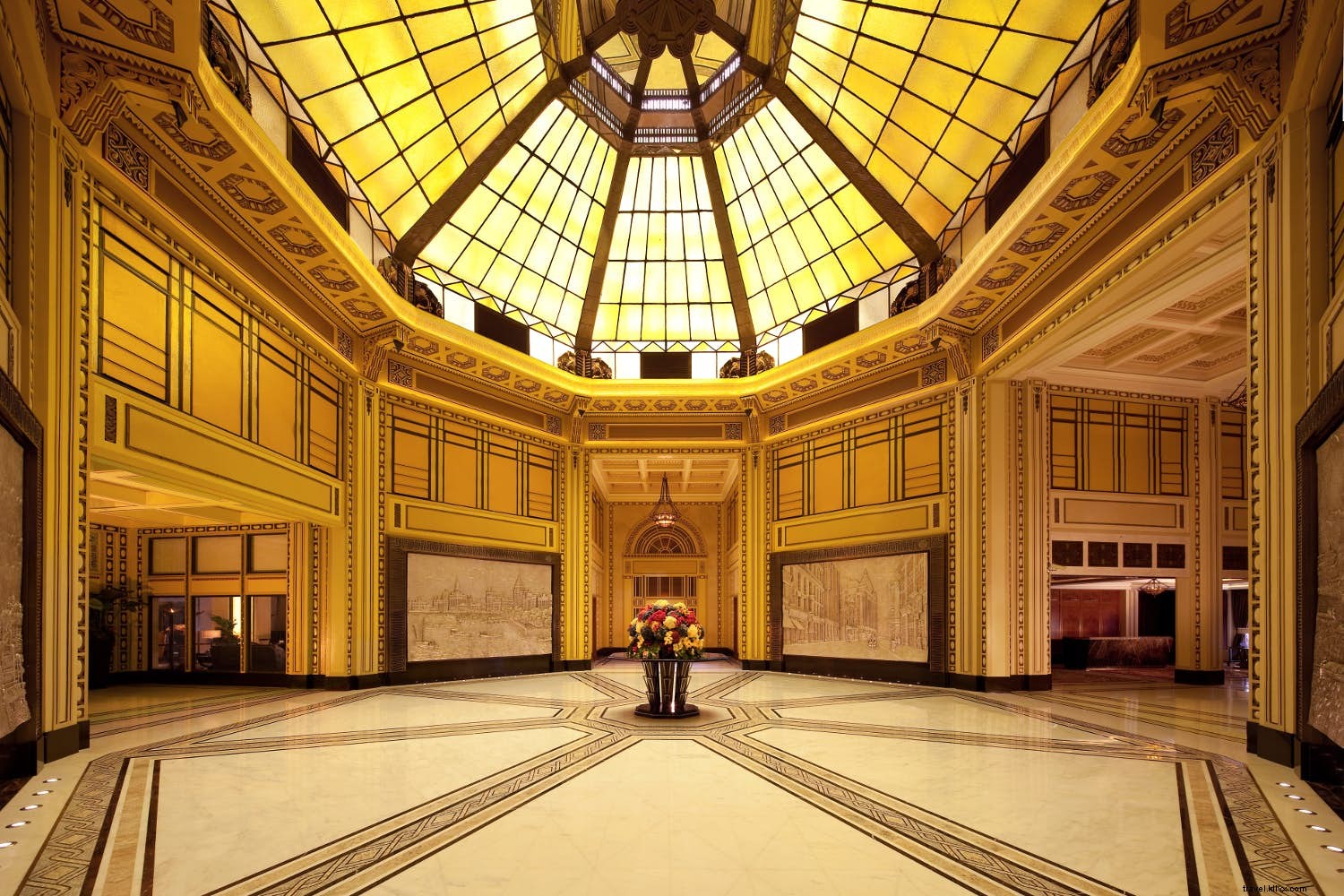
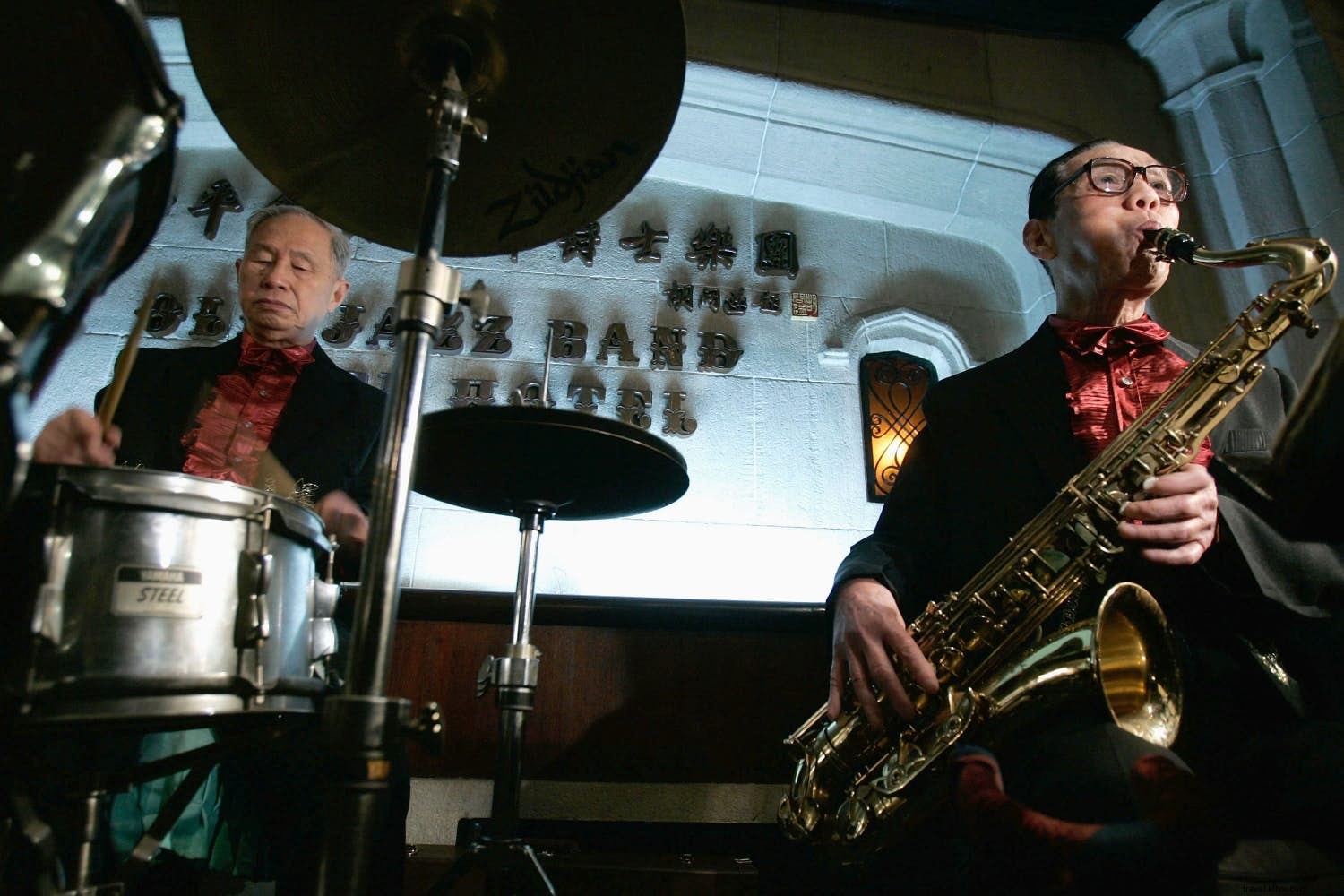
Sassoon's crown jewel is the Fairmont Peace Hotel at the Bund's north end. In its 1930s heyday, it welcomed stars like Charlie Chaplin and Noël Coward, plus diplomats. Today, savor 1930s jazz and cocktails at the Fairmont Peace Hotel Jazz Bar to relive the glamour.
Adjacent, the 1937 Bank of China Building by architect Lu Qianshou exemplifies Chinese Deco with sweeping eaves and streamlined geometry. At the south end, the Swatch Art Peace Hotel (swatch-art-peace-hotel.com) dazzles with ornate Art Deco ceilings.
Cap your Bund exploration with high tea at the Peninsula Hotel, a 2009 'echo deco' masterpiece evoking classic Art Deco just off the waterfront.
French Concession
Shanghai's most celebrated foreign enclave, the French Concession retains its early 20th-century charm, including prime Art Deco examples under French colonial rule.
The Okura Garden Hotel, once the 1926 French Club, preserves stunning interiors: rounded balconies, Jazz Age bas-reliefs, staircase railings, and a Paris-imported stained-glass ballroom feature.
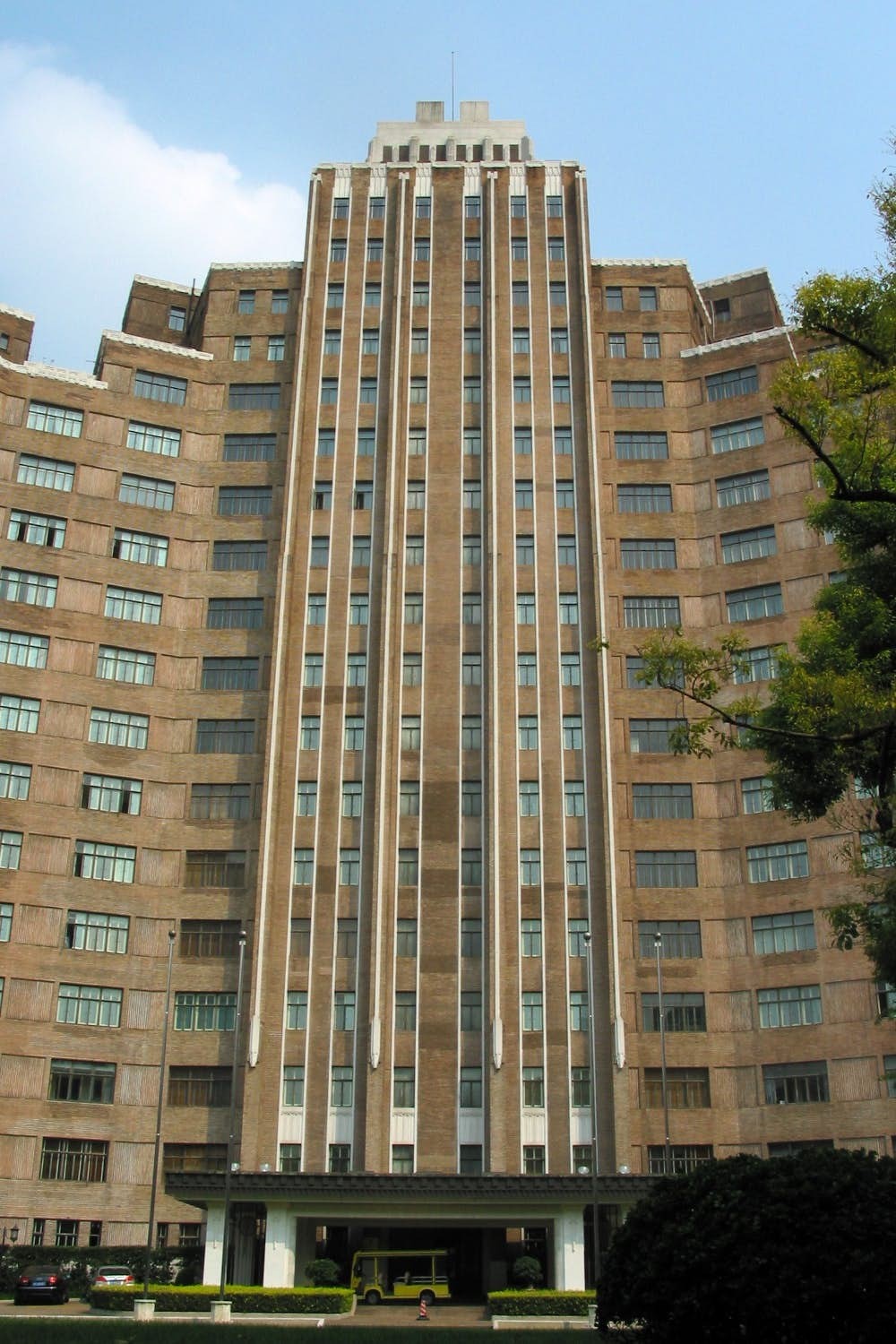
Sassoon's influence reached here too, with the Cathay Mansions and elite Grosvenor House (jinjianghotels.com) on Maoming Nanlu, still attracting VIPs and defining the skyline.
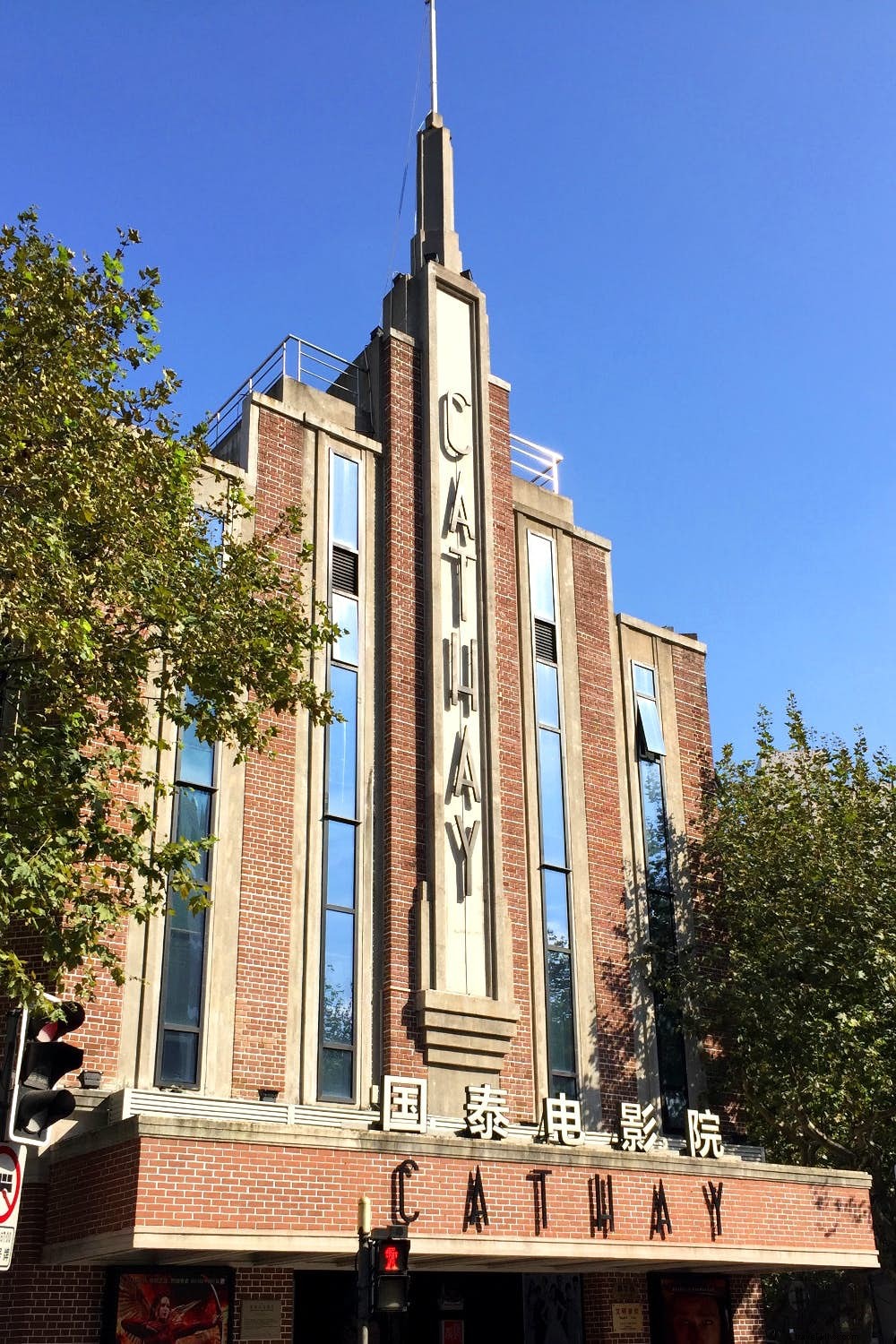
In the 1930s, 33 cinemas screened Hollywood hits; the Cathay Theatre's geometric façade endures, despite a 2003 interior renovation.
Hungarian architect László Hudec designed over 60 Shanghai buildings, many Art Deco. The 1905 Shanghai Arts and Crafts Museum (French Renaissance exterior) hides exquisite Deco interiors.
Make It Happen
Shanghai Art Deco (shanghaiartdeco.net) offers expert-led tours uncovering the stories behind these icons on the Bund, French Concession, and beyond.
Shanghai Walking Tour (shanghaiwalkingtour.com) provides neighborhood walks, including a deep dive into French Concession Deco. Historic Shanghai (historic-shanghai.com), a heritage society, hosts monthly tours and vintage film screenings.