China's Iconic City Walls: Exploring Ancient Fortifications Beyond the Great Wall
While China is renowned for its Great Wall, the country boasts numerous impressive city walls that have played a vital role in its military history. These enduring structures offer travelers a unique way to experience historic cities beyond Beijing.
During the Ming (1368–1644) and Qing (1644–1911) dynasties, China saw a surge in wall construction. The iconic features—turrets, gate towers, and blockhouses—we recognize today originated from this era.
Pingyao: China's Best-Preserved Ancient Walled Town
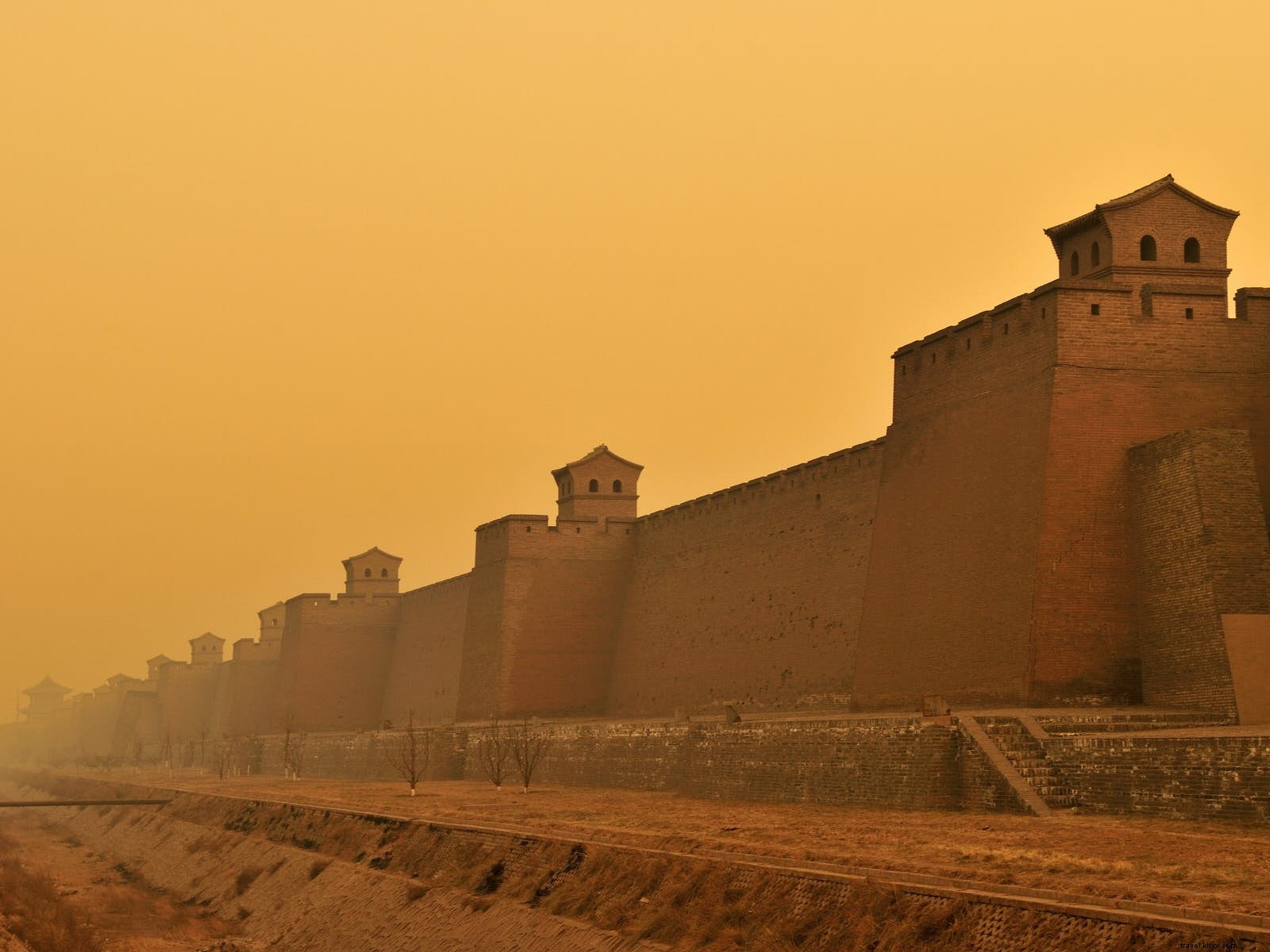
Though no longer a hidden gem, Pingyao remains an exquisitely preserved ancient walled town and a top tourist draw. Its grey-brick courtyard homes conceal cozy kang beds, savory Pingyao beef at local eateries, and the faint scent of coal from Shanxi's key industry.
With just 100,000 residents, Pingyao is compact and walkable. Visit midweek and stay overnight to dodge day-trippers. The town truly shines at night or early morning, when quiet alleys evoke a timeless, remote atmosphere.
The Walls
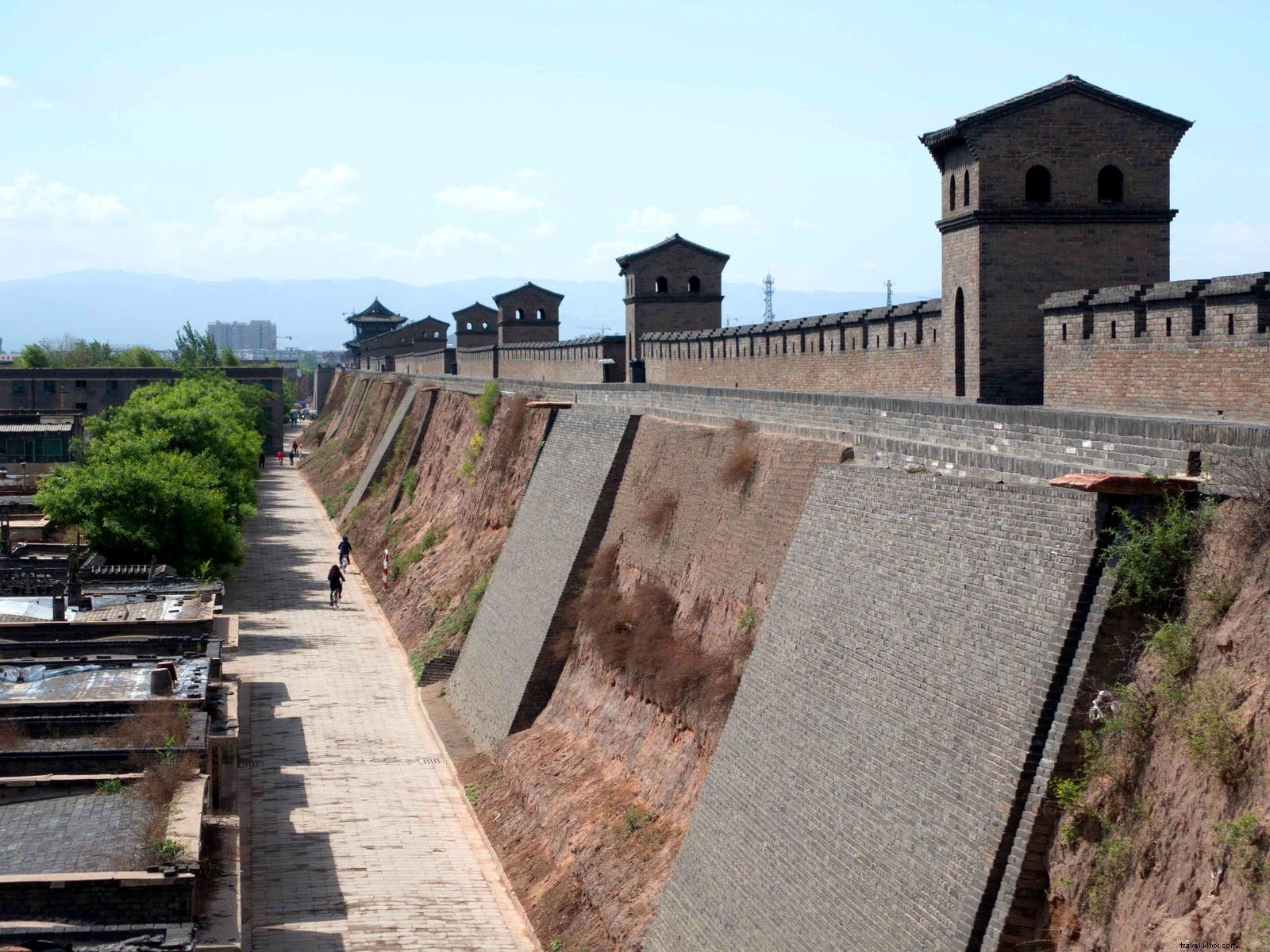
Pingyao's walls began as tamped earth around 1370 during the Ming era, later upgraded to brick. Remnants of the original construction are visible. Shaped like a turtle—with major towers as head and tail, smaller ones as legs—they symbolize protection.
Walk 3km atop the walls from north to south gate, overlooking courtyards and a moat. Watchtowers feature dioramas of ancient Pingyao life.
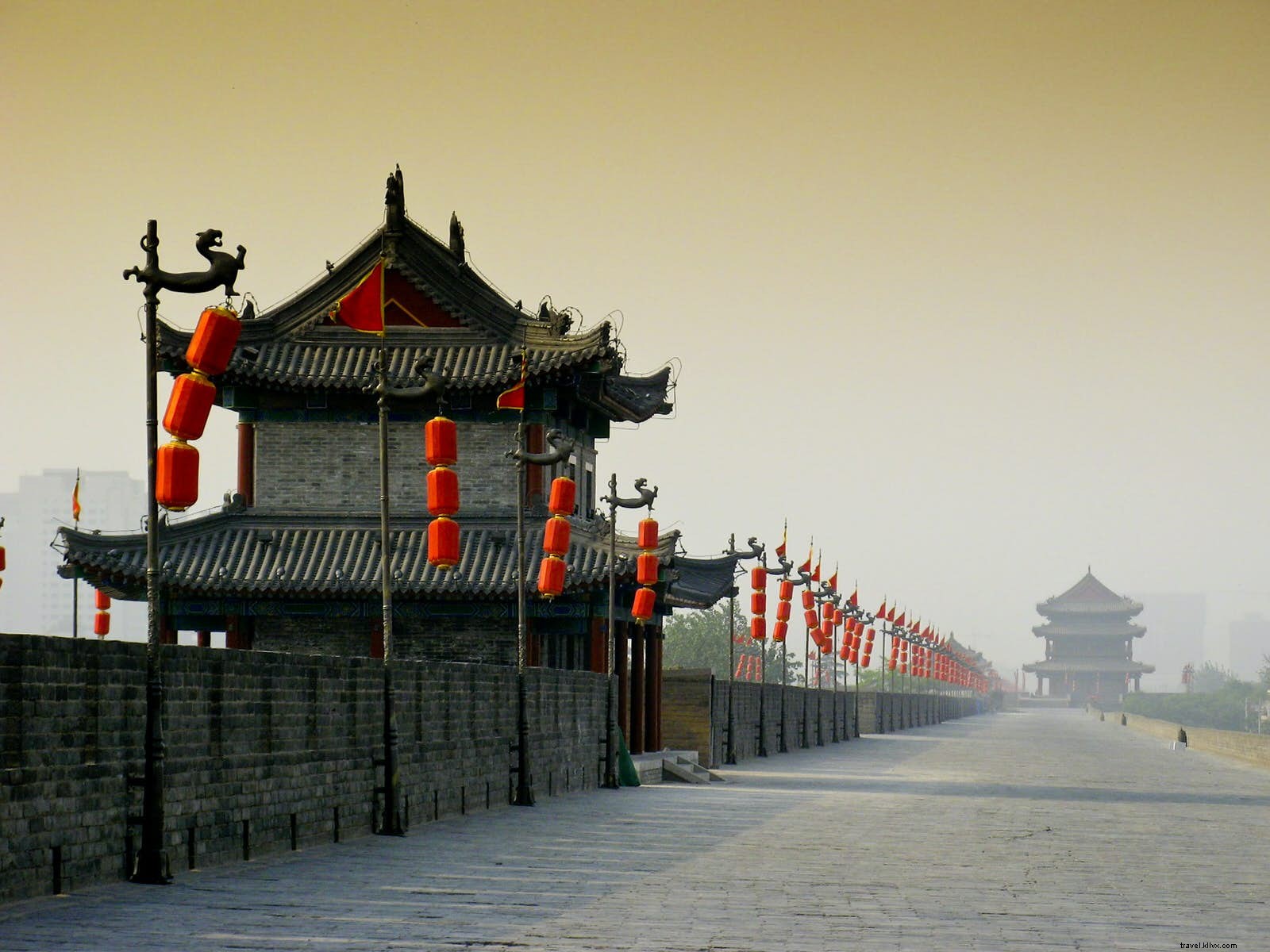
Xi'an: China's Most Complete City Walls
Marking 30 years as a UNESCO World Heritage site, Xi'an—one of China's Four Great Ancient Capitals and Silk Road terminus—blends diverse cultures and history.
Home to the Terracotta Army, its Muslim Quarter buzzes with street food. Evenings bring kites soaring amid swifts and savory aromas.
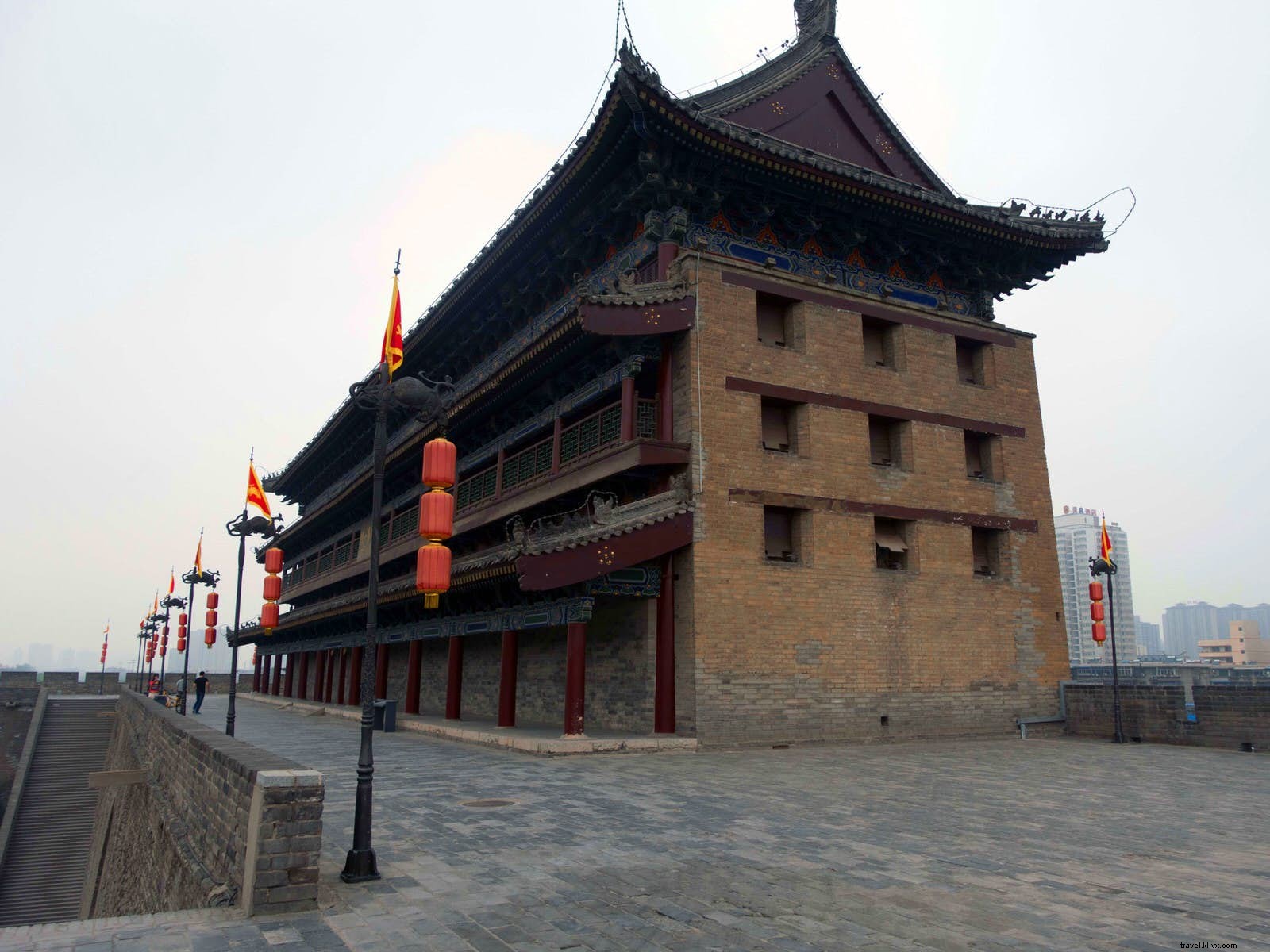
The Walls
Xi'an's intact rectangular wall, one of the world's largest ancient defenses, was initiated by Ming Emperor Zhu Yuanzhang with an earth-lime-rice base for strength, finalized in Qing times.
At 12m high, its 14km top suits walking or biking. With 18 gates, it's crowd-friendly; pack water for the full loop under limited shade.
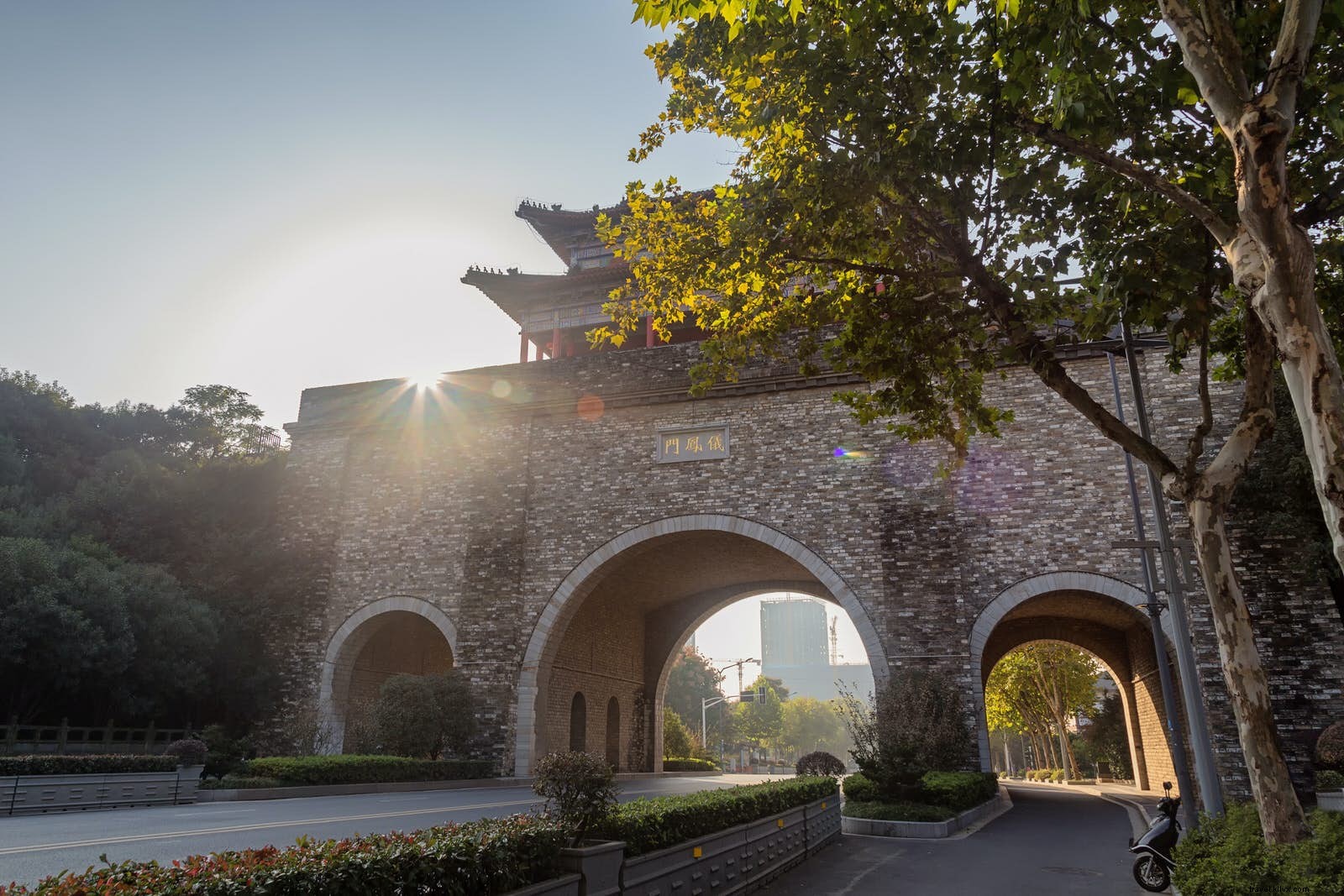
Nanjing: China's Ming-Era Wall
Nanjing, meaning 'Southern Capital,' rivals Beijing and merits exploration for its sites. Yangtze access and the Grand Canal boosted its strategic role. Today, elegant avenues host Ming relics; the Nanjing Massacre Memorial solemnly recalls 1937 events.
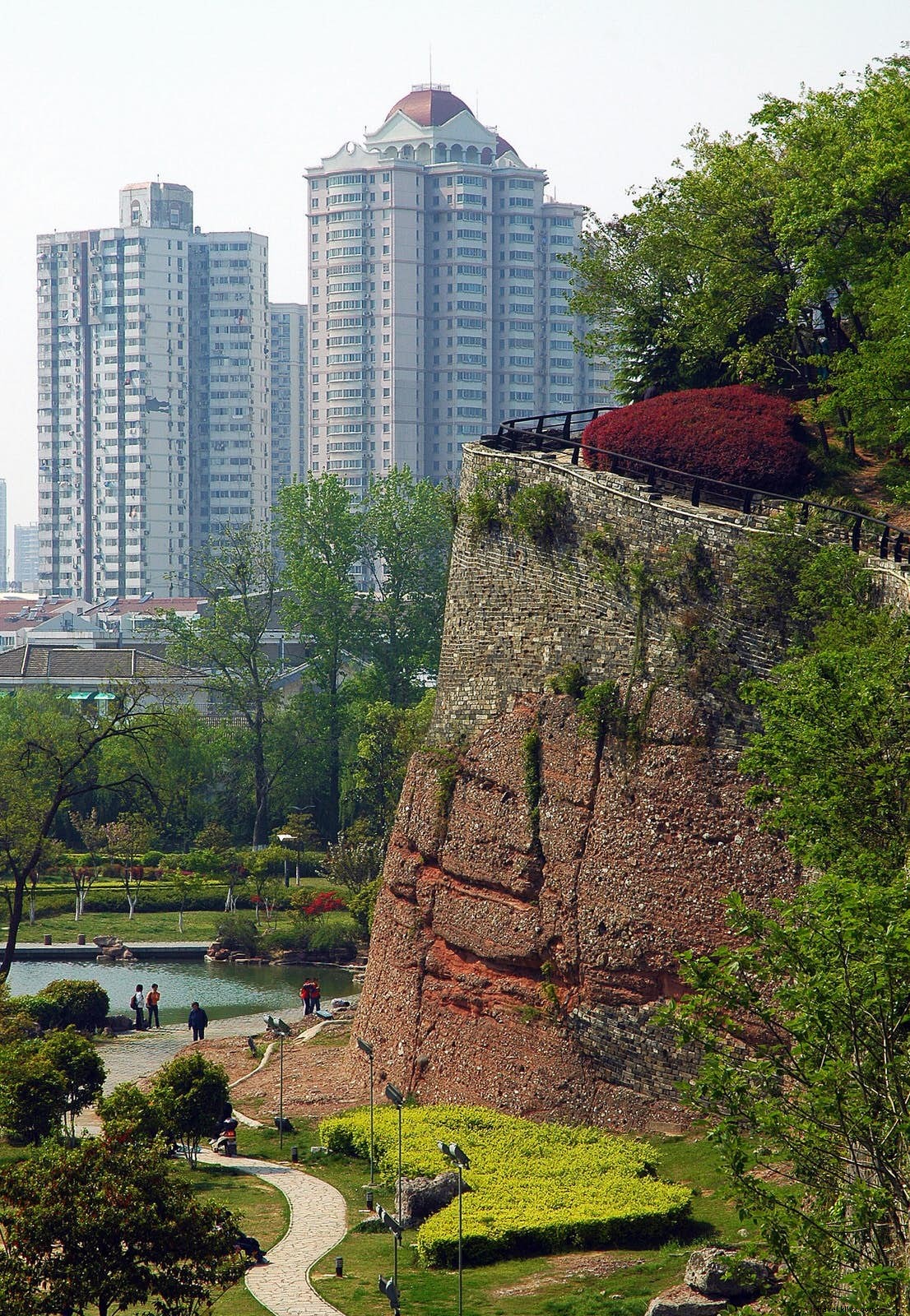
The Walls
Walled 2,500 years ago, major expansion came under Zhu Yuanzhang (21 years, 200,000 laborers). Western red-rock sections endure; bricks bear officials' names.
Irregular shape leverages rivers, lakes, mountains. Walk the scenic Xuanwu Lake stretch for lake and Zijin Mountain views, near Sun Yatsen's mausoleum.
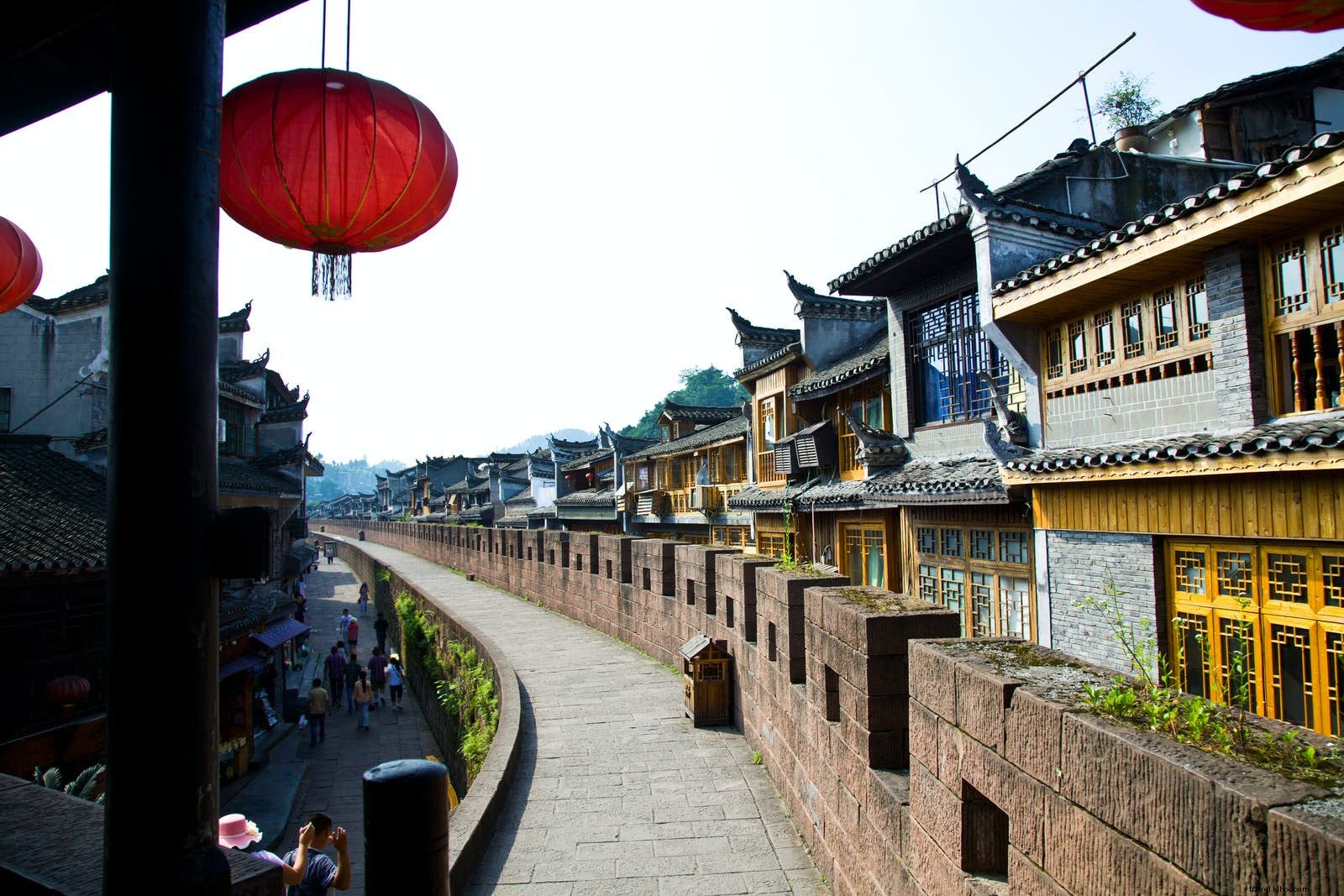
Fenghuang: Wall Against Miao Invaders
Fenghuang's stilt houses cling to the misty Tuo River amid forests. Flagstone alleys lead to bridges and temples.
Touristy yet authentic off-main paths. Stay overnight for night markets with bamboo rat, frog, snake.
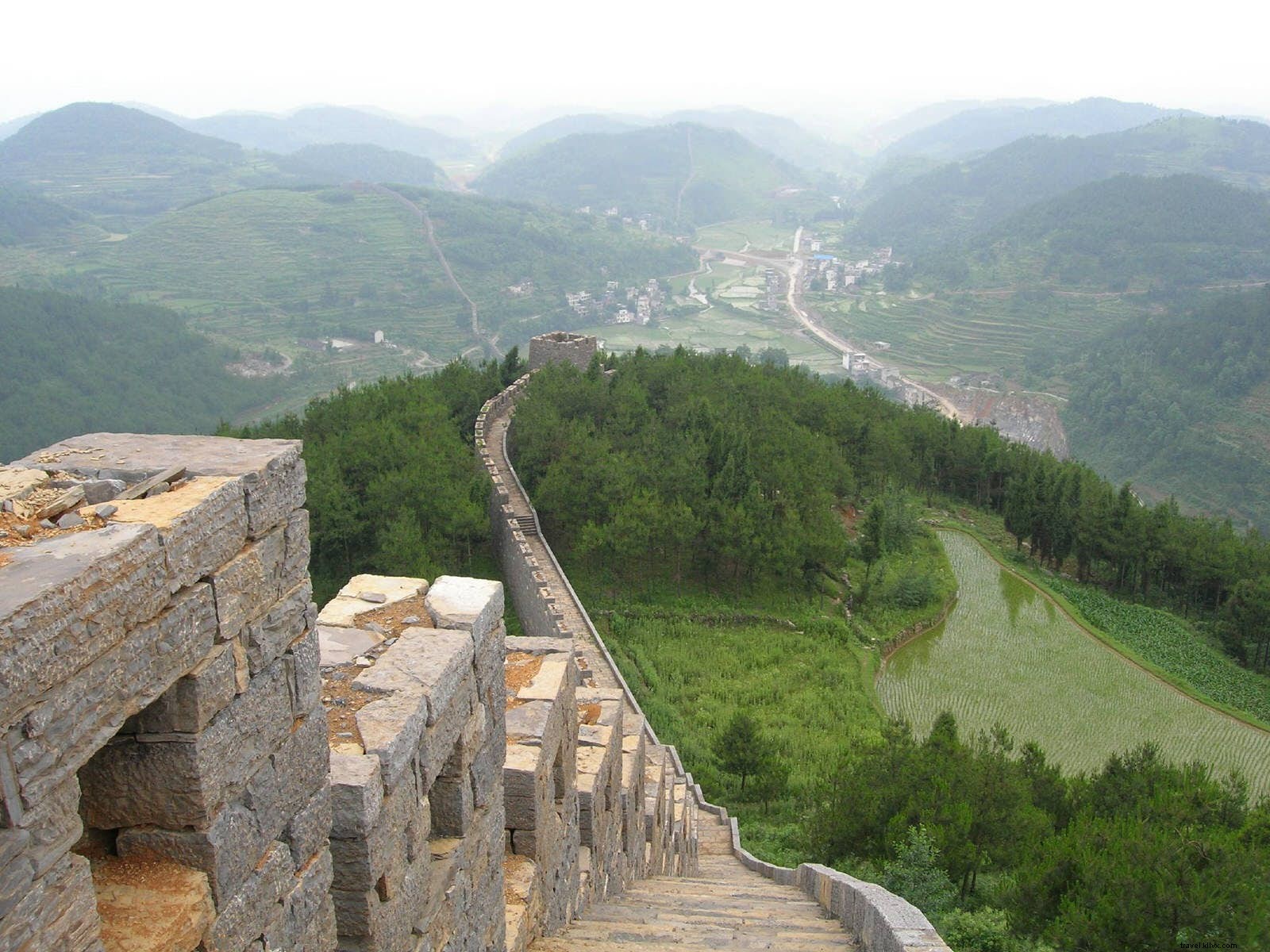
The Walls
Town walls exist, but the Miaojiang Great Wall (Southern Great Wall), 13km west, draws visitors. Built 1554 vs. Miao, 190km long; Qing rebuilt sections.
Restored parts offer countryside vistas.
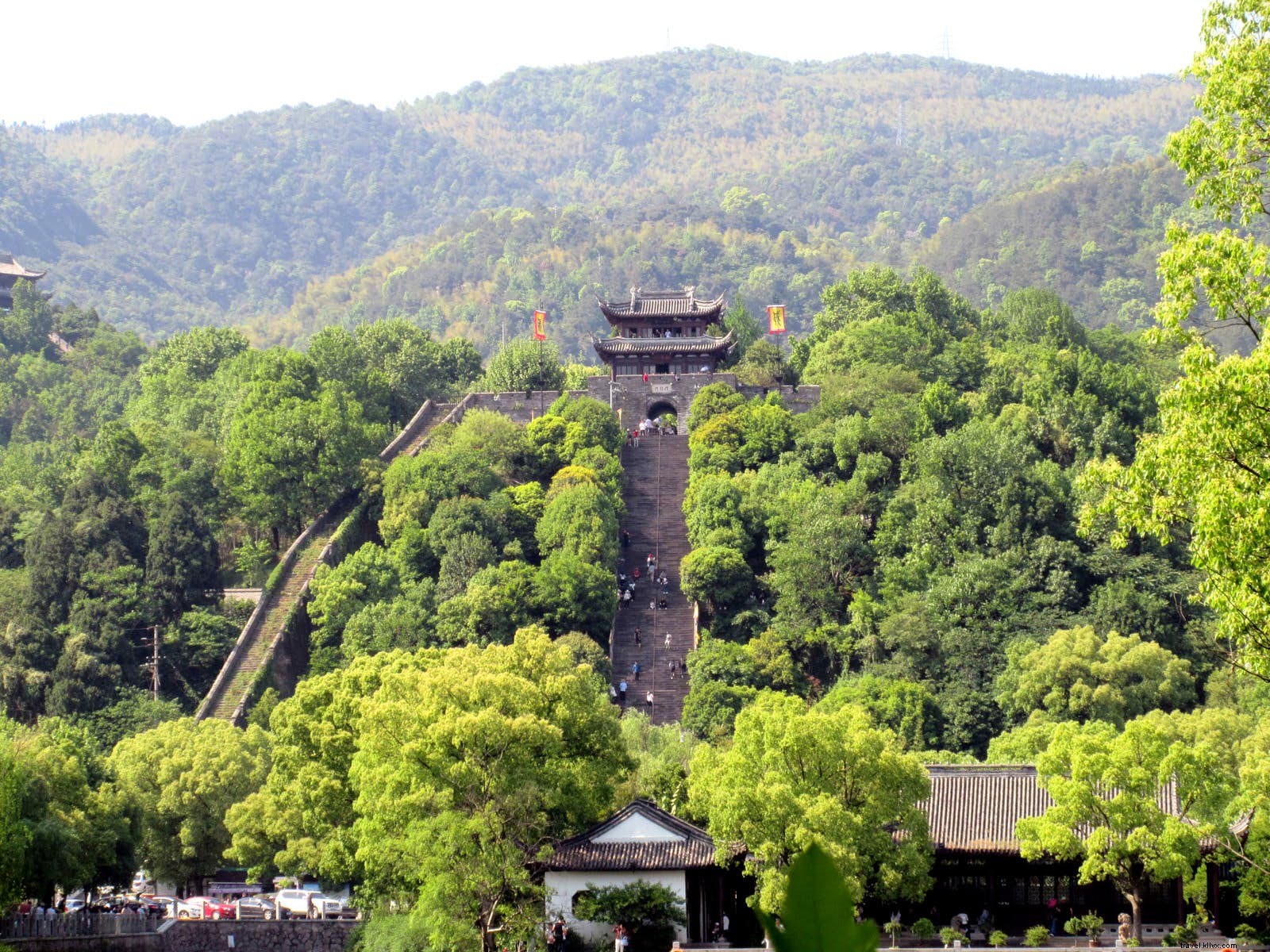
Linhai: Southern China's Other 'Great Wall'
Offbeat Linhai in Zhejiang's hills is walkable, with wooden shops, temples on Jinshan Hill, evening dances.
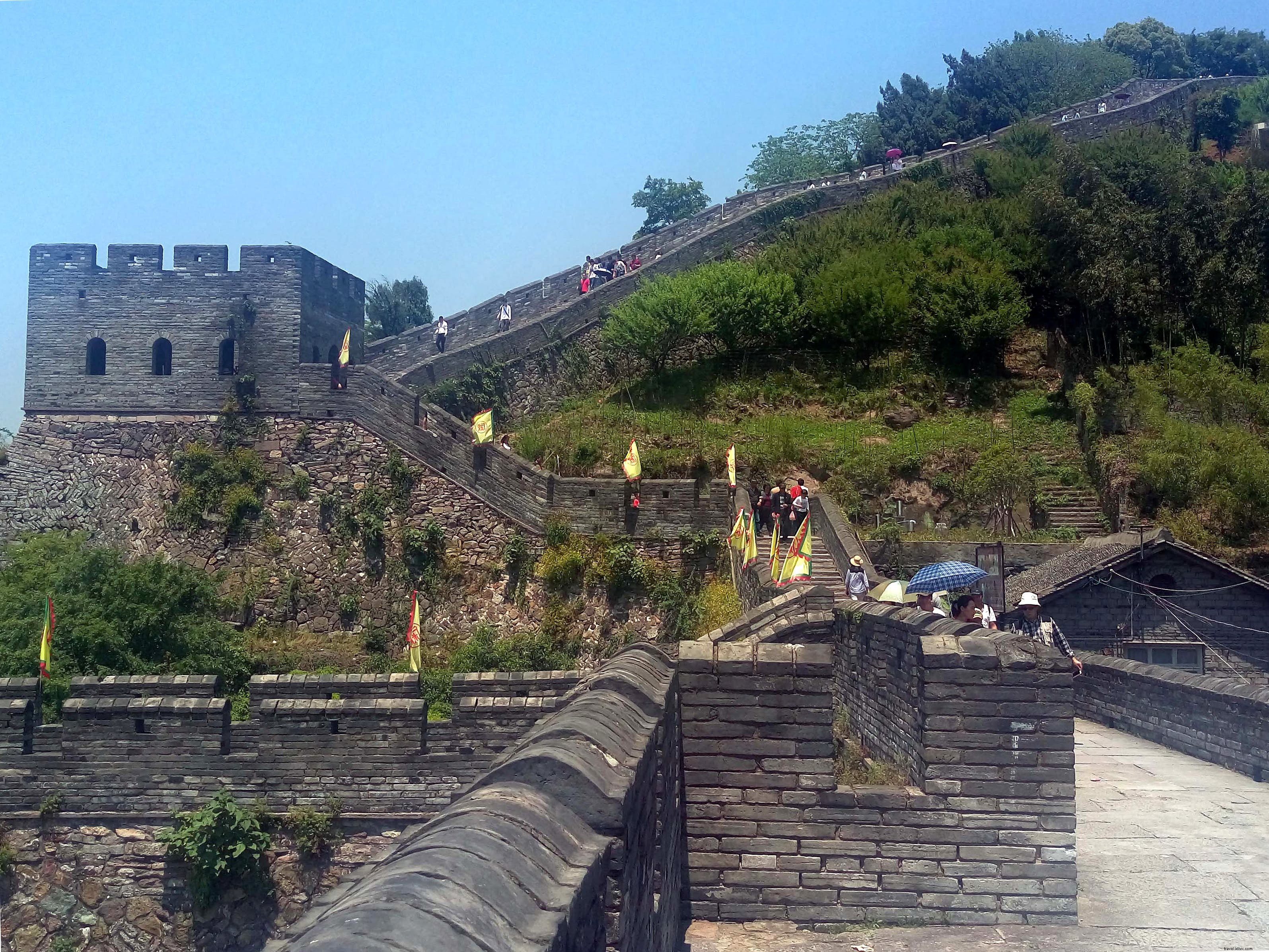
The Walls
6km wall from Eastern Jin (317–420), expanded Sui-Tang (581–907), restored 1990s. Along Lingjiang River vs. floods/invasions.
Steep hike from north (198 steps) or south; allow hours.