Immersed in Tibetan Nomad Life: Staying in a Yak-Hair Tent in Gansu's High Grasslands
I awaken in the pitch-black night to the fierce barking of camp dogs—massive, intimidating guardians alerting us to an unseen threat. Snug in my sleeping bag inside a traditional yak-hair tent, I ponder what lurks on the expansive, desolate grassland.
Come morning, I discover wolves had ventured close under night's cover, but the vigilant dogs repelled them. The family's prized yaks are all safe, being milked amid the soft glow of a high-altitude dawn.
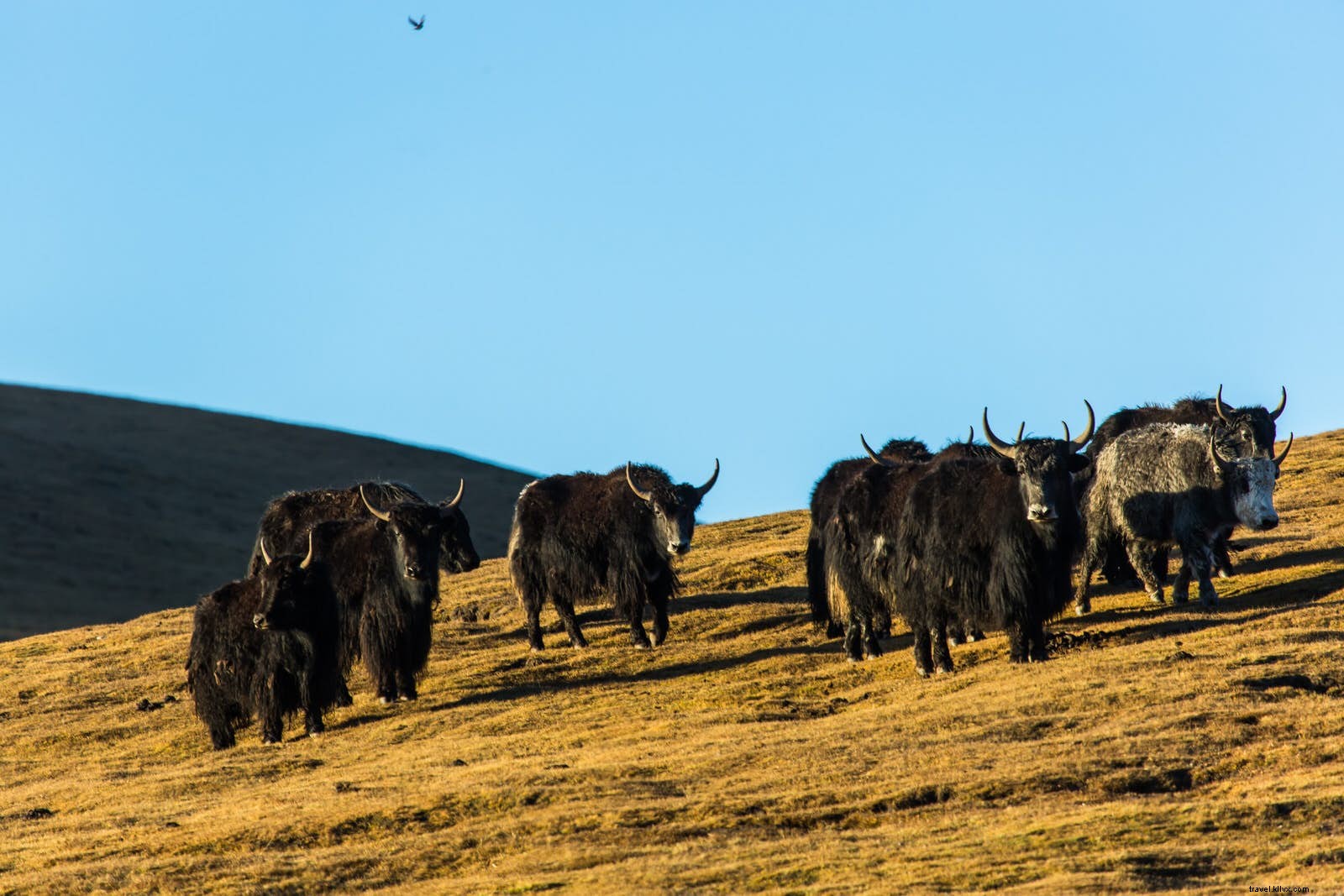
This is daily life at 3,600 meters above sea level with nomads in China's Gannan Tibetan Autonomous Prefecture—a window into existence centered on yaks and the grasslands' seasonal rhythms.
Seasons of the Grasslands
Gannan nomads inhabit the lush, elevated plateaus in southern Gansu Province, part of the historic Amdo region of Tibet. Their centuries-old lifestyle tracks the seasons, prompting seasonal migrations across grasslands based on forage quality.
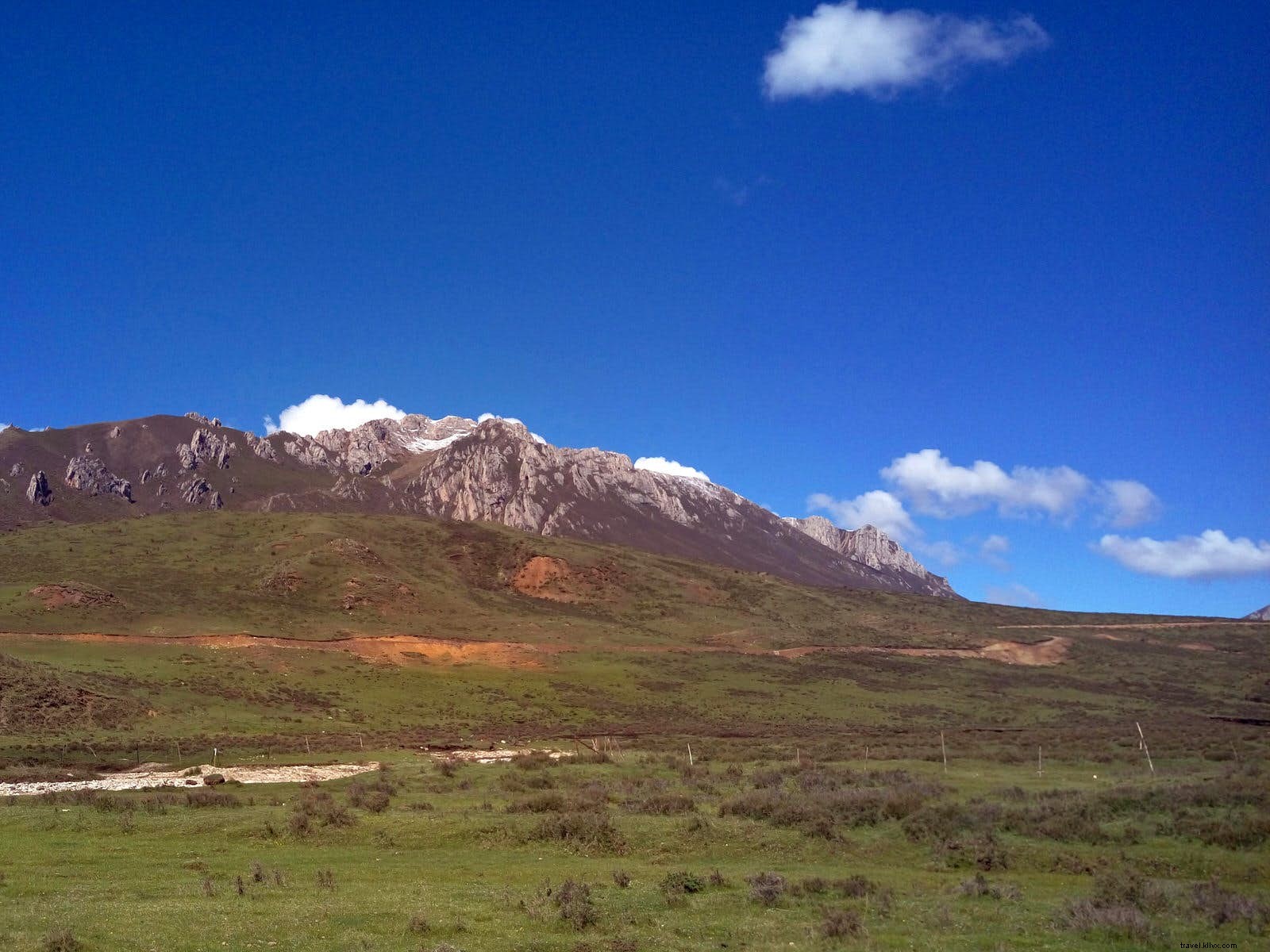
Early summer finds us amid hills west of Langmusi town. From spring through autumn, families relocate every 40-50 days, yak-powered. Days focus on yak care, bulking them for winter. Snows in late October signal winter camps on protected pastures until May's thaw.
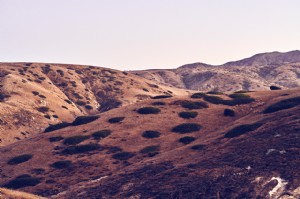
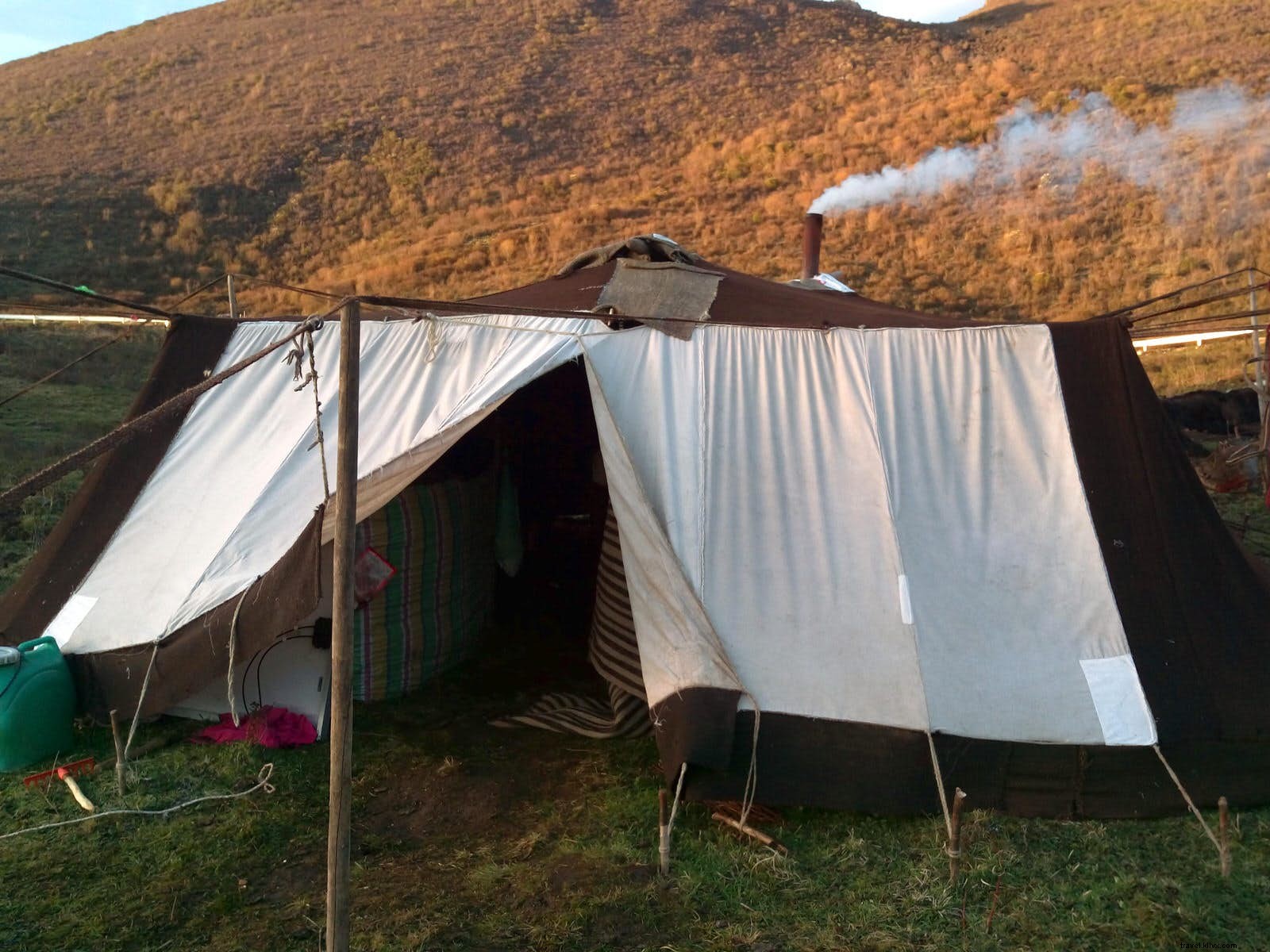
The undulating hills, verdant yet sparse, speckle with grazing yaks. The yak-hair tent shields against fickle weather: sun yields to clouds, hail, then repeats. Chilly gusts infiltrate via the roof vent for stove smoke, as ice pellets tumble in. Winters plunge to -20°C; my hosts, draped in yak wool, endure far tougher conditions than this visitor under a Langmusi-bought poncho.
Camp Living
Amenities are rudimentary; toilet trips mean scouting dog-tether spots and selecting a distant, exposed site amid treeless terrain. These dogs, yak defenders, eye strangers warily.
At 5 a.m., bladder urgent post-dog alarm, I venture out sans guidance on dog locations. Amid morning bustle, every grass clump or yak calf seems a beast in my bleary haze. Spotting a ground dip, I relieve myself surreal-ly on a Chinese hillside, mere meters from head-butting yaks vying for supremacy—praying not to draw canine ire mid-act.
Surrounded by Animals
Animal immersion is total. Yaks and their traces dominate: dung fuels the stove for veggie-rice meals; we savor yak-milk yogurt and tsampa (barley flour with fresh yak butter and cheese). Nightly, 'bri (females) and calves tether outside for milking ease, their earthy scent and bellows omnipresent.
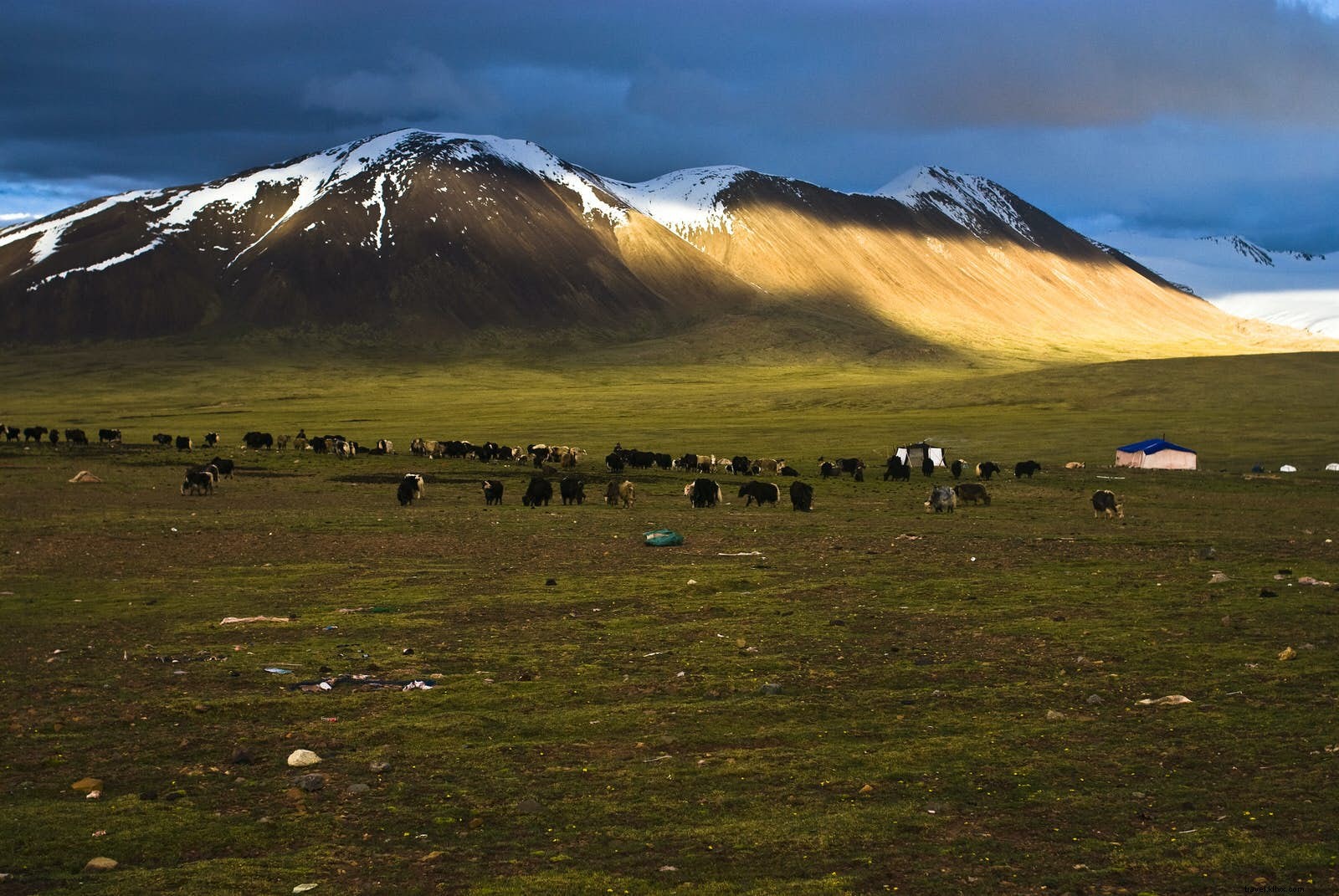
Surrounding grasslands buzz with wildlife. Hiking, guide Hui Du's cry flushes six steppe eagles from red-rock crevices, wings stark against stone before vanishing skyward. Marmots and pikas, eagle prey, dart burrows, shrilling warnings.
Nomadic Social Order
Beneath the idyllic outdoor rhythm—fresh air, no tech, honest labor—lie survival struggles, especially for women, the core workforce. They rise at 4 a.m. summers to milk rested yaks, calves separated briefly for optimal yield. Experts, they even puff into yaks' rears to boost flow—a testament to their animal affinity, alien to outsiders like me (whose scent might provoke kicks).
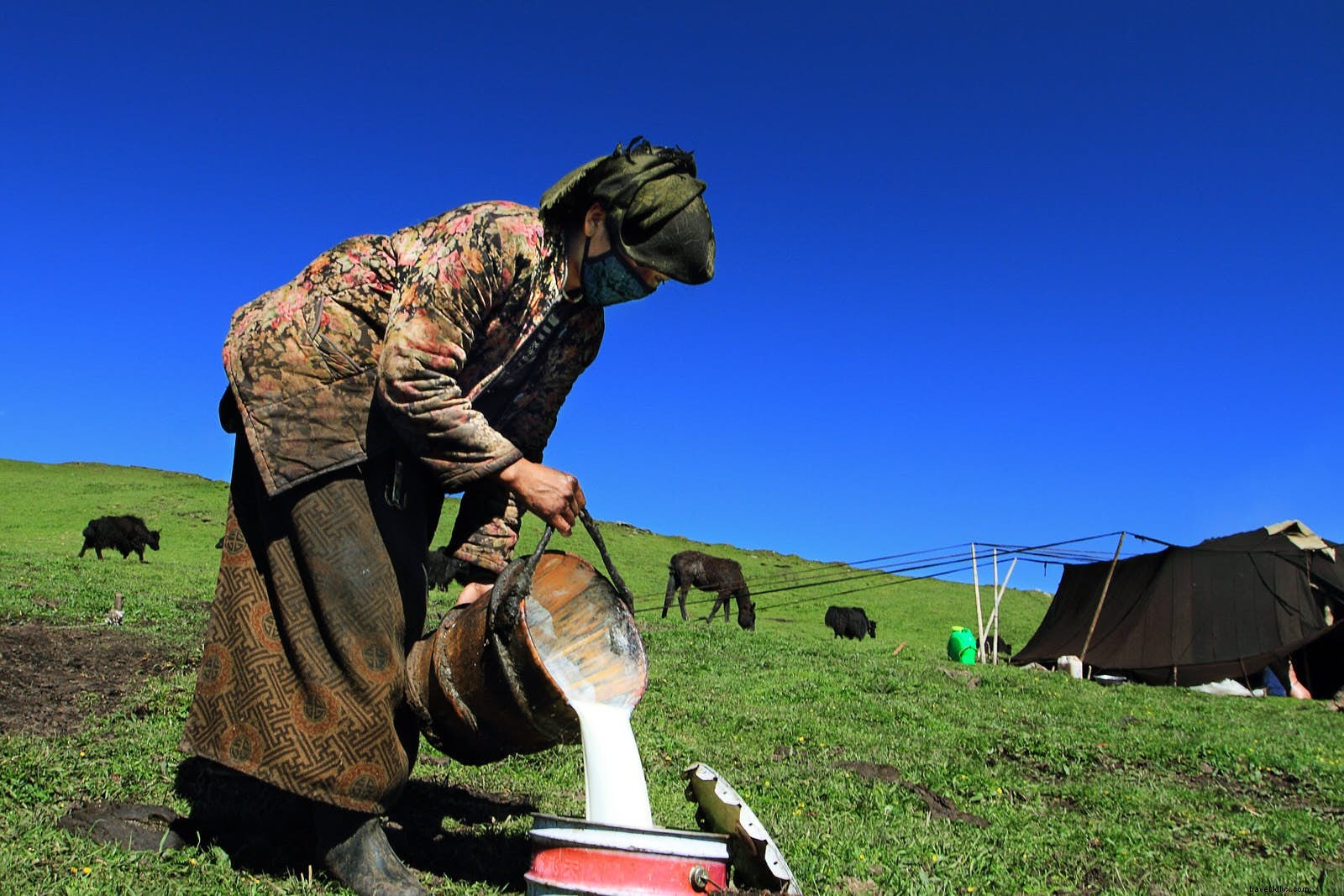
Women ceaselessly milk, fetch river water, churn butter, gather dung fuel. I assist scraping/hoarding it—exhausting at altitude, lungs gasping thin air.
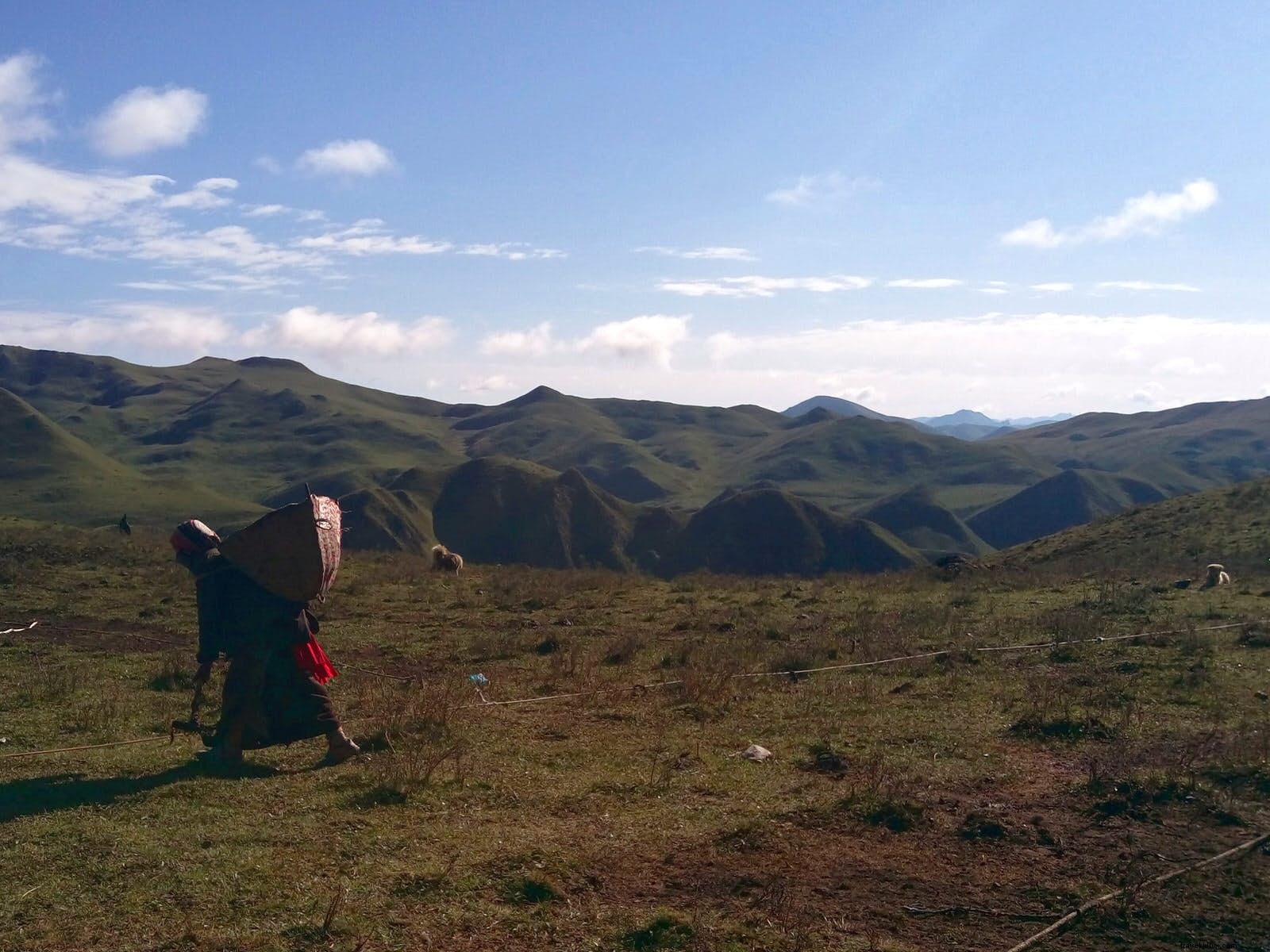
Men herd/protect post-breakfast, returning yaks at dusk via pe slingshot. Yet many linger in Langmusi teatime, checking in periodically.
Among the women, fumbling helpfully, I reflect on urbanization's pull—cities lure with ease and jobs. A poignant thought, deepening gratitude for this yak-hair home.
Make It Happen
Langmusi Tibetan Horse Trekking arranges nomad homestays, horse treks, hikes, wildlife tours. Owner Liyi, a longtime Langmusi resident from Sichuan, shares deep local insights.
Get more travel inspiration, tips, and exclusive offers straight to your inbox with our weekly newsletter.