
Discover Sizzling Sichuan: China's Quintessential Province of Fiery Flavors and Timeless Wonders
Sichuan (四川) – the 'China of China.' This western province encapsulates everything that captivates travelers to the Middle Kingdom: bold spicy cuisine, endearing giant pandas, diverse ancient cultures, and breathtaking natural landscapes.
Today, there are even more compelling reasons to visit the Land of Four Rivers (四川). Chengdu, the provincial capital, has evolved into a vibrant, modern metropolis brimming with innovative design, art scenes, and contemporary culture. New railway lines are enhancing access to remote interiors, including the anticipated 'Roof of the World' route to Tibet. Meanwhile, one of China's premier national parks has fully recovered from the 2008 earthquake and welcomes visitors once more.

Prepare your taste buds for a peppercorn-tingling adventure—now is the perfect time to explore China's most quintessential province.
Chengdu: Where Ancient Traditions Meet Modern Vibes
As the hub of Sichuan cuisine—one of China's four major culinary traditions—Chengdu is renowned for its bold spices and numbing Sichuan peppercorns. This fiery gastronomy may even inspire the city's famous fire-breathing and face-changing opera performances, mirroring the province's heat-infused dining culture.

Beyond historic temples and age-old teahouses, Chengdu boasts a thriving contemporary scene: stylish design hotels, trendy nightlife, craft brewpubs, and art museums showcasing everything from Sichuan's ancient relics to works by local and national artists.
Encountering Pandas in Sichuan's Lush Forests
Chengdu's Giant Panda Breeding Research Base, a leading ex-situ conservation project aimed at rewilding these bamboo lovers, offers the world's premier panda experience. For a more immersive alternative, head 150km west to Ya'an's Bifengxia Panda Base. Here, trek through a forested gorge past waterfalls and cultural sites to observe pandas in their natural wooded habitat, emblematic of central and southern Sichuan.

Venturing into Sichuan's Majestic Mountains
Deeper into western or northern Sichuan, the fertile Chengdu Basin transitions to the rugged foothills of the Tibetan Plateau. Iconic national parks showcase the region's splendor. Jiuzhaigou National Park, with its turquoise lakes and cascading waterfalls, has reopened to limited visitors following the 2017 earthquake that impacted northern Sichuan.
Westward, Four Sisters Mountain National Park features three serene valleys ideal for hiking unpaved trails beneath glacier-capped peaks and remote alpine lakes.
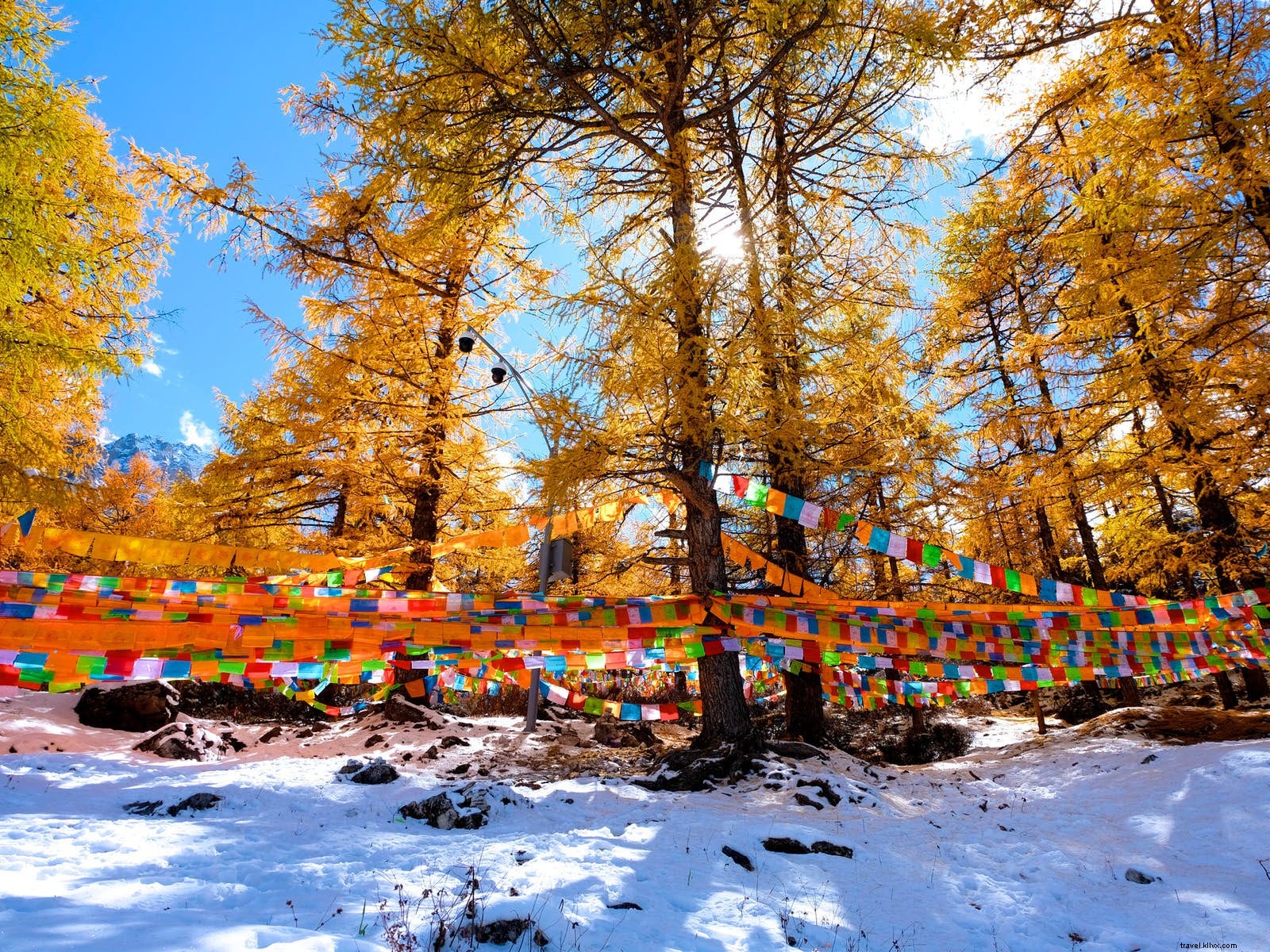
In the far southwest, Yading Nature Reserve evokes a modern Shangri-La, blending Tibetan temples and culture with multi-day treks through pristine, undeveloped wilderness.
Immersing in Tibetan Culture in Kham
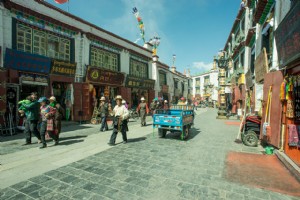
The forthcoming Tibet-Sichuan railway will link Chengdu to Lhasa in just 15 hours upon its 2025 opening. For those avoiding Tibet Autonomous Region permits and guided tours, western Sichuan—aligning with the historic Kham region—offers unrestricted access to Tibetan heritage.

Highlights include Dege's 200-year-old monastery and printing press, Seda's Larung Gar (home to 40,000 monks), Yarchen Gar (10,000 monks and nuns), and charming towns like Langmusi and Garze. Sichuan provides unparalleled freedom to explore Tibetan culture amid stunning hillsides.
Sacred Sites of the Chengdu Basin
Near Chengdu, revered sites offer respite from urban life and insights into China's spiritual diversity. Leshan's 71m Grand Buddha, hewn into a cliff to calm converging rivers, draws pilgrims by land and boat.

Emei Shan ascends through ancient forests and 9th-century temples to 3,099m Jinding Peak, where early risers witness the ethereal 'Buddha's Halo' sunrise. Qingcheng Shan, birthplace of Taoism, features misty temples and forests drawing pilgrims for over 2,000 years.
Charming Ancient River Towns
Sichuan's riverside towns along the historic Tea Horse Road (Southern Silk Road) blend relaxation, architecture, and scenery. Liujiang offers teahouses and walking paths; Langzhong features boutique stays, Qing-era buildings, and Romance of the Three Kingdoms ties; Pingle is easily accessible by bus from Chengdu. Ideal for unwinding after Sichuan's adventures.