2019 Travel Trends: How VR and AR Are Revolutionizing Attractions
Virtual reality (VR) and augmented reality (AR) have transitioned from science fiction to accessible smartphone features. These cutting-edge technologies are transforming every phase of the travel experience, from planning to on-site exploration.
VR creates fully immersive, computer-generated environments experienced through headsets, often with interactive elements like sensor-equipped gloves for sight, sound, and beyond. AR overlays digital information onto the real world via devices such as smartphones, enriching reality with additional layers of information.
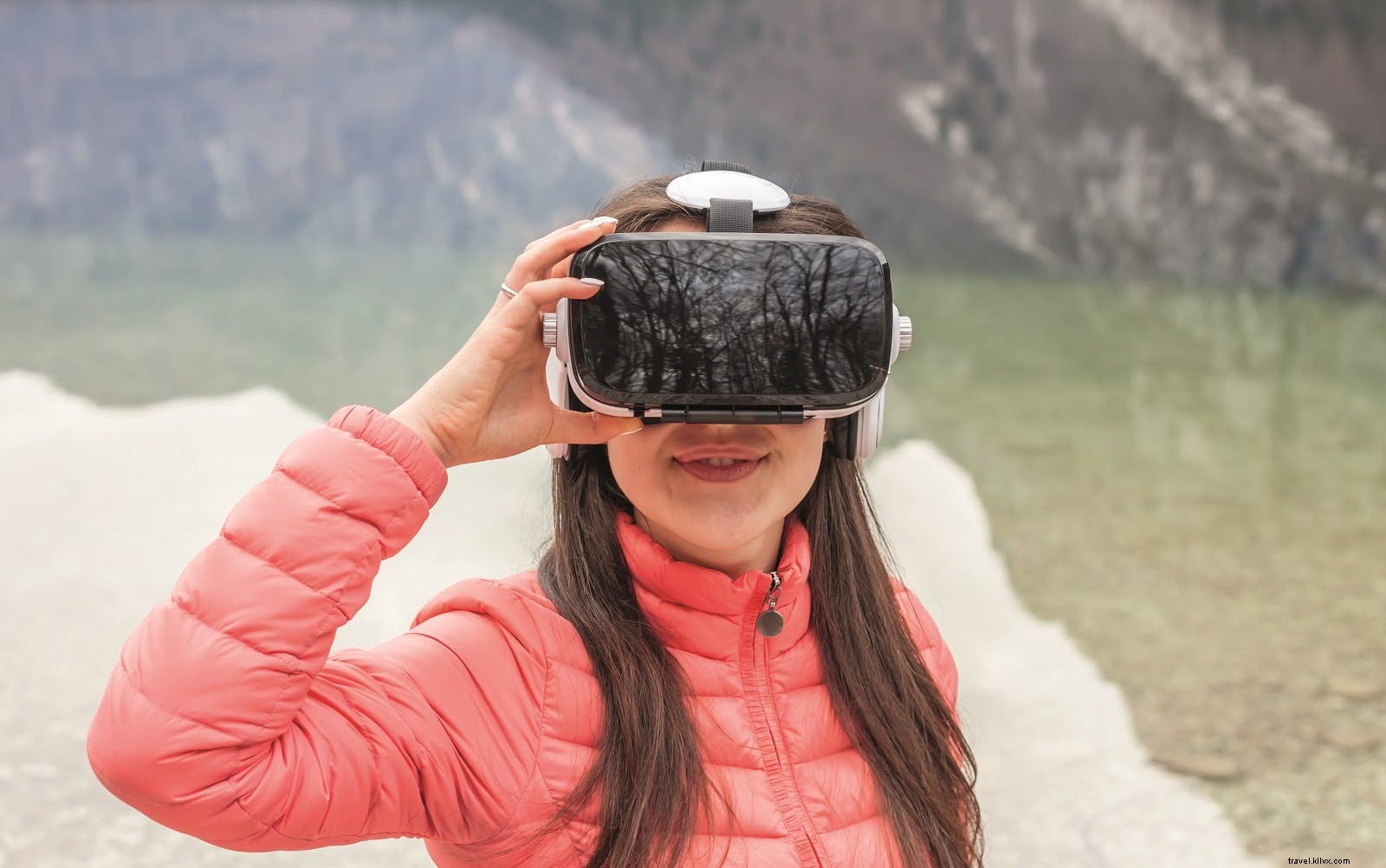
Following years of hype, setbacks like Google Glass, and steady adoption, VR and AR now permeate industries including entertainment, retail, healthcare, and manufacturing. Travel is at the forefront of this evolution.
Virtual armchair travel has entered a golden era with apps delivering 360-degree immersive tours. Insert your smartphone into a headset or use standalone devices to explore destinations, attractions, hotels—and even NASA's Curiosity rover on Mars—without leaving home.
The real innovation shines during actual trips, where VR and AR deliver mind-blowing enhancements in real time.

Bringing History to Life
Exceptional storytelling defines great museums, and VR/AR provides the ultimate tool—virtual time travel.
Washington, DC, USA: The Smithsonian National Museum of Natural History's 1881 Bone Hall comes alive with the Skin & Bones app, animating skeletons and resurrecting extinct species.
Waterford, Ireland: Encounter Ireland's founding warlords through live actors, holograms, and VR at the King of the Vikings experience in the Waterford Museum of Treasures.
Darwin, Australia: Experience the 1942 bombing of Darwin's harbor in real-time VR, plus a 55-seat hologram cinema, at the Royal Flying Doctor Service attraction.
When Worlds Collide
These technologies extend beyond museums, adding depth to open-air sites.
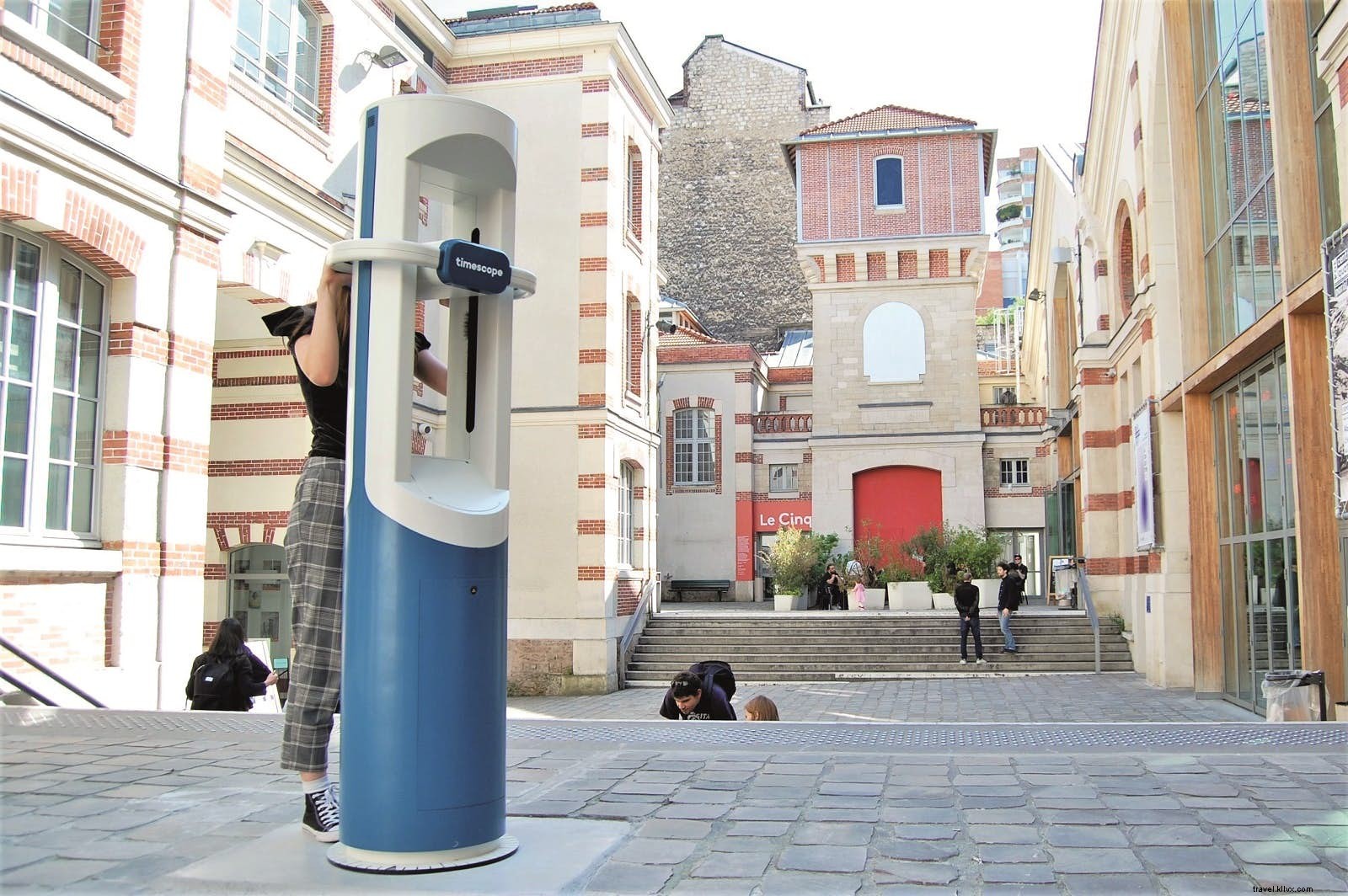
Paris, France: View post-1789 Revolution Paris through VR-enabled Timescopes near Pont d’Arcole and Place de la Bastille.
Spain and Greece: Past View guided tours in Seville, Barcelona, Athens, or Ephesus use smartglasses to overlay historical recreations on-site.
Sites across England: The Explore England’s Historic Cities app summons virtual guides and stories at locations like Durham Cathedral, Chester Roman Amphitheatre, and Maritime Greenwich.
Parallel Universes
Innovative one-off experiences showcase boundless creativity.
Dubai, UAE: From the 125th floor of Burj Khalifa, undertake a virtual climb and 828m freefall using suction gloves.
Tokyo, Japan: First Airlines 'flies' passengers to New York, Paris, Rome, or Hawaii via VR headsets—without departing Tokyo.
VR as the Star
While enhancing reality, VR also enables total escapism through immersive attractions.
Virtual Rollercoasters, Worldwide: Pair physical thrills with fantasy realms at Six Flags (US), Legoland (Malaysia, Germany, Florida), and more.
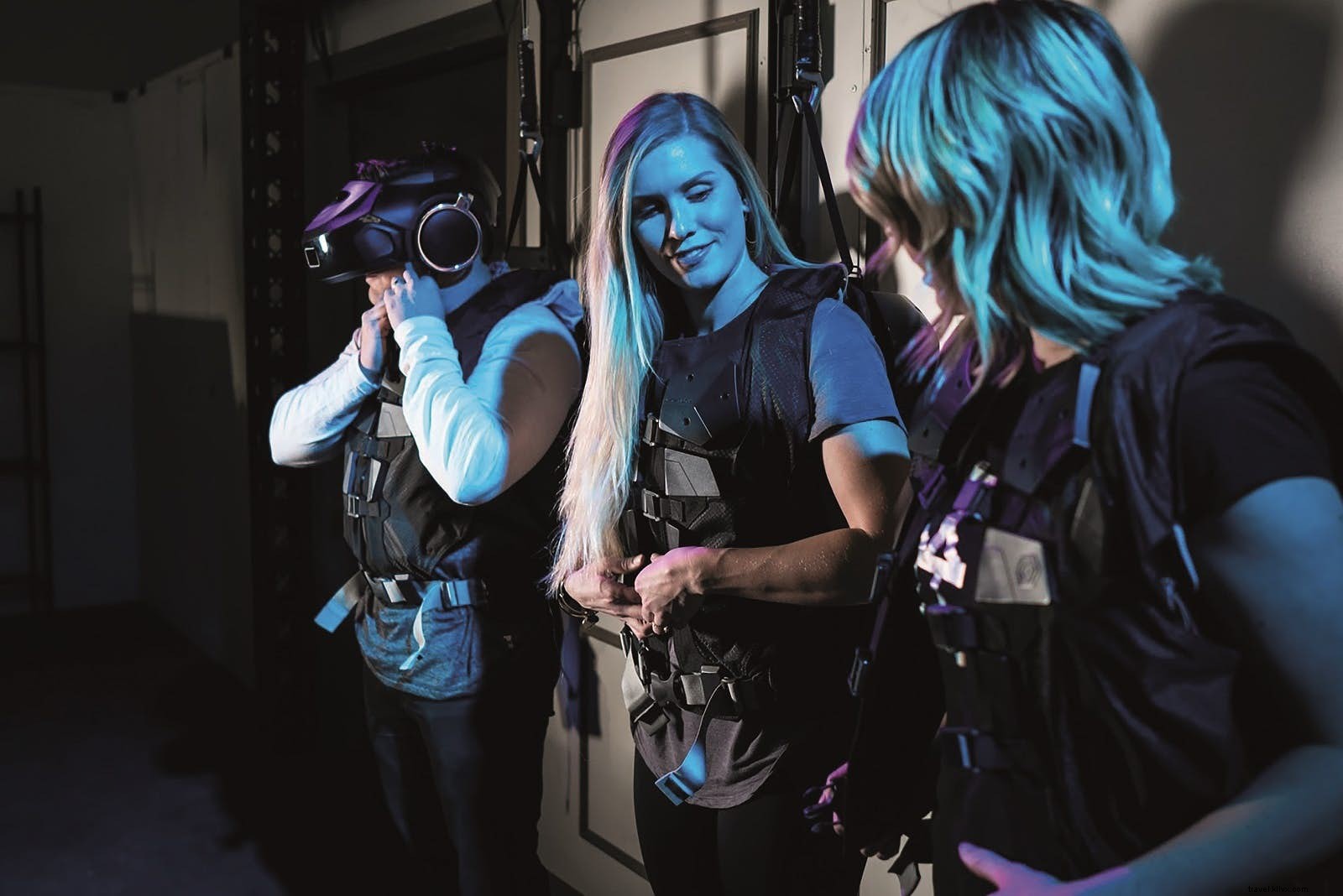
Out-of-Home VR Experiences, Worldwide: Venues by IMAX VR, The Void, and Zero Latency offer free-roaming, multiplayer VR in dedicated spaces, with expanding global networks.