
Dark Sky Travel Trends: Top Astrotourism Destinations for Unforgettable Stargazing
As urban areas expand and Earth's population grows, clear views of the cosmos are increasingly rare. Savvy travelers are seeking out the planet's remaining pristine dark skies for unobstructed stargazing experiences.
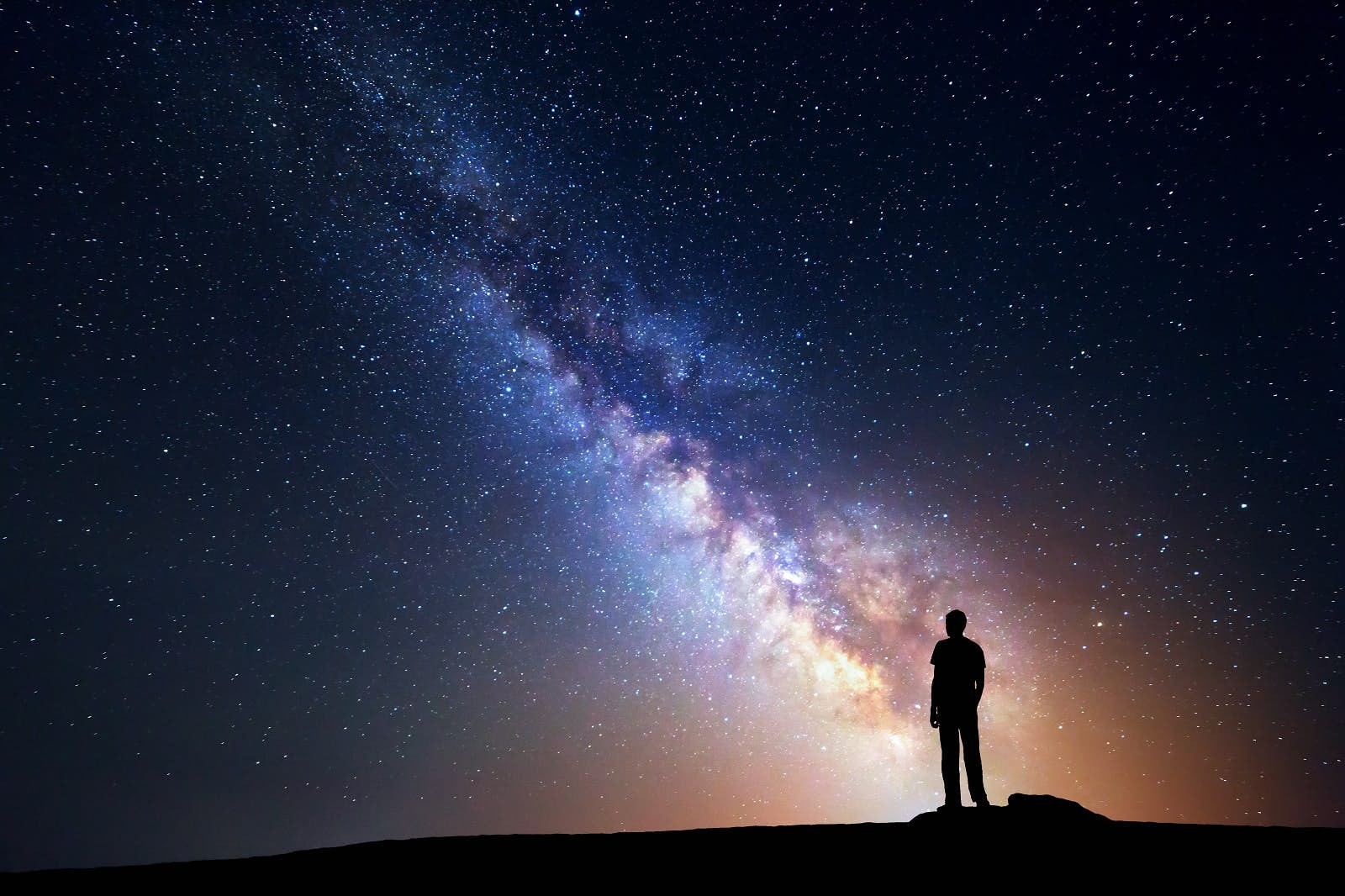
The Milky Way's shimmering arc. A meteor blazing across the horizon. There's an innate allure to the night sky that stirs our sense of wonder and adventure. Contemplating the universe's vastness under a canopy of constellations fuels wanderlust like nothing else. Yet, over the last century, light pollution has made such sights scarce for most.
Research from the Light Pollution Science and Technology Institute reveals that 80% of Earth's landmass is affected by light pollution, with 99% of Europeans and Americans unable to see a truly dark sky due to artificial lights.
In 2001, the International Dark-Sky Association launched a certification program for destinations committed to preserving their night skies, sparking the rise of astrotourism. In 2017, seven million Americans traveled to witness a total solar eclipse, and similar events drew crowds to South America in 2019.
With heightened awareness and more certified dark-sky parks, travelers can now blend exploration with celestial wonders—through guided stargazing tours, star parties, or even champagne toasts on volcanic peaks. Many world-class observatories welcome visitors, offering astronomy courses and evening sessions.
What drives us to chase these cosmic glimpses? "A hundred thousand generations of Homo sapiens saw the Milky Way every night," explains J. Thomas Becket, board chair of Utah's Clark Planetarium. "It's in our DNA. Modern lighting erased it, but astrotourists are reclaiming that primal human connection."
Whether through history-tinted lenses or profound perspective shifts, astrotourism reconnects us to our place in the universe.
Certified Dark-Sky Parks
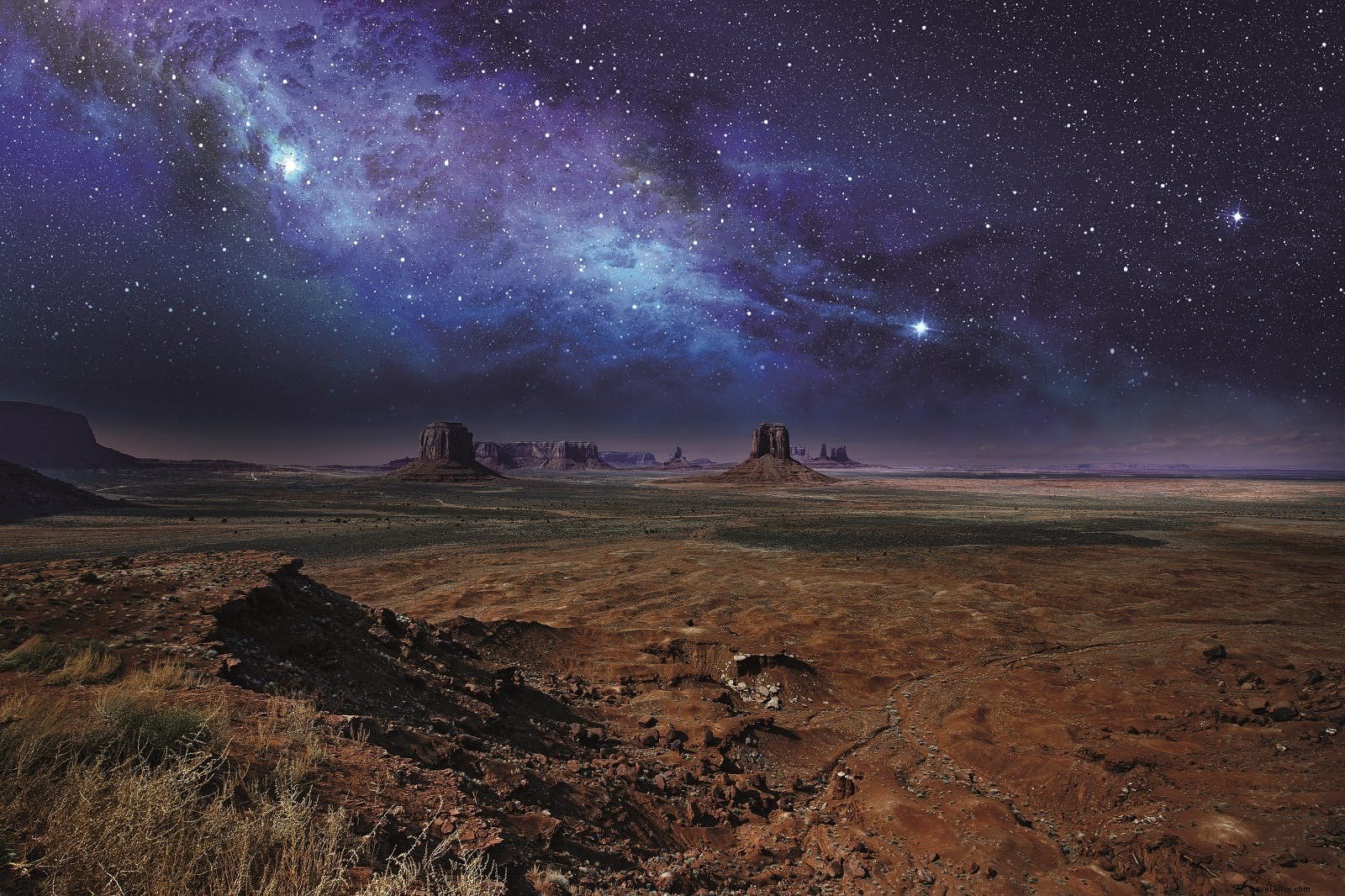
International Dark-Sky Association-certified parks and communities offer prime light-pollution-free stargazing.
Southwest USA: The arid Southwest boasts icons like Utah's Natural Bridges—the world's first dark-sky park—Flagstaff, Arizona's dark-sky city; New Mexico's Cosmic Campground; and the Grand Canyon's annual June star party.
Japan: Okinawa's Iriomote-Ishigaki National Park earned Japan's first dark-sky certification in 2018. This 406-sq-km subtropical haven on the remote Yaeyama Islands delivers Japan's clearest skies.
Northern Britain: Europe's darkest skies blanket northern Britain's wilds, including Northumberland National Park and Kielder Water & Forest Park—the UK's first dark-sky parks. Go Stargazing recommends top UK spots and events.
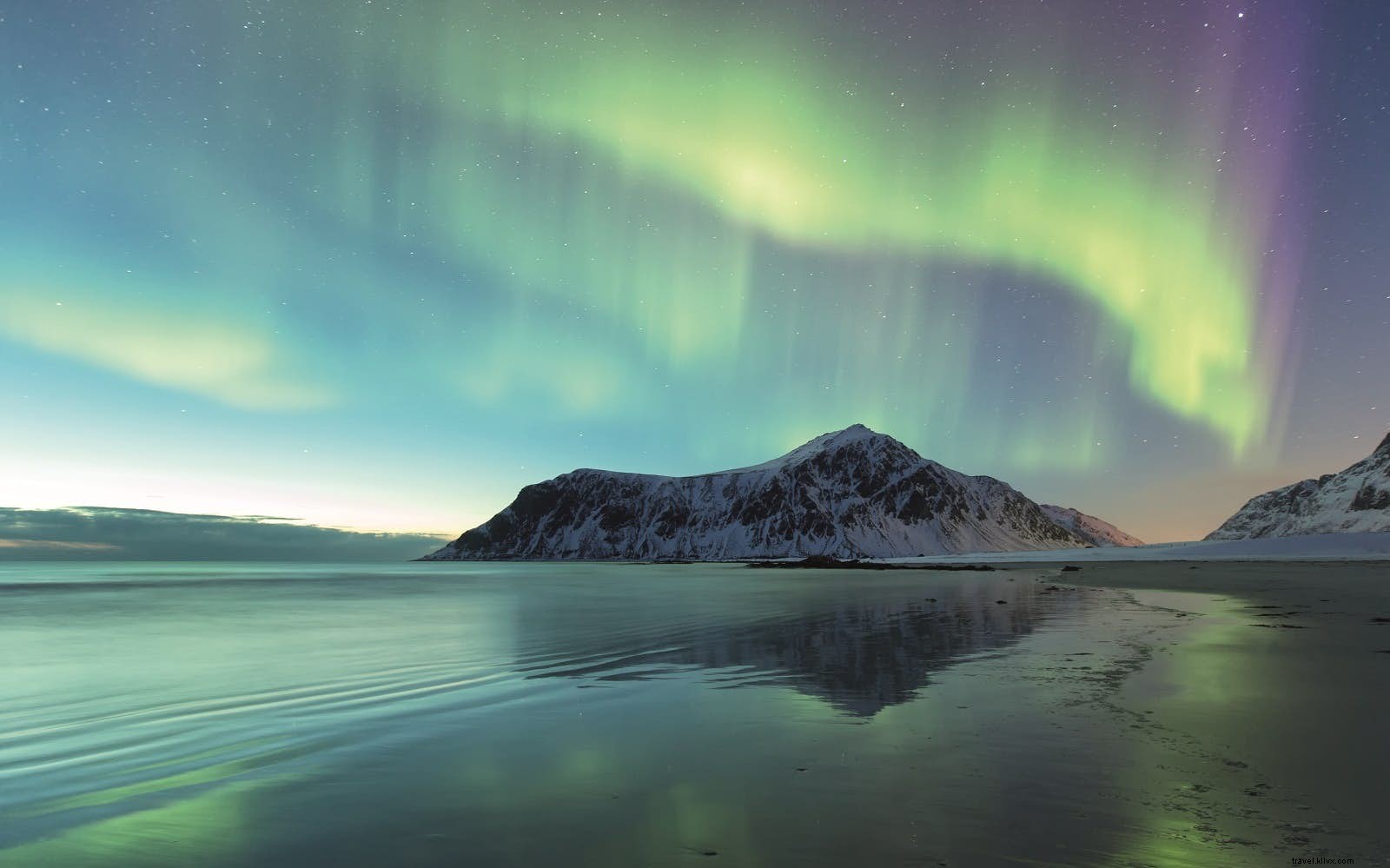
Aurora Hunting
The mesmerizing aurora borealis and australis dance near the poles, captivating skywatchers.
Scandinavia: From September to April, chase the Northern Lights in Europe's Arctic reaches, with expert tours and lodges across Scandinavia's northern frontiers.
Stewart Island, New Zealand: March to September brings aurora australis to this remote isle, known to Māori as Rakiura—'glowing skies.'
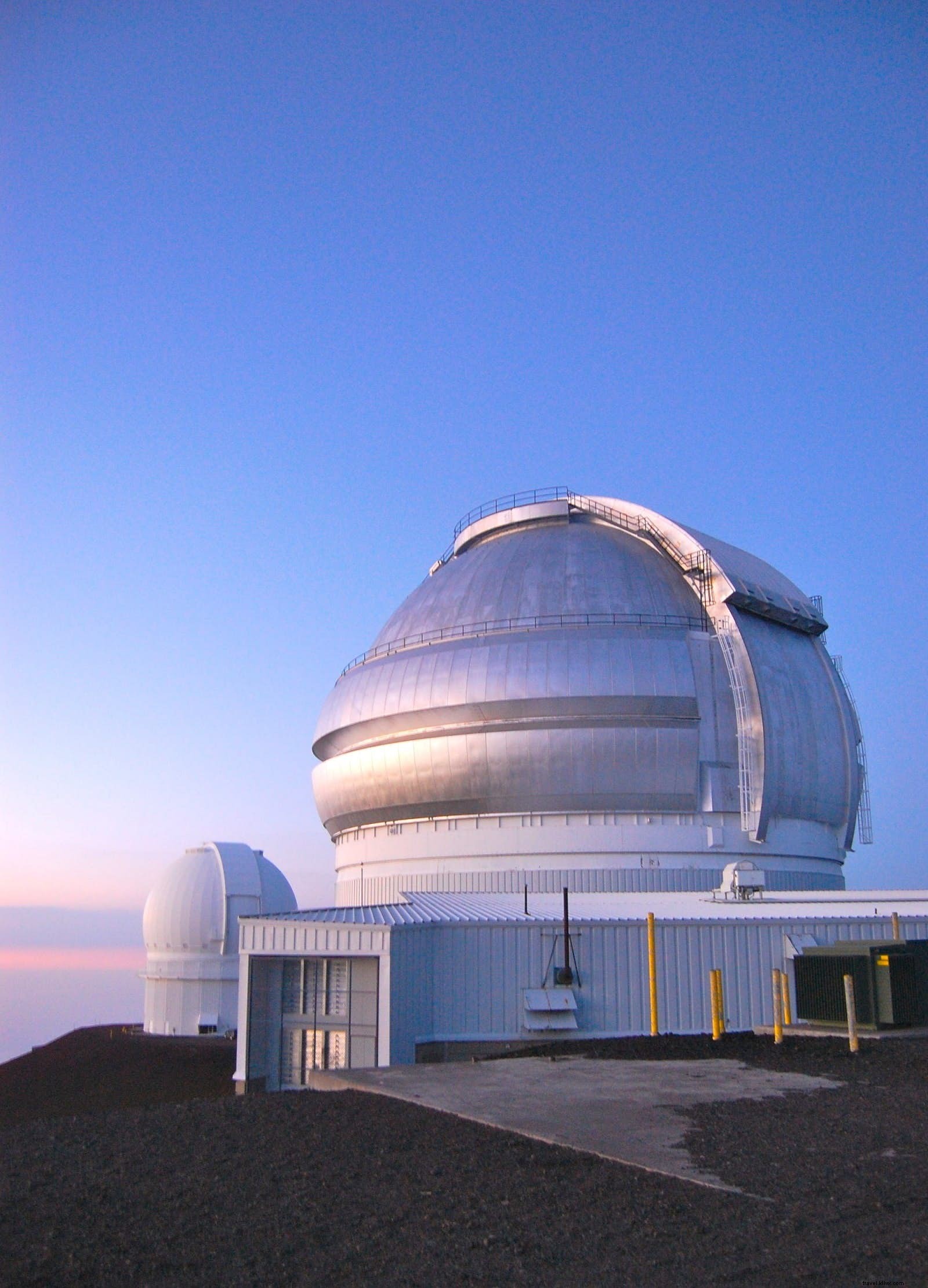
World-Class Observatories
Perched on remote peaks, these sites blend cutting-edge astronomy with hands-on stargazing.
Mauna Kea, Hawaii: At 4,200m, this summit hosts the world's premier optical observatories. Join telescope sessions and stargazing programs under crystal-clear skies.
Canary Islands: Tenerife's Teide and La Palma's Roque de los Muchachos observatories offer guided tours and stargazing, far from mainland light pollution.
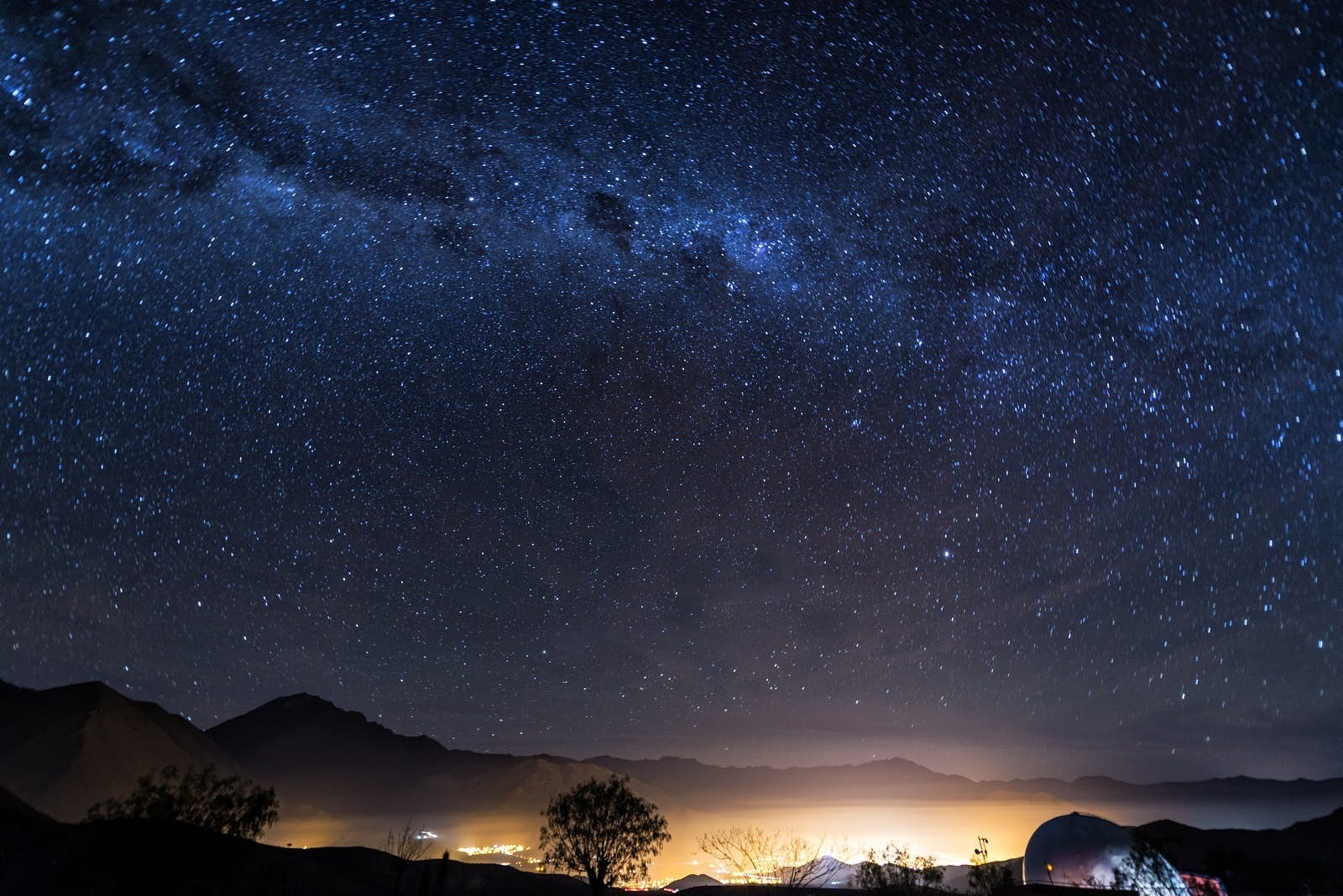
Premium Astro-Experiences
From expert-led tours to luxury escapes, astrotourism caters to every style.
Guided Stellar Tours: Astro Tours delivers scientist-led immersions, supporting research. Sky & Telescope's editor-guided trips visit key sites.
Starry Yurts: Venture to Central Asia or Mongolia for cultural yurt stays under endless skies.
Astronomy Cruises: Hurtigruten's Norwegian coastal voyages feature lectures beyond the Arctic Circle. Princess Cruises offers astrophysicist-led stargazing at sea.
Stargazing Hotels: Chile's Elqui Domos provides telescope-equipped domes. Botswana's Baines' Camp has sky beds and star baths; Scotland's Ackergill Tower offers treehouse stargazing.