COVID-19 Dispatches from Asia: Firsthand Accounts from Local Writers in Kyrgyzstan, Lebanon, China, Vietnam, and Sri Lanka
The COVID-19 outbreak originated in China and rapidly spread across Asia. Now, amid a global pandemic, several Asian countries are facing second waves of imported cases. We invited local residents and writers to share their authentic, firsthand experiences of daily life across the region.
Stephen Lioy in Bishkek, Kyrgyzstan
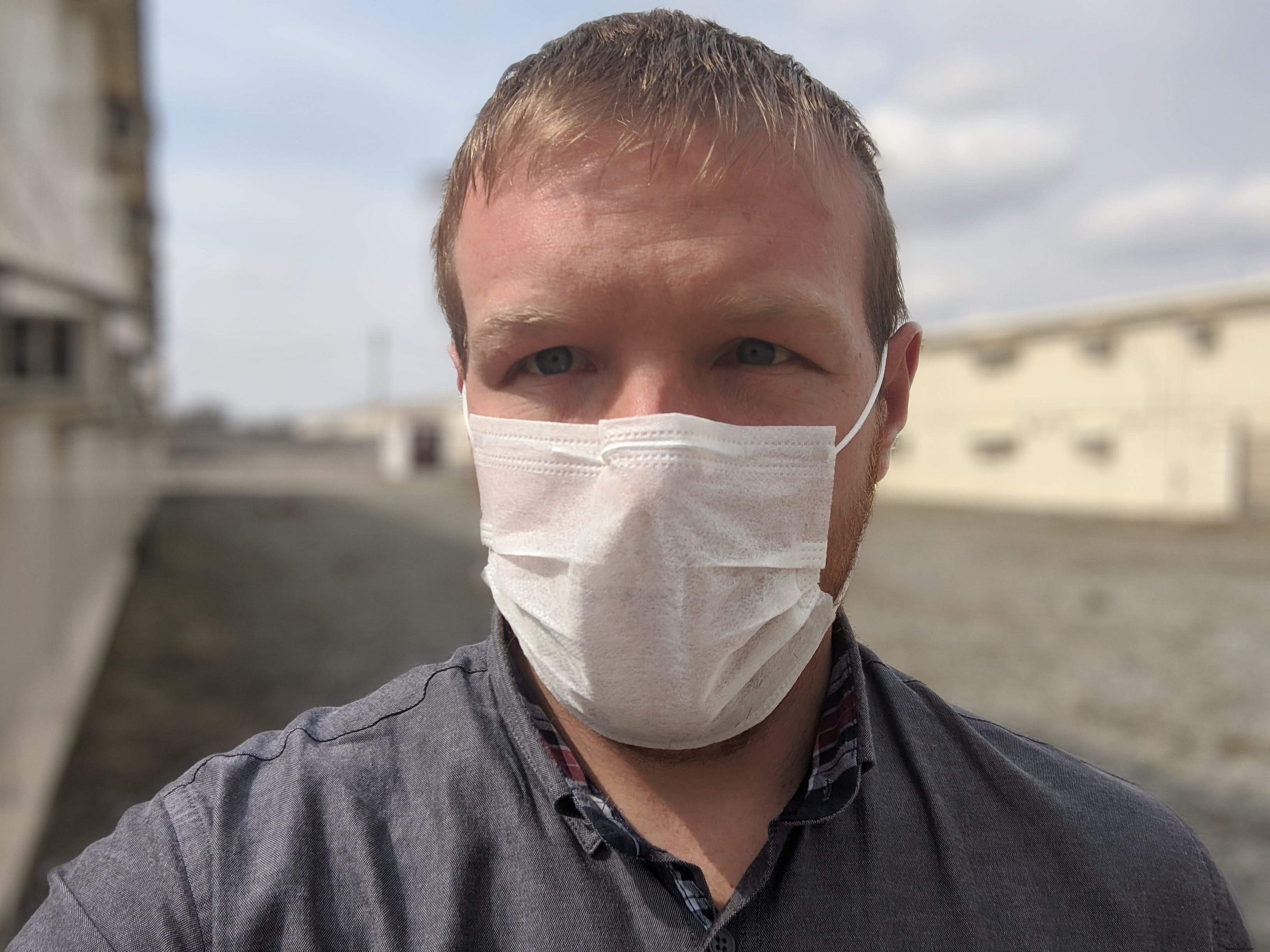
The COVID-19 pandemic derailed my wedding, scheduled for March 21 in Istanbul. After the WHO declared a global pandemic on March 11, we advised friends and family against travel amid rapidly closing borders. I was already in Istanbul for final preparations, following a canceled conference in Berlin days earlier.
Stranded alone, I planned to wait until March 18—14 days after leaving Germany. Kyrgyzstan soon imposed strict entry rules, barring foreigners and requiring quarantine for locals from high-risk areas like China, Italy, Korea, and Germany. When an exception for spouses of Kyrgyz citizens was announced at midnight on March 19, I rushed to the airport, armed with our pre-registered marriage documents.
I'm now on day 5 of a 14-day quarantine in a former U.S. military facility near Bishkek's airport, repurposed recently. Entry wasn't easy: I persuaded Turkish Airlines staff to board me and negotiated with border guards amid fast-changing rules. Three guards threatened deportation during my six-hour airport wait.
Quarantine is monotonous but manageable. The facility is dated since the U.S. base closed in 2012, yet essentials are provided, fostering a shared 'we're all in this together' spirit among residents. We wait—and two weeks can't pass soon enough.
Paul Clammer in Beirut, Lebanon
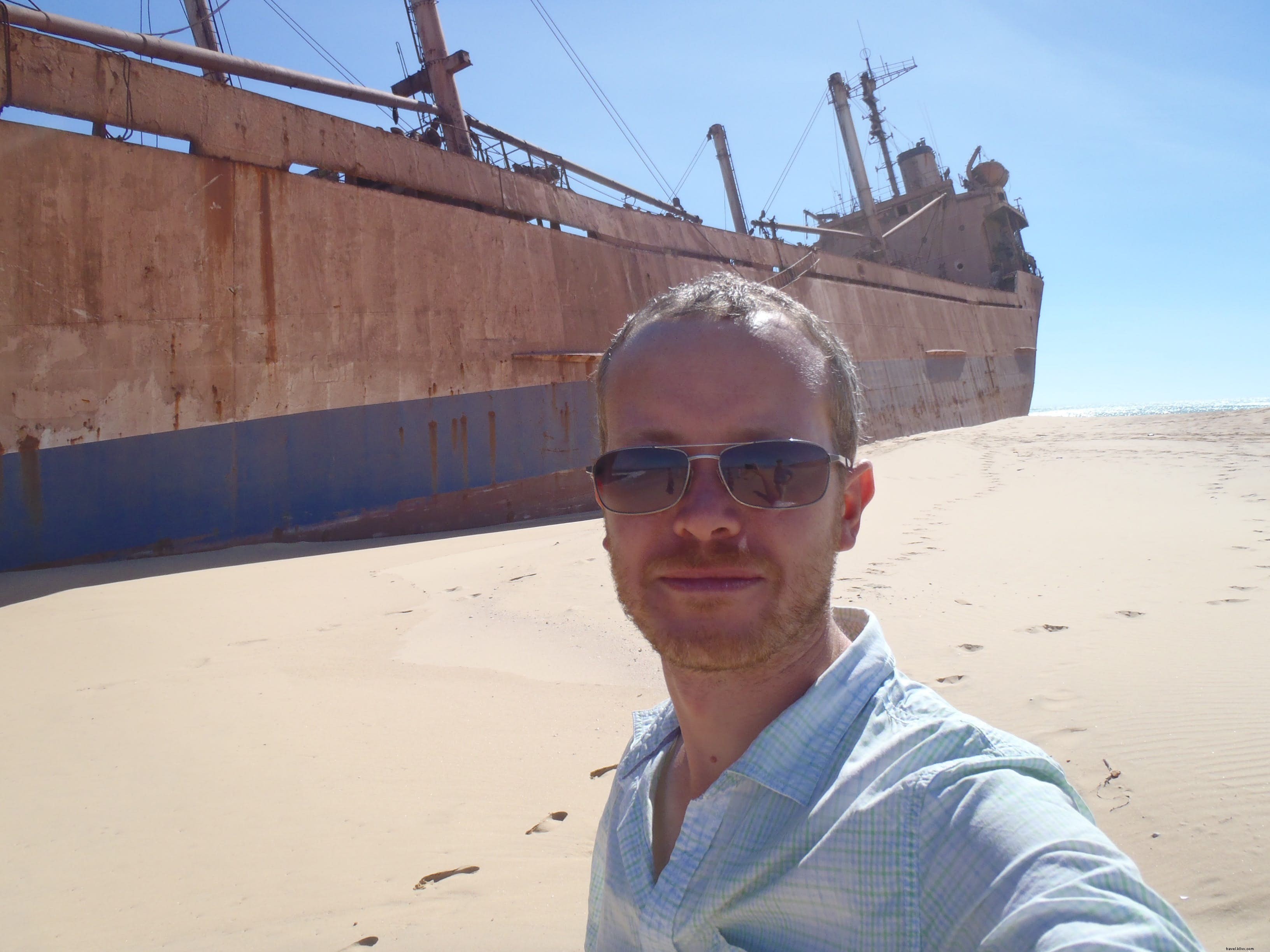
Like many travelers, I was in the wrong place when COVID-19 restrictions tightened. Lebanon's phased travel bans allowed me time to present my residency card at the airport and return home before full quarantine.
My partner and I are self-isolating for 14 days. Our sunny balcony, with blooming jasmine, offers hope that normalcy will return.
Beirut, usually bustling, is quieting as residents follow stay-home orders. The iconic Corniche seafront is deserted, traffic lighter, and delivery scooters thrive in this city where even shisha arrives at your door. Grocery stores are stocked, some using WhatsApp lists and contactless handovers by masked staff.
Pre-COVID economic woes, including a historic debt default and the thawra revolution against corruption, have built resilience. National pride, symbolized by widespread Lebanese flags, unites us in facing this crisis.
Read more: Coronavirus dispatches: writers around Europe share their experiences
Tom O'Malley in Beijing, China
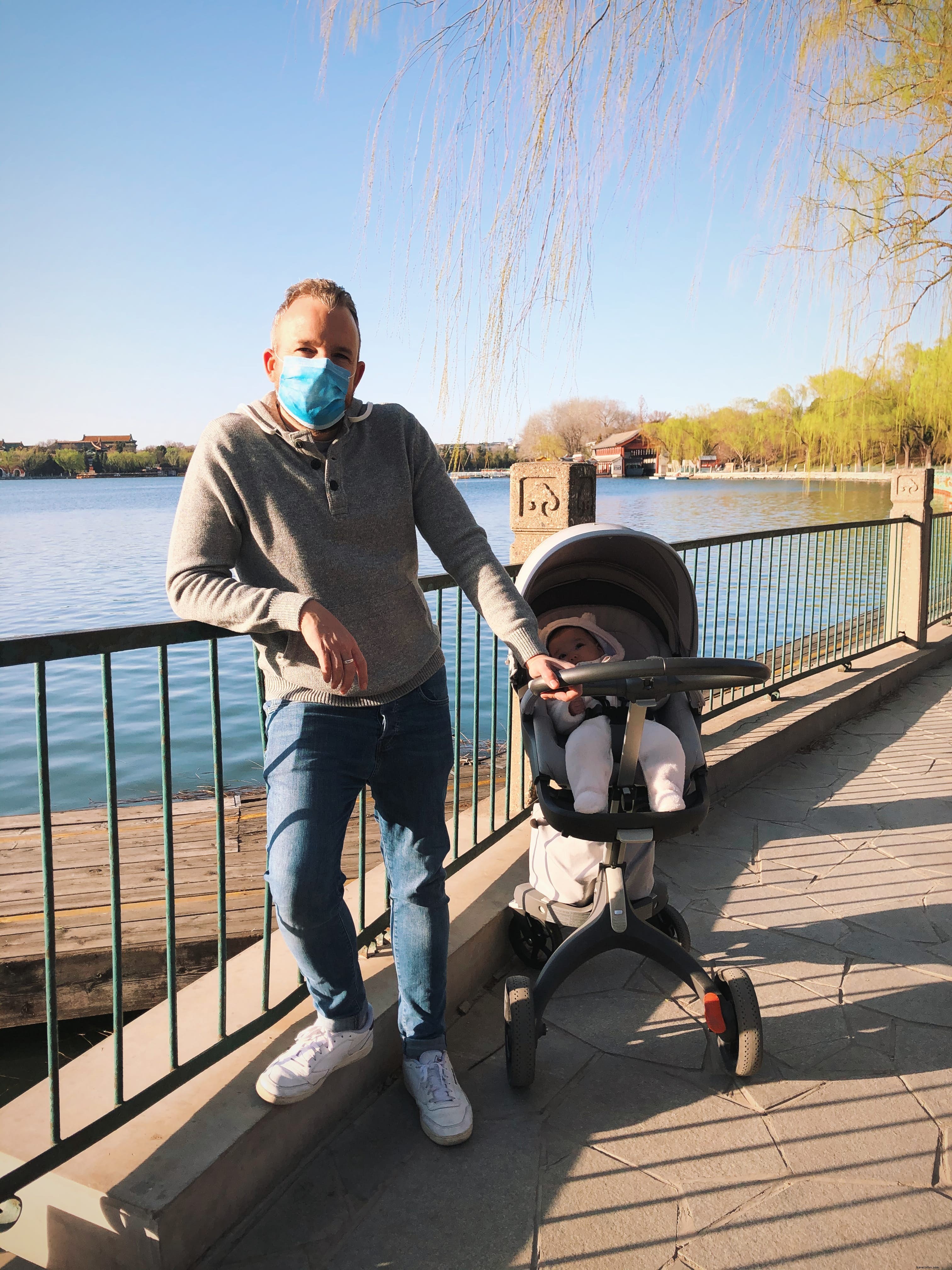
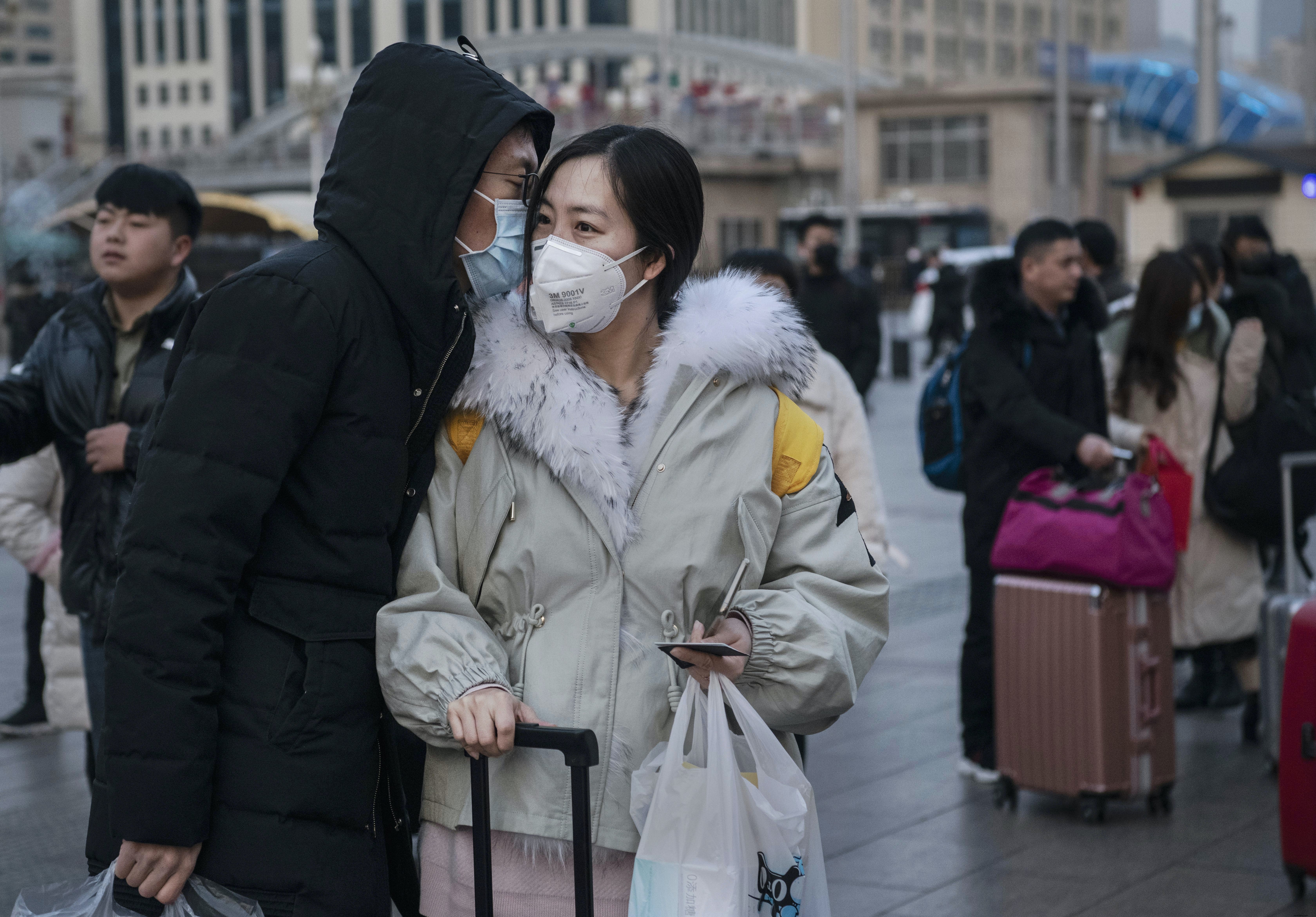
Beijing enjoys spring sunshine and blue skies alongside news of China's first day without local infections since January's lockdown. This milestone reflects a massive, coordinated response typical of China's governance.
Optimism grows as residents emerge. Schools reopen elsewhere (not yet Beijing), parks fill with cherry blossoms, and the 'new normal' includes masks, temperature checks, and phone scans.
Tourist-free streets mark the capital; entrants from nearby cities face 14-day quarantines. Hutong alleys are gated for residents only, crippling boutique hotels like Orchid and Nina. Main-street spots like Slow Boat Brewery persist.
Read more: Coronavirus dispatches: writers around North America share their experiences
With daily changes, the future is uncertain. Yet spring's warmth signals hope and life beyond COVID-19.
James Pham in Ho Chi Minh City, Vietnam
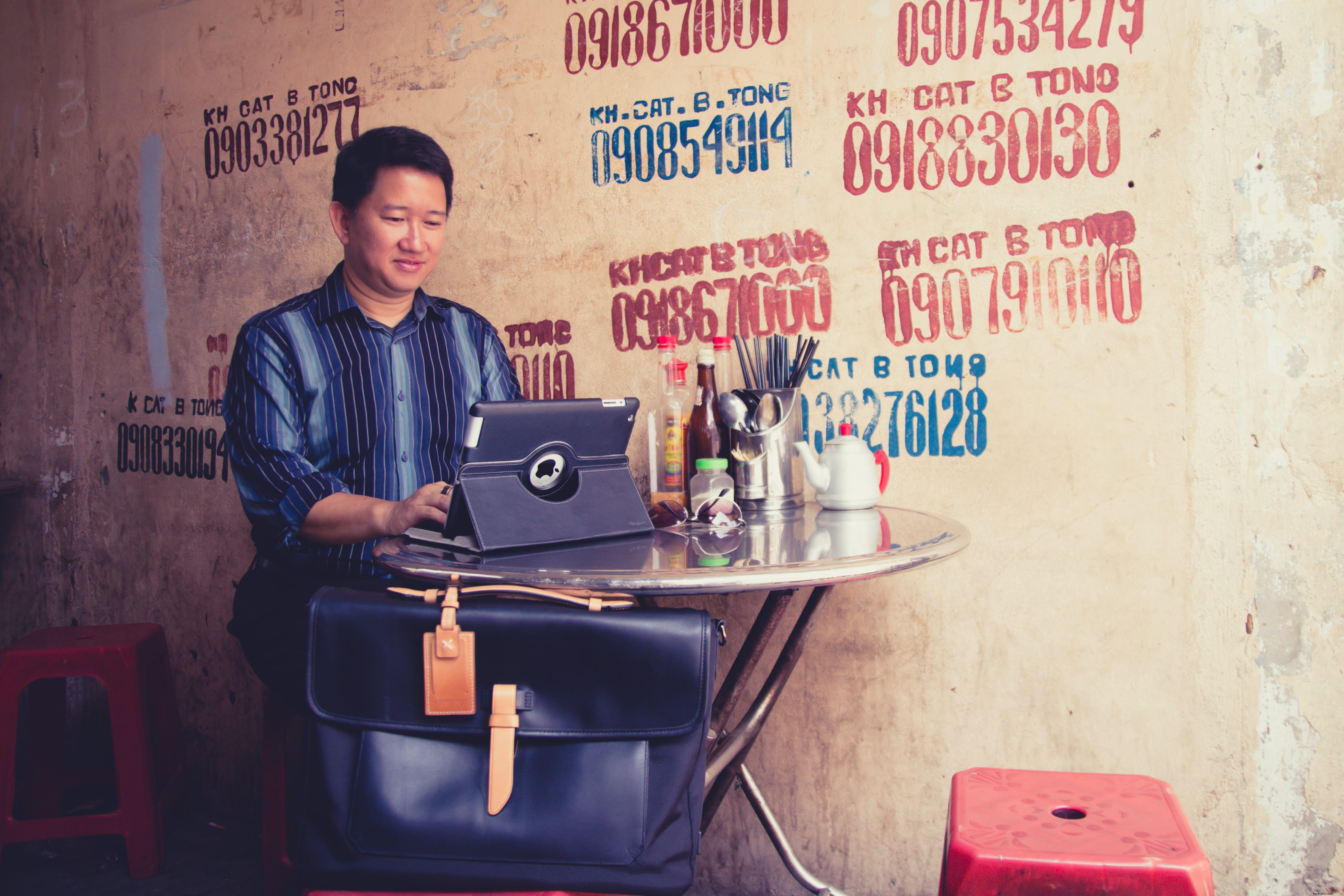
Vietnam's response—early border closures with China and Korea, daily health updates, fines for misinformation—has kept COVID-19 in check, sparking national pride via viral songs and TikTok challenges on hygiene.
Ho Chi Minh City life continues with tweaks: fewer coffee shop patrons (masks make sipping tough), lighter traffic sans schoolkids, multi-generational homes easing childcare.
Panic buying eased; supplies abound, deliveries cheap (phở in 20 minutes for $2). Work is slower, tourism and factories hit hardest.
Read more: Lockdowns and travel bans: which countries have COVID-19 restrictions
Some xenophobia targets foreigners (a third of cases), but government addresses discrimination. Excess produce from China border closures inspires innovations like dragon fruit buns at local bakeries and KFC.
Jenny Elliott in Colombo, Sri Lanka

Sri Lanka's sudden school closures surprised many, echoing last year's post-Easter attack shutdowns but signaling longer disruption.
A week on, cases rise slowly. My family self-isolates in our apartment, far from support networks—a mix of crafts, arguments, dances, and tears. Our balcony overlooking waterways and palms provides calm.
Public holidays aim to curb spread; streets quiet but not locked down. We watch containment unfold.
The novel coronavirus (COVID-19) is a global pandemic. Learn what this means for travelers.
This article was first published on March 19, 2020, and updated on March 23, 2020.