COVID-19 Dispatches from South America: Lonely Planet Writers Share Frontline Experiences
Although COVID-19 arrived late in South America, its effects are now rippling across the continent. Experienced Lonely Planet writers based there describe disrupted travel, strict lockdowns, and rising tensions. Here are their firsthand accounts from the early days of the pandemic.

Mark Johanson in Santiago, Chile
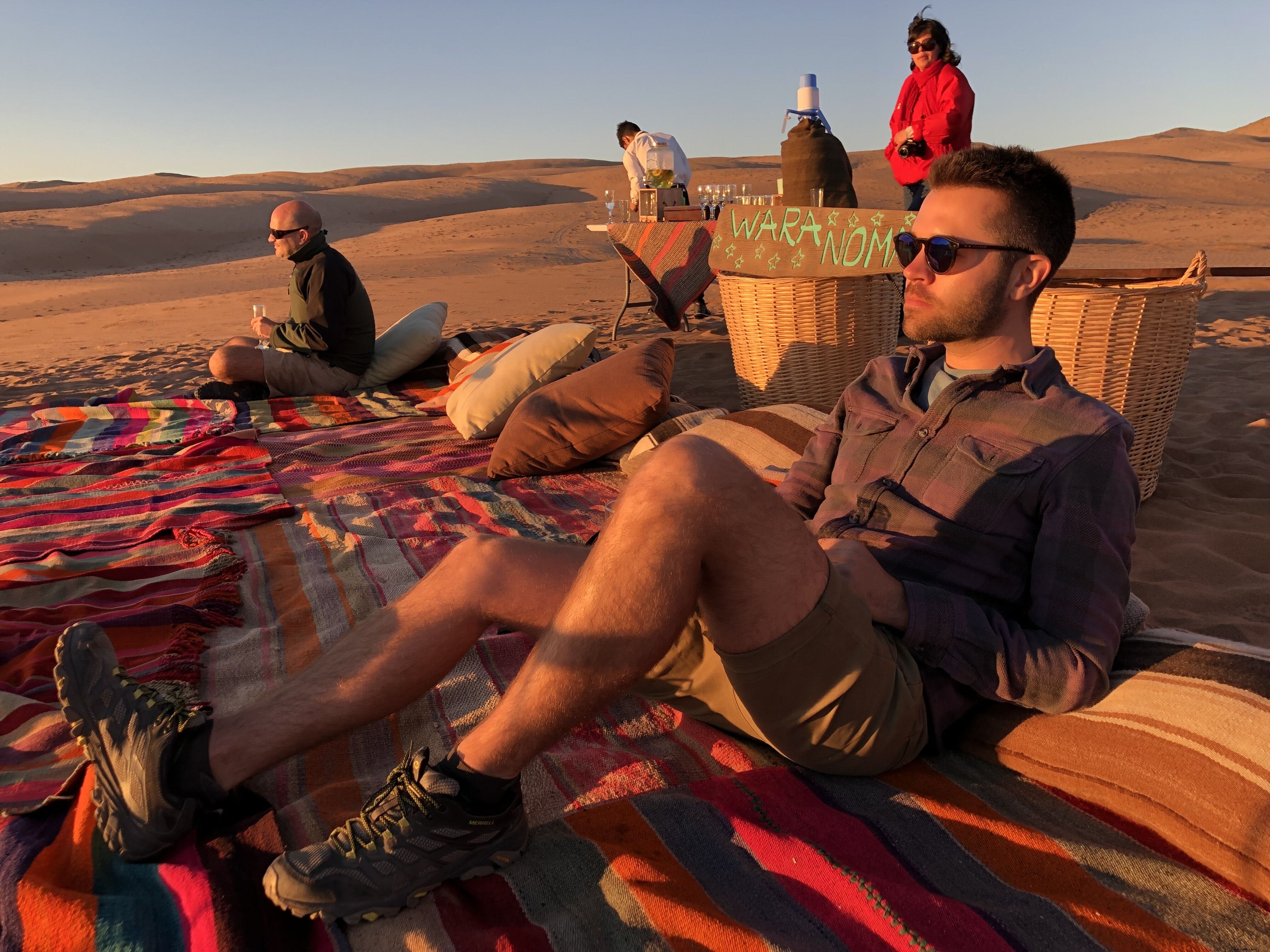
On March 18, Chile closed its borders to foreigners, stranding me in my adopted home with my Chilean partner. Visits to the U.S. are now impossible, leaving friends and family out of reach in emergencies.
Like much of South America, Chile initially saw COVID-19 as a distant issue. Cases were few and confined to affluent Santiago neighborhoods, dismissed by some as a 'rich person's disease.' But in just 10 days, infections surged from 17 to 1,306—Latin America's largest outbreak outside Brazil. The government is ramping up testing and containment, inspired by South Korea's model.
Now, my partner works remotely, children attend online classes, and returnees quarantine for 14 days. Friends are isolating due to school exposures or recent travels. Panic-buying has begun as we brace for prolonged social distancing.
Doug Murray in Guatemala's Lake Atitlán Region

Lake Atitlán, a top Guatemala draw three hours west of the capital, depends on tourism. Towns like San Pedro are quiet as borders close, stranding about 3,000 visitors and expats.
No major panic here yet—beyond some hoarding in Guatemala City. Local tiendas are stocked, and restaurants offer delivery. Indigenous Maya communities remain resilient, though market scuffles over eggs occurred.
Canadian friends urge me home to my 84-year-old mother, but borders are shut, and contact risks are high. ATMs function, and I have cash reserves. Rural healthcare is limited, so an outbreak could be devastating—fortunately, no local cases yet.
Our community holds strong. Power, food, and calm persist—a safe haven for now.
Alex Egerton in Colombia

Colombia faces community transmission, but its corruption-plagued health system is unprepared. Initial nonchalance gave way to local restrictions and a nationwide three-week lockdown.
Sanitary products are scarce, and social Colombians struggle with stay-home orders. While city centers empty, barrios buzz on. Informal workers and Venezuelan migrants suffer most, sparking food insecurity, protests, and looting attempts. A Bogotá prison riot over conditions killed 23 inmates.
I work remotely, monitoring news from my terrace overlooking coffee harvests—a comforting constant. Nightlife bans frustrate many, testing enforcement amid rising boredom.
Carolyn McCarthy in Southern Chile

Returning from Argentina's Iberá wetlands, COVID-19 felt remote in southern Chile. Then, a tourist from a cruise ship tested positive in UNESCO-listed Caleta Tortel (pop. 436), locking it down and alarming tourism workers.
Borders closed to non-residents; schools quarantined children for two weeks, businesses followed, and national parks shut. My British partner missed entry by a day.
Chileans' resilience—forged by volcanoes, earthquakes, tsunamis, and protests—shines through. From my rural home, I walk with my puppy, embracing an unexpected monastic life amid global uncertainty.
Related reads:
“How the hell can I do 100 days of this?” – 5 self-isolation tips from a solo circumnavigating sailor
COVID-19 dispatches: Writers from North America
COVID-19 dispatches: Writers from Europe