The Origins of 8 Quirky American City Nicknames
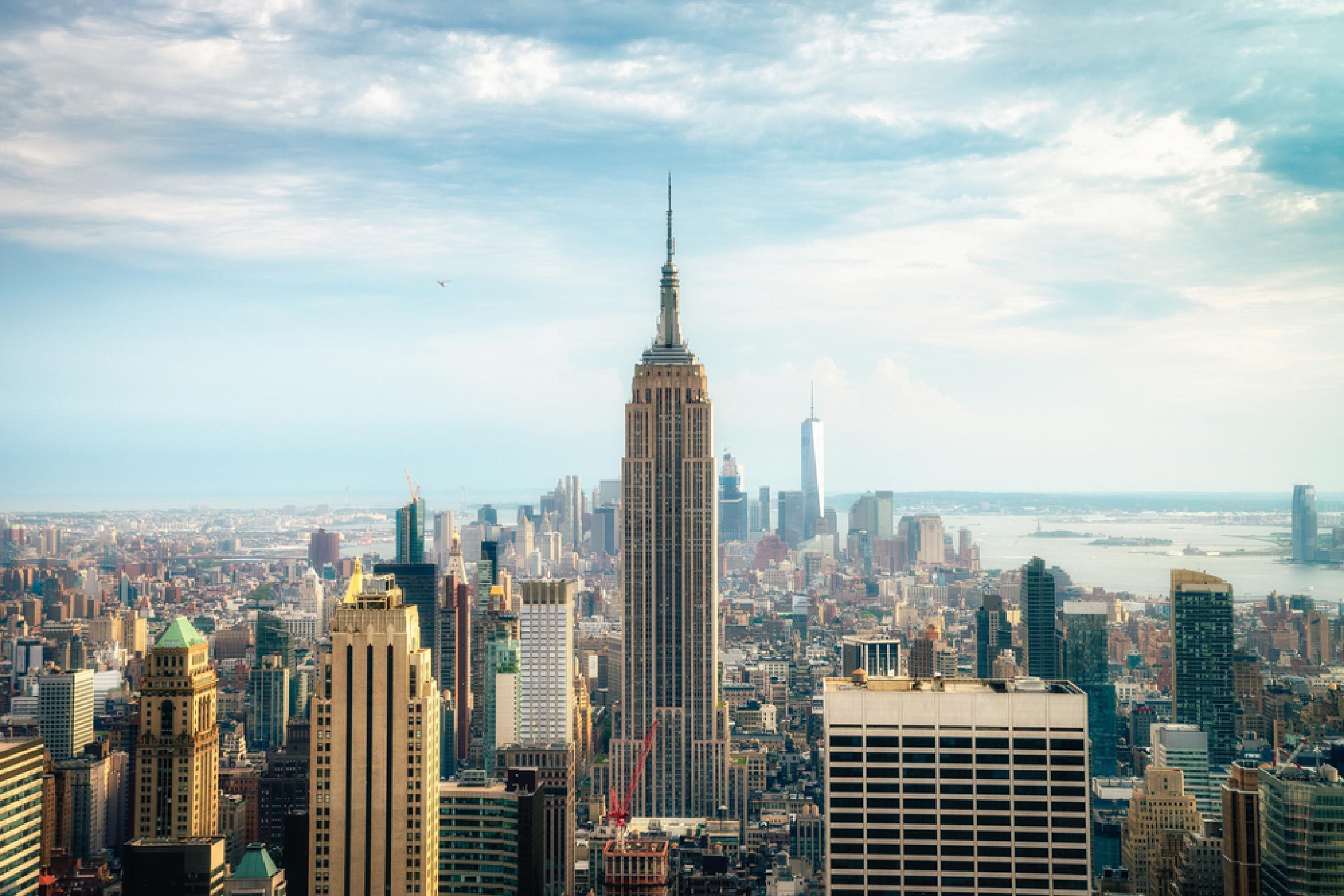
The Big Apple
New York City is known for a lot of things: Times Square, yellow taxi cabs, and crowds, to name a few. But apples? Not so much. So it’s no surprise this nickname has nothing to do with fruit. In fact, the name has horseracing roots. Throughout the 1920s, John Fitz Gerald, a horseracing reporter for a local newspaper, referred to New York as the Big Apple. He wrote that he’d first heard the term used by African American stable hands, who used it to convey the importance of the races the city hosted. By the end of the ’20s, the term was used in other contexts as well, and by the ’30s it became the name of a popular song. It wasn’t until the ’70s that the New York Convention and Visitors Bureau began to promote the “Big Apple” nickname.
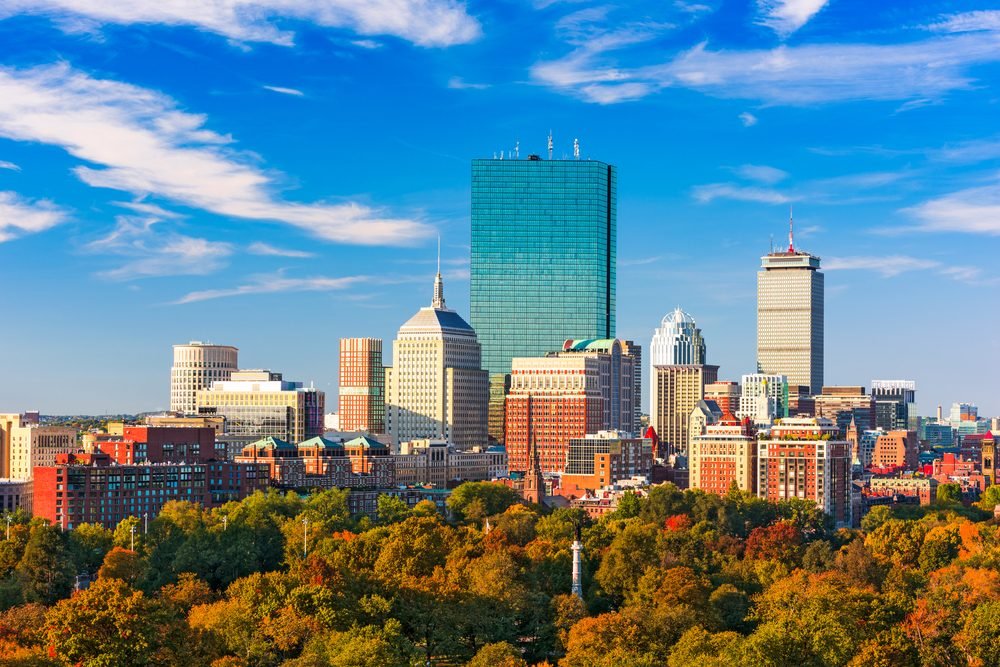
Beantown
Boston has a few historical nicknames that hark back to its days as a colonial hub: The Cradle of Liberty, The Puritan City, The City on a Hill. But Beantown is a tribute to something else entirely: its food. In colonial times, a favorite Boston food was beans baked in molasses. Sailors and traders began to look forward to the dish while in port, and dubbed the city “Beantown.” Don’t miss the answers to 16 history questions everyone gets wrong.
The Big Easy
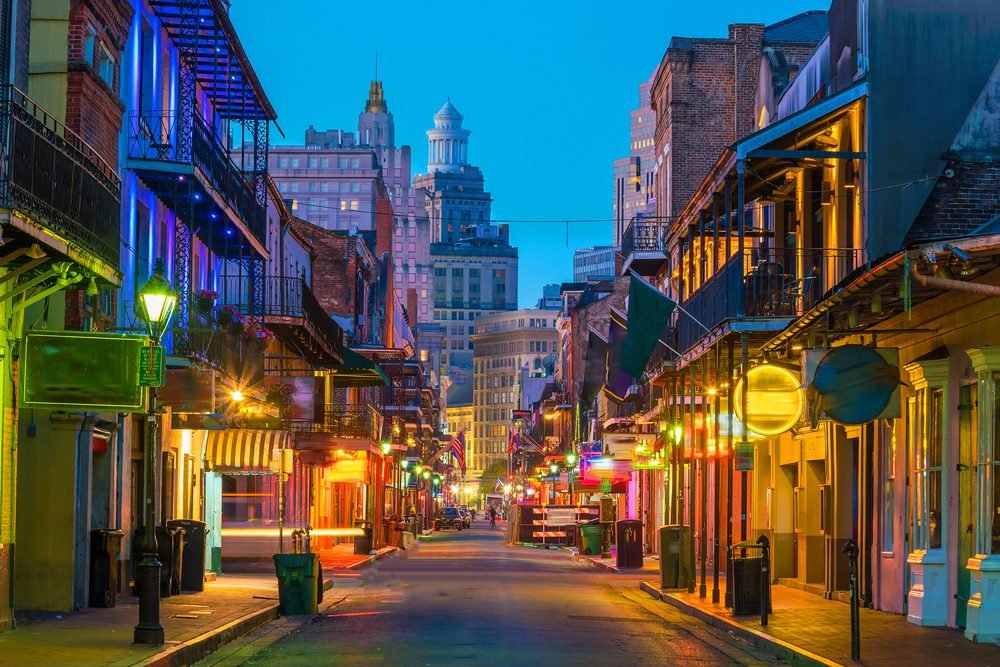
With its wild parties, warm weather, lax drinking laws, New Orleans is known for its laid-back scene. And it turns out, its nickname is a tribute to that. In the 1960s, New Orleans gossip columnist Betty Guillaud allegedly coined the moniker while comparing “the Big Easy” to “the Big Apple.” One city boasted simple living, while the other was rushed and overcrowded.
The Windy City
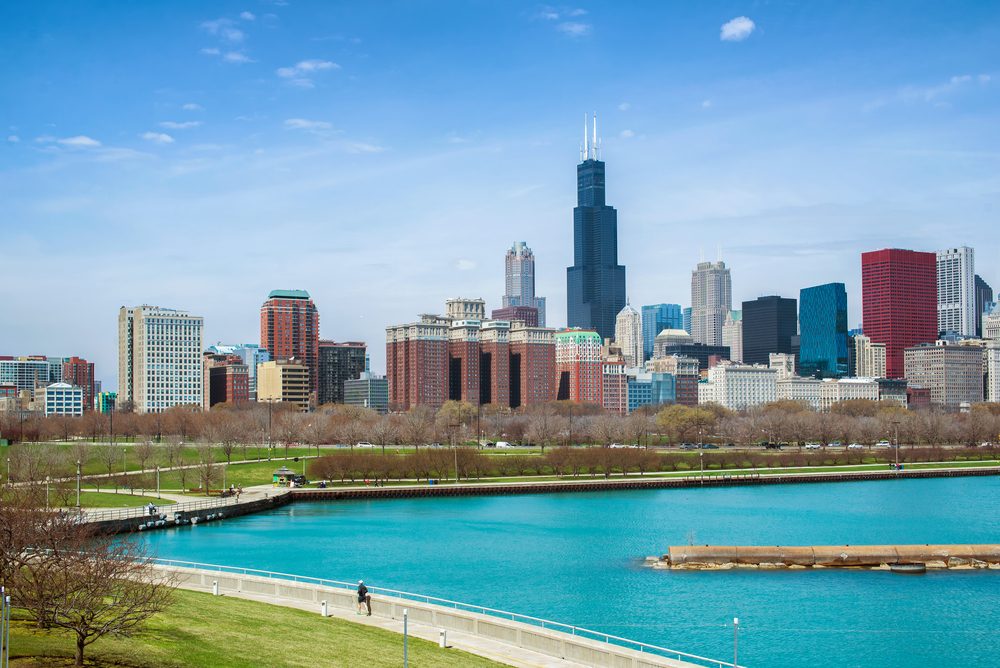
Anyone who’s visited Chicago can attest to the fact that it is, 100 percent, a windy city. But that’s not how this nickname first came about. The earliest known use was a May 9, 1876, Cincinnati Enquirer article with the headline, “THAT WINDY CITY. Some of the Freaks of the Last Chicago Tornado.” The article commented on local politicians who were full of wind and caused the city to be windy. Here are 24 more U.S. state facts everyone gets wrong.
The City of Brotherly Love
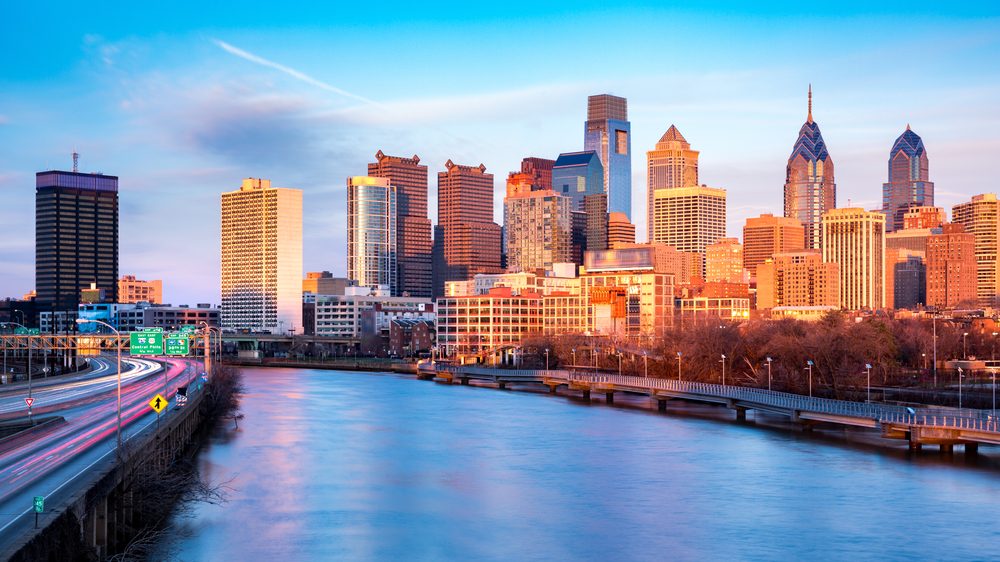
Philadelphia’s nickname is a literal translation of its actual name, which combines the Greek words for love (phileo) and brother (adelphos). It was named by its founder William Penn, a Quaker man who hoped his new city would live up to the high standard of its name.
The Mile-High City
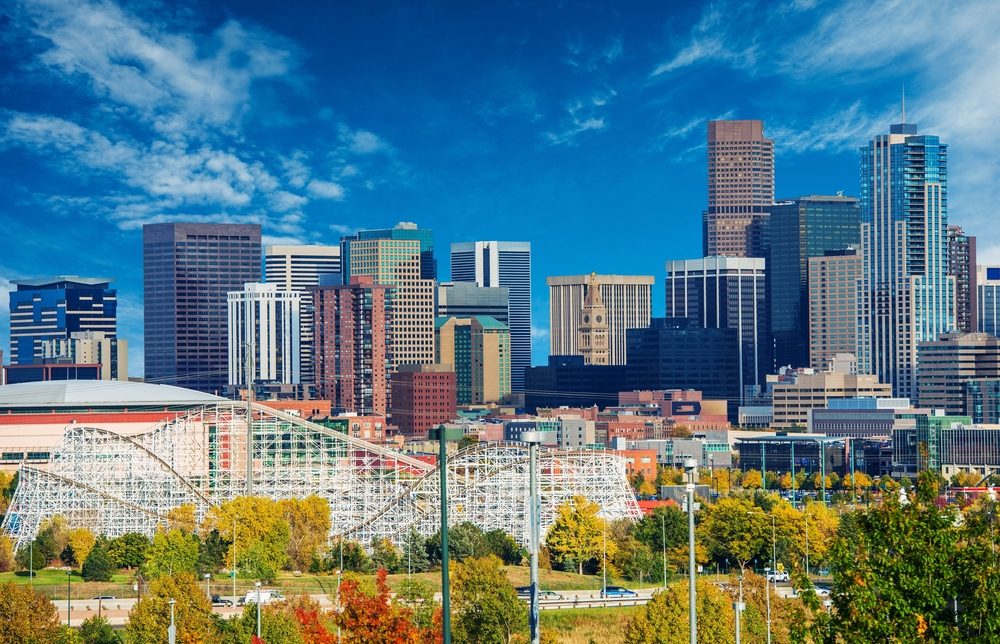
Known for its world-class skiing and stunning mountain views, it’s no surprise Denver’s nickname pays tribute to its terrain. Denver’s official elevation is one-mile above sea level, as defined by the elevation of a spot on the steps of the State Capitol building. These are the 15 U.S. geography facts you didn’t learn in school.
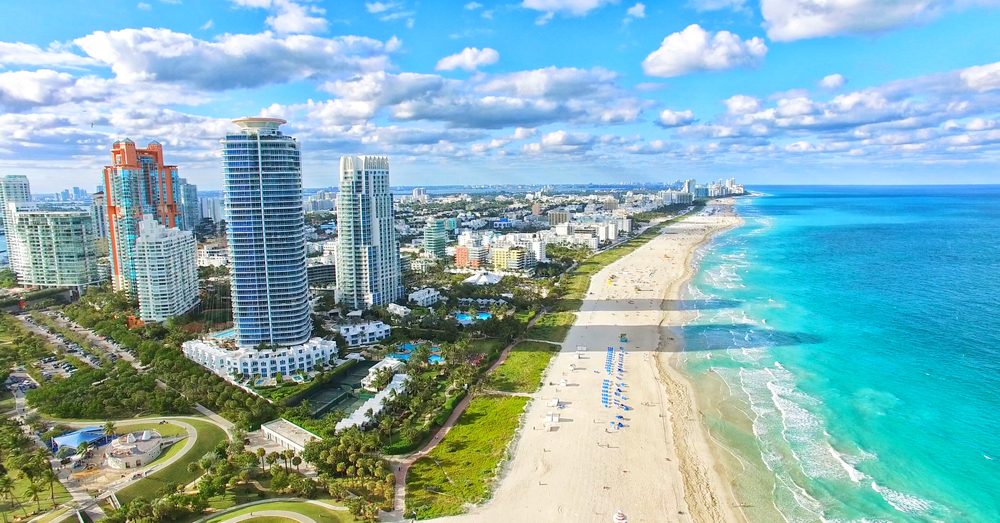
The Magic City
A trip to Miami—with its warm beaches, bright lights, and sizzling nightlife—might lead you to believe it got its nickname because of its magical energy. Actually, it’s because of the city’s rapid development. In the late 1800s, the Miami area was mostly wilderness, with a few plantations here and there. That’s until plantation owner Julia Tuttle decided the city should be reachable by railroad. She took her plan into action and a railway extension was built. Almost overnight—almost as if by magic—Miami’s population exploded and a city appeared.
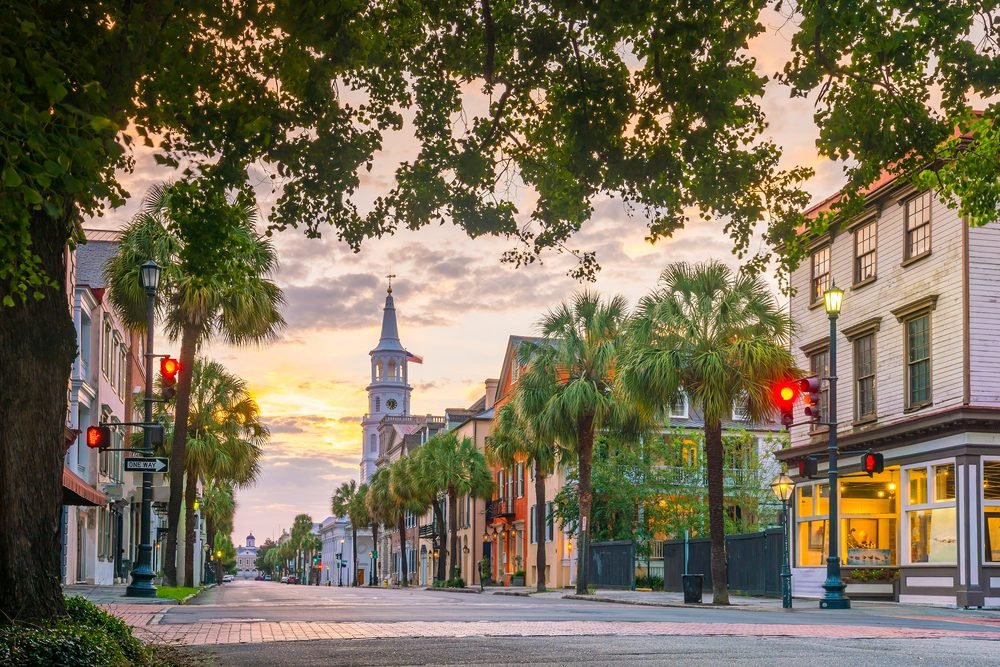
The Holy City
Head to Charleston, South Carolina, and you’ll find houses of worship all around you. But it’s not just the quantity of religious institutions that gave this city its nickname. As the peninsula was being developed the steeples of these churches served as landmarks for sailors. Ship captains could see the skyline from afar, and know exactly how to get to the Charleston ports. Learn the 50 astonishing facts you never knew about the 50 states.