
Beyond the Highlights: The True Story of a Challenging Expedition
The story of any journey cannot be properly told through the golden-hour highlights alone. The true story of any journey includes drudgery and dirt under the fingernails, and that requires telling too.
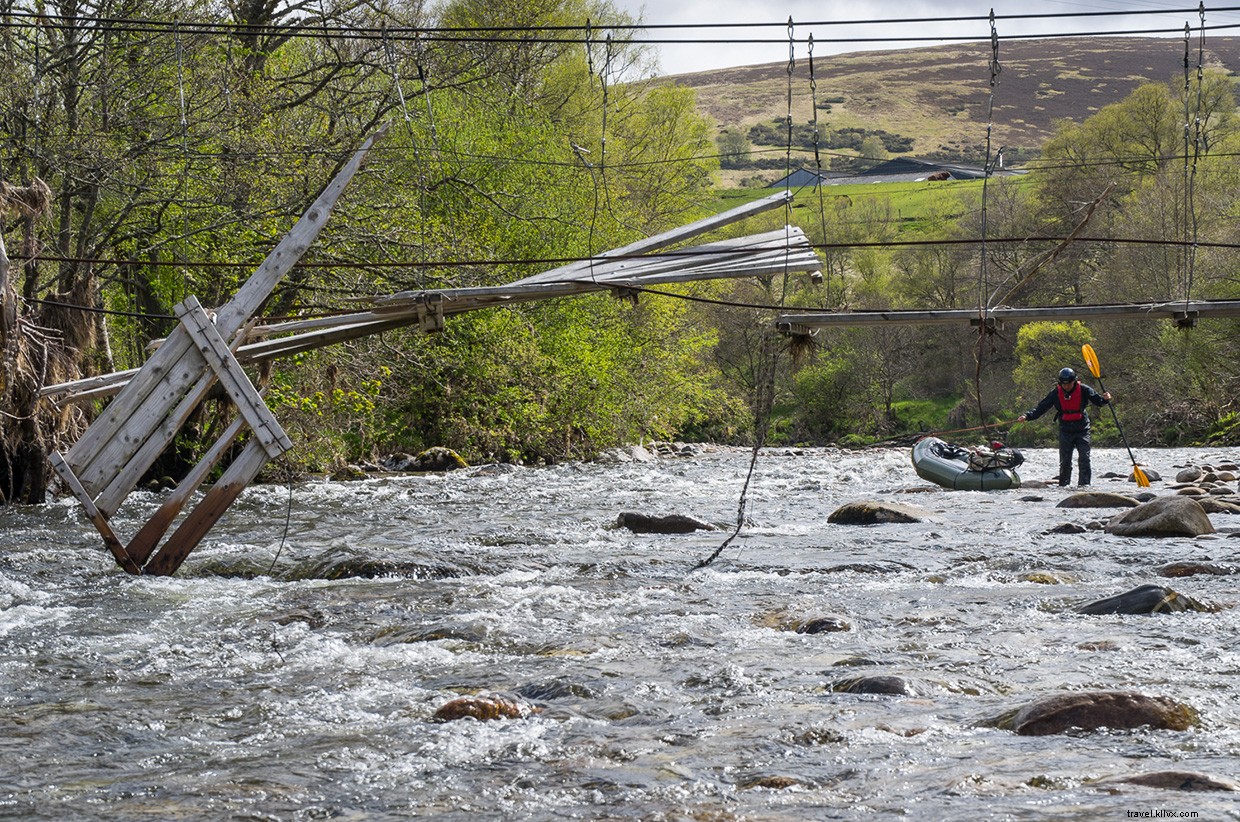
In our case this came in the form of time squandered on blow-ups and pack-downs on rivers not paddled. There was road walking too – bloody hours of it. We swallowed Ibrubofen with every meal, gaffer-taped our heels, woke up dehydrated with slugs on our faces and smeared to a paste inside our bivis. Our hardshells were gnawed at by mice and there was profanity and the vanity of self-inflicted hunger. Pulling ahead of my partner on a hydro access track, I missed my daughter and her mother, and tried not to cry into a smartphone. Not so clever now.
It was the dissonance at Corpach, where hundred-year-old trees like the ones we’d paddled past for the last two days are machined into sawdust and flat-pack. And it was being sick at the sight of one more Grouse moor – the endlessly rolling green and brown desert, a drab savannah bejewelled with fen traps, strips of heather burnt to a cinder, and a hunting shack decked out in Union Jacks. There’s little adventure to be had here unless you are deaf, dumb and blind: just a feeling of absence and sadness.
This part of a journey is not inspiring; it does not stir the soul or rouse the spirits. It’s not especially testing either. It’s just part of the story, not more and not less. Sometimes it’s where the learning happens, sometimes it’s just fools passing through on an errand.
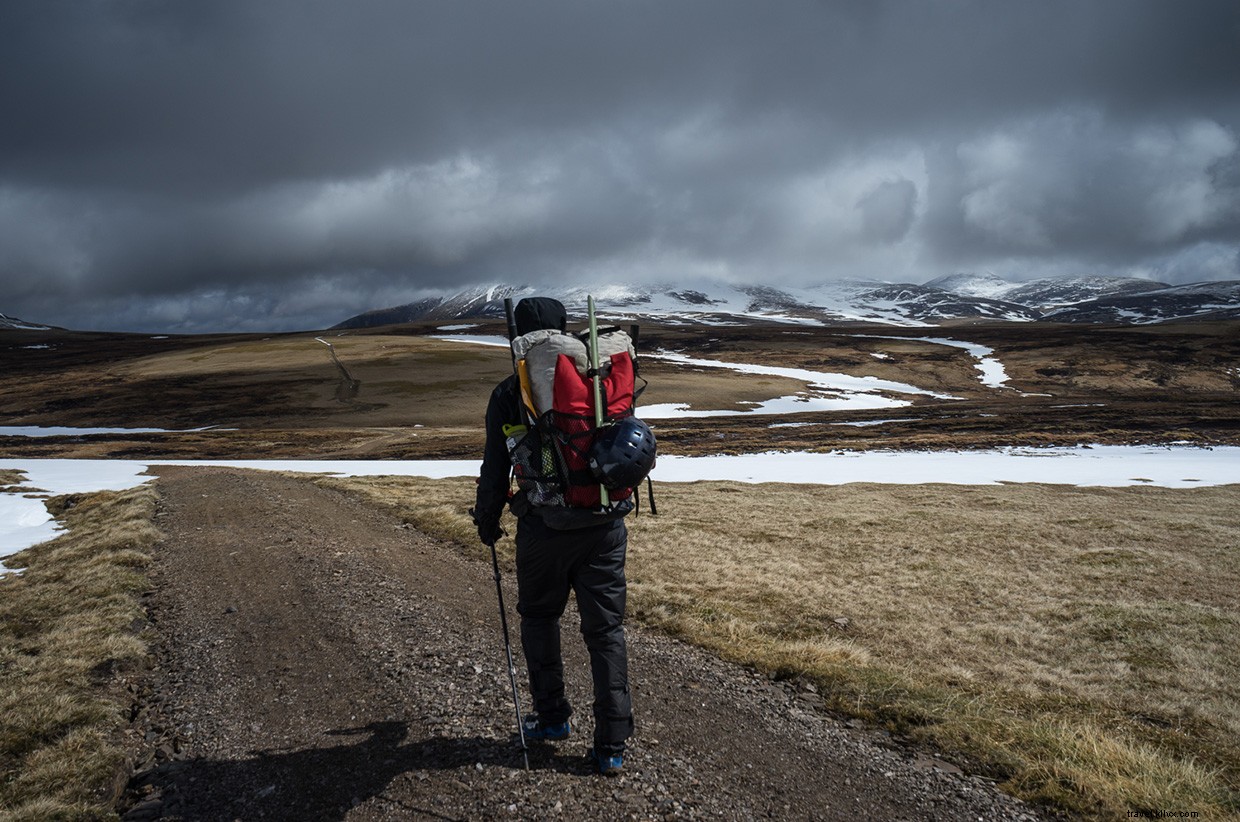
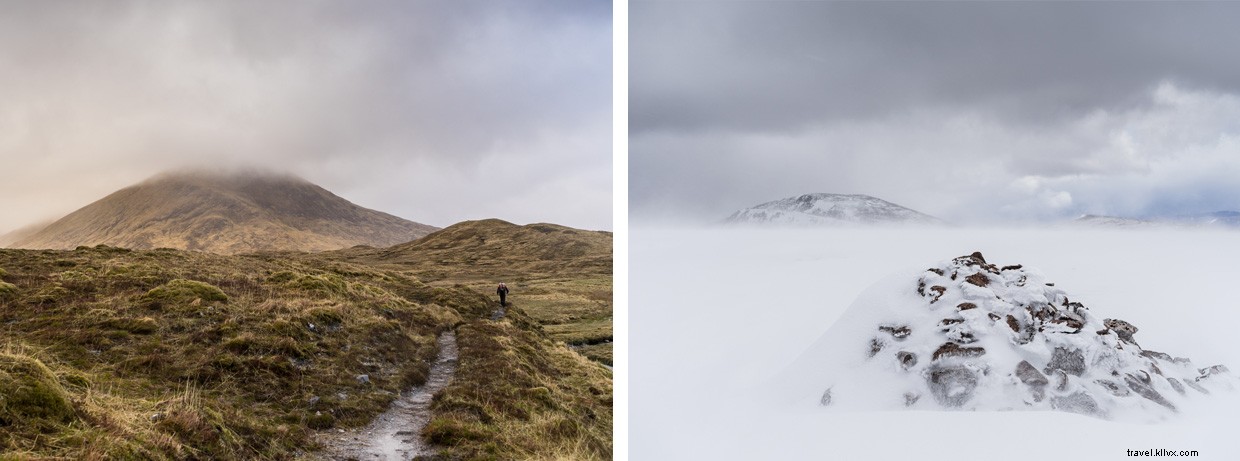
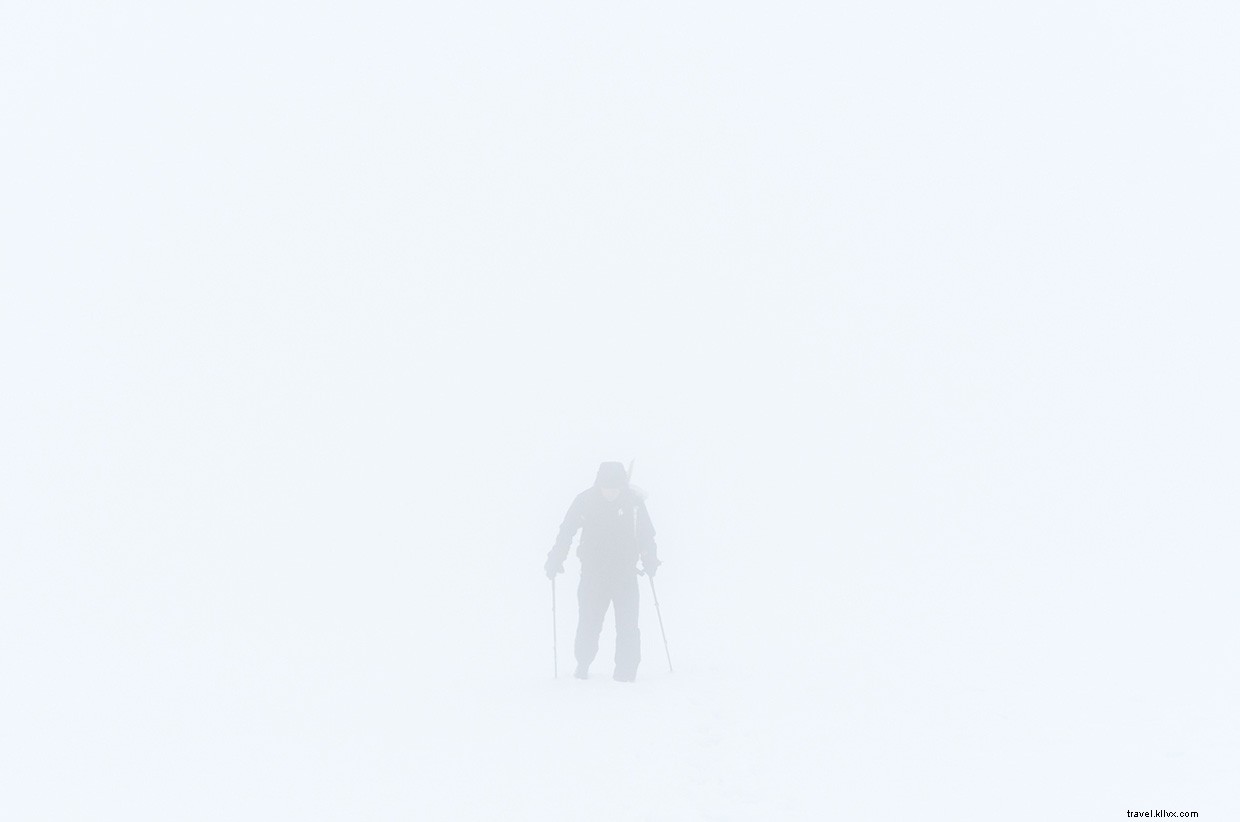
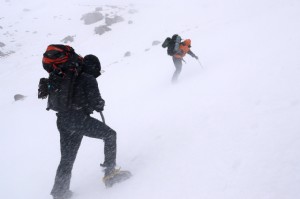
I’m shouting at the weather. I can’t see the cornices for spindrift. It’s stopped being uncomfortable, and started to become dangerous. Other than yelling ‘yeah, this is shit’ back to me, Dave stays quiet. We make our decisions separately; mine came a good while after his. Either way, we’re going down, getting off the bleeding edge. I’d been challenged earlier: ‘The only reason to carry on is to say that you’ve done it’. I take a few minutes to answer, carefully saying, ‘It’s not about bragging rights; it’s about knowing we’ve tried as hard as we could without putting ourselves and each other in danger.’
Out of reach of the immediate hostility, we briefly cram an energy bar each and talk about risk. I don’t know if we come to any conclusions, but relief is pouring off both of us. As we stumble through heather and sleet towards a sodden pass, I look up: the black clouds that race above our heads have swallowed Cairn Toul whole. I know retreat was the right thing to do, but I’m irritated by the conditions, by the company, by my own skin. I feel bad for my partner; that guy he’s travelling with is so stubborn, so serious. It doesn’t matter really, so why does it matter so much to me?
There’s a world of difference between taking a risk and leaving it to chance. Neither of us are chancers up here, but we assess those chances differently. A part of me envies his rationality, his ability to name the odds out loud… but right now, I don’t really understand it. Right now I want to preserve risk, nurture discomfort. The Luddite in me wants to knock the GoPro drones out of the sky with a catgut catapult: the map is not the territory, and must never be.
A few days previously on Aonach Mor, I picked out a gully descent I’d used two years ago. I was as sure as I needed to be. But the path I’d taken previously vanished above some crags, the route destroyed by the freeze and thaw of two winters since. The clag closed in and became oppressive. I gritted my teeth, remembered to ‘smear or disappear’ and belayed Dave over the crux, but right then? I didn’t feel so sure of myself.
Judgement calls. How do we answer?
But it didn’t start then. It started at Sanna Bay, where the cliffs radiate grey-green west coast light and the machair breathes soul truths. In and out, in time and tune to distant surf. There are other, less unsettling fragments to make a story whole. Pieces that heal, as well as those which beg questions.
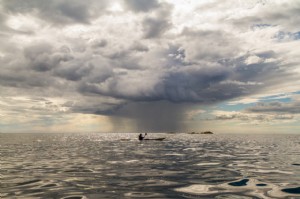
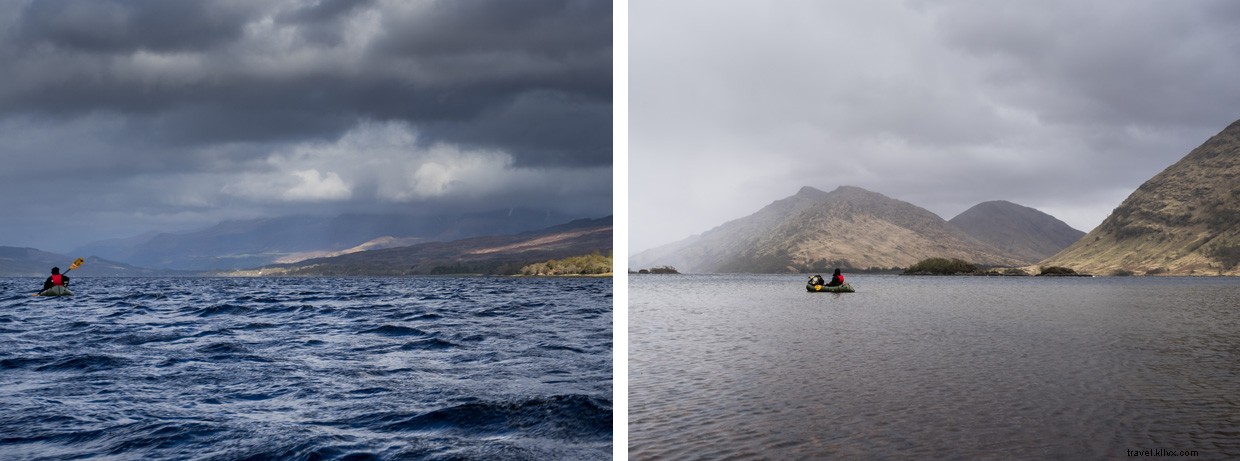
Blessed by ever-present tailwinds in the west, we rode the polyrhythms on Loch Shiel, Eil, Ossian and Ericht, surfing the swell whenever we sync’d to that beat. Leaning forward to catch the next wave as water rushed stern to bow and paddles kicked in the gusts, we couldn’t help but meet the flow of that wild power with joy and laughter.
The cold-blue metal light that shone between showers on Loch Ossian, the Thieves Road like a door ajar through the Ben Alder massif at the far end of the water. Some trails seem familiar – paths that have existed for millennia. You’ll know them when you find them. We’d paddled every stretch of water and made all four Lochaber summits at that point; the logic of the trip held until that day on the Cairngorm plateau.
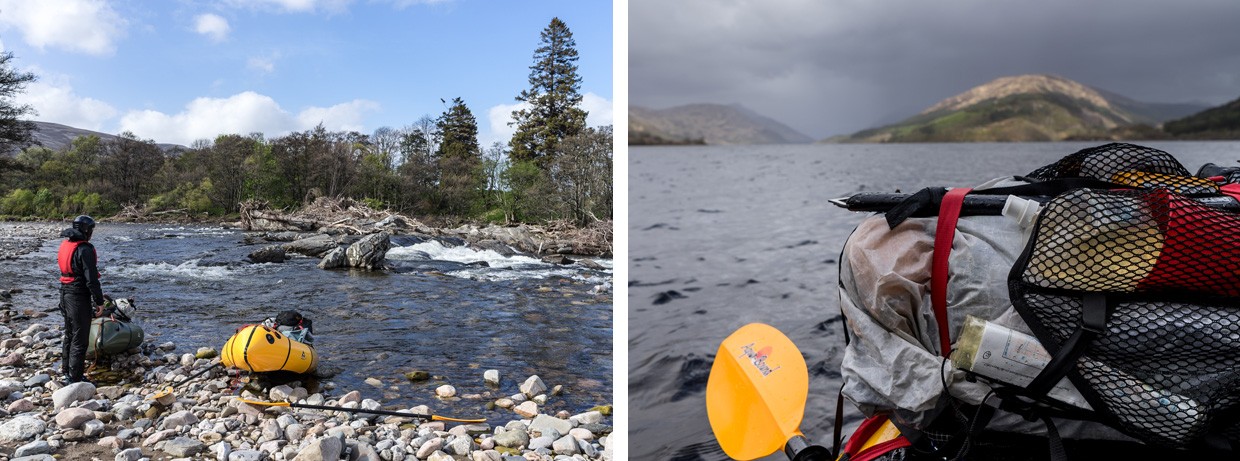
The stoic old school charm of the Charles Inglis Clarke hut in Coire Leis, standing resolute under Nevis’ North Face. And swell sickness: the dizziness brought on by paddling for hours, where the body on land thinks it’s still on the water – not the antibiotics I’d been taking before I left, after all. The quietly moving Eilean Fhianain – an isle of graves on Loch Shiel, where I rang the bell at the chapel ruins, but the residents slept on. And entering Glenfinnan the old way, as white burns in spate poured down from hillsides swathed in clag and Swifts flick-knifed their flight paths around our 21st century coracles.
Birdlife and birdsong were our constant companions as our paddles sang from coast to coast. Ringed Plover on the strandlines, artic terns on the river rocks. Cuckoos on Steall meadows, snow bunting on Nevis. The silent, pensive hunters – herons everywhere, barn owls too. Wagtails hunting swarms of mayfly flying counter to the river flow, inches from our heads. Whole cities of martins busy on the cliffs bookending Focaber, the little town marking the beginning of the end, where the sound of curlews mixed with the sound of police sirens and a soup factory generator. Nesting oystercatchers making such a racket we feared we’d made them flee their nest, and lapwings, once common but now rare, which Dave taught me to identify as ‘tie-fighters’. The world of birds is a busy one, and boat travel is an education in their industry.
Spring in the Highlands means snow one minute, sun the next, and despite the late season, this year was no different. But as we descended over two days, following the Avon from its source in the mountains to its confluence with the Spey, a high pressure stabilised both the weather and our mood. The Spey is Scotland’s fastest river, and keeps giving right till the end, its steady flow meaning I got to know my brace positions well. Now there was warmth on our faces, plenty food neither dried nor rationed, gorse in bloom, campfires, beer and good single malt, and a final island camp, carpeted in an otherworldly understory. These things conspired to bring balance to a good, short, hard trip.