
Discover Madagascar: Unique Wildlife Wonders from Lemurs to Tsingy Peaks
Located in the Indian Ocean off Africa's southeast coast, Madagascar has evolved in isolation for over 80 million years, creating a one-of-a-kind world of upside-down trees, stone forests, and iconic lemurs.
Embark on an immersive journey through this biodiversity hotspot that continually astonishes visitors.
Kirindy and the Baobabs
Begin your adventure in the west, encountering wildlife and strolling among legendary trees
Guide Jean-Baptiste moves effortlessly through the forest, his flip-flops slapping the path. For the past hour, he's navigated a maze of identical trails, spotting camouflaged wonders: a twig-mimicking pencil snake here, a hefty land snail there.
Spotting a sportive lemur with a quick glance, he directs us patiently ('Left of the fork, below the second branch—no, further down'), revealing its teddy-bear face and wide brown eyes peering from a tree hollow. This sparks a cascade of sightings in Kirindy Forest.
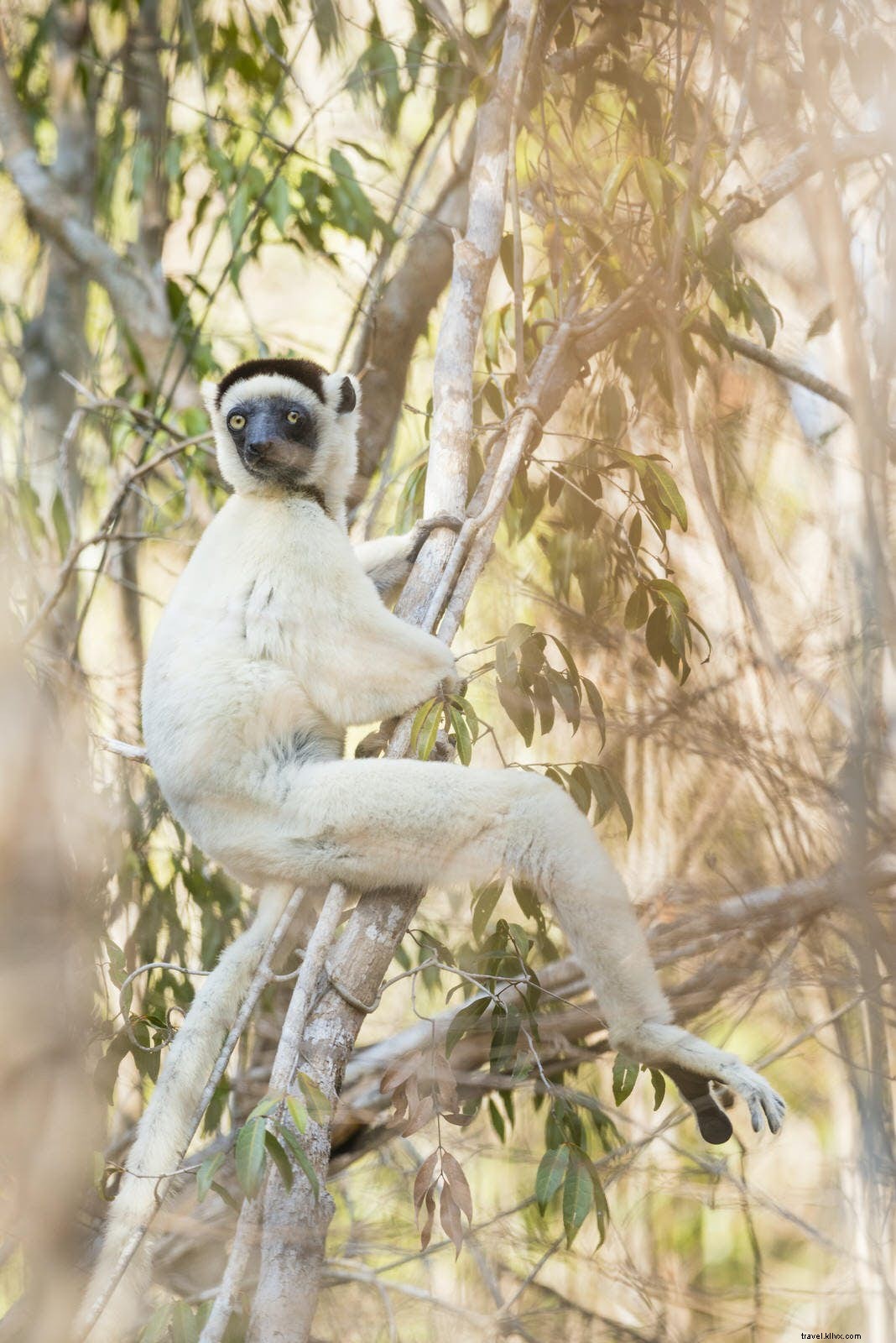
Nearby, a black-and-white Verreaux’s sifaka leaps gracefully between treetops like a circus performer, her baby's tiny head emerging from her fur. Jean-Baptiste's distinctive 'whoop-whoop' call draws a family of red-bellied lemurs down from the canopy for a curious inspection.
Kirindy, the last dry deciduous forest on Madagascar's west coast, hosts eight lemur species—and their sole predator, the endangered fossa.
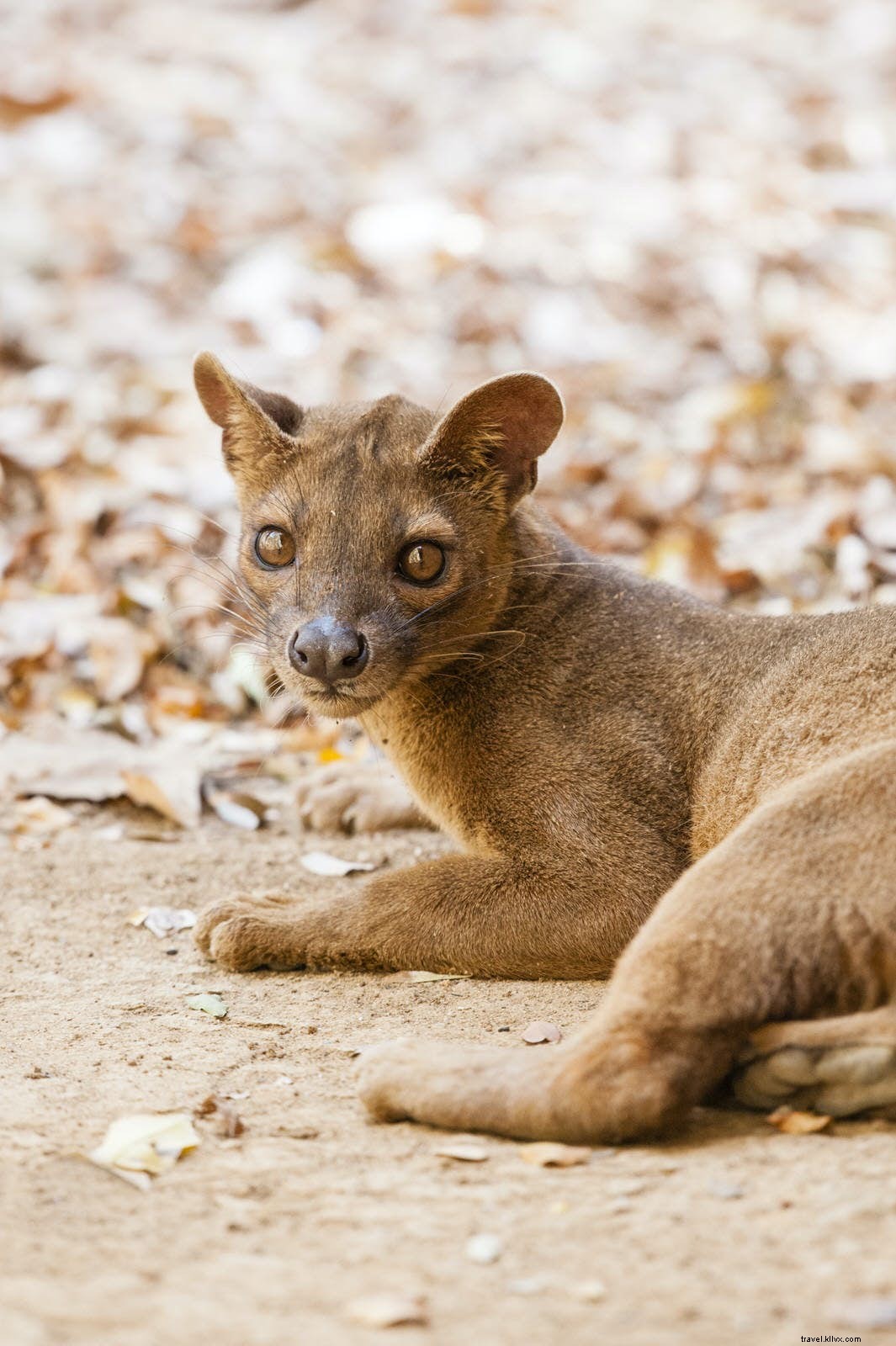
Three fossas lounge at the ecological research center, emerging to stretch and yawn before vanishing into the undergrowth. Resembling a dog-weasel hybrid with grey-brown fur and piercing yellow eyes, they highlight conservation challenges. Center manager Mamy Ramparany explains, while checking for more: 'Habitat loss from farming and logging drives them here for food. Conservation means balancing human benefits with forest preservation—it's challenging but hopeful while wildlife persists.'
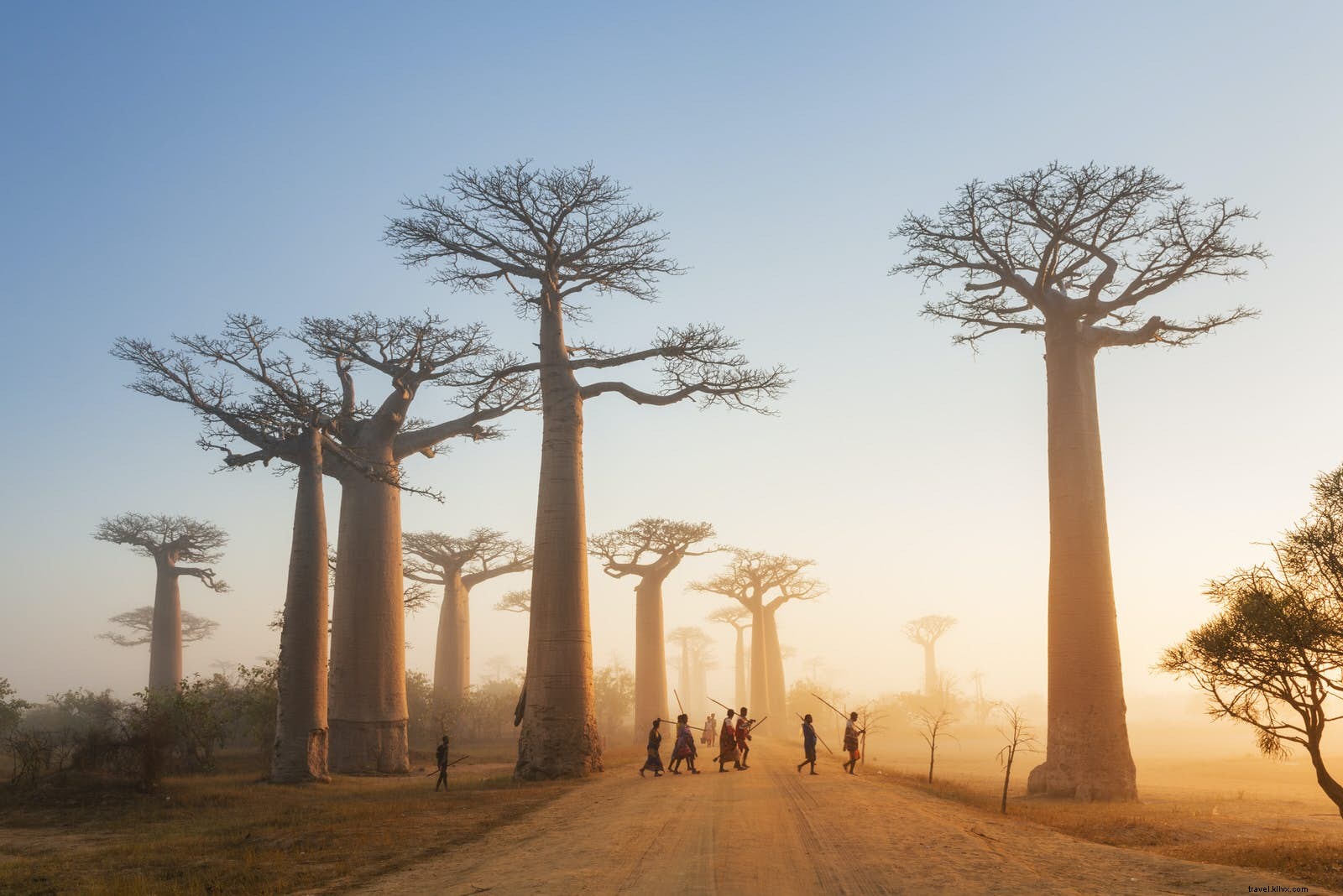
The forest's distinctive baobabs—'mothers of the forest' in Malagasy—underscore this. Once abundant, many now stand isolated amid deforested land.
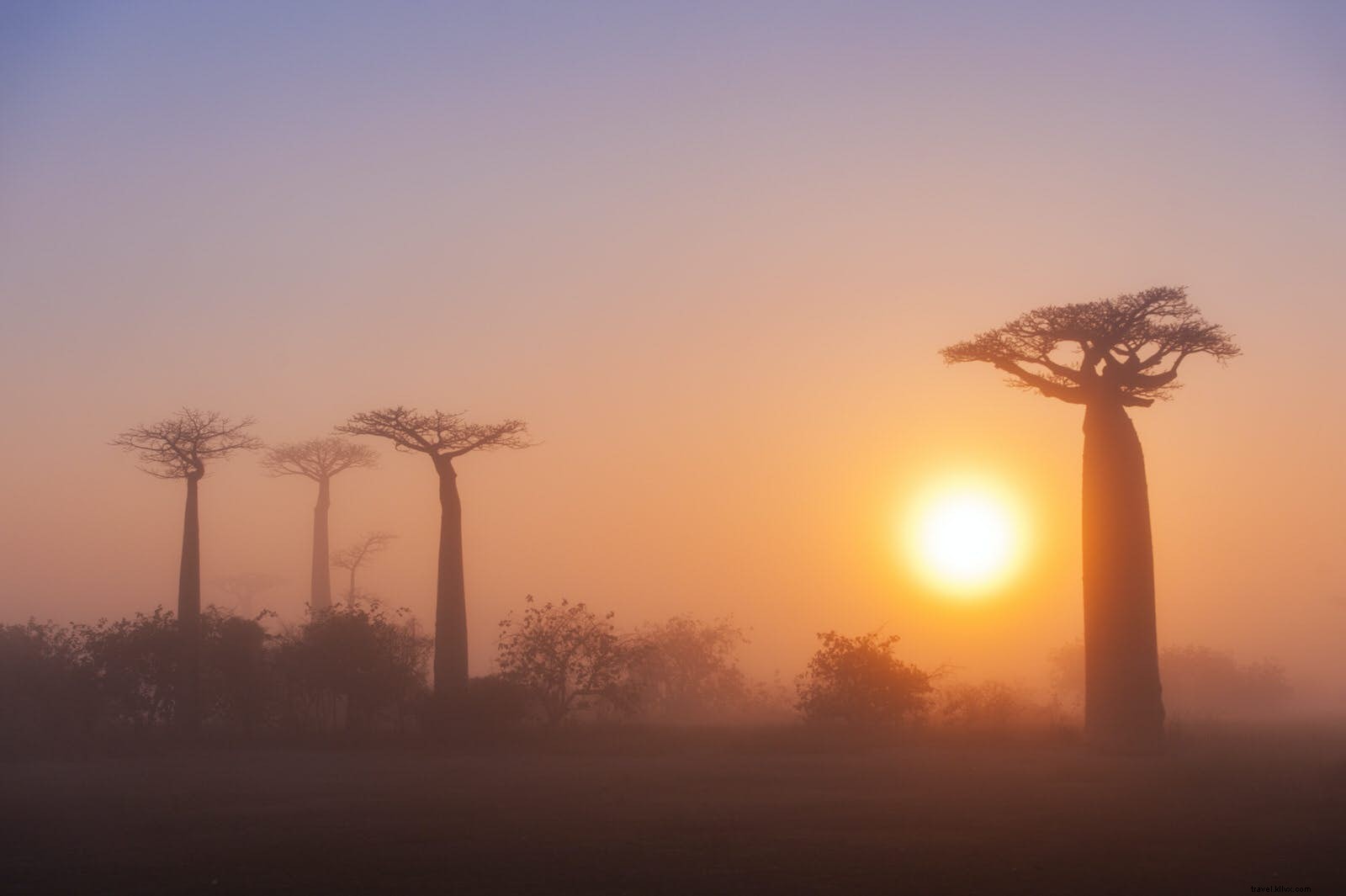
About 25 miles south, the Avenue des Baobabs evokes lost grandeur. Dawn mist cloaks these 600-year-old giants as farmers, zebu cattle, and villagers stir. As sunlight breaks through, revealing sapling enclosures nearby, hope for restoration emerges amid jeeps and motorbikes.
The Road to Tsingy
Madagascar's travel adventures shine on the rugged 8A road from Kirindy northward
'Beyond its biodiversity, Madagascar is infamous for its roads,' notes guide Dennis Rakotoson, boarding the jeep grimly.
With under 20% paved roads, journeys like the 100-mile Kirindy-to-Bekopaka route far exceed Google Maps' estimates—but deliver equal thrills to wildlife spotting.
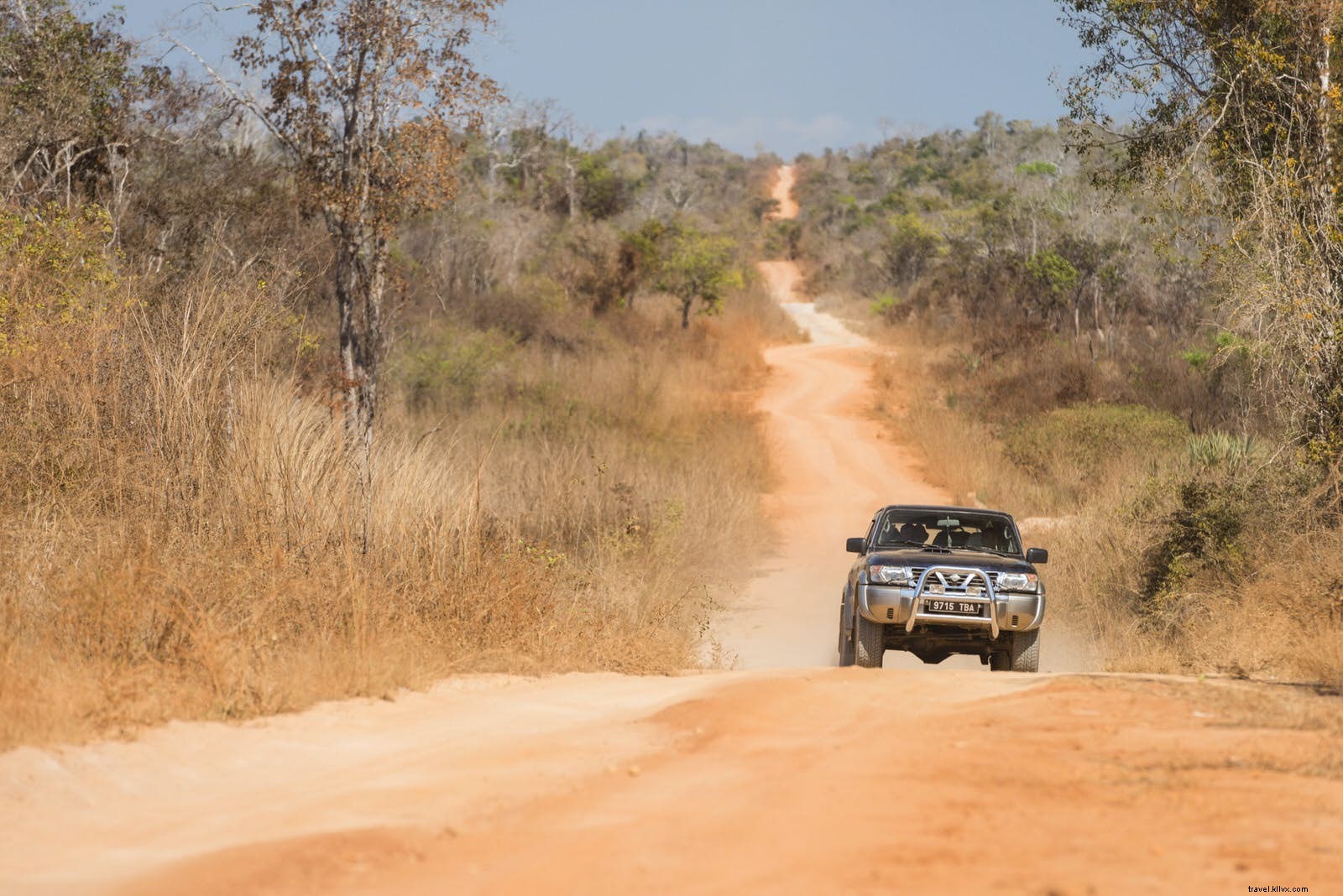
The rutted track winds past rice paddies, sandy bushes, and smoldering clearings. Schoolchildren kick balls, women balance maize on heads with sun-protecting tamarind paste, families launder by streams or herd zebu.
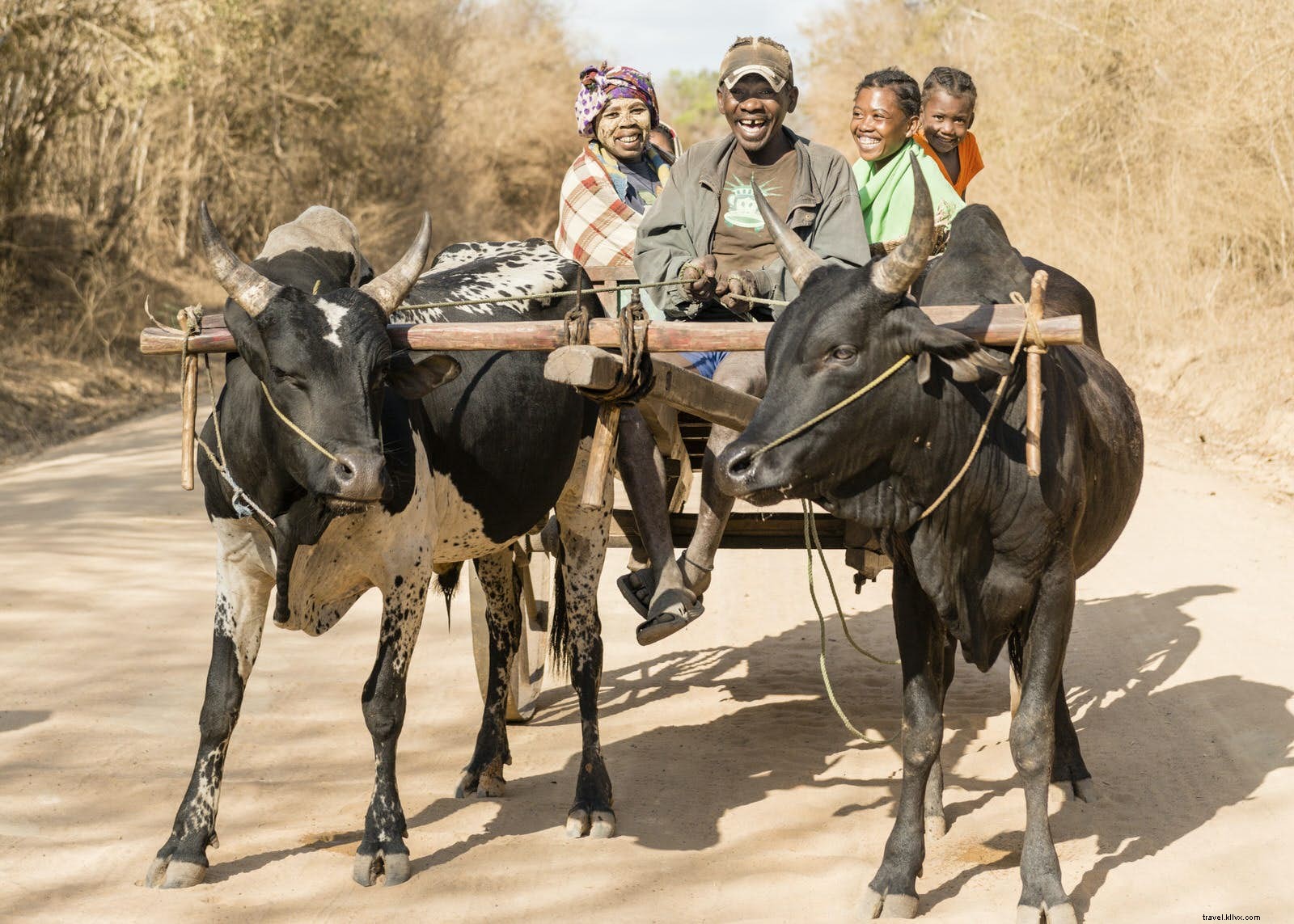
'Malagasy cherish zebu for transport, farming, rituals, and even strength-giving hump oil,' Dennis shares amid massive potholes.
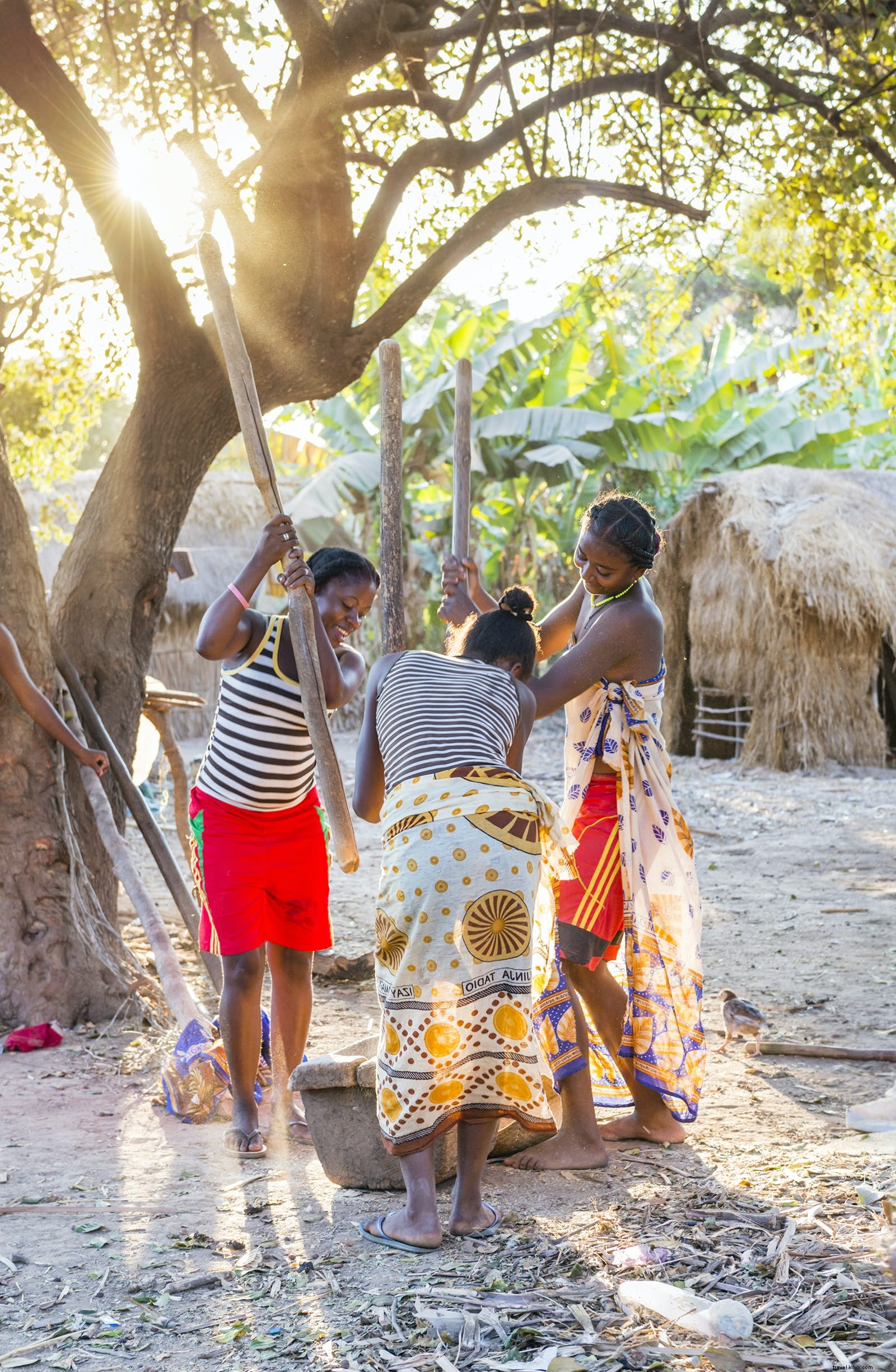
Midway, ferries cross the Tsiribihina River on makeshift rafts. Belo sur Tsiribihina's market buzzes with produce and zebu humps. The road worsens, dodging collapses and craters, past brick-makers, rice-pounders, and waving children.
Arriving in Bekopaka after 11 hours—complete with river crossings and wildlife pauses—the sunset over mangroves makes it memorable.
Tsingy de Bemaraha
Prepare for thrilling climbs through Madagascar's surreal limestone national park
In Bekopaka, visitors book entry to Tsingy de Bemaraha, the 8A's prime draw.
Guide Charles Andriasy enters Petit Tsingy: 'This sacred area holds tombs—show respect.' Local lore bars children fearing ghosts.
Formed 150 million years ago underwater, limestone spikes bear marine fossils, draped in figs, spiders' webs, and hidden pools.
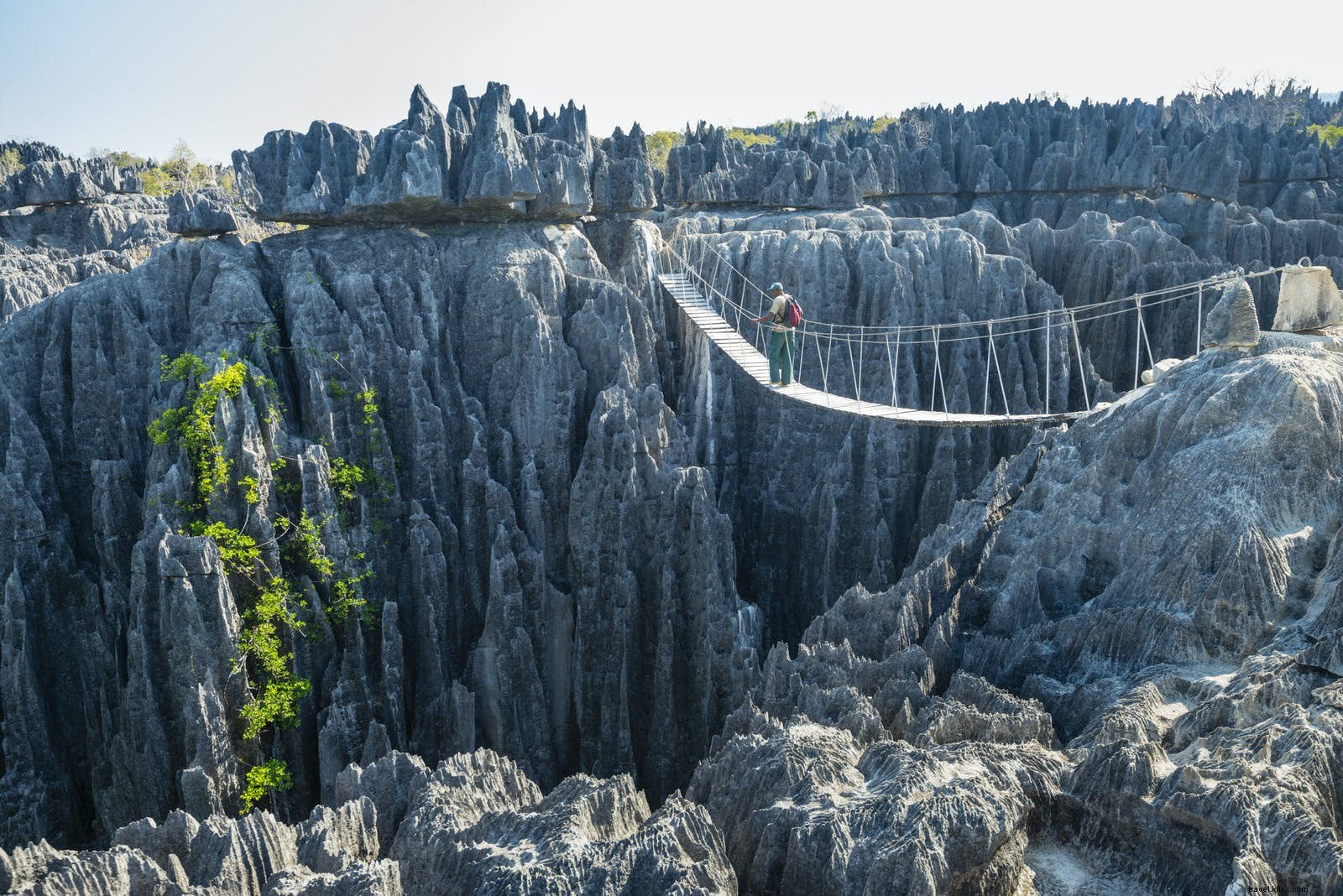
Ropes, ladders, and bridges navigate peaks and caves, with birds and Von der Decken’s sifakas bounding nearby.
Grand Tsingy demands harnesses for steep wire ascents, precarious ladders, and vast caves—rewarded by panoramic pinnacle views. 'Go slowly, and fear fades,' advises Charles. Post-exertion, siesta beckons amid resting lemurs.
Andasibe-Mantadia National Park
Encounter lemurs intimately in eastern Madagascar's misty rainforests
Central plateau chill clings to introduced trees, frogs chorus in drizzle.
Guide Luc Rajeriosa forges through ferns and bamboo, silencing for distant indri calls—like haunting trumpets.
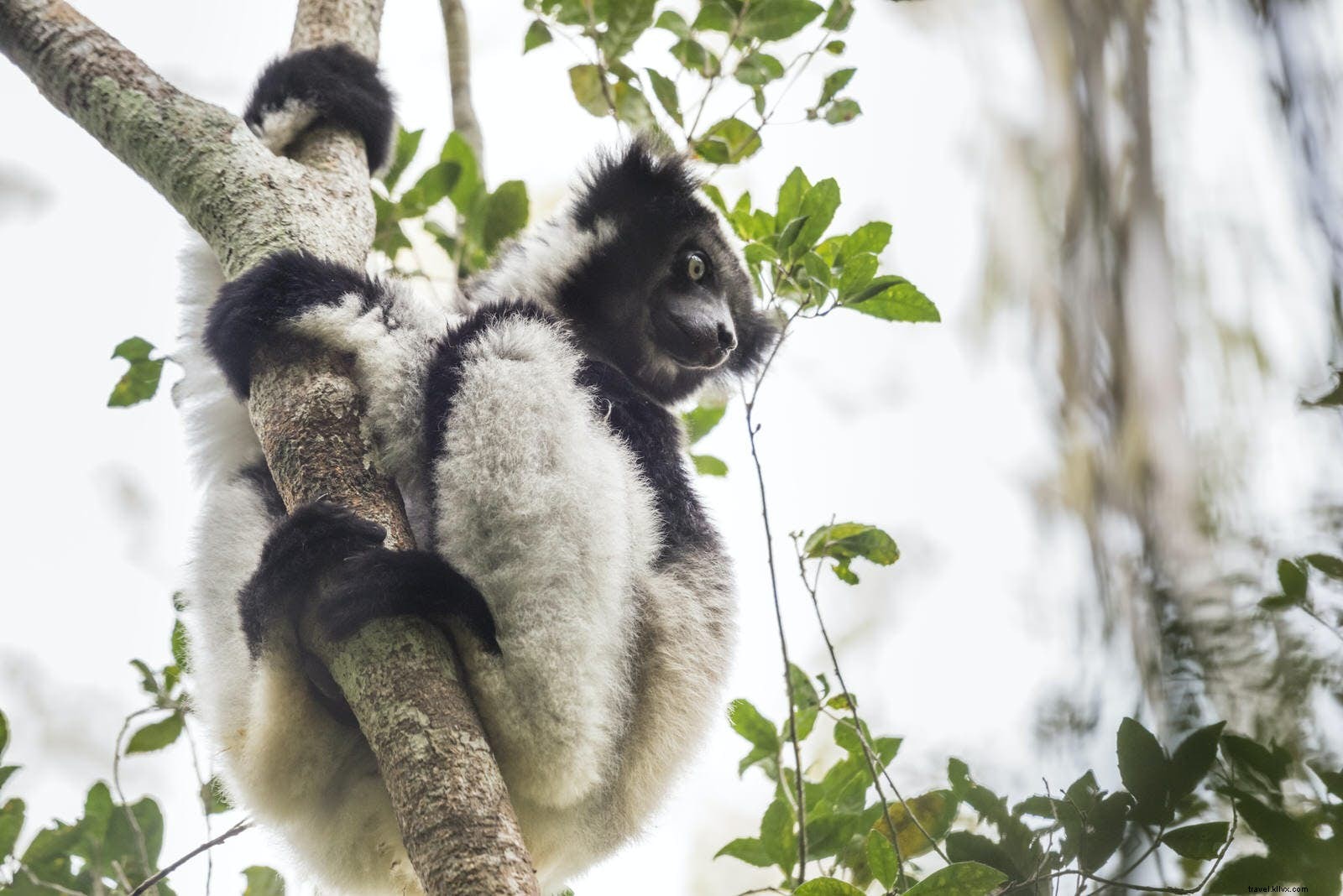
Spotting a family, Luc notes: 'Taboo protects babakoto, 'father of man'—they saved a lost boy long ago.'
Madagascar's largest living primate, up to 70 groups inhabit the park. Others include diademed sifakas, giraffe weevils, bamboo lemurs, and tree boas.
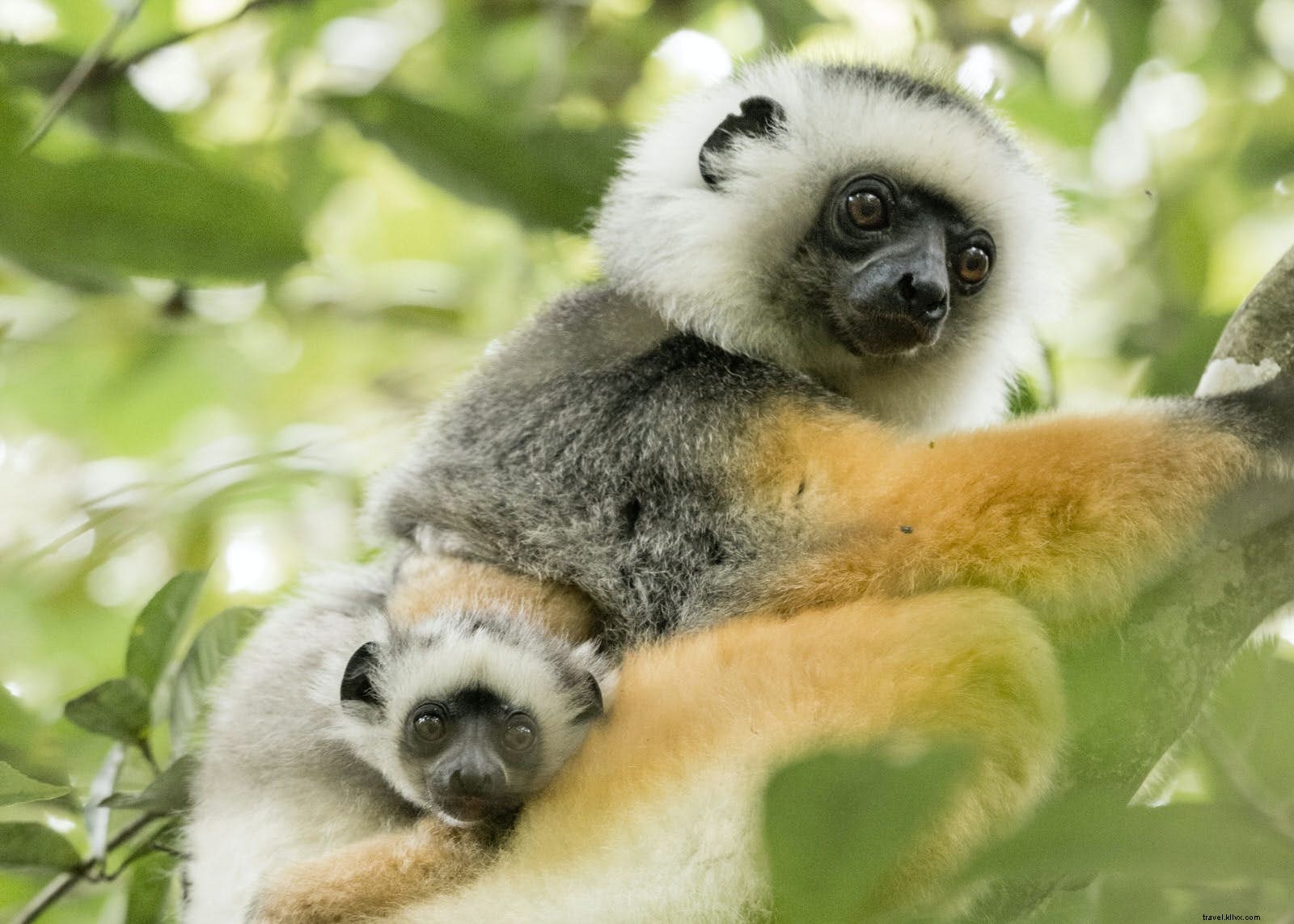
Luc persists: 'Like the indri, I thrive in the forest daily.'
Pangalanes Canal
Unwind along verdant canals and beaches, seeking the elusive aye-aye
Moonlit nights reveal fireflies; a torch catches a tree rat before the aye-aye emerges—eerie with crossed eyes, shaggy fur, and probing fingers devouring coconut.
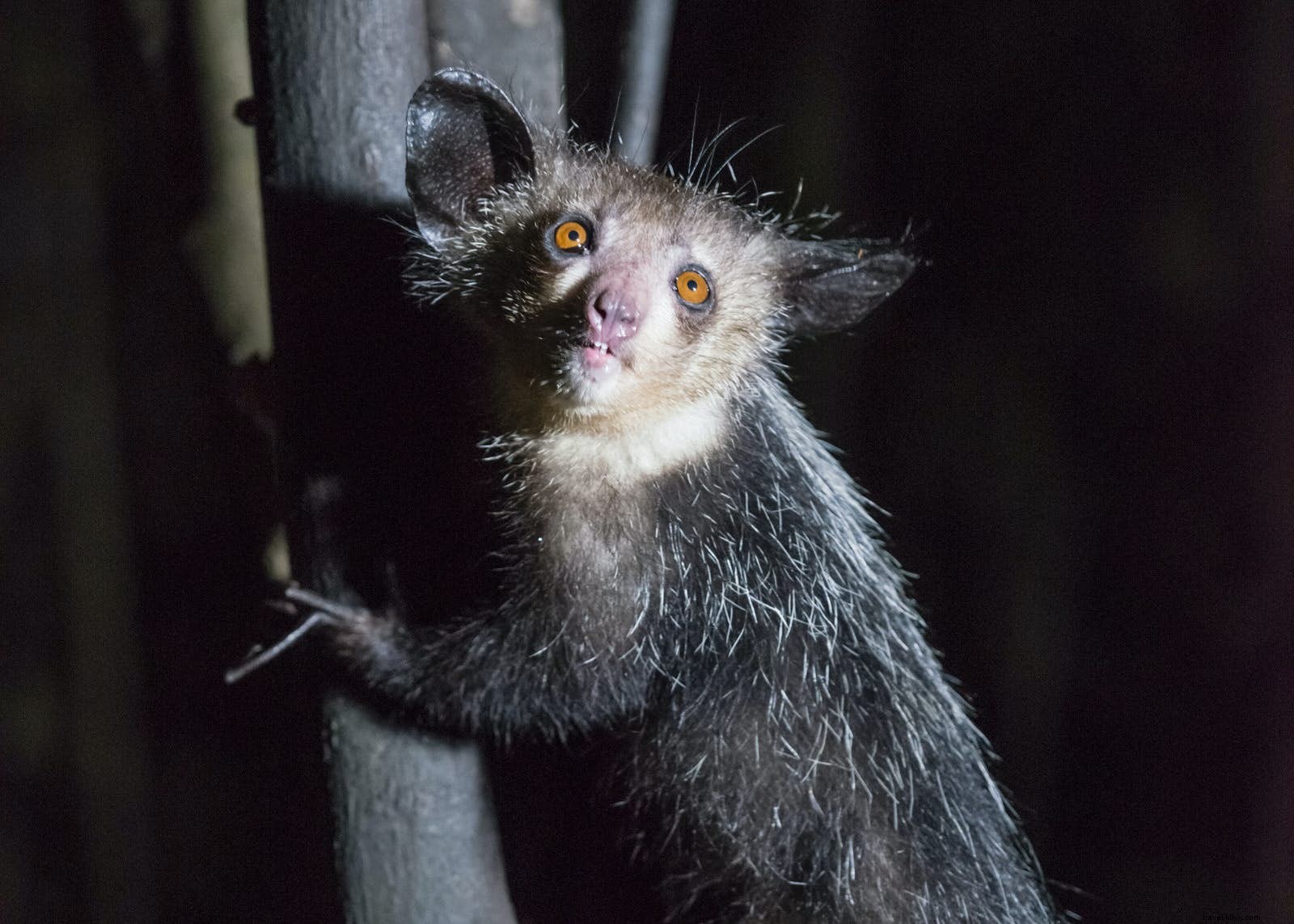
Once killed as omens, now protected. Skipper Faro Razafimanantena explains superstitions as boats ply the 400-mile waterway.
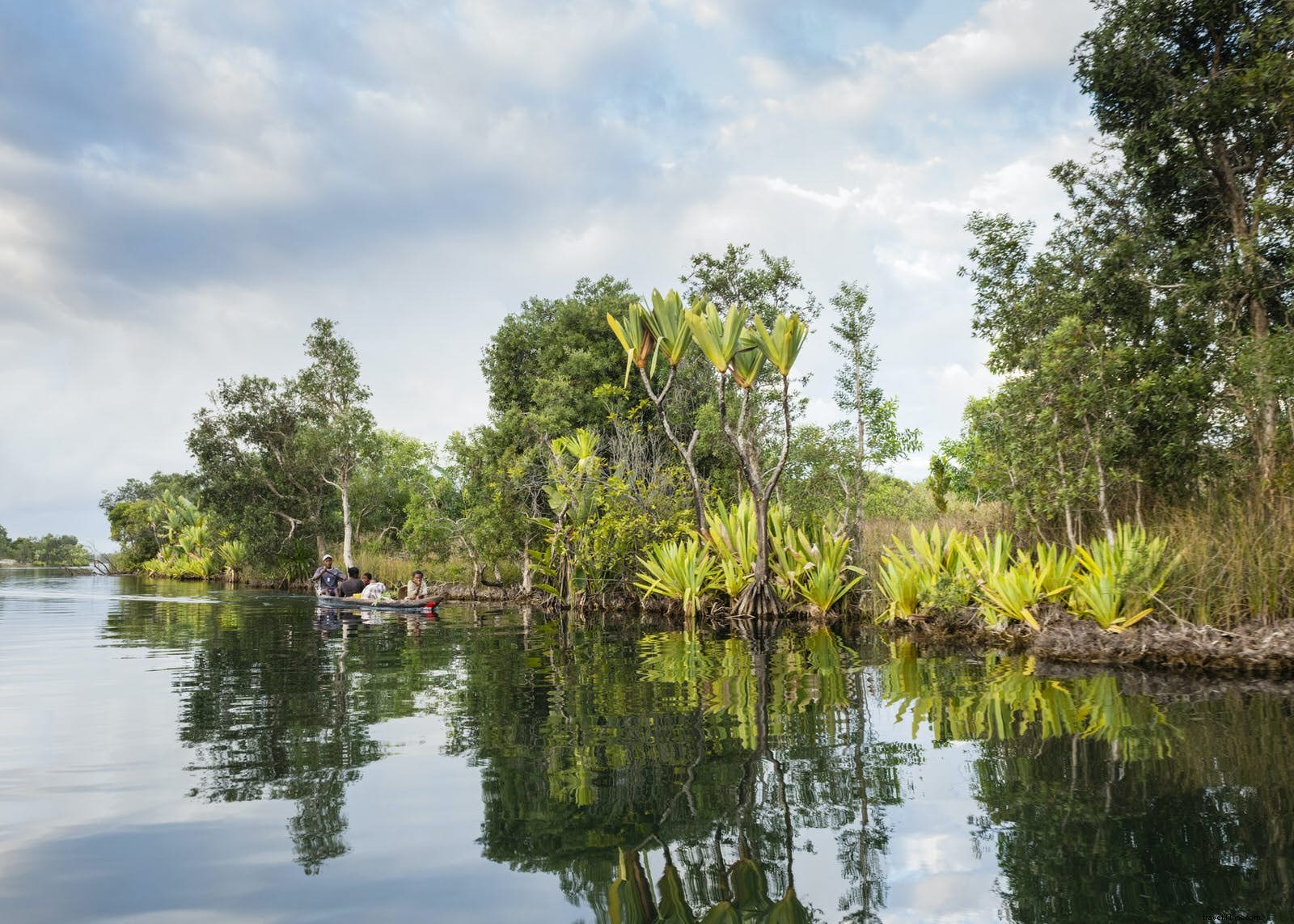
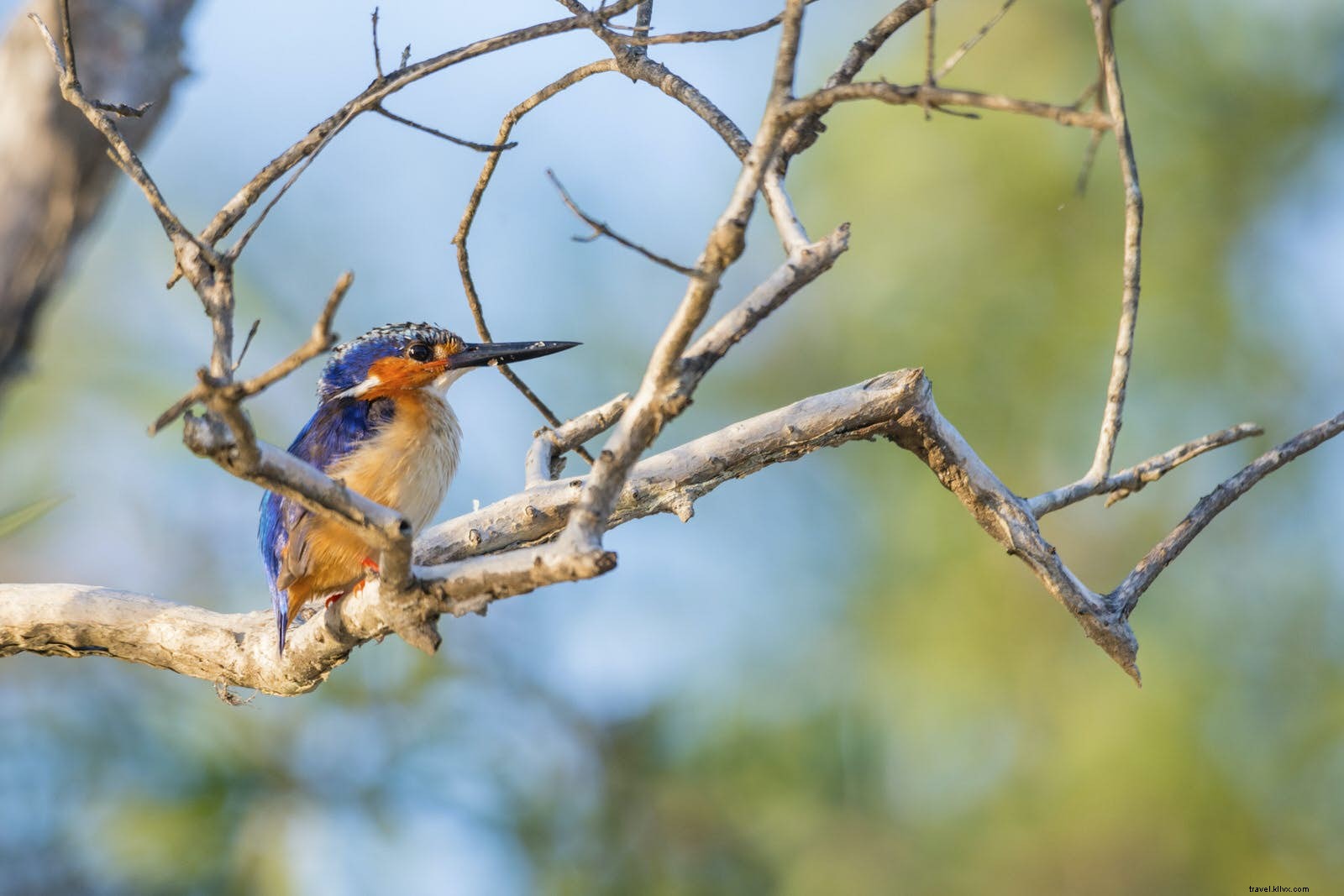
Cargo boats, pirogues, kingfishers animate canals to lakes. 'Everything happens on water,' says Faro amid villages and stunning sunsets.
Far from doom, the night promises vitality.
This article appeared in the April 2017 edition of Lonely Planet Traveller magazine. Amanda Canning travelled to Madagascar with support from Natural World Safaris (naturalworldsafaris.com). Lonely Planet contributors do not accept freebies in exchange for positive coverage.