Masai Mara Elephant Population Surges 72% in Latest Census, Signaling Conservation Success
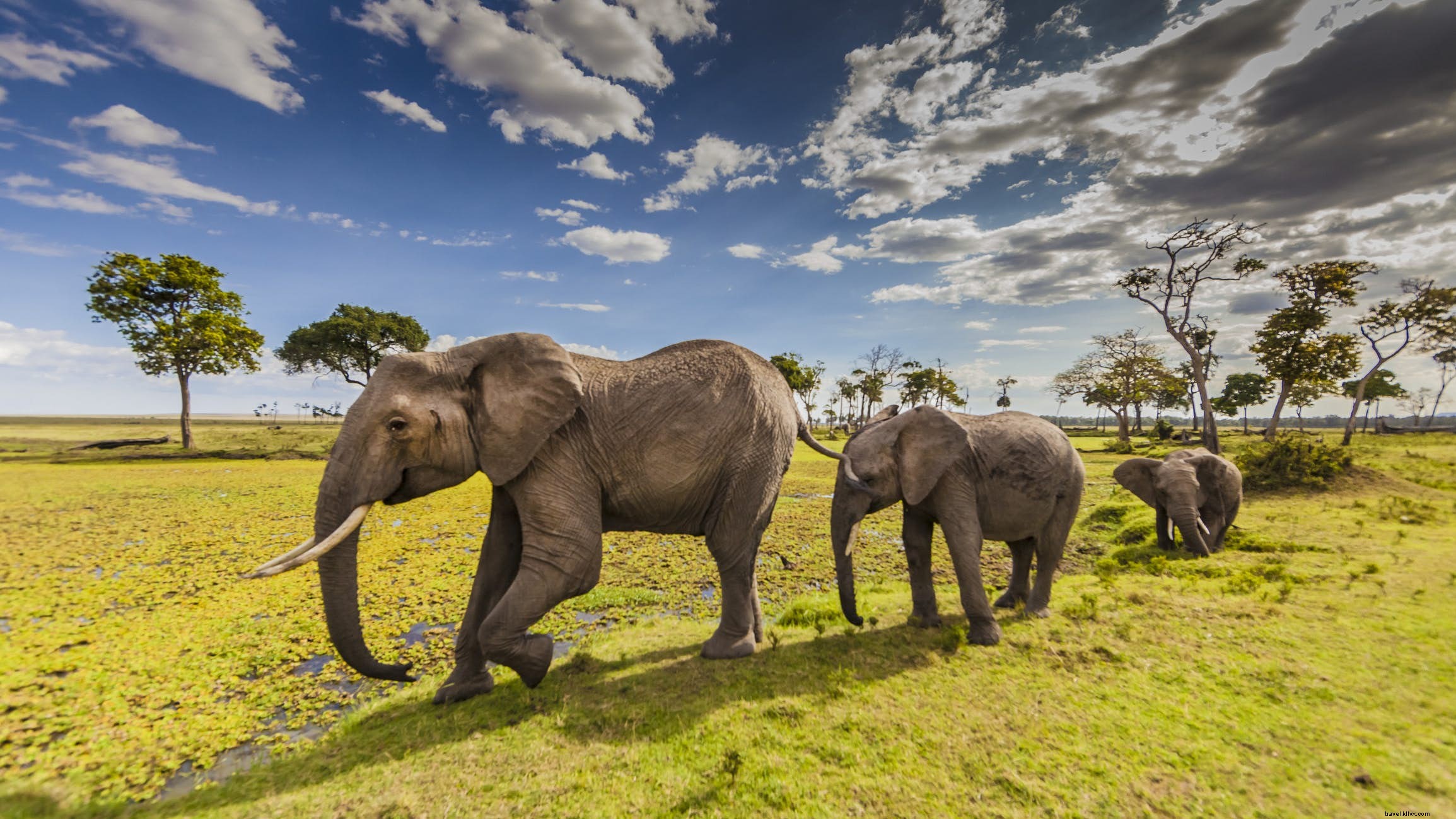
Elephants in Kenya's Masai Mara are thriving, with the latest aerial census revealing a remarkable 72% population increase since 2014, rebounding from poaching and human-wildlife conflicts.
The Kenya Wildlife Service conducts aerial censuses every three years to monitor wildlife populations. This year's survey, from May 15 to 28, covered over 11,600 square kilometers across the Masai Mara National Reserve, Mara Triangle, conservancies, and surrounding ecosystem areas. It assessed the distribution of key species like elephants, buffaloes, and giraffes relative to human settlements, agriculture, livestock, and water sources, informing effective ecosystem management strategies.
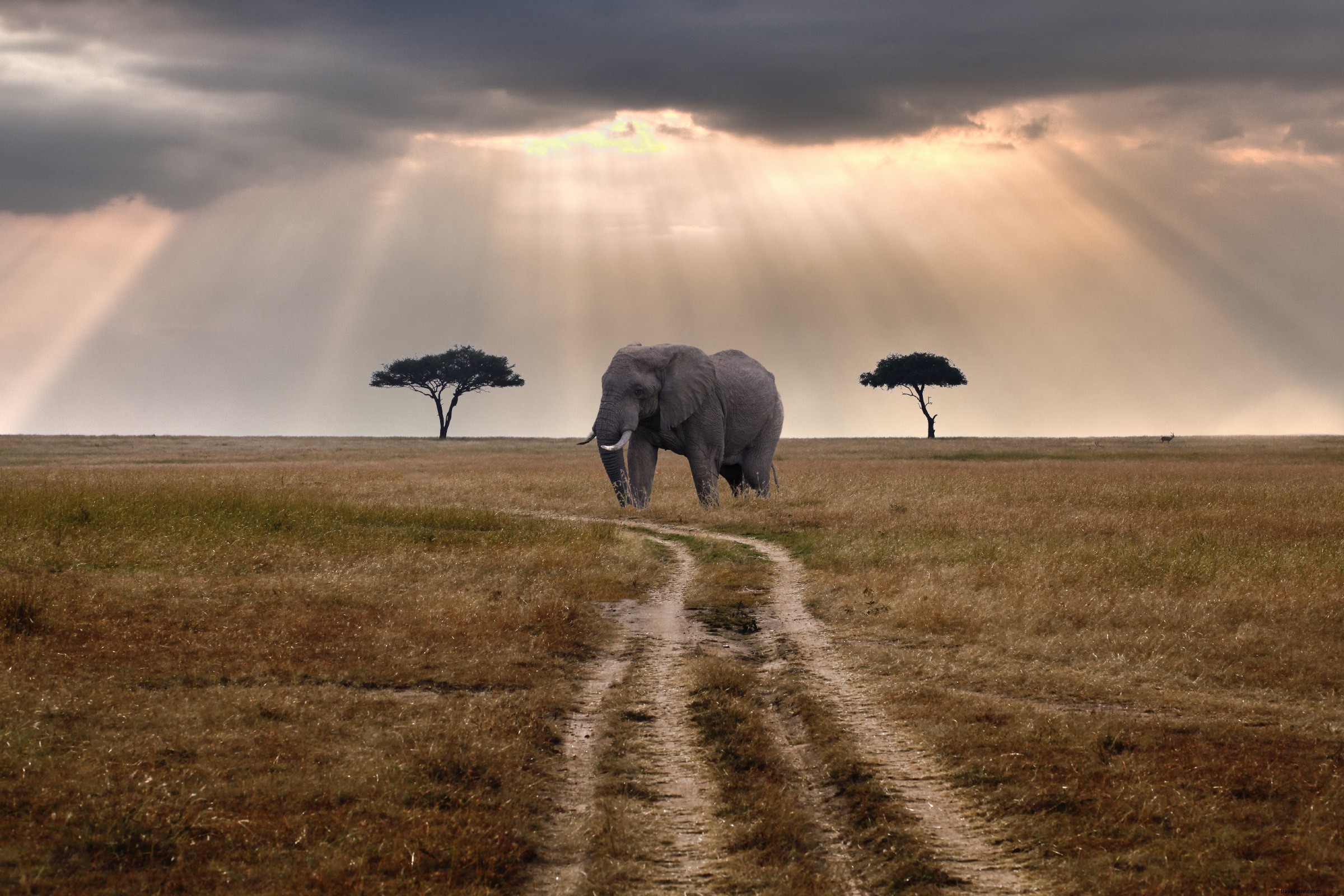
Elephant numbers rose from 1,448 in 2014 to 2,493 in 2017—a 72% gain celebrated by conservationists despite ongoing threats from poaching and conflicts. The surge may partly reflect migrations from Tanzania's Serengeti. Buffalo populations also grew 26%, from 7,542 to 9,466. However, expanding human activities, including new fences and settlements, pose risks to wildlife habitats in protected areas.