Explore Dakota War History Along the Minnesota River Valley
In 1862, the Minnesota River Valley witnessed the largest conflict between American Indians and settlers in U.S. history. For modern history enthusiasts, and travelers who like to mix their leisure with some learning, the area offers a number of Dakota War-related historical sites between St. Peter and Redwood Falls.
The journey combines the beauty of the Minnesota River valley with a fascinating exploration of the state’s historical and cultural past. It makes a great day trip from the Twin Cities, and the communities of New Ulm, Mankato, Redwood Falls and St. Peter offer plenty of bed-and-breakfast inns, hotels and more for longer getaways.
Treaty Site History Center & Travers des Sioux, St. Peter
The riverside town of St. Peter is a great place to start your journey. The Treaty Site History Center features a number of exhibits about the Dakota people, settler life, and the treaty of 1851, which led to the conflict. Adjacent to the center, you’ll find the ancient river crossing and fur trading post of Traverse des Sioux. Go for a hike and explore one of the many trails that run along the river near the crossing.
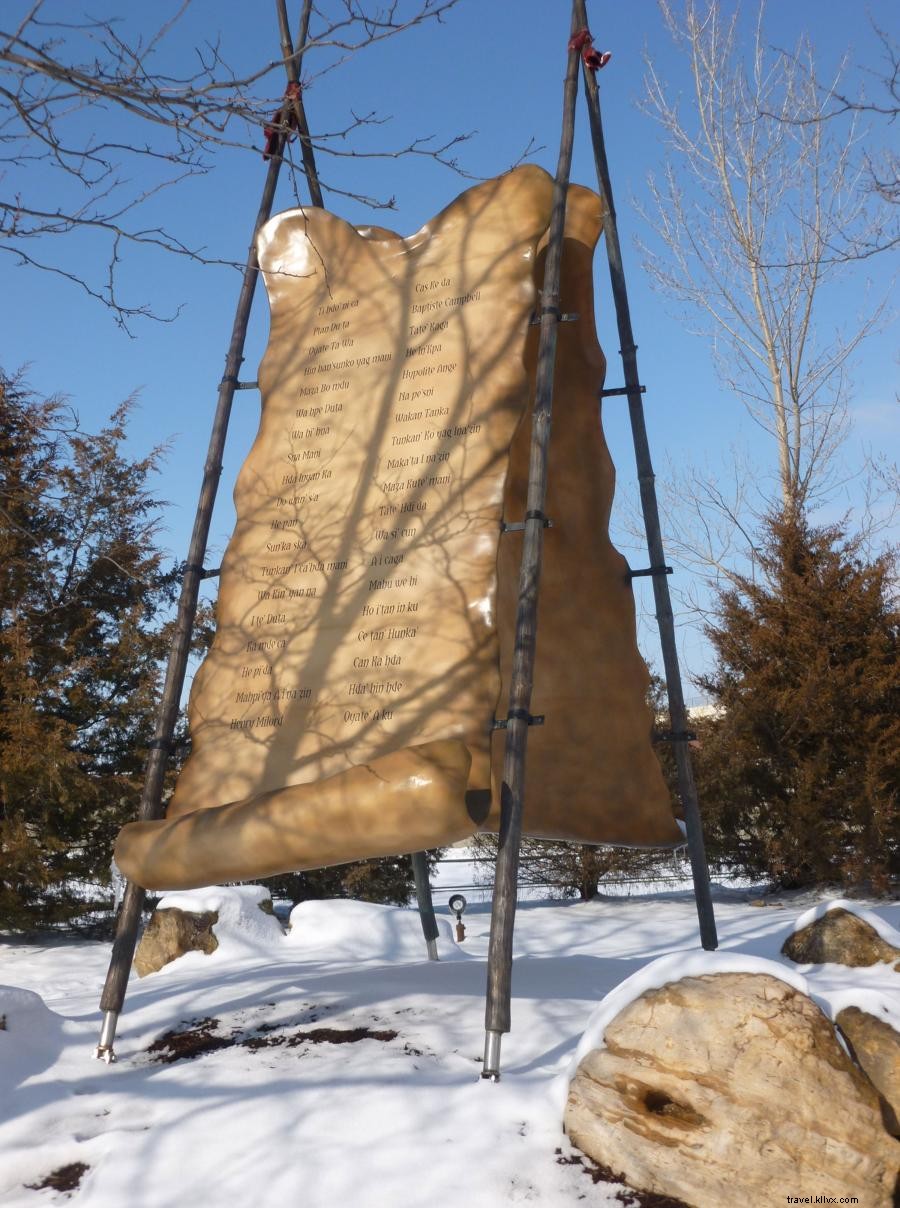
Reconciliation Park, Mankato
In December of 1862, a few months after the end of the conflict, 38 Dakota men were executed in Mankato. It remains the largest mass execution in U.S. history. Today the site is commemorated by Mankato’s Reconciliation Park near the banks of the Minnesota River. The park features a number of monuments dedicated to the men who lost their lives that day.
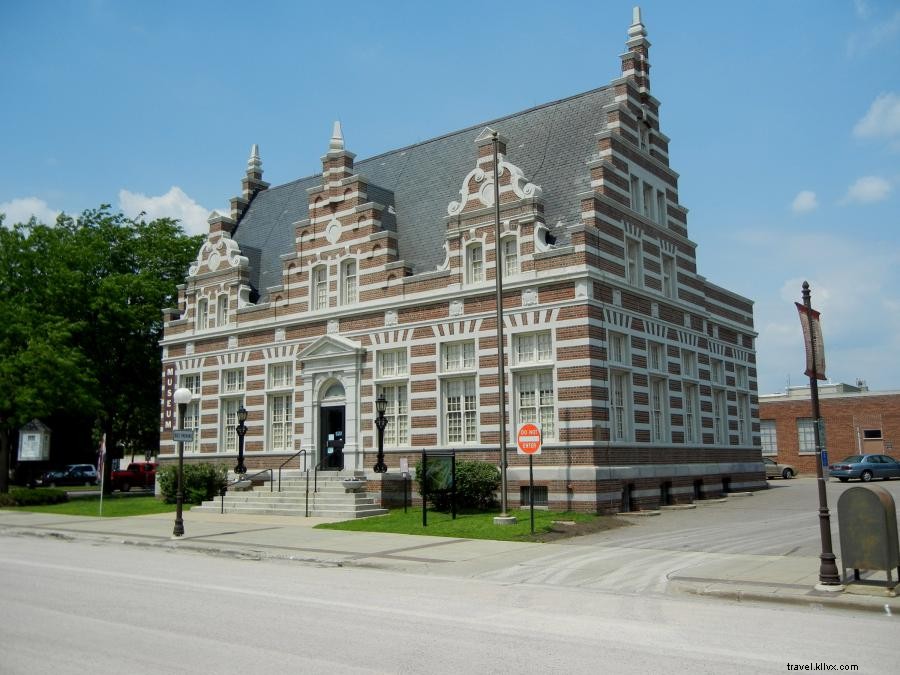
Fredrick W. Kiesling House & Brown County Historical Society, New Ulm
Built in 1861, the Fredrick Kiesling House is New Ulm’s only Dakota War-era wood structure still standing. It gives a unique glimpse into life during the 1860s. The house is on New Ulm’s historic Minnesota Street near a number of unique shops and restaurants, making it a great place to stop before or after lunch downtown.
A few blocks away on Broadway, the Brown County Historical Society features an award-winning, interactive exhibit about the war on its third floor.
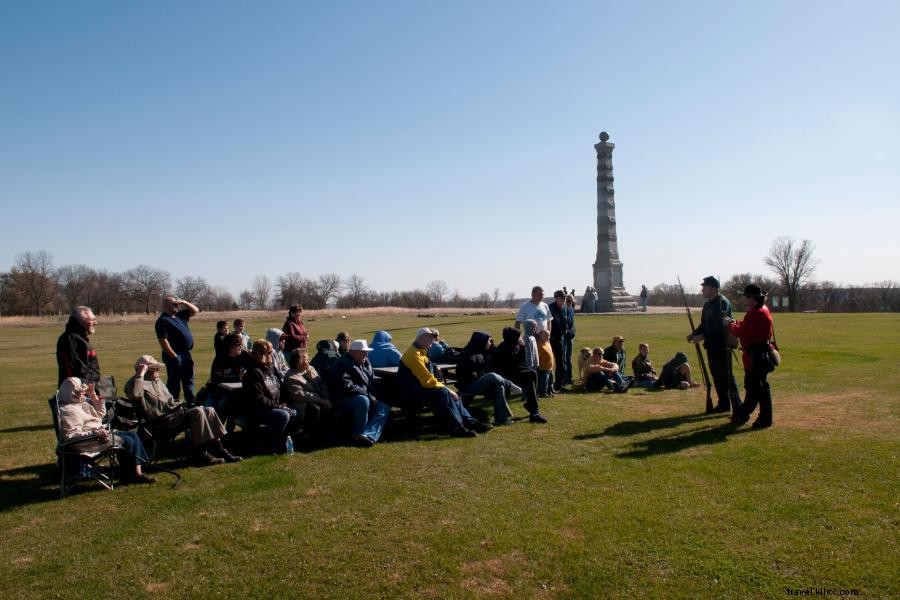
Fort Ridgely State Park, Fairfax
Constructed in 1853, Fort Ridgely witnessed a sustained attack by Dakota forces in August of 1862. Now Fort Ridgely State Park, the fort served as a refuge for many of the settlers from nearby homesteads. The ruins of the fort can still be seen today, and make a very interesting self-guided tour. You’ll also find hiking and horseback riding trails that wind through the rolling hills and woodlands of the park.
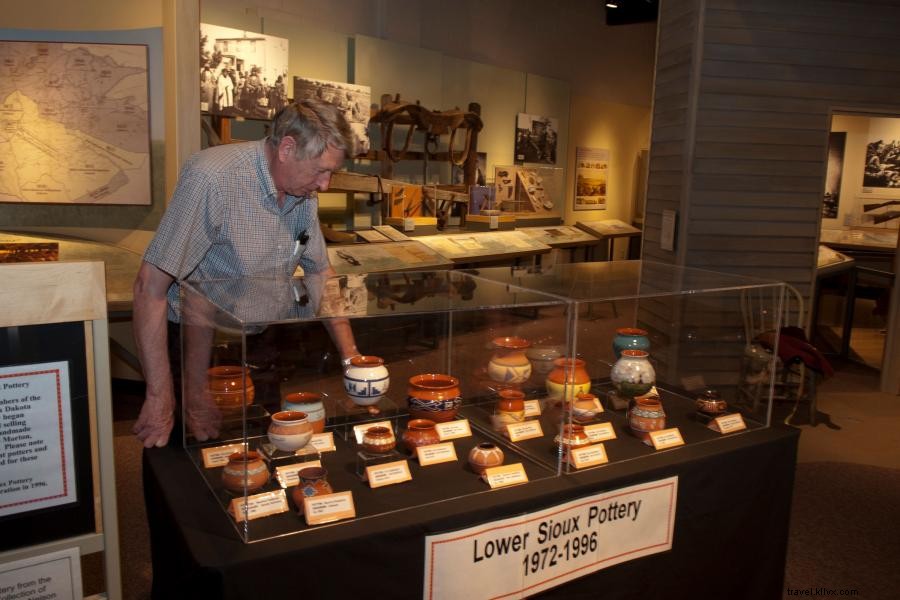
Lower Sioux Agency, Morton
On the south side of the river, you’ll not only find the site of the war’s first major conflict, but you'll gain insight into the Dakota perspective. The Lower Sioux Agency features a demonstration of Dakota farming practices as well as a number of exhibits on the life, history and culture of Minnesota’s native people.
Birch Coulee Battlefield, Morton
This battlefield, where the largest number of U.S. casualties occurred during the conflict, has remained largely unchanged since the war. A self-guided tour allows visitors to stand where U.S. soldiers and Dakota warriors stood on that day, while gaining a clear understanding of major aspects of the battle.
Upper Sioux Agency State Park, Granite Falls
The beautiful Upper Sioux Agency State Park, off the Minnesota and Yellow Medicine Rivers, contains the remains of the Upper Sioux Agency or Yellow Medicine Agency, which was destroyed during the U.S. - Dakota War in 1862, and is now on the National Register of Historic Places. The restored Agency House contains a museum dedicated to the history of the area.
For more information about the Dakota War of 1862, visit the Minnesota Historical Society’s site: usdakotawar.org