Extended Gorilla Habituation Trek in Uganda: Deeper Encounters with Mountain Gorillas in Bwindi
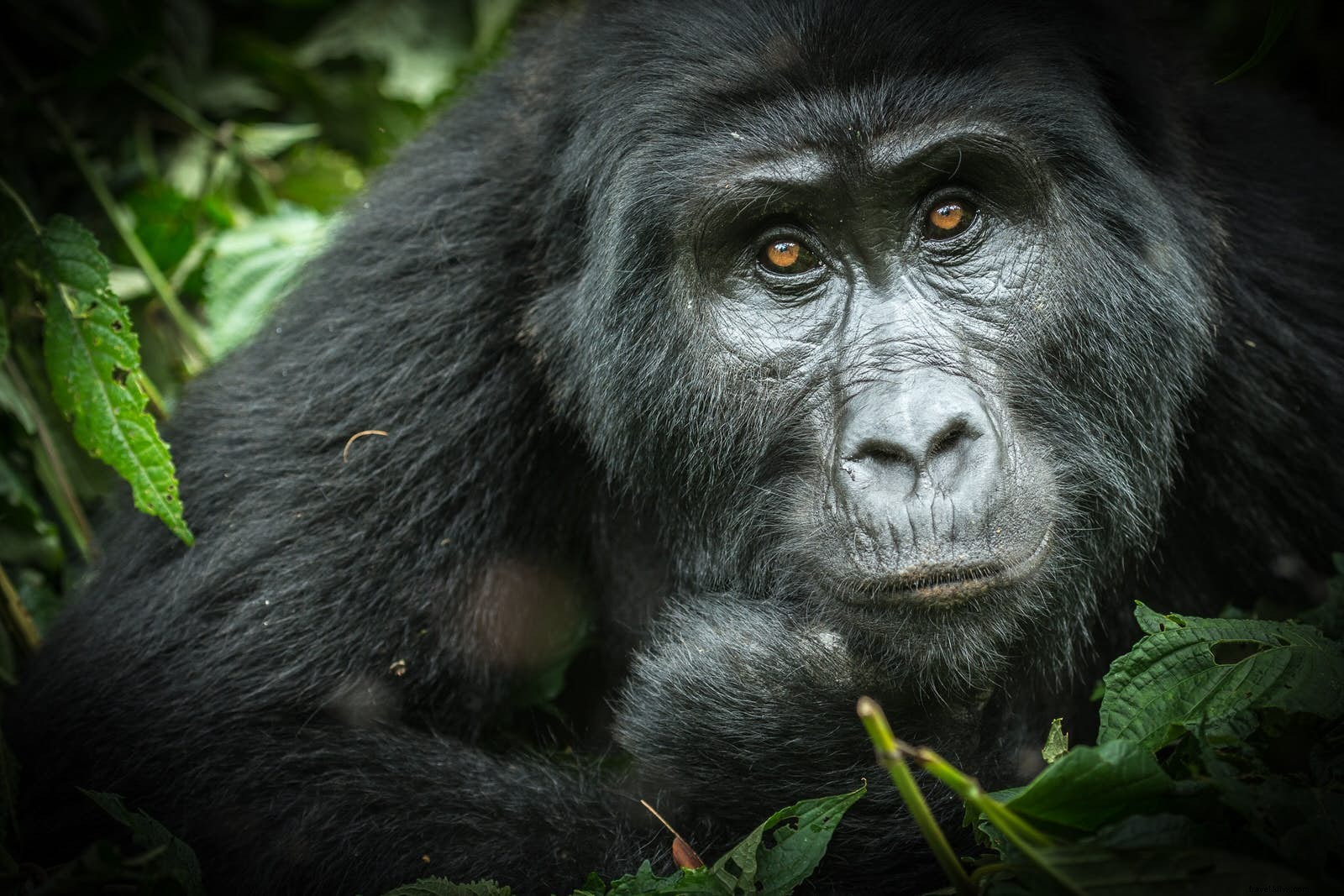
Encountering mountain gorillas in Africa's misty rainforests is a profoundly magical experience. Their striking beauty, immense strength, soulful brown eyes, remarkably human-like expressions, and gentle demeanor captivate visitors like nothing else. Traditional treks allow just one hour in their presence, but Uganda's Bwindi Impenetrable National Park now offers an innovative extended Gorilla Habituation Experience for a more immersive adventure.
Mountain Gorillas: A Conservation Triumph
Approximately 900 mountain gorillas inhabit the rainforests of Uganda's Bwindi Impenetrable National Park and the Virunga Mountains along the borders of Uganda, Rwanda, and the Democratic Republic of Congo—found nowhere else in the wild. Once on the brink of extinction, their recovery stands as one of Africa's greatest conservation successes.
Pioneering mammologist George Schaller first studied gorillas in the late 1950s. Dian Fossey raised global awareness through her 18-year research in Rwanda's Volcanoes National Park, living among them, funding rangers, and protecting them from poachers despite grave risks—until her unsolved murder in 1985. At the time, only about 250 gorillas remained, threatened by habitat destruction, poaching, and civil wars.
Gorilla tourism began in Bwindi in 1993 with the Mubare group's full habituation, funding vital conservation. Now, the park pioneers tracking semi-habituated groups, offering unique insights into these endangered icons.
Traditional Gorilla Trekking
Bwindi hosts around 400 gorillas across 12 fully habituated families. Treks begin at Buhoma Park Headquarters with group assignments, guide briefings, and strict rules to safeguard gorillas and visitors.
Sharing 98% of human DNA, gorillas are vulnerable to our diseases—skip treks if ill, as even a cold could be fatal. Groups of eight spend exactly one hour at a 7m minimum distance, though gorillas may approach closer. Avoid touching, flash photography, loud noises, or sudden moves to prevent startling these generally calm giants.
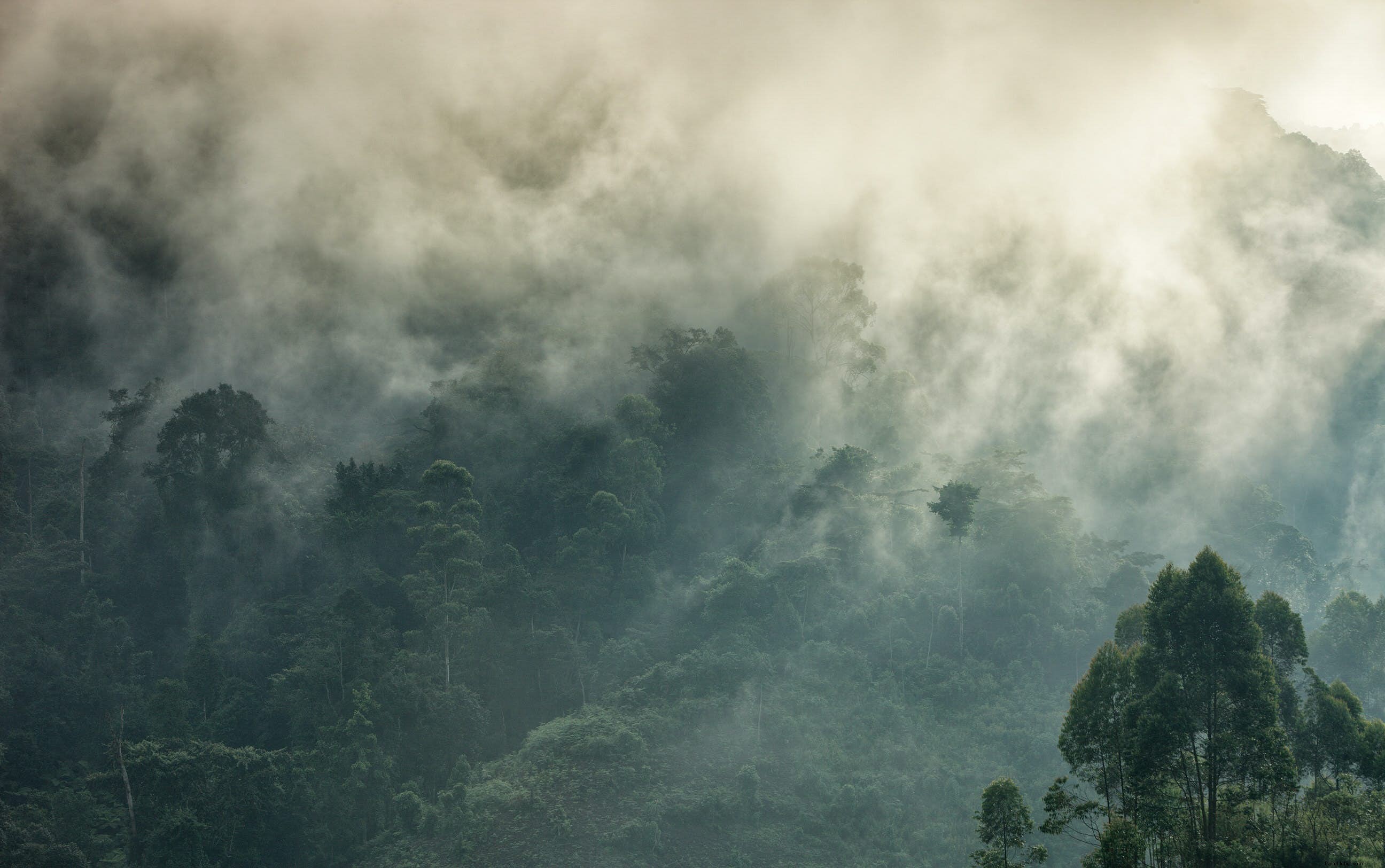
Treks range from short walks to five-hour hikes through Bwindi's 321 sq km of dense, vine-choked jungle and steep, muddy slopes. Hire a porter for US$15 to assist—an invaluable aid.
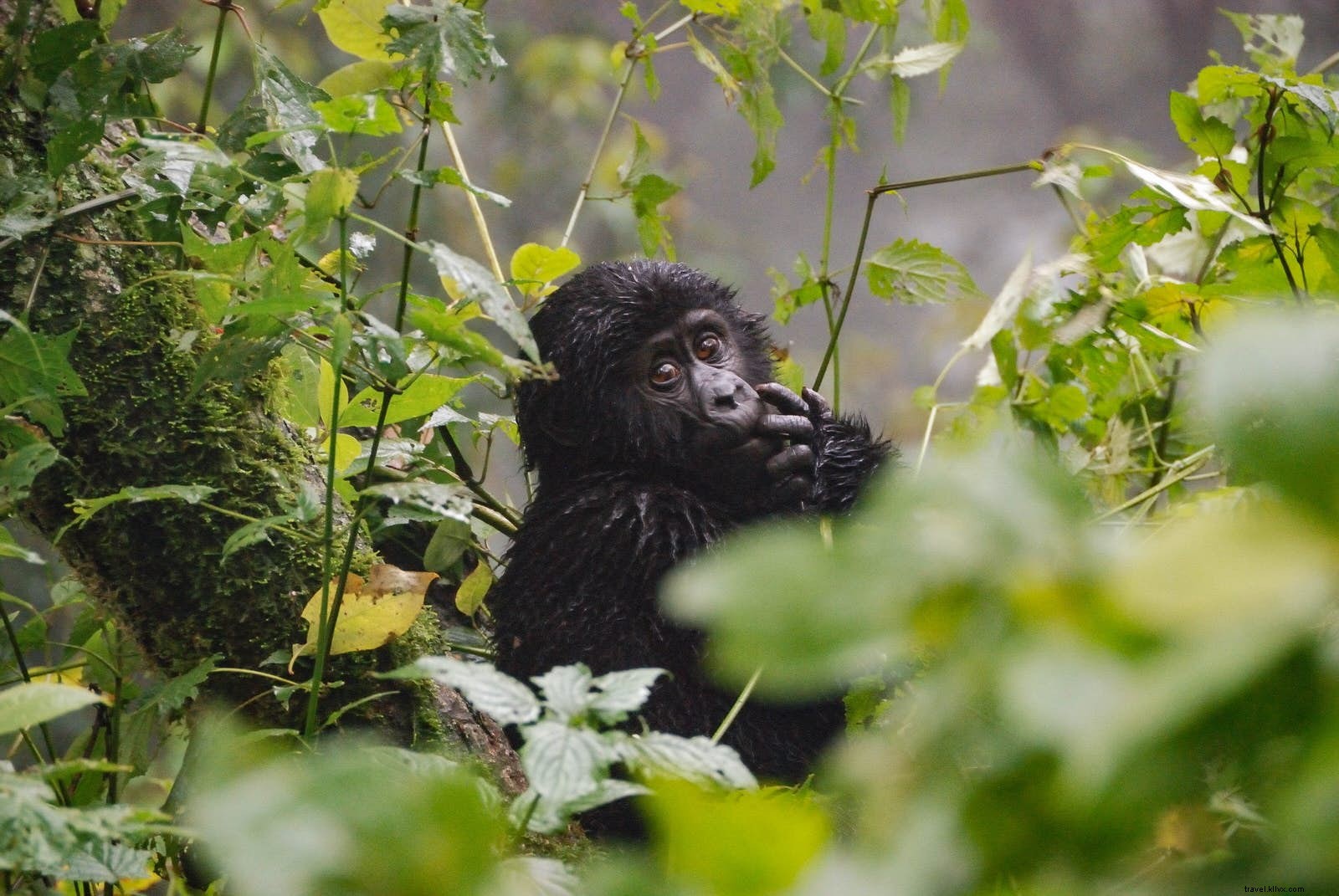
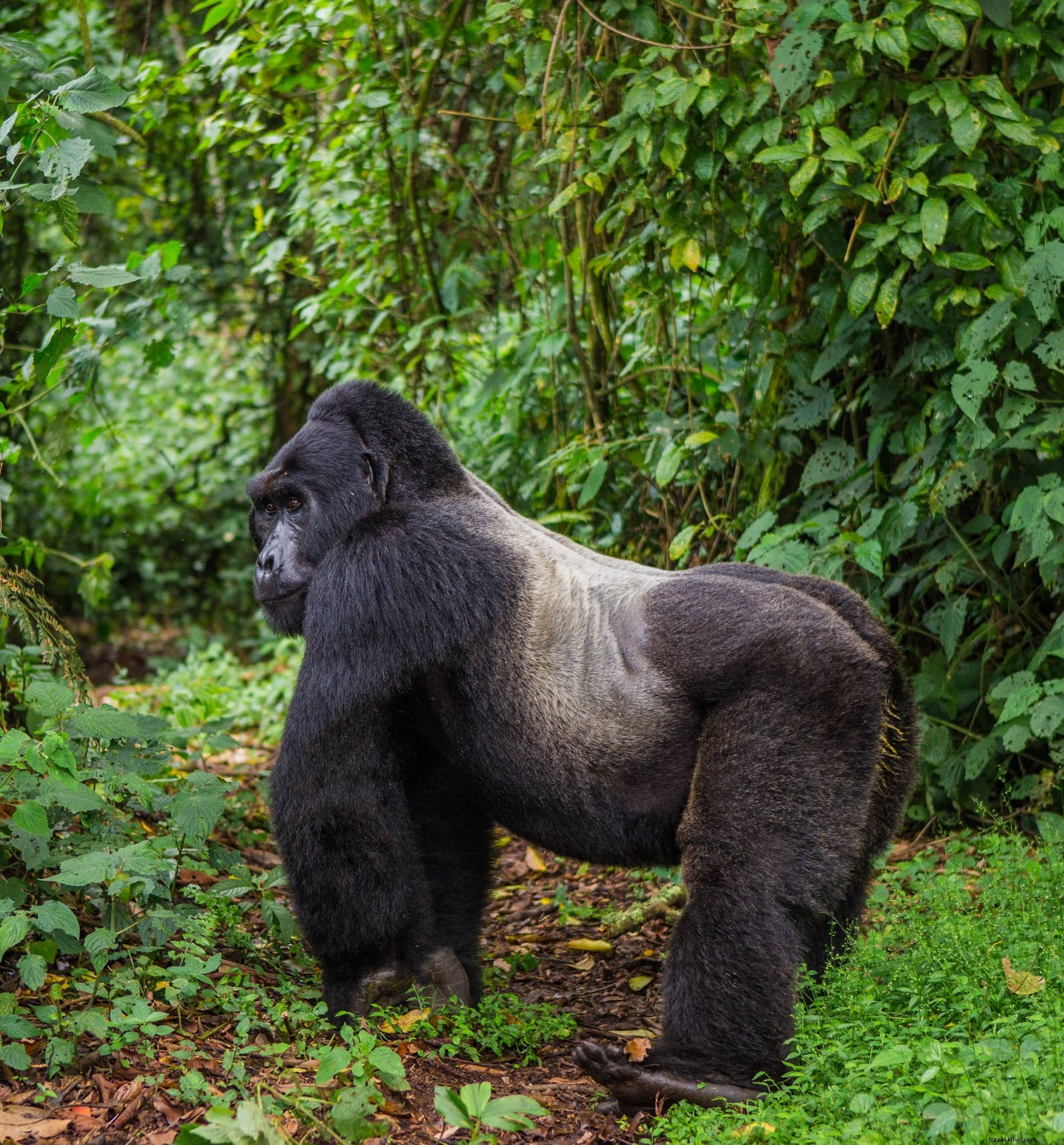
The payoff is extraordinary: watching these gentle giants eat, rest, groom, and play is mesmerizing. Juveniles tumble and swing like children, mothers nurture infants, and silverbacks vigilantly protect their families—all during your fleeting hour.
The Gorilla Habituation Experience
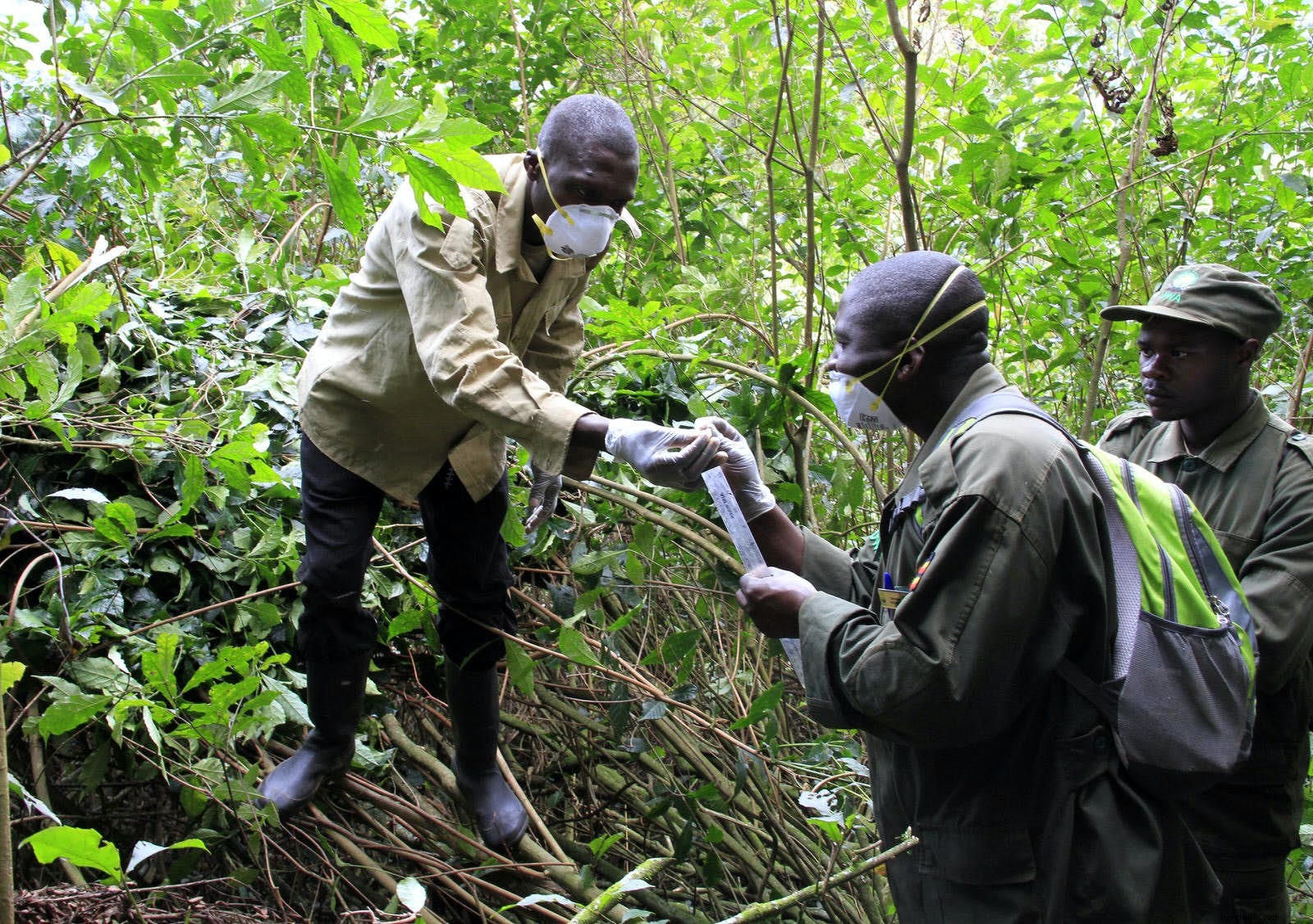
Habituation transforms wary gorillas into tolerant companions over years of daily visits. Bwindi's new four-hour experience tracks semi-habituated groups, aiding their acclimation to diverse visitors.
Unlike standard treks, you join trackers from the previous night's nest site, spotting signs like knuckle prints, broken vegetation, and discarded food—key for health monitoring. Samples of hair and dung are collected before the pursuit intensifies.
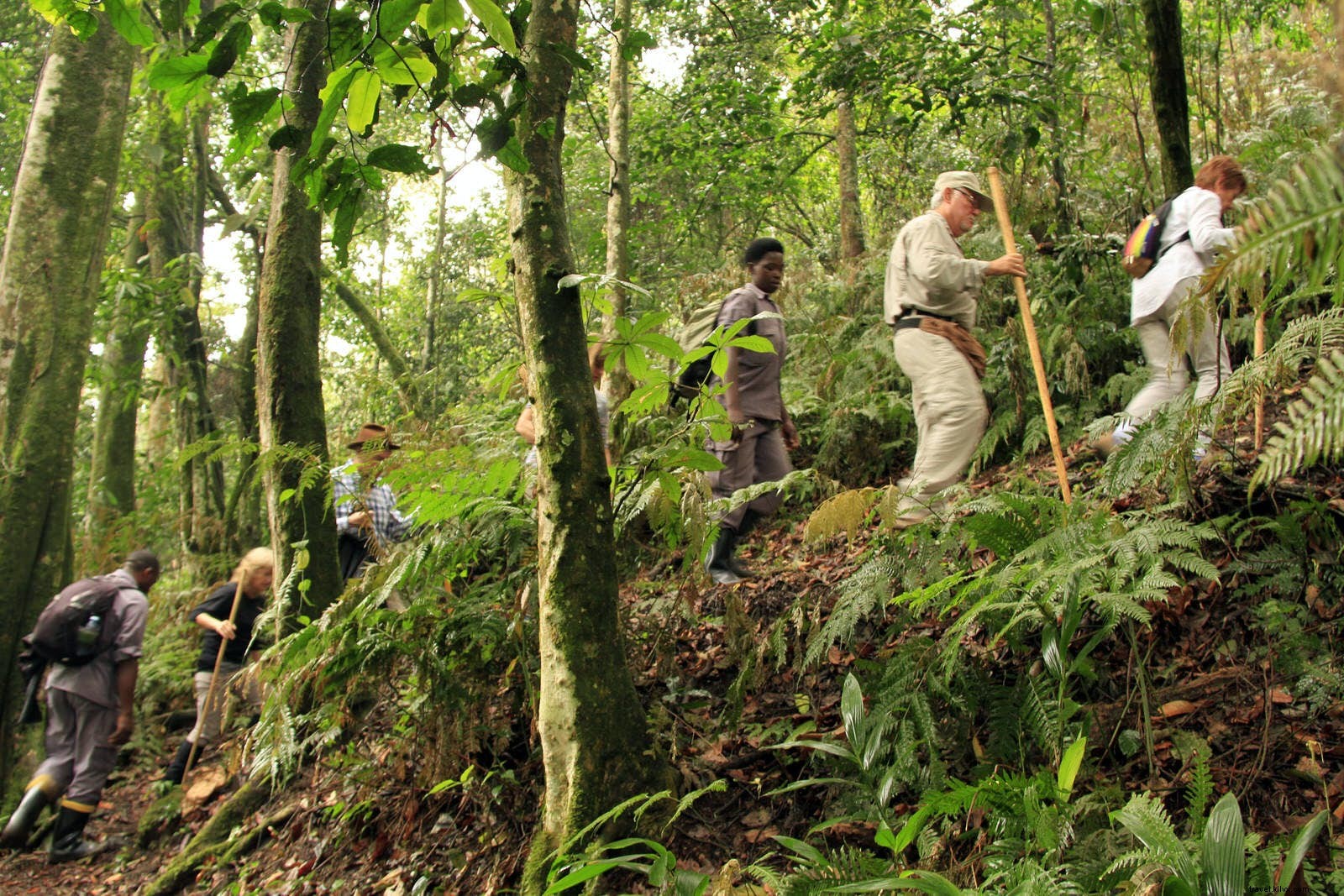
Finding the group launches a dynamic chase: these gorillas forage swiftly through thick rainforest, scaling slippery slopes on knuckles. It's physically demanding—not for the faint-hearted.
Semi-habituated groups retain wild unpredictability; silverbacks may charge as warnings (stay calm, crouch, avert eyes). Mimic their actions—crouch, 'eat' grass, use gorilla vocalizations—to build trust. A responding rumble is thrilling.
Which Trek Suits You?
Traditional Bwindi permits (US$600; US$1,500 in Rwanda) guarantee a relaxed one-hour close encounter.
The US$1,500 Habituation Experience lasts four hours, blending tracking skills, education, and variable proximity—more challenging yet profoundly immersive.
Either way, gorilla trekking forges an unbreakable bond with our primate kin in an unparalleled, life-changing adventure.