
8 Remarkable Lesser-Known Animal Migrations Around the World
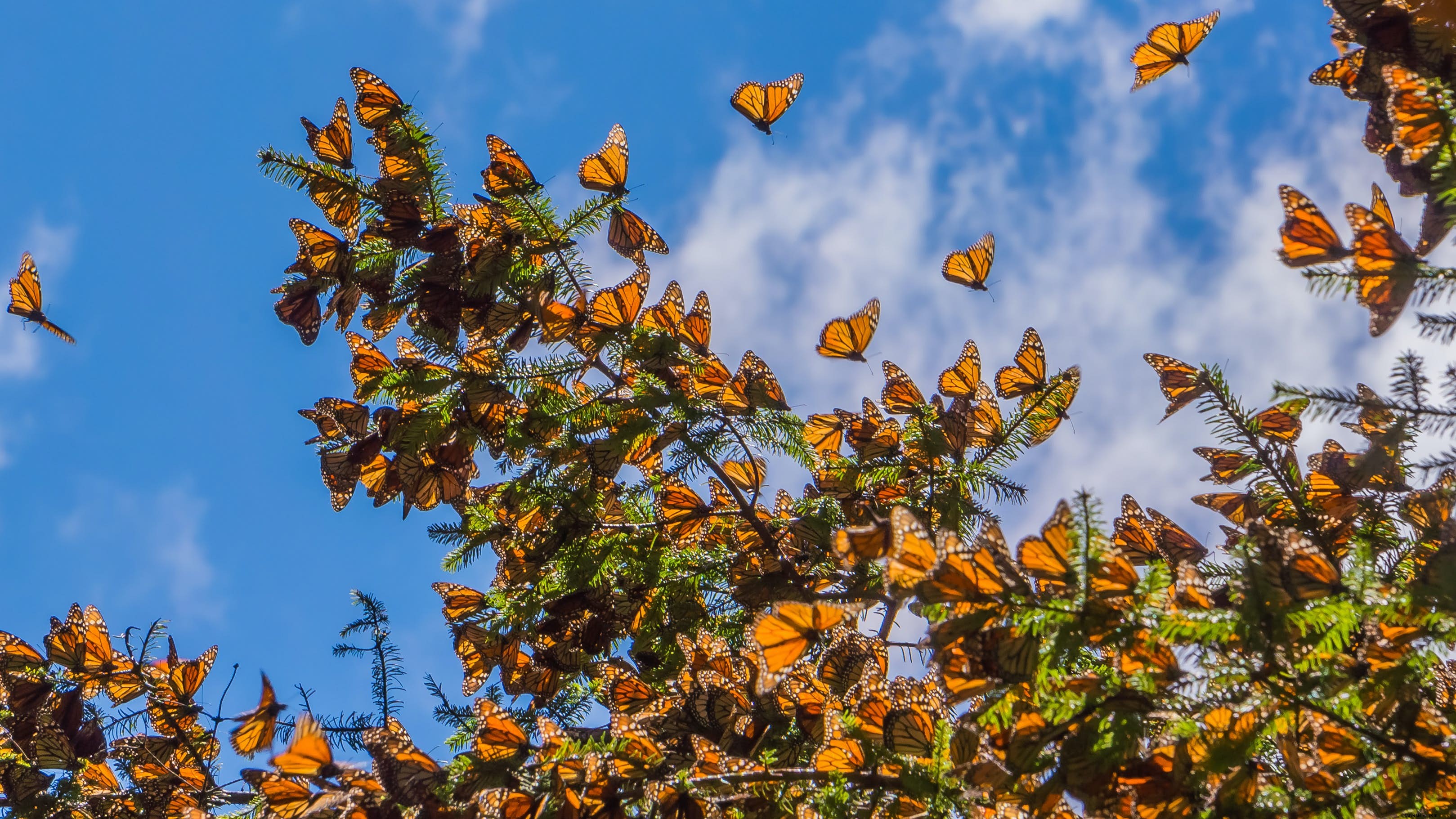
You may know about Africa's wildebeest traversing the Serengeti or humpback whales journeying from Antarctic feeding grounds to subtropical breeding areas. But the natural world offers many other captivating, lesser-known migrations involving vast numbers of animals. Discover eight extraordinary spectacles and where to witness them firsthand.
Golden Jellyfish
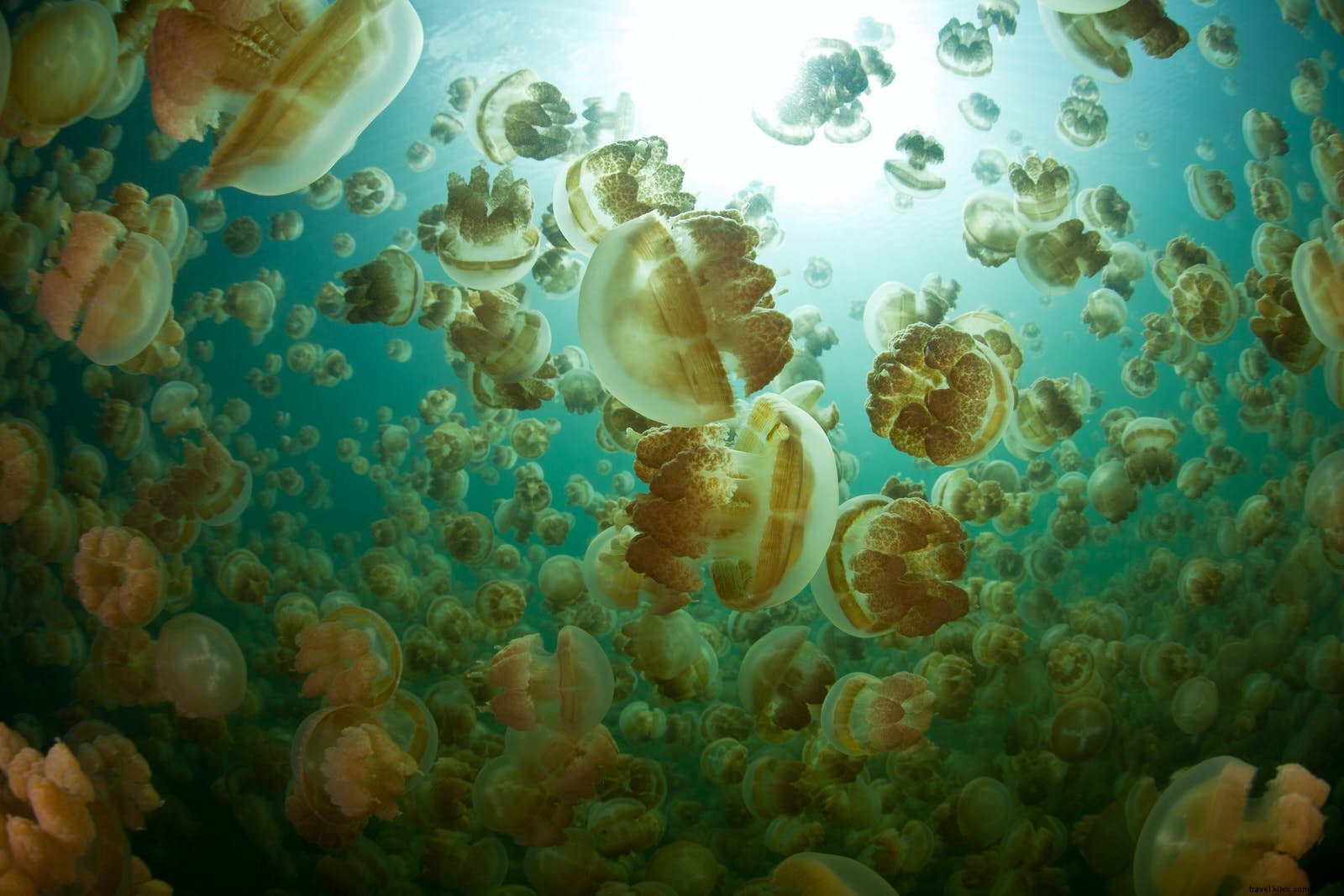
Unlike typical jellyfish drifting with ocean currents, Palau's golden jellyfish in Jellyfish Lake—harmless to humans—undertake a daily migration tracking the sun's path. Each morning, they gather on the western shore of this Micronesian marine lake and migrate eastward toward the rising sun, halting before the shadows of lakeside trees where predators like anemones lurk. They rest at midday, then return westward in the early afternoon.
See it: Visit Jellyfish Lake year-round via excursions from Koror, Palau's main island. The dry season (November–April) offers ideal weather.
Monarch Butterflies
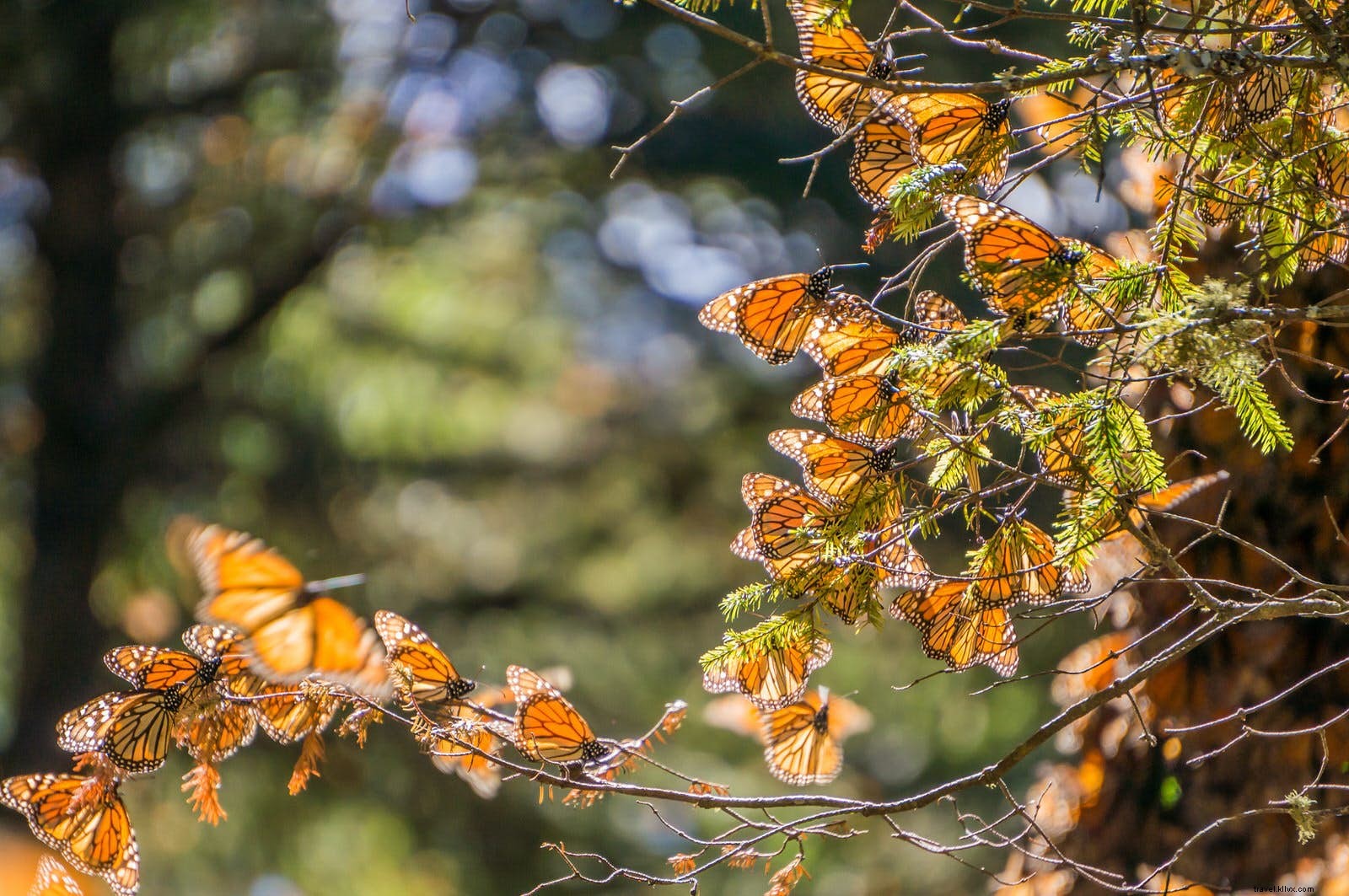
From September to October, black-and-gold monarch butterflies migrate en masse from southern Canada and the eastern U.S. to overwintering sites in central Mexico and California, clustering by the millions in trees. Remarkably, these individuals never return: spring migrants lay eggs en route, hatching caterpillars that transform through up to five generations to complete the cycle.
See it: Visit Mexico's Monarch Butterfly Reserve from January to March for peak numbers.
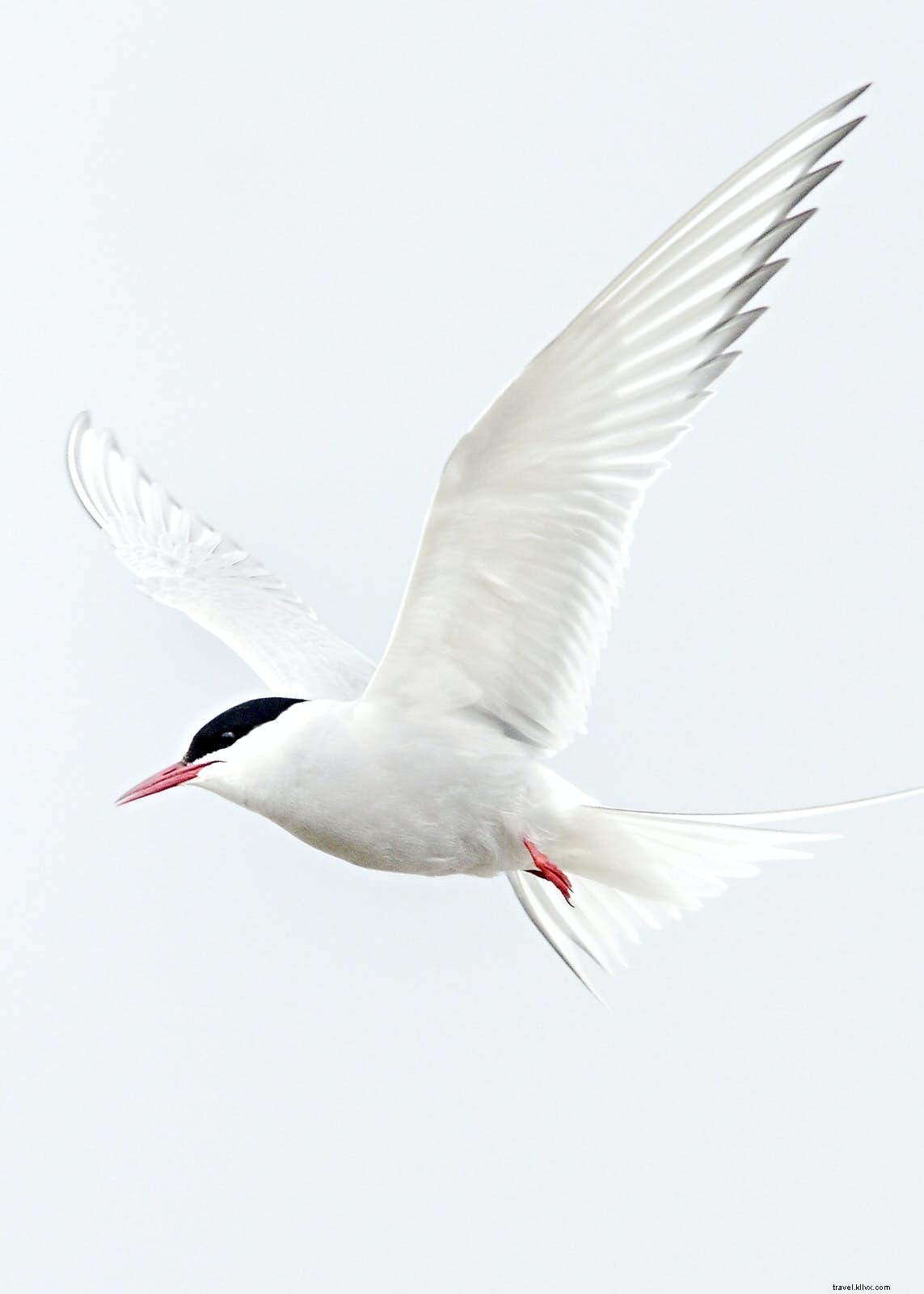
Arctic Terns
Arctic terns endure the longest migration of any animal, flying from Greenland breeding grounds to Antarctica's Weddell Sea and back—an S-shaped route exceeding 43,000 miles (70,000 km) each way. Over a 34-year lifespan, this equates to three round trips to the moon. They feed on the wing from ocean waters.
See it: Spot them from Greenland breeding sites to The Azores, Portugal, during their northward return in May.
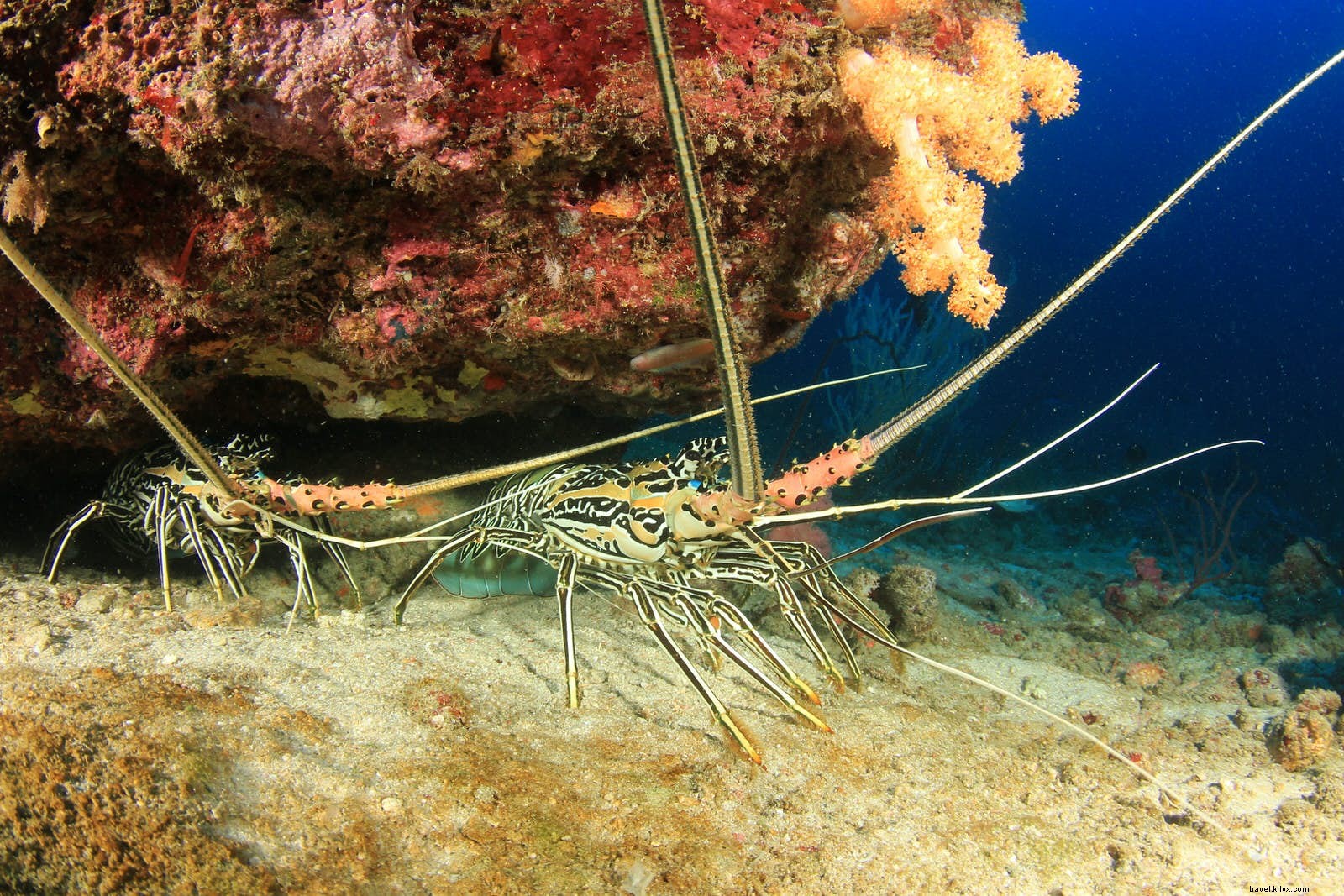
Spiny Lobsters
Caribbean spiny lobsters form conga lines of up to 50 individuals each summer, marching offshore to deeper waters across the ocean floor. This evades storms and aids egg development in cooler depths for females. They return to shallower breeding grounds in autumn; the formation likely deters predators.
See it: Observe these nocturnal marchers on night dives in the Caribbean, ideally at summer's start.
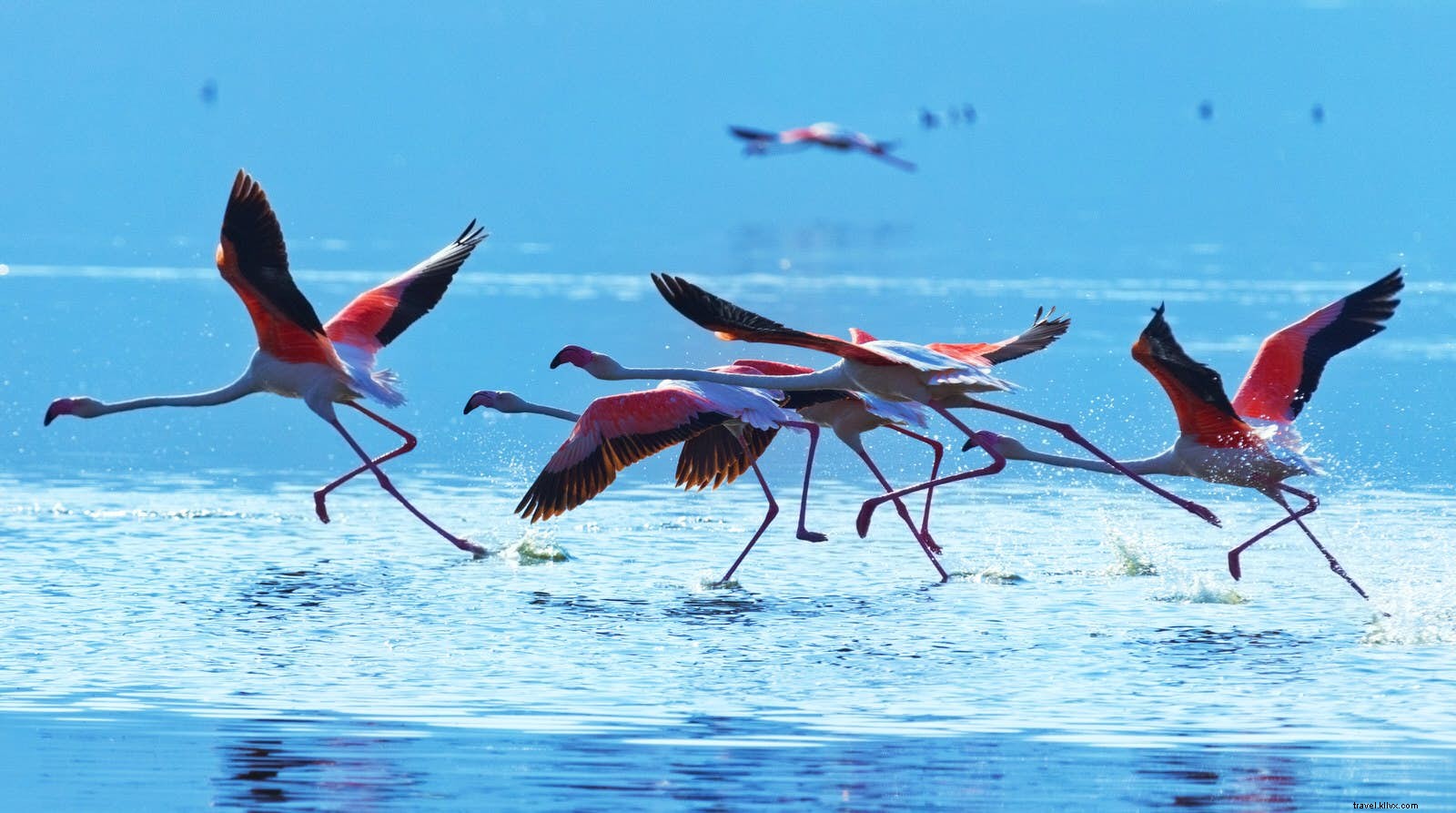
Lesser Flamingos
In August, sub-Saharan Africa's lesser flamingos converge on East Africa's Great Rift Valley lakes, like Kenya's Lake Bogoria, to feed on spirulina blooms. They then fly to Tanzania's Lake Natron for mating and nesting by November, forming pink flocks of over two million.
See it: View feeding flocks at Lake Bogoria (August–November) and nesting at Lake Natron (September onward), with chicks hatching around December.
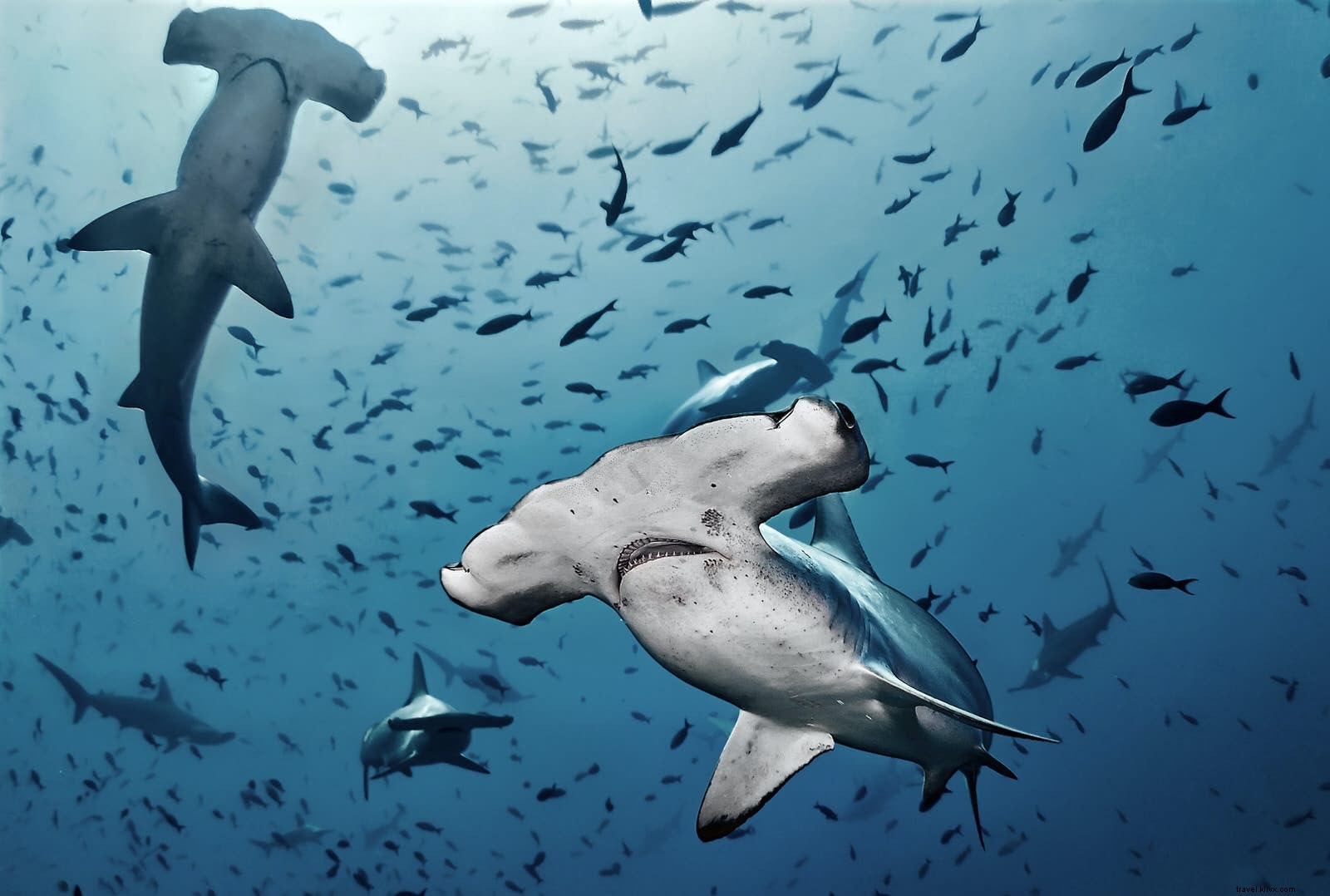
Hammerhead Sharks
A 2011 University of Miami study tracked a hammerhead shark 745 miles (1,200 km) from Florida to New Jersey. More famously, they aggregate in the 'hammerhead triangle' (Galapagos, Malpelo, Cocos Islands), converging at Cocos Island, Costa Rica, in groups of up to 200 during summer upwellings.
See it: Join liveaboard dives to Cocos Island (June–December) at sites like Bajo Alcone, Dirty Rock, and Punta Maria.
Fruit Bats
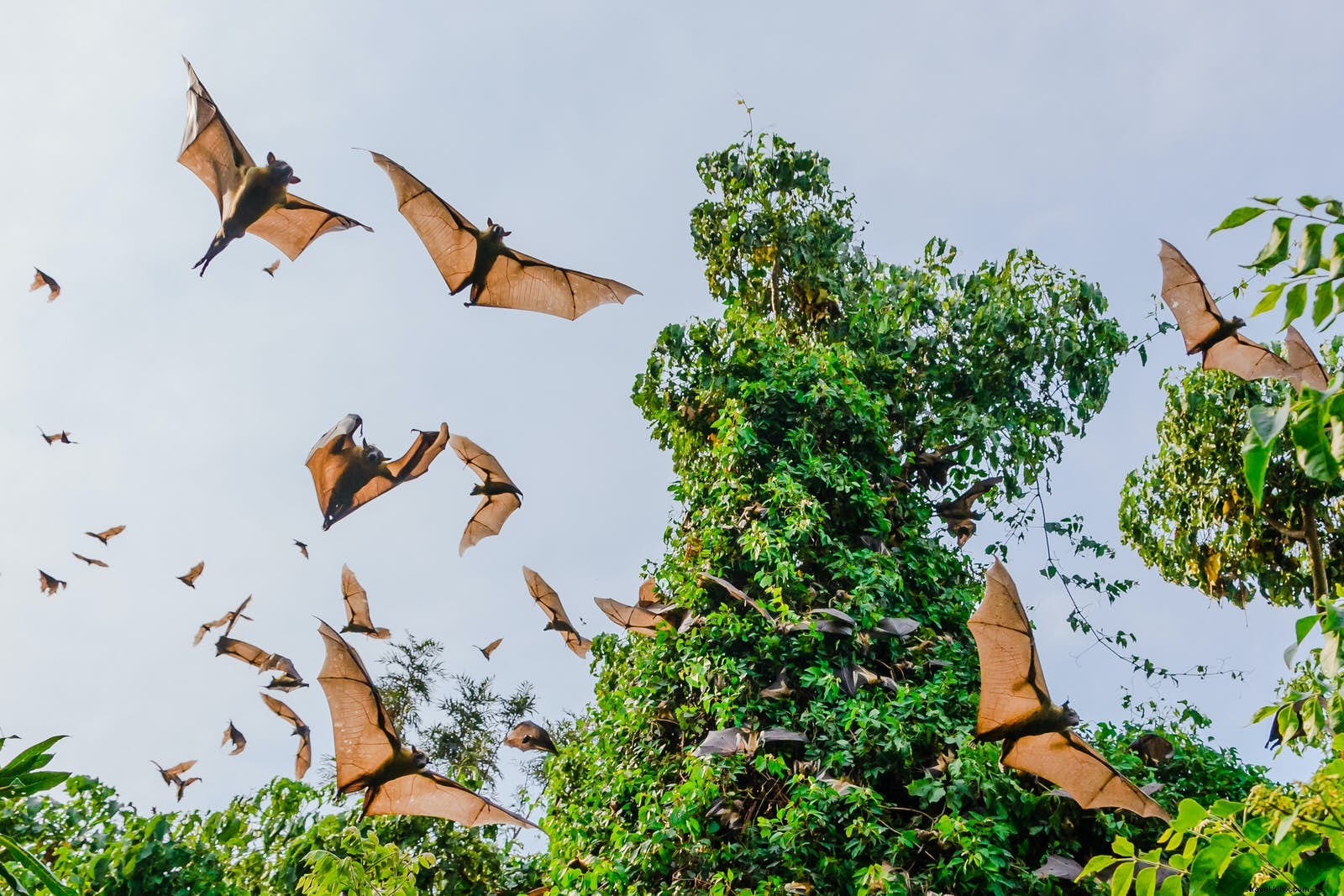
October sees over 10 million straw-coloured fruit bats migrate from the Congo Basin to Zambia's Kasanka National Park, devouring up to 4.4 lb (2 kg) of fruit nightly during the world's largest mammalian migration. They depart by late December.
See it: With a guide and armed escort, use treetop hides in Kasanka National Park.
Red-Sided Garter Snakes
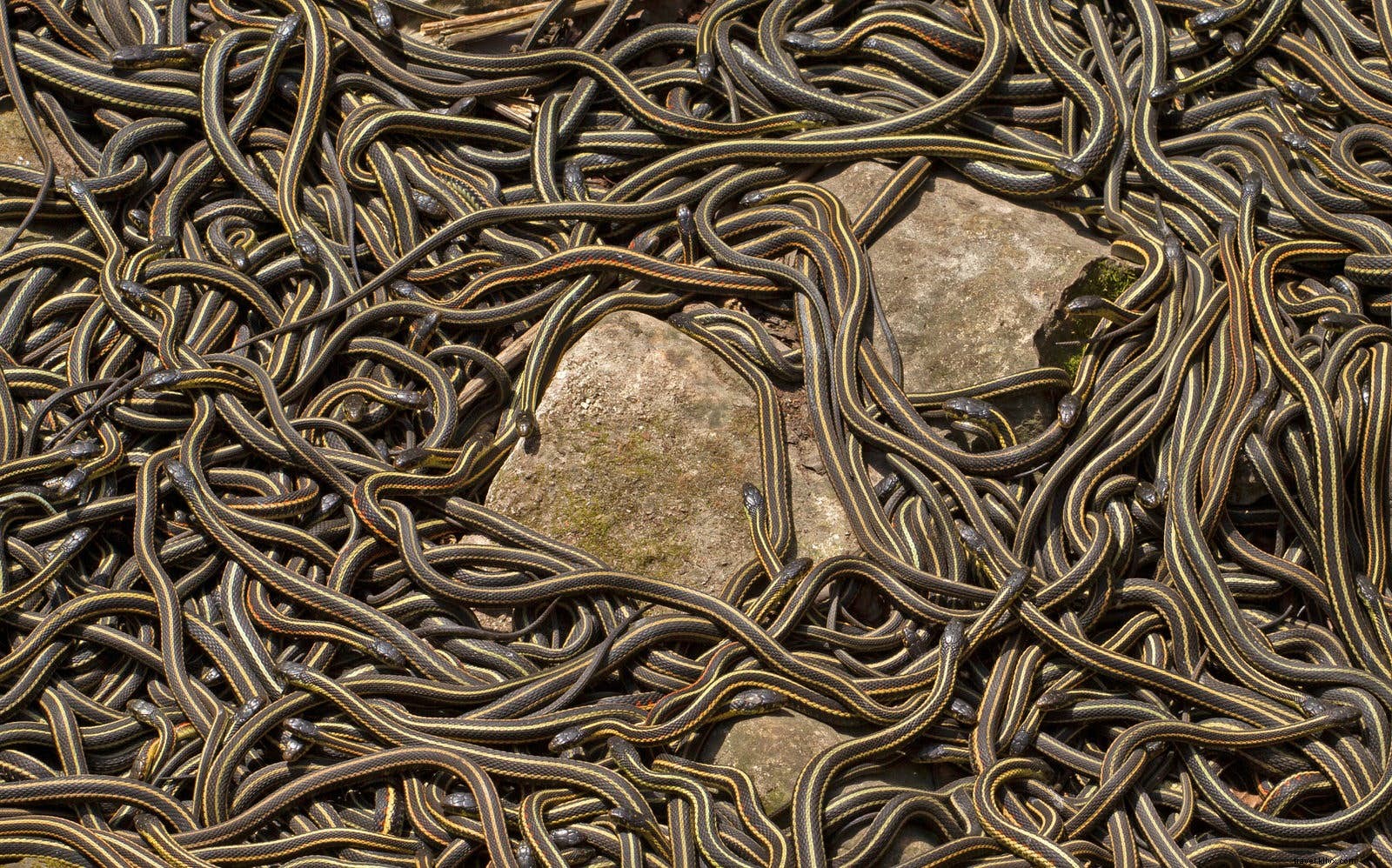
Thousands of red-sided garter snakes travel up to 20 miles (32 km) to hibernate in Manitoba, Canada's massive dens—the world's largest snake gatherings. Spring emergences involve over 100,000 snakes; non-aggressive to humans, they return in September.
The planet's cutest animals (and where to find them)
You might also like:
Stressed and anxious? Watching adorable animal videos might help
Safari animals: the story of elephants (and the best places to see them)
These nine wildlife web cams offer access to your favorite animals