
From Myth to Reality: The Rare White Lions of Timbavati in Ngala Private Game Reserve
'The white lions don’t exist,' my safari guide says with a knowing smile and a twinkle in his eye. 'They’re just myths.'
Whispers of these majestic creatures have echoed through the Timbavati and southern Kruger regions of South Africa for centuries. Yet today, three white lions are confirmed in the wild, with two residing in the 148-sq-km Ngala Private Game Reserve at the heart of this area. In the local Shangaan language, Ngala means 'lion.'
I share with Dyke Khosa—a veteran safari guide with 28 years of experience—that spotting a white lion in Ngala would be a lifelong dream. Khosa's deep connection to the bush goes beyond guiding; it's woven into his life. As a boy, he foraged for medicinal plants with his grandfather, a traditional healer, often trekking miles alone through the wilderness. One unforgettable encounter—stepping into a lion's massive footprint—taught him to read the land and its wildlife instinctively.
"I have lived my entire life in this area, and the white lions were only animals spoken of in stories told by elders," Khosa reflects.
Until recently, white lions were indeed legends. Sporadic sightings hinted at their existence, but the gene producing their ivory-white fur is a rare leucistic mutation unique to this corner of Africa—the only place they've ever been documented in the wild.
Defying the Odds
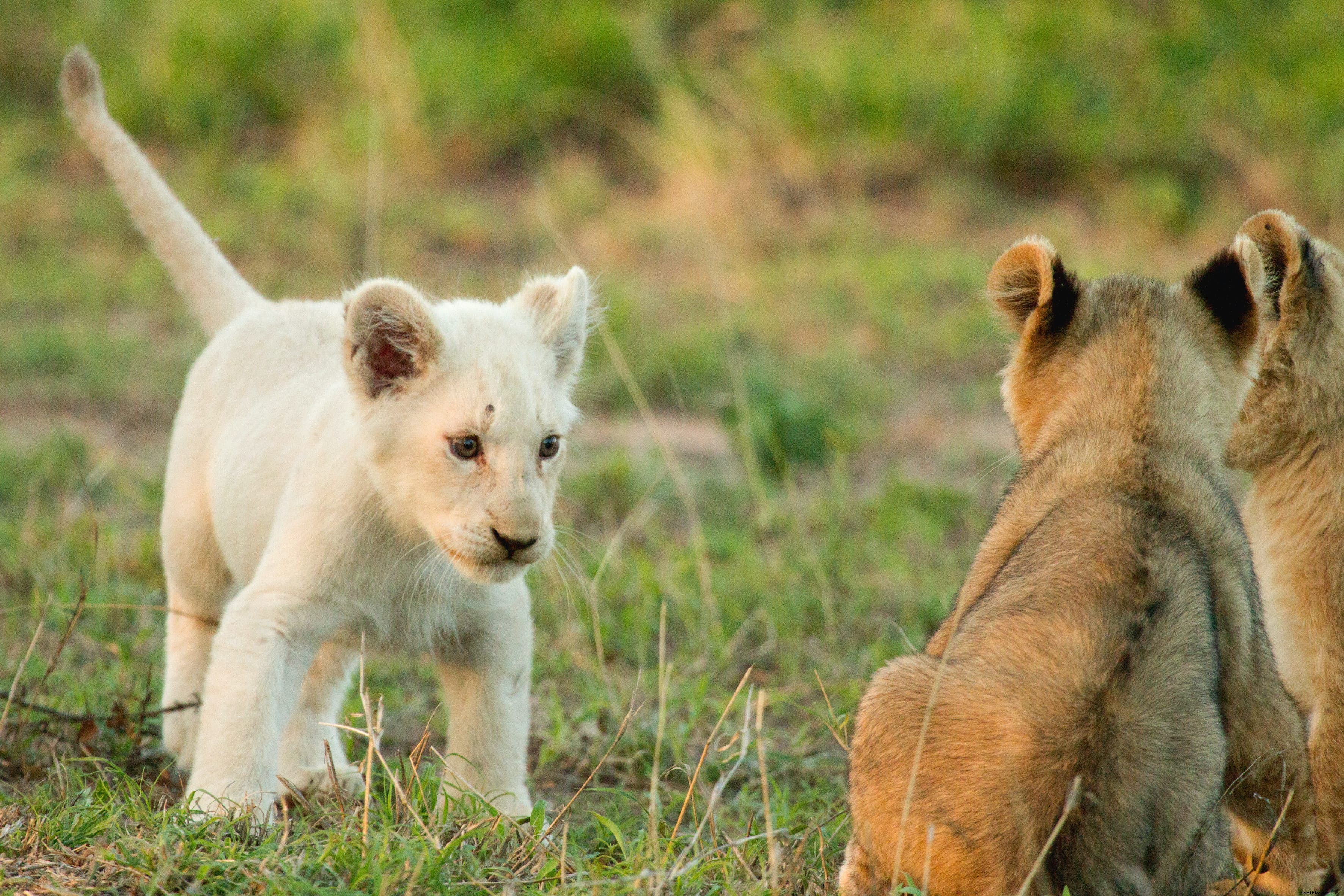
In 2017, two lionesses from Ngala's dominant Birmingham Pride—the reserve's largest—gave birth to seven cubs. After decades without a single white cub, three were strikingly white, astonishing everyone. Tragically, the excitement was short-lived: invading Ross males battled for control of the pride and killed all the cubs to secure their lineage.
Only about half of lion cubs survive their first year, and white cubs face even steeper odds. As Khosa explains, camouflage is crucial; cubs are often left alone while adults hunt, making them prime targets for predators.
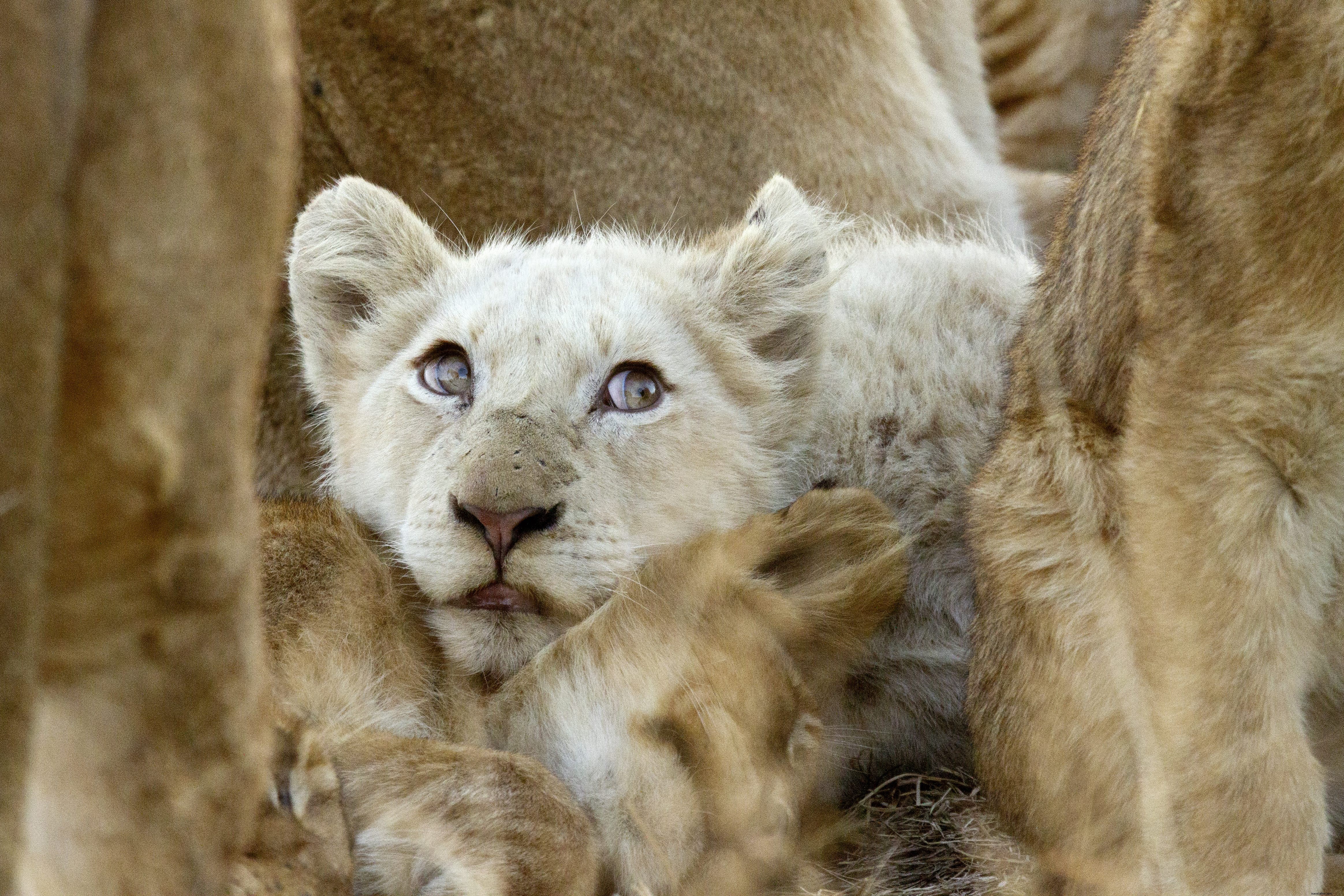
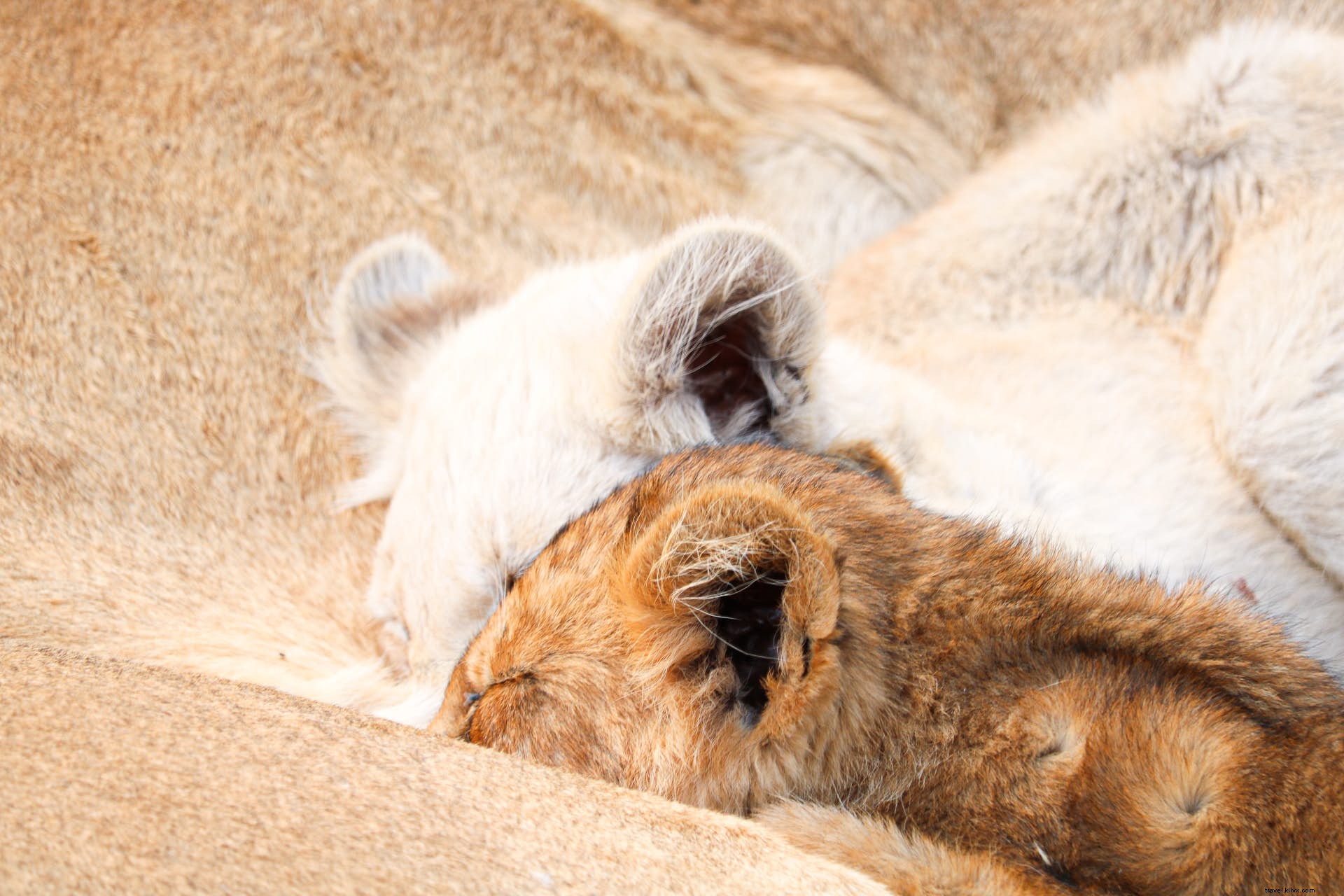
White lions stand out due to a rare recessive leucistic gene, causing partial pigment loss while retaining eye and skin color—unlike full albinism. Both parents must carry the gene, even if tawny-coated. Remarkably, it prevailed again: in October 2019, shortly after the Ross takeover, a Birmingham lioness birthed a robust white male cub, followed soon by a female from another.
The Hunt for Hidden Treasures
On a crisp morning, bundled in blankets, we depart at dawn. The African bush's serenity is profound. Tracker Geddes scans with a spotlight, spotting glowing eyes. It's my last day in Ngala; we've seen the Birmingham Pride, but no white cubs.
Khosa collects his 'bush telegraph' report, interpreting overnight tracks like a book. He pauses, exits the vehicle, and examines closely.
"I think the main pride has split. These are tracks of two adult females and three cubs," he says.
Nearly invisible to me, he points to subtle signs: 'They're heading that way.' His intimate knowledge predicts their path.
Ngala rules prohibit off-road tracking unless Big Five locations are known. Geddes sets out on foot, radio and rifle in hand. Khosa suspects these are the white lions' tracks; the cubs' visibility likely splits the pride for better hunting.
Encountering the White Lions
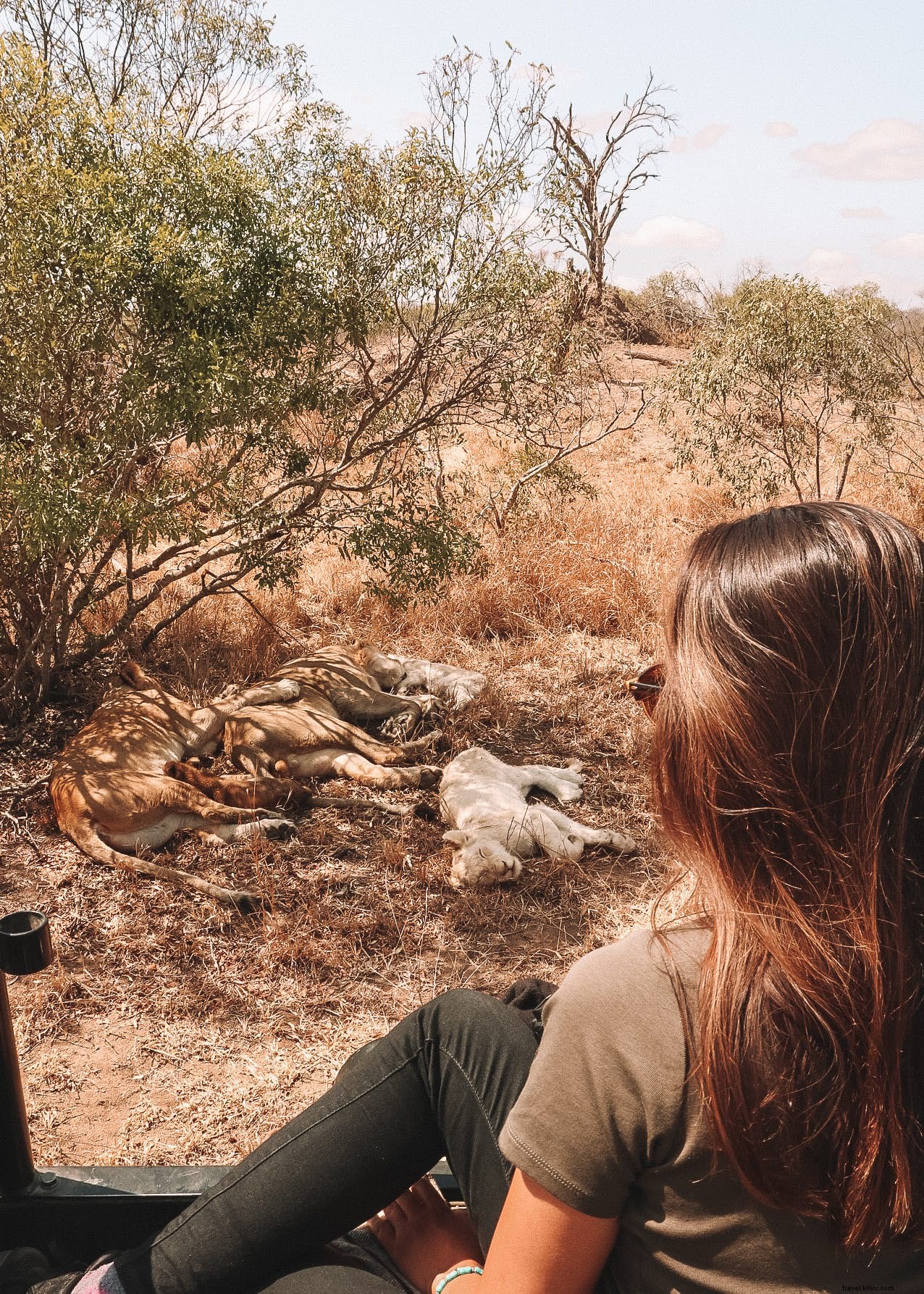
Hours later, hope fading, Geddes radios: he's found them. We navigate cryptic directions: "Halfway along the second track from the channel, head east to burnt knobthorn trees; aim for the tallest, then the termite mound—30m north."
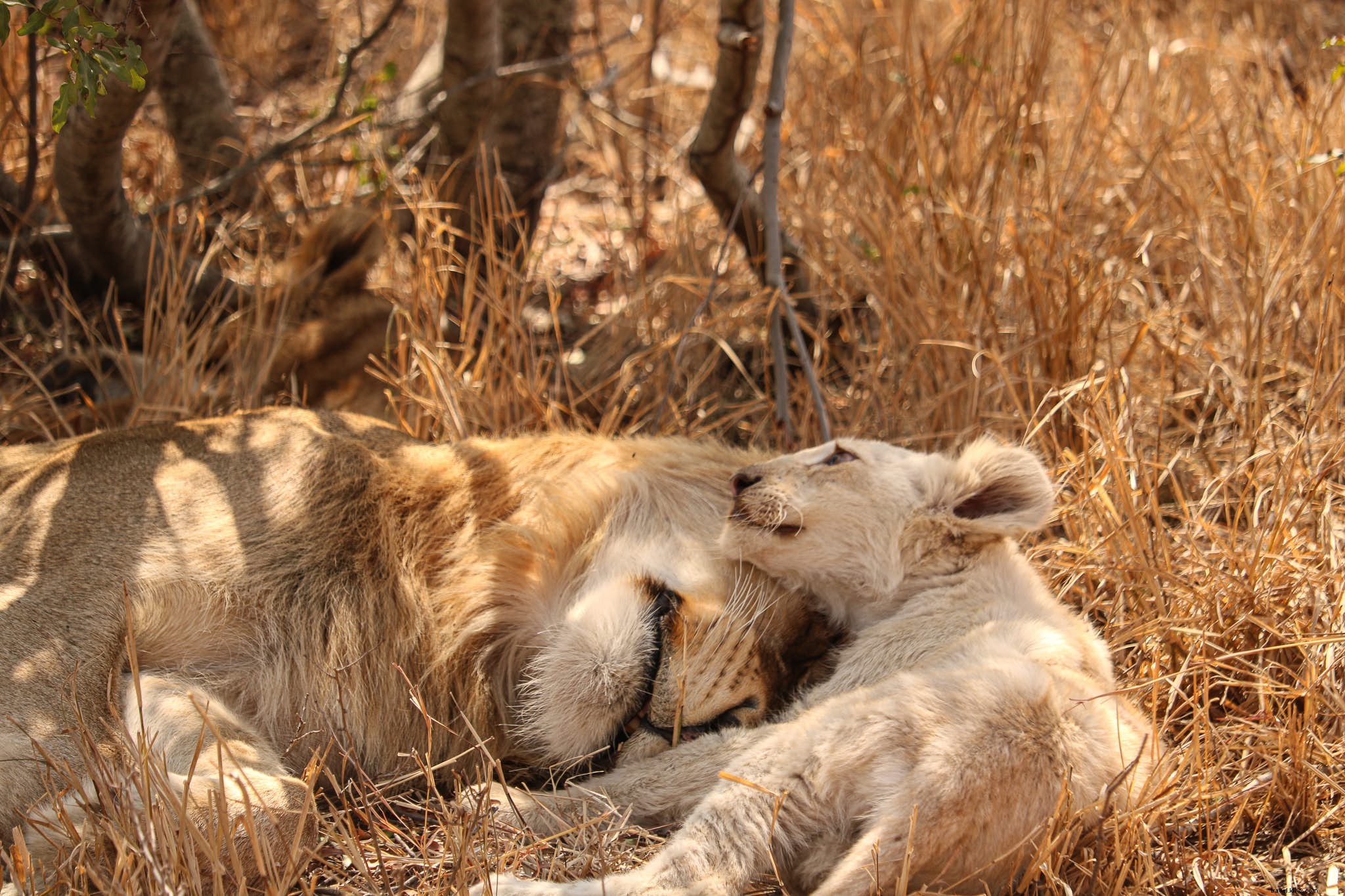
Adrenaline surges as we race off-road through savanna scrub. Spotting the mound, a white flash appears: the 10-month-old male cub rolls playfully under a bush, eyes sparkling.
The younger female leaps over her tawny sibling to nurse. These white cubs are notably larger and bolder, traits Khosa attributes to compensating for their conspicuous fur.
A Hopeful Future
Lions face mounting threats: habitat loss and poaching have halved Africa's population in 25 years. At Ngala, &beyond champions conservation—from rhino dehorning to community education and sustainability programs that foster long-term protection.
For Ngala's white lions, survival hinges on the reserve's safeguards: limited vehicles at sightings, no viewing if cubs are separated. Though unfenced to Kruger National Park, their large pride ensures successful hunts.
As we depart, Khosa smiles contentedly. Once unthinkable, each sighting remains magical.
"For the first time in decades, we're seeing more white cubs born. This unique gene pool is growing—ensuring that for my children's children, our lions will be more than myth."
Get inspired to travel every day by signing up to our daily newsletter.