Stunning Portraits of Remote African Tribes by Frontline COVID Nurse Cohan Zarnoch

Cohan Zarnoch vividly remembers spotting images of Ethiopia's Mursi tribe women wearing lip plates in National Geographic at age seven, while growing up in Ohio. Her primary glimpses into the world came from the magazine and World Book Encyclopedias.

"I said, 'One day I'm going to see that,'" she recalls. "When we arrived, I stood there and cried. Who would have thought, at seven, that I'd actually witness it?" Now 54, Zarnoch has dedicated the past 12 years to traveling with nonprofits, capturing images of remote African tribes.

Based in Colorado, Zarnoch serves as a surgical nurse on the COVID-19 frontlines. In April, she spent three weeks in New York City and is now wrapping up a grueling 30-day stint of 12-hour shifts in East Texas, treating COVID patients.
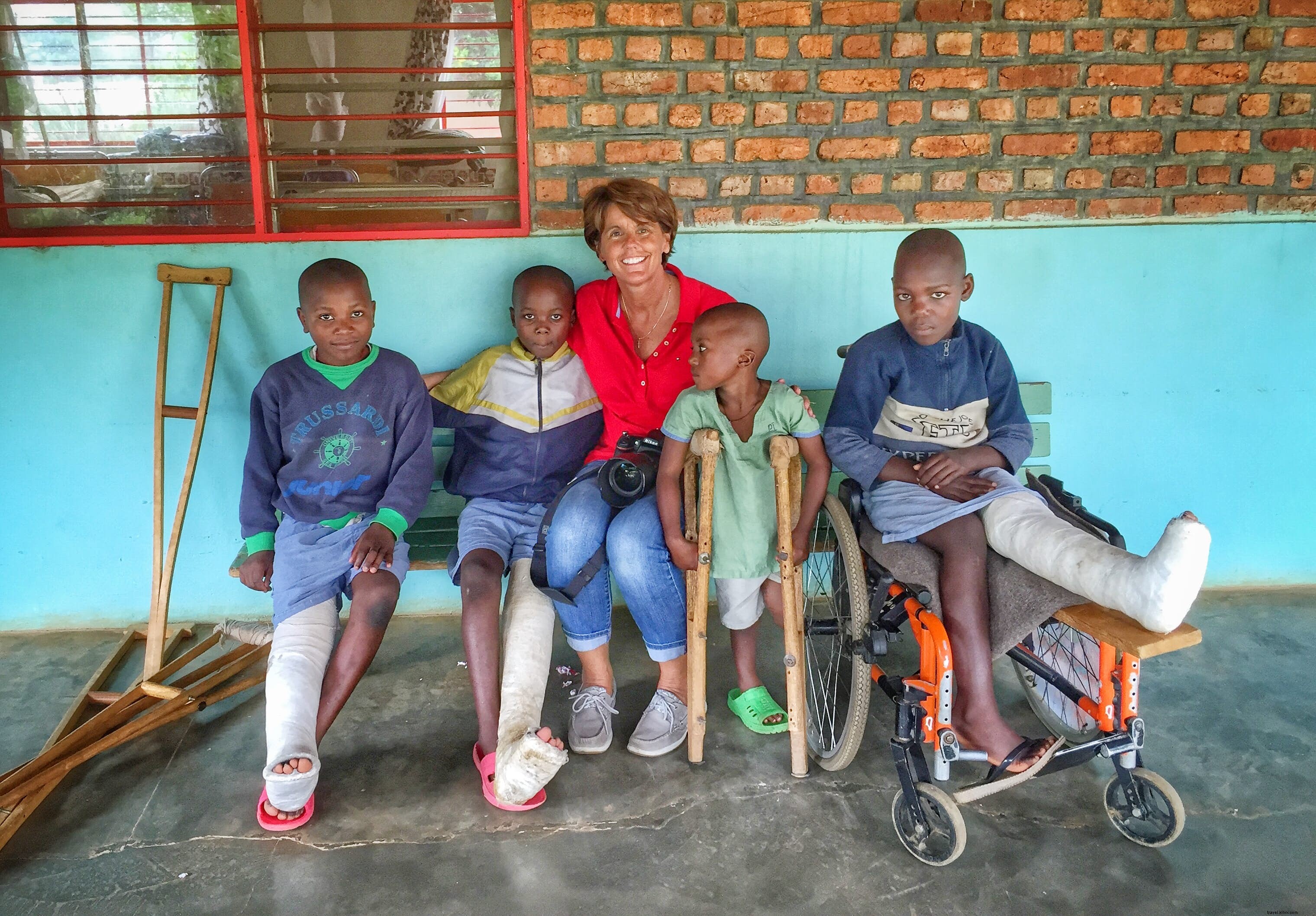
Prior to U.S. deployments, she joined missions with Operation Walk for joint replacements and leads Primo Filters International with her family to deliver clean water to developing nations—always with her camera in hand.

A mother of four with a lifelong passion for photography, Zarnoch once photographed only her family, believing nursing defined her path. A breast cancer diagnosis changed that. "Life is too short," she realized, reigniting her childhood dream of visiting Africa.

She contacted a nonprofit and, within 30 minutes, secured a photography role for a Tanzania mission. Over the next decade, she's collaborated with several organizations across Africa, Peru, Panama, Cuba, and Central America, documenting surgical missions and fundraising efforts.

Africa's experiences resonate deeply for Zarnoch. "You're fully present—the people accept you as you are, creating profound connections absent elsewhere," she shares. "Here, judgment and conformity prevail; there, I can simply be myself."

She's photographed tribes in Ethiopia, Tanzania, Rwanda, and Namibia. Her warm, vibrant portraits of women and children capture genuine bonds. Without translators, she connects by smiling, waving, playing with children, and showing photos on her camera. "They've never seen themselves—no mirrors—so I share every image." Language barriers challenge her desire for deeper stories, but her lens bridges the gap.

Success in nursing and photography stems from her love of people, empathy, and connection. Raised in an era of being "seen but not heard," Zarnoch now amplifies the voiceless through her work.

This self-described overachiever stays relentlessly active: leading or photographing missions, hospital shifts, or editing. She aspires to shoot for National Geographic. Post-pandemic, Chad and South Sudan await.