Morocco's Must-Try Culinary Gems: Iconic Dishes and Food Experiences
Morocco is renowned for one of the world's most vibrant and diverse cuisines, masterfully using seasonal ingredients and weaving together centuries of cultural influences from Berber, Jewish, Arab, and French heritage. Explore the nation's top food experiences that every traveler should savor.
Editor's note: Please check the latest travel restrictions before planning any trip and always follow government advice.
Tagine
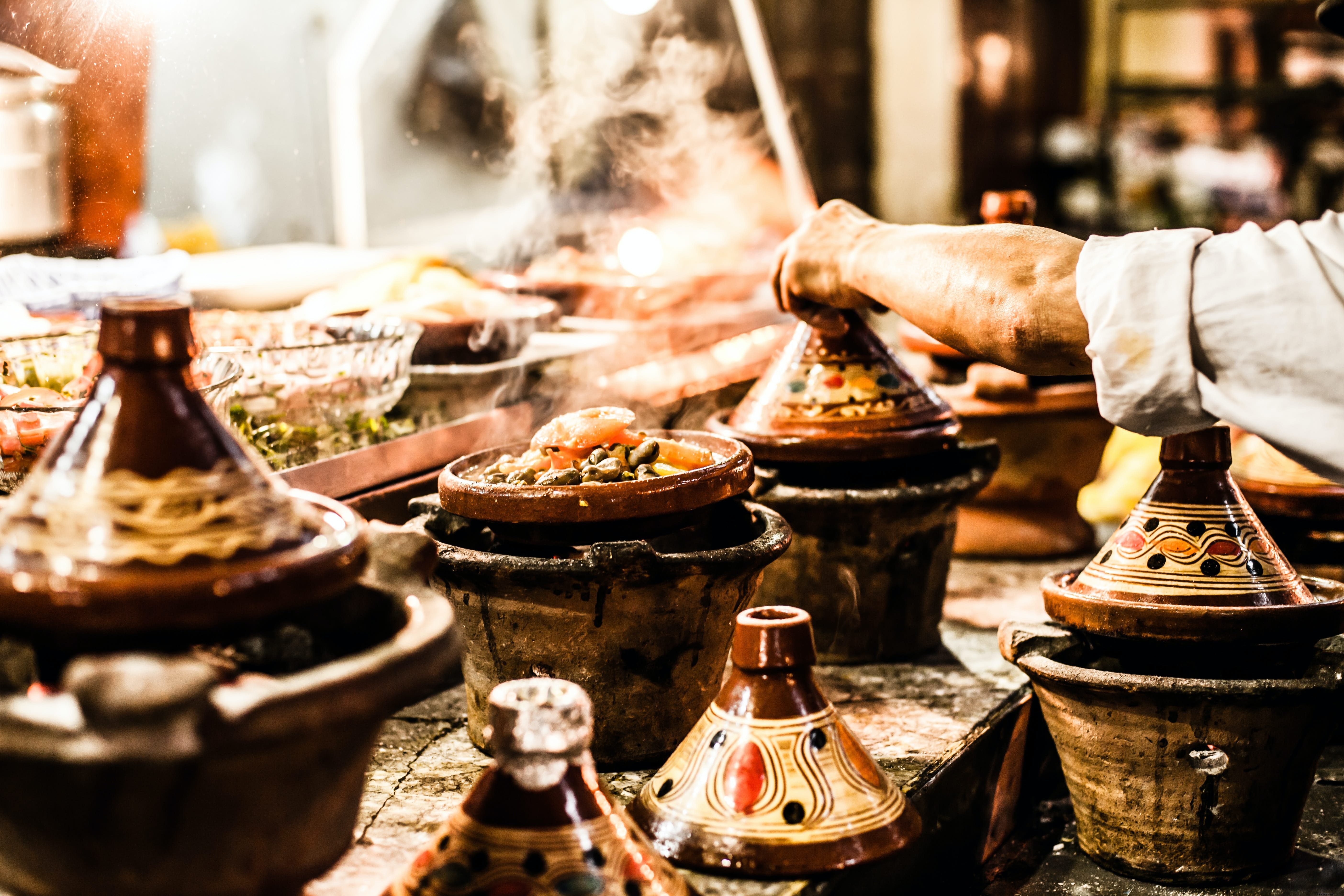
Named after the distinctive conical clay pot in which it's slow-cooked, tagine is a staple on every Moroccan menu, from humble roadside cafés to opulent dining halls. This aromatic stew features tender meat and vegetables infused with a symphony of spices, often enhanced with olives or preserved fruits, and always paired with fresh bread. Don't miss the kefta tagine: spiced lamb or beef meatballs simmered in a rich tomato-onion sauce and crowned with a poached egg.
Tanjia
Similarly named for its earthenware cooking vessel, tanjia is a Marrakech specialty. Hearty chunks of beef or lamb, seasoned with spices, are sealed in a pot with a paper lid and string, then slow-roasted for hours in the embers of a public hammam (bathhouse) furnace, yielding melt-in-your-mouth flavors.
Couscous
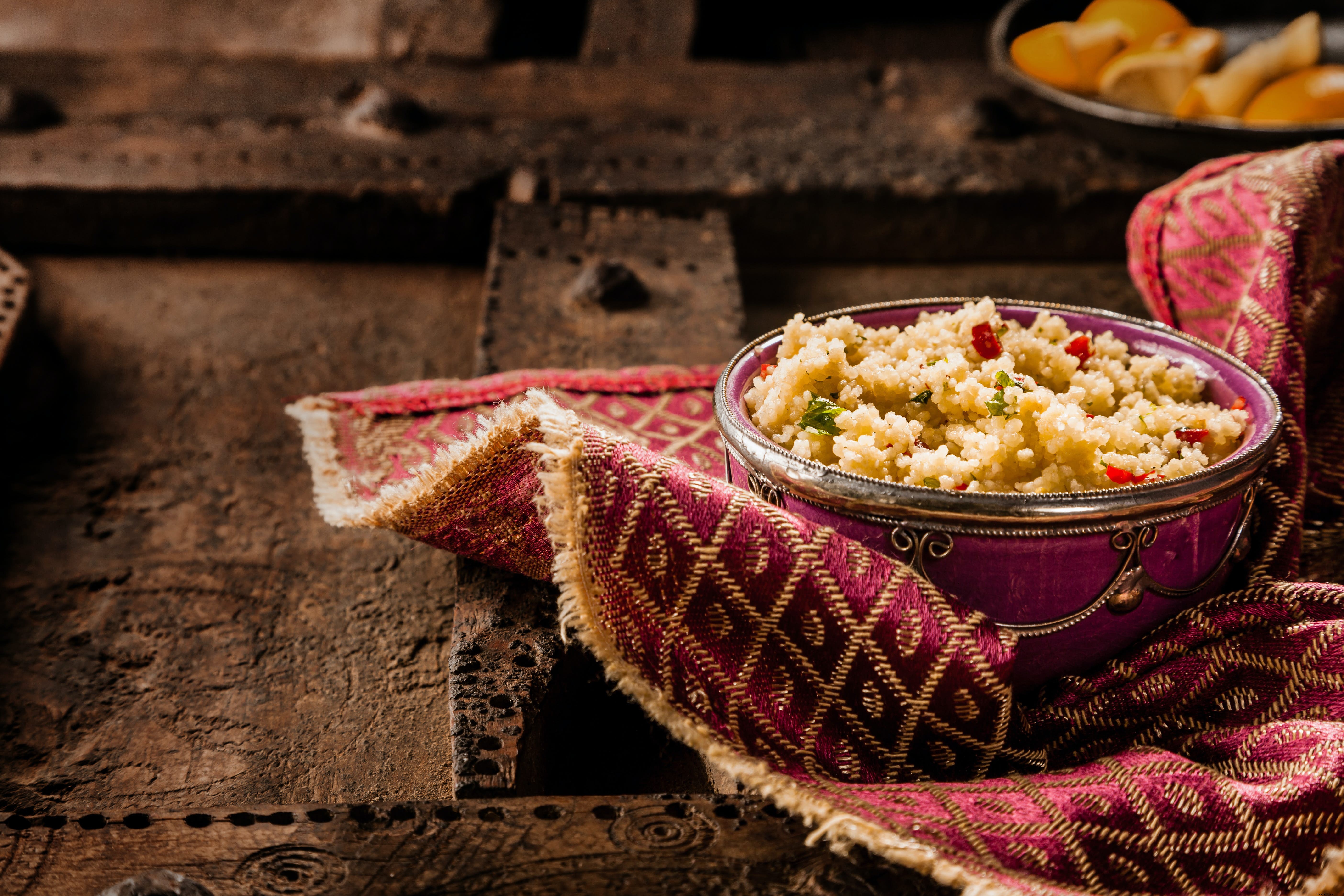
With roots tracing back to the 13th century and likely Berber origins, couscous is Morocco's national dish. Traditionally, semolina grains are meticulously hand-rolled and steamed until fluffy, then mounded with tender meat, vegetables, nuts, and dried fruits. It's a Friday ritual, served at weddings, funerals, and to break the Ramadan fast.
Salads
Moroccan meals often open with a dazzling array of small, shareable salads—raw and cooked, hot and cold. Highlights include salade marocaine (chopped tomatoes, onions, and cucumbers), smoky zaalouk (aubergine dip with garlic, paprika, and cumin), orange-zested grated carrots, courgette purée, taktouka (roasted peppers and tomatoes), and briny local olives.
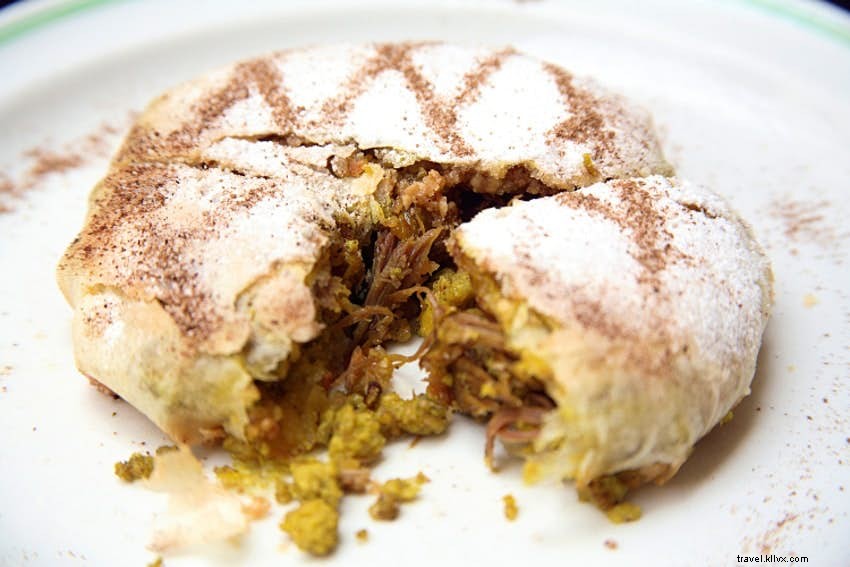
Pastilla
A Fez masterpiece blending sweet and savory, pastilla was introduced by Moorish exiles from Andalusia. Layers of spiced pigeon (or modern chicken), toasted almonds, cinnamon, and delicate warka pastry create this indulgent pie. Seek out the traditional pigeon version for an authentic taste.
Harira
This hearty Berber soup, packed with chickpeas, lentils, tomatoes, spices, and a touch of lamb or chicken, is a flavorful staple. Regional variations abound, finished with lemon and turmeric. During Ramadan, it's the iftar essential, paired with chebakia—sweet, sesame-twisted pretzels.
Bread
Every Moroccan neighborhood features a mosque, school, hammam, fountain, and communal wood-fired oven. Families bake their khobz—the iconic round, crusty loaf—or buy from ovens producing thousands daily. Try harcha (pan-fried semolina), flaky rghaif, or spongy baghira.
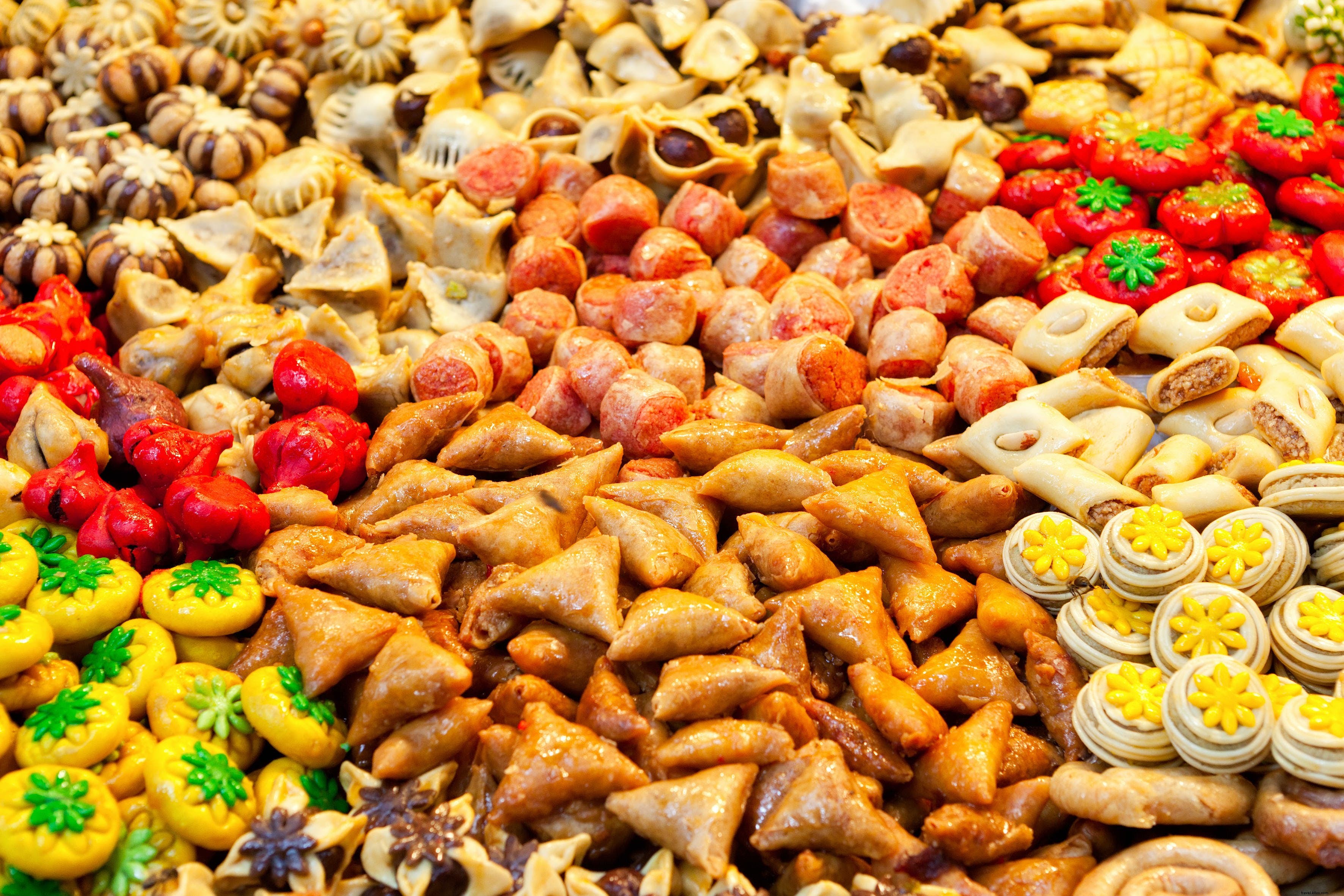
Sweets
Fresh fruit caps most meals, but souks brim with decadent treats like almond-stuffed briouats, orange-blossom gazelle horns, fried shebakia, and crunchy fekkas. In Moulay Idriss, sample the legendary nougat.
Tea
Morocco's beloved mint tea—aka 'Berber whiskey'—is a hospitality ritual. Green tea, fresh mint, and generous sugar are poured from height into glasses, creating frothy appeal. Winter swaps mint for wormwood (sheba).
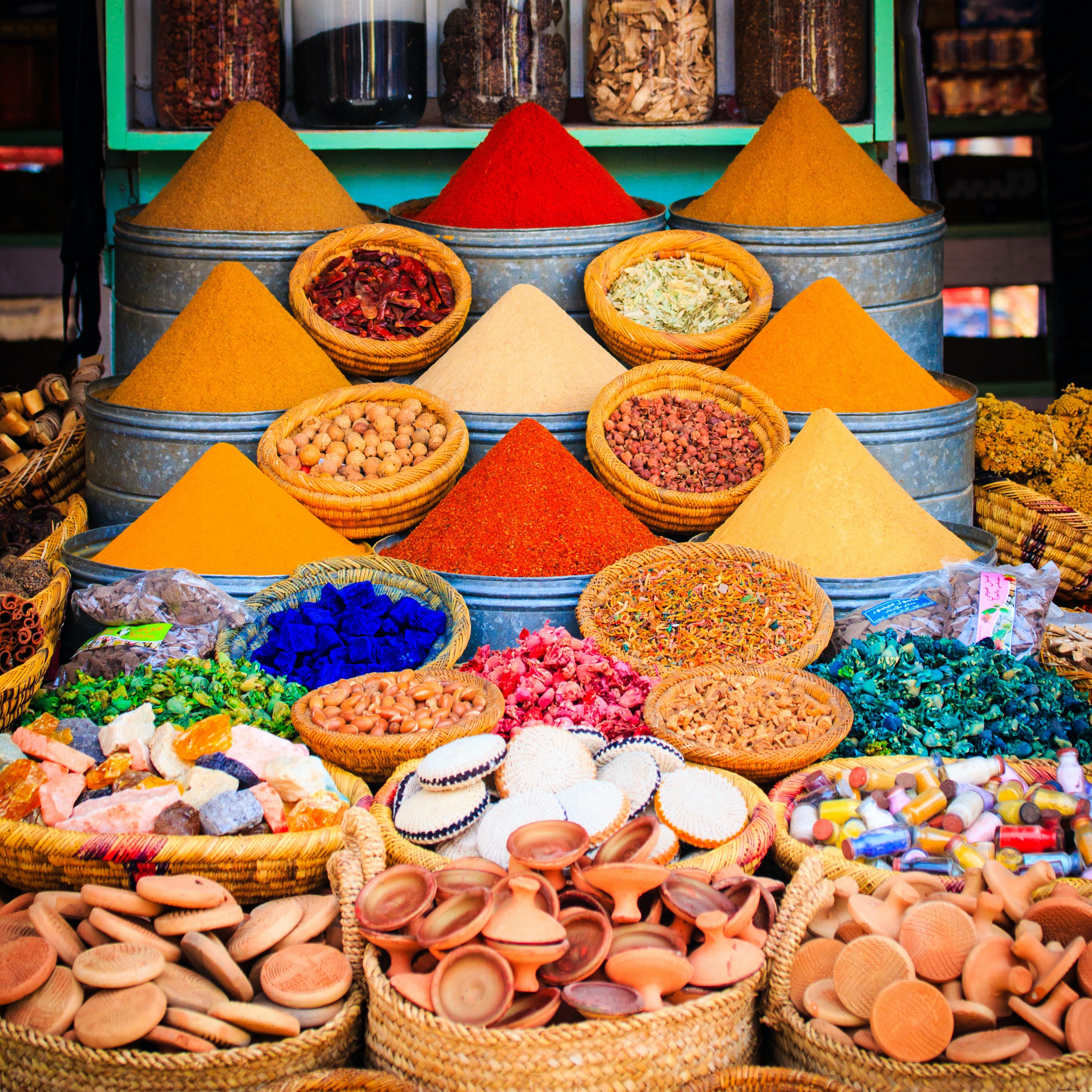
Spices
Souks showcase spice pyramids, including precious saffron. Ras el hanout—'head of the shop'—blends up to 30 spices like cardamom, nutmeg, and ginger for elevated dishes.
Street Eats
Medina stalls offer irresistible on-the-go bites nationwide.
Camel Spleen
Spiced camel spleen sausage, baked then griddled, served in khobz with hump fat for gamey richness.
Sheep’s Head
Steamed sheep heads with cumin, salt, and chili; savor cheeks and tongue. Brains simmer in tomato sauce nearby.
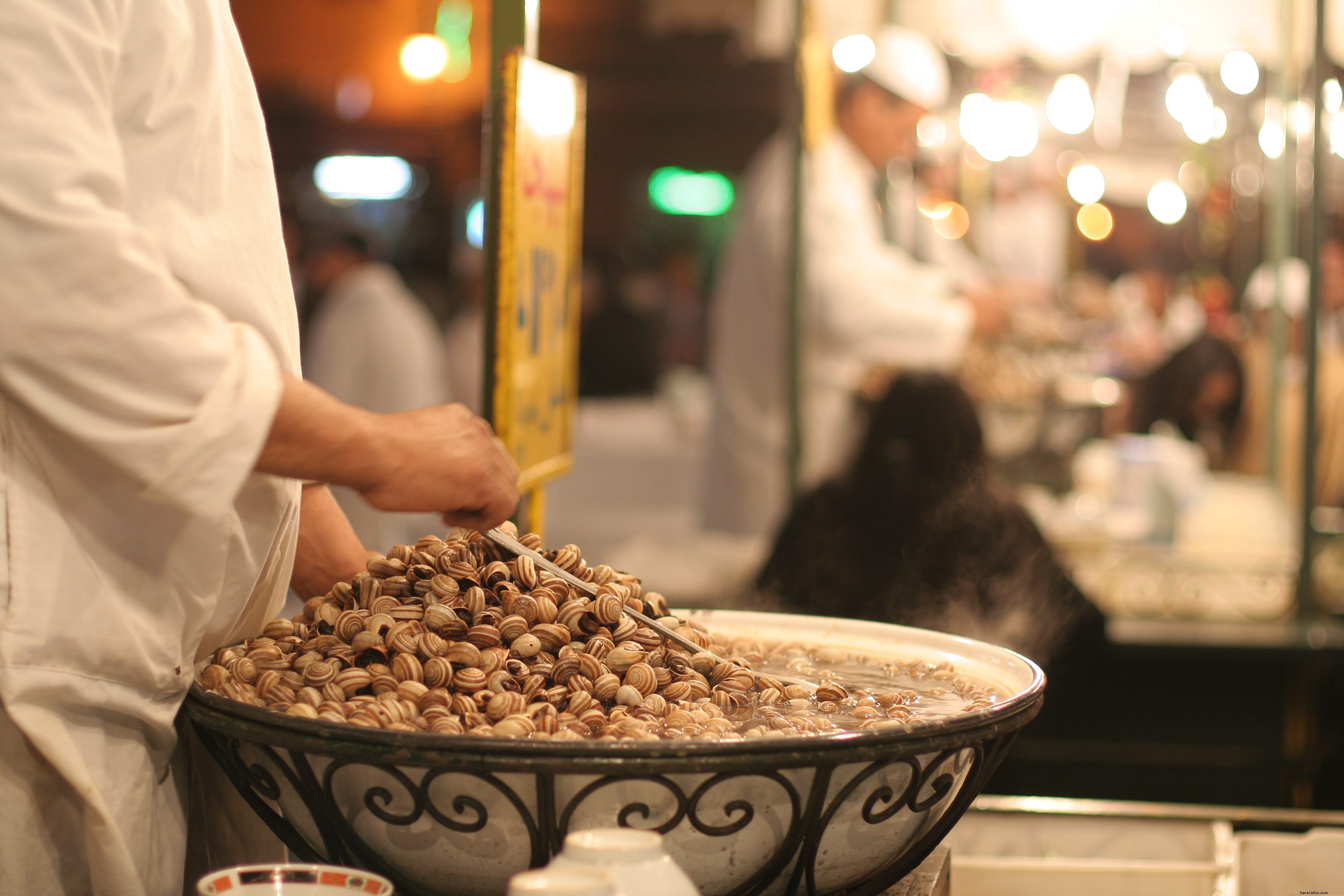
Snail Soup
Spicy broth with tiny babouche snails, enjoyed with a toothpick or solo.
Bisara
Breakfast favorite: fava bean soup topped with olive oil, cumin or chili, and khobz.
Sardines
Fresh sardines stuffed with chermoula (spicy herb paste), floured, and fried—a coastal delight.
Etiquette
The finest Moroccan fare is home-cooked; dine with families or family-run spots. Use your right hand and bread, taking only from your tagine section.