
Japan's Top Food Experiences: Sushi, Ramen, Kaiseki & More
Across Japan, world-class meals are always within reach. Restaurants often dedicate generations to mastering a single dish, sourcing the freshest local ingredients and presenting them with artistry. Japanese cuisine shines with regional diversity—a cherished point of pride for locals.
Sushi
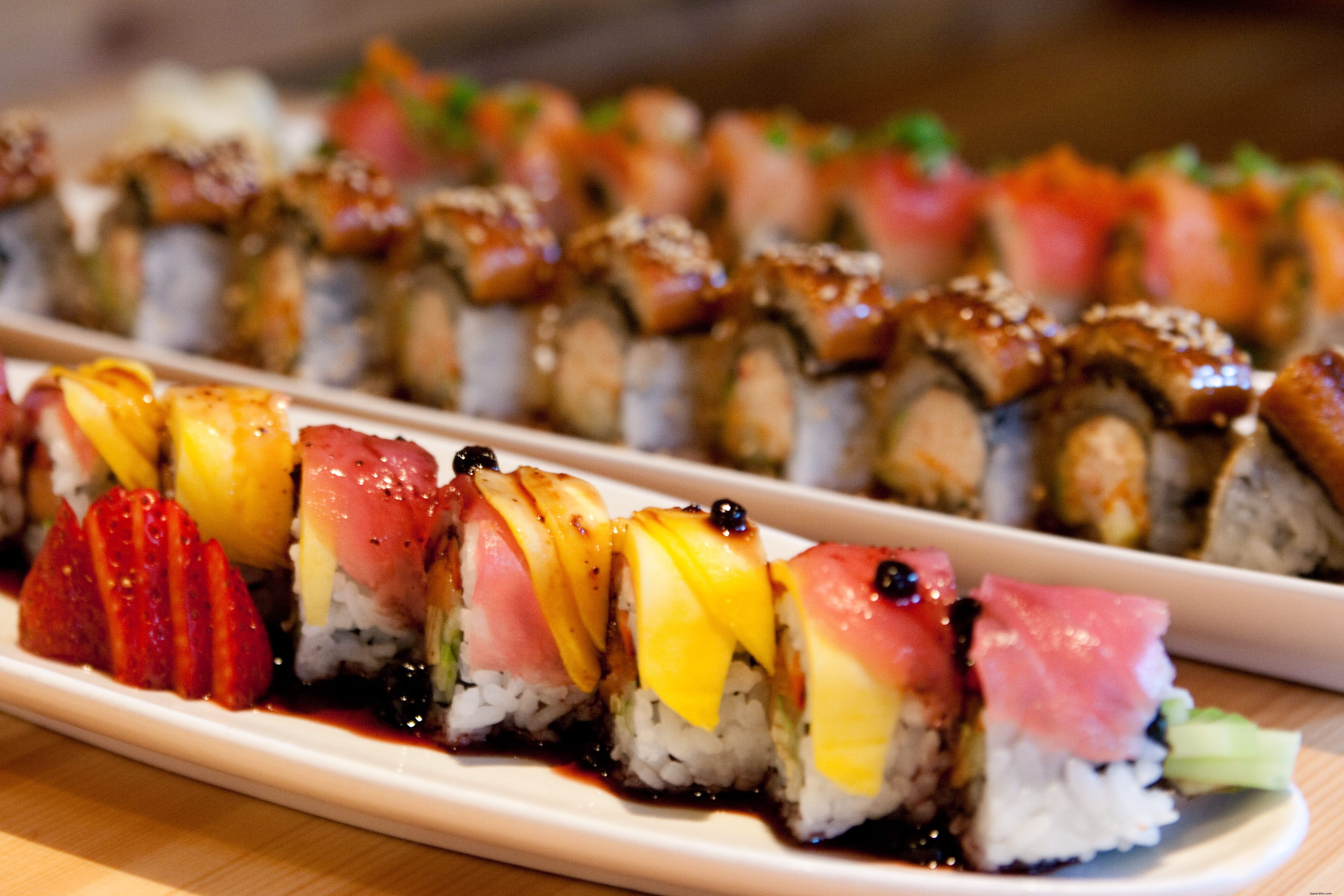
Sushi defines Japanese dining for many. Tokyo's iconic nigiri-zushi—hand-pressed seafood atop vinegared rice—has become a global favorite. Indulge at upscale spots or opt for affordable kaiten-zushi (conveyor-belt sushi).
Key etiquette: Skip soy sauce if the chef has pre-seasoned it (staff will advise). Eat by hand if preferred. Use gari (pickled ginger) to refresh your palate between bites.
Kaiseki
Kaiseki represents Japan's haute cuisine, blending peak-season ingredients, precise preparation, serene settings, and stunning presentation in a ritualized feast. Subtle seasonings highlight natural flavors, with tableware and garnishes evoking the seasons.
Discover eating out in JapanRamen
Though rooted in China, ramen reigns supreme in Japan—many towns boast a ramen shop as their sole eatery.
Expect crinkly egg noodles in rich broth topped with chāshū (roast pork), moyashi (bean sprouts), and menma (fermented bamboo). Broths range from kotteri (thick, fatty pork bone) to assari (light, clear). Pilgrimage to Fukuoka for tonkotsu or Sapporo for miso ramen.
Shōjin-ryōri
This Buddhist vegetarian cuisine avoids meat, fish, onions, and garlic, showcasing tofu in endless creative forms. Experience it at Kōya-san's temple lodgings (shukubō).
Exploring Kōya-san: staying at Japan's mountaintop temple complex
Street Markets
Japanese street markets offer endless visual and culinary delights around the clock.
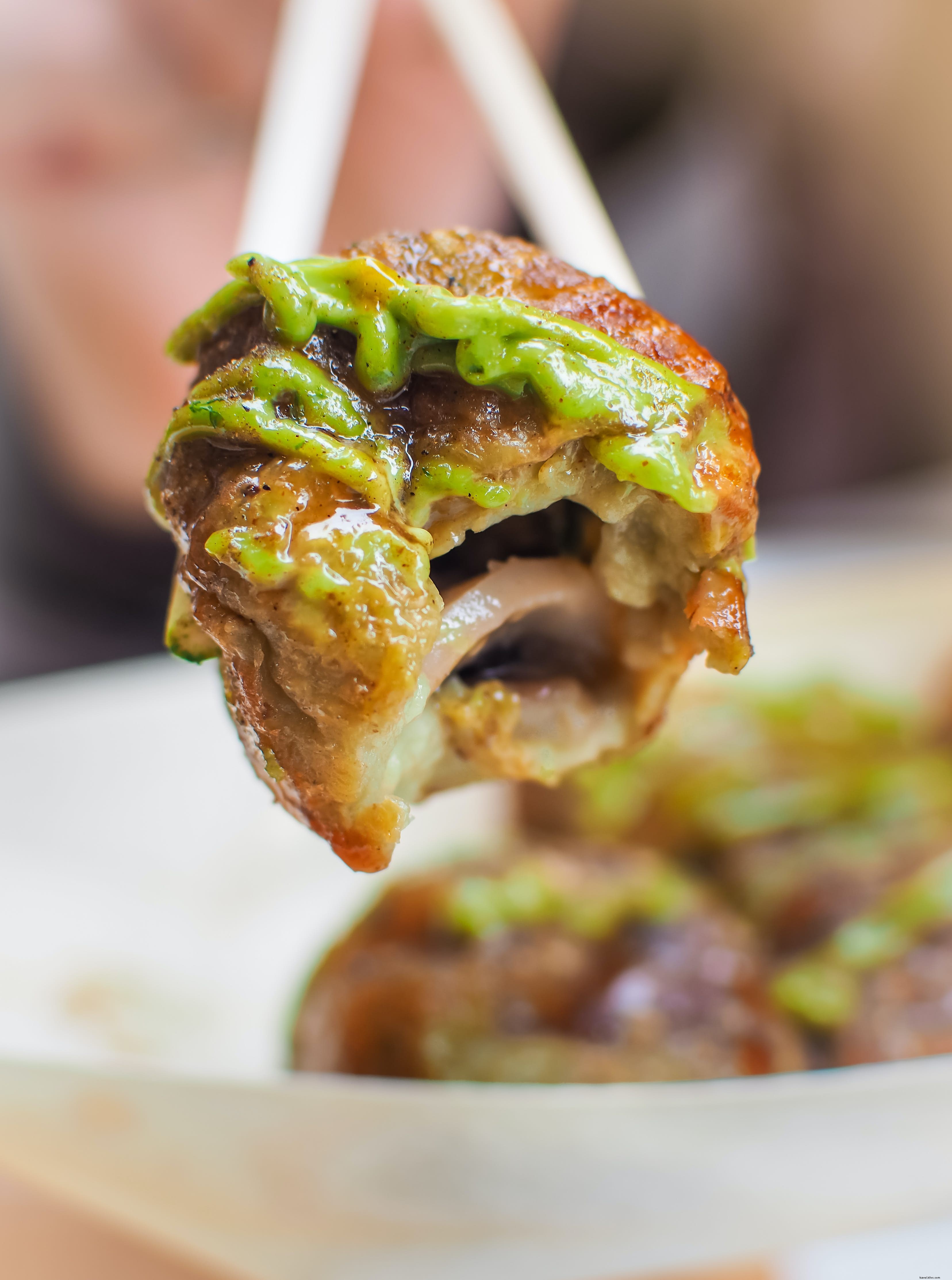
Sample sushi or kaisen-don (seafood rice bowls) at Tokyo's Toyosu Market or Hakodate's Morning Market. In Osaka's Wanaka Honten, try takoyaki (octopus balls) or tako-sen (octopus-filled rice cracker sandwiches). Kyoto's Nishiki Market brims with tsukemono pickles, sweets, wasabi salt, and sashimi.
Tea
Tea enthusiasts thrive in Japan, where o-cha means green tea. Ryokucha steeps leaves; matcha whisks powdered leaves into froth. Bitter matcha pairs with sweets in ceremonies.
Restaurants serve free bancha (or summer mugicha barley tea); post-meal hōjicha is milder. Department stores offer premium teas. Visit Kyoto for ceremonies or Uji, Japan's tea heartland.
Everything you need to know about green tea culture in Uji
Sake
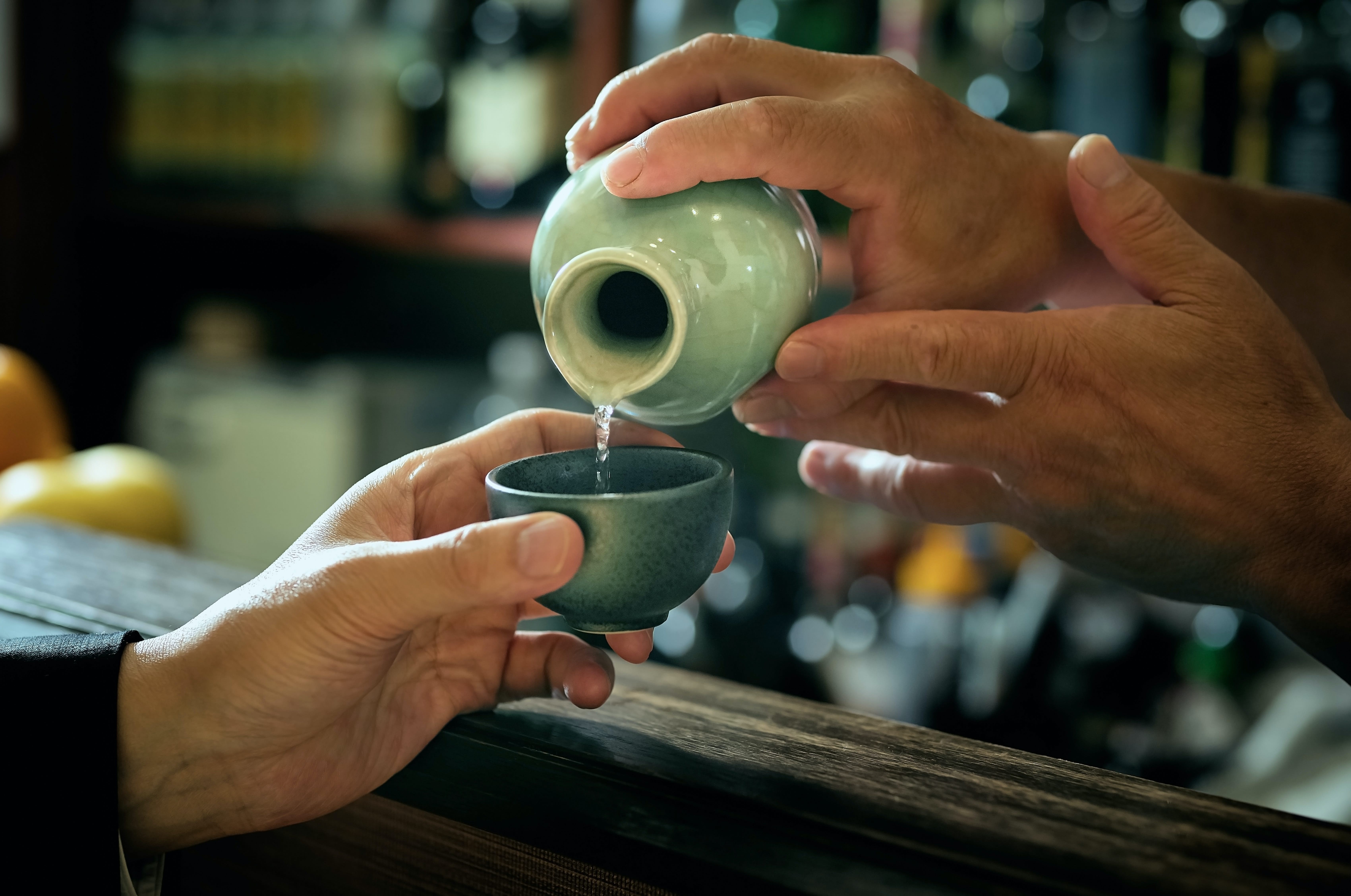
Japan's nihonshu (rice wine) uses rice, water, and kōji mold. Integral to Shintō rituals, it's ideal with traditional fare.
Serve chilled (reishu), room-temp (jō-on), warm (nuru-kan), or hot (atsu-kan). Premium sake chills; traditional tokkuri jugs fill o-choko cups. A gō is ~180mL.
Soba & Udon Noodles
Soba: thin buckwheat noodles (often wheat-blended). Udon: thick wheat noodles. East favors soba; west, udon—with regional twists.
From casual shops to artisanal handmade versions using spring water, noodles offer affordable, satisfying meals.
Sweets
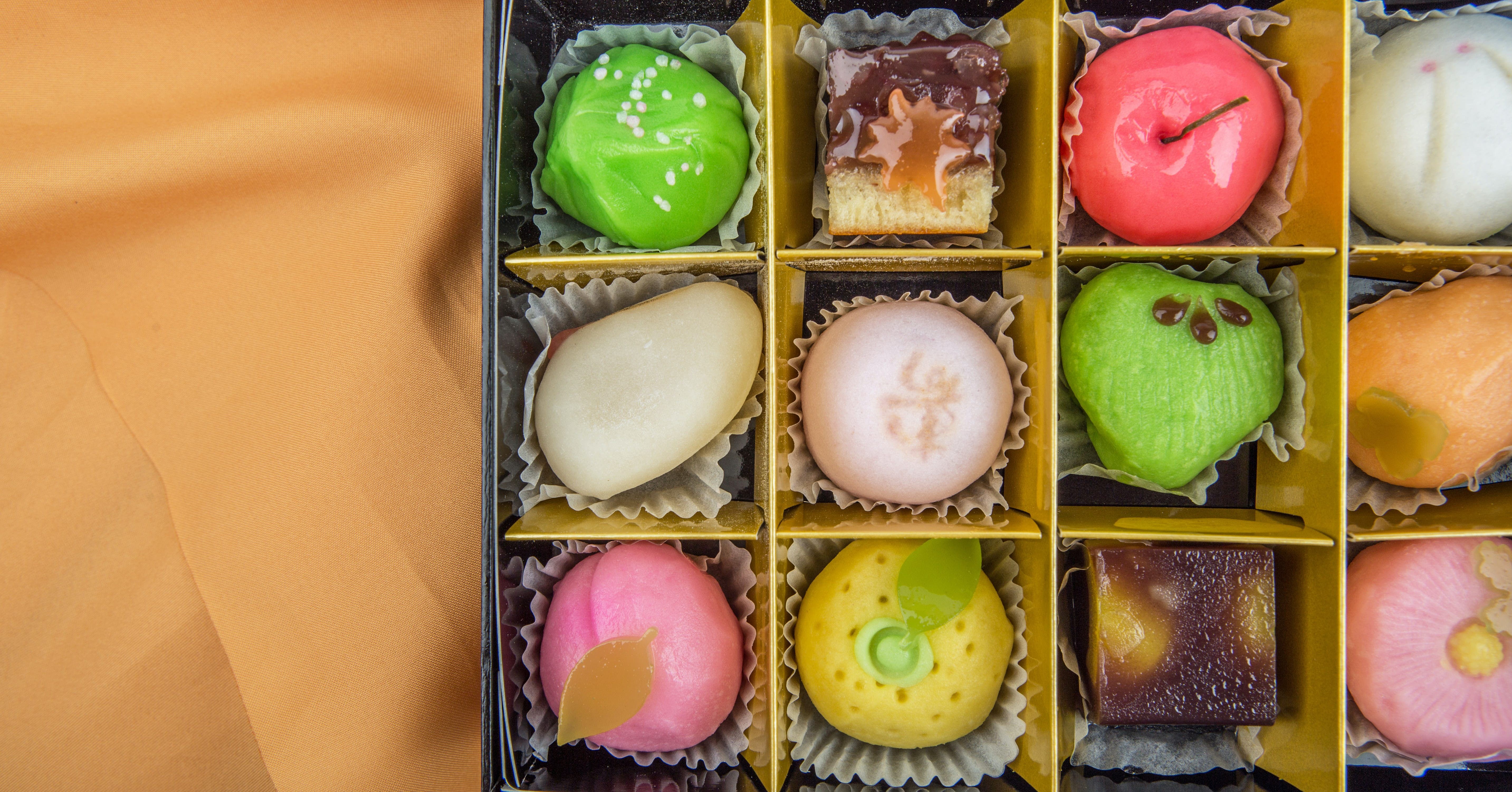
Traditional wagashi complement tea, using rice and anko (sweet azuki paste). Seasonal flavors and designs shine: cherry blossoms in spring, chestnuts in fall.
Meals may end with fruit or ice cream.