

Exploring Japan's Timeless Traditional Crafts: Temari Balls, Yosegi Zaiku Marquetry, and Echizen Blades
Discover Japan’s Rich Manufacturing Legacy Through Traditional Crafts
Japan boasts a storied history of manufacturing excellence, embodied in traditional crafts that continue to flourish nationwide. These artisanal treasures even appeared in the acclaimed anime film Your Name as kumihimo friendship bracelets.
Here, we explore three exceptional crafts produced using time-honored techniques: ornate temari balls, intricate Yosegi Zaiku wooden marquetry from Hakone, and superior forged knives from Echizen in Fukui Prefecture—a renowned center for blacksmithing.
These items serve as ideal souvenirs, allowing travelers to bring home a piece of Japan’s masterful craftsmanship.
Temari: Ornate Balls with Ancient Origins
Temari balls vary in size and feature intricate embroidery of geometric or decorative patterns. Crafted from simple materials like paper, rice husks, and cotton thread, skilled artisans produce stunning designs inspired by flowers, stars, birds, and waves.
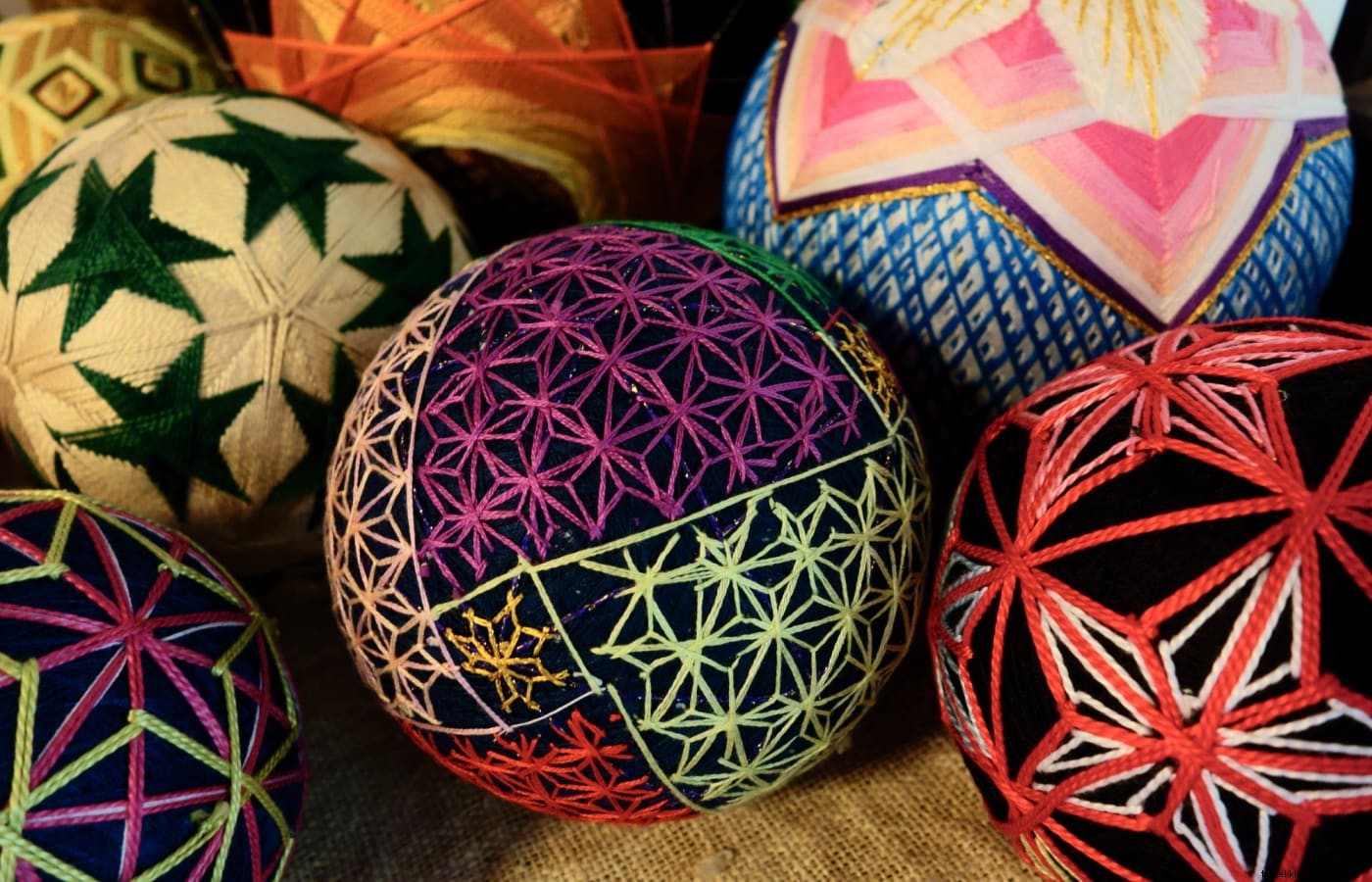
Originating from China, temari evolved uniquely in Japan with innovative methods and materials. Early versions served as juggling toys (otedama) and later incorporated rubber for kemari, a non-competitive Heian-era game (794–1185) where players kept the ball aloft as long as possible.

Historically, temari were New Year’s gifts for children, with noble artisans vying to create the most elaborate patterns from repurposed kimono fabrics. Antique examples remain prevalent. Matsumoto in Nagano Prefecture celebrates temari with motifs on manhole covers, while Kagawa Prefecture on Shikoku Island offers authentic pieces from local makers. These embody Japanese ingenuity and make cherished souvenirs or home décor.
Yosegi Zaiku: Intricate Marquetry from Hakone
Yosegi Zaiku, a mesmerizing woodworking marquetry, originated over 200 years ago in Hakone, Kanagawa Prefecture. Artisan Nihei Ishikawa developed it to sell to travelers on the Tokyo-Kyoto route. Layers of naturally colored wood shavings form complex patterns for items like picture frames, utensil stands, and chopsticks.
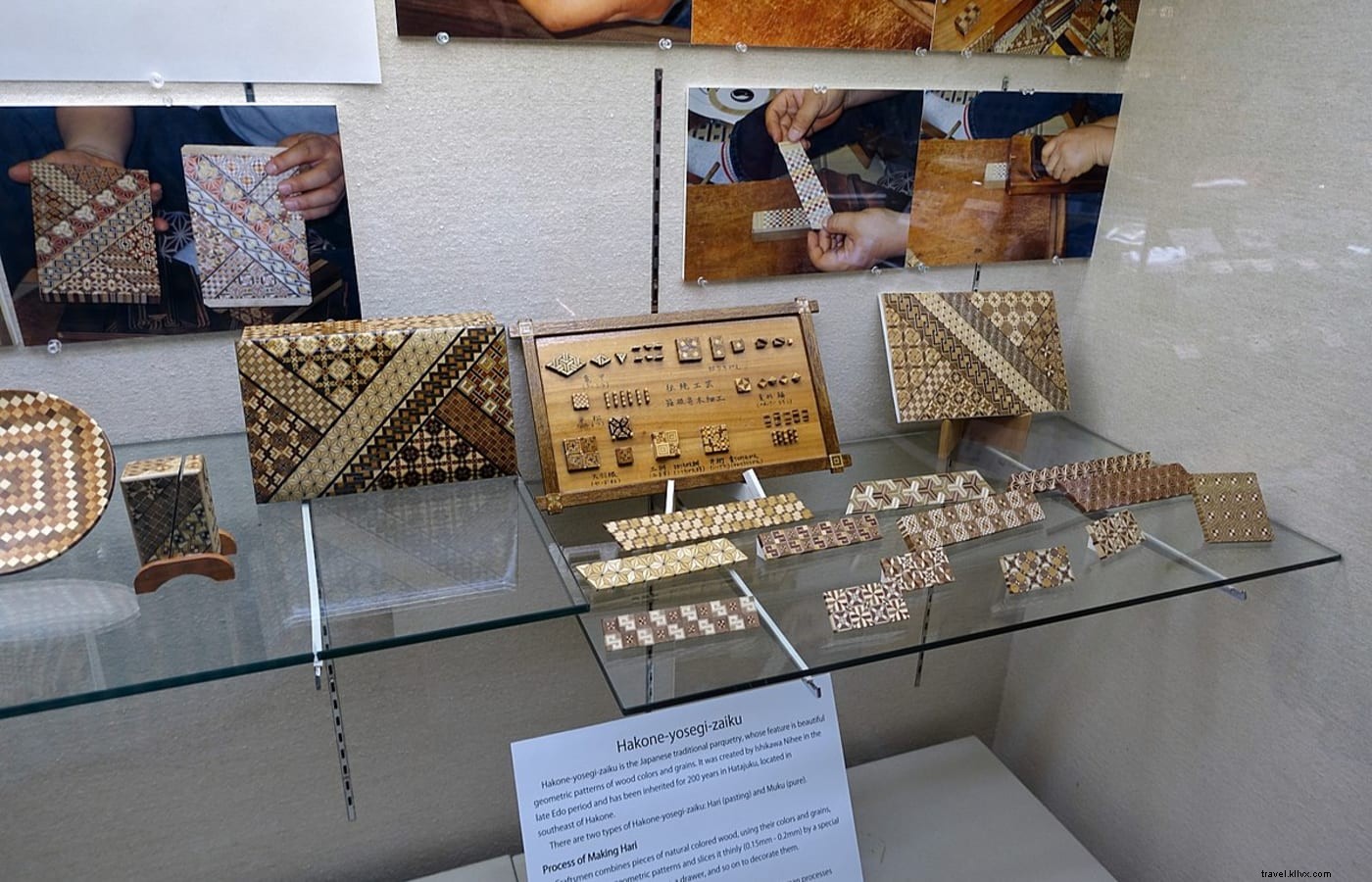
Photo credit: Daderot, CC0, via Wikimedia Commons
The iconic himitsu-bako “secret boxes” require clever manipulation to open, with mechanisms from 7 to over 900 steps. Once used to conceal valuables, they captivate visitors with their beauty and craftsmanship.
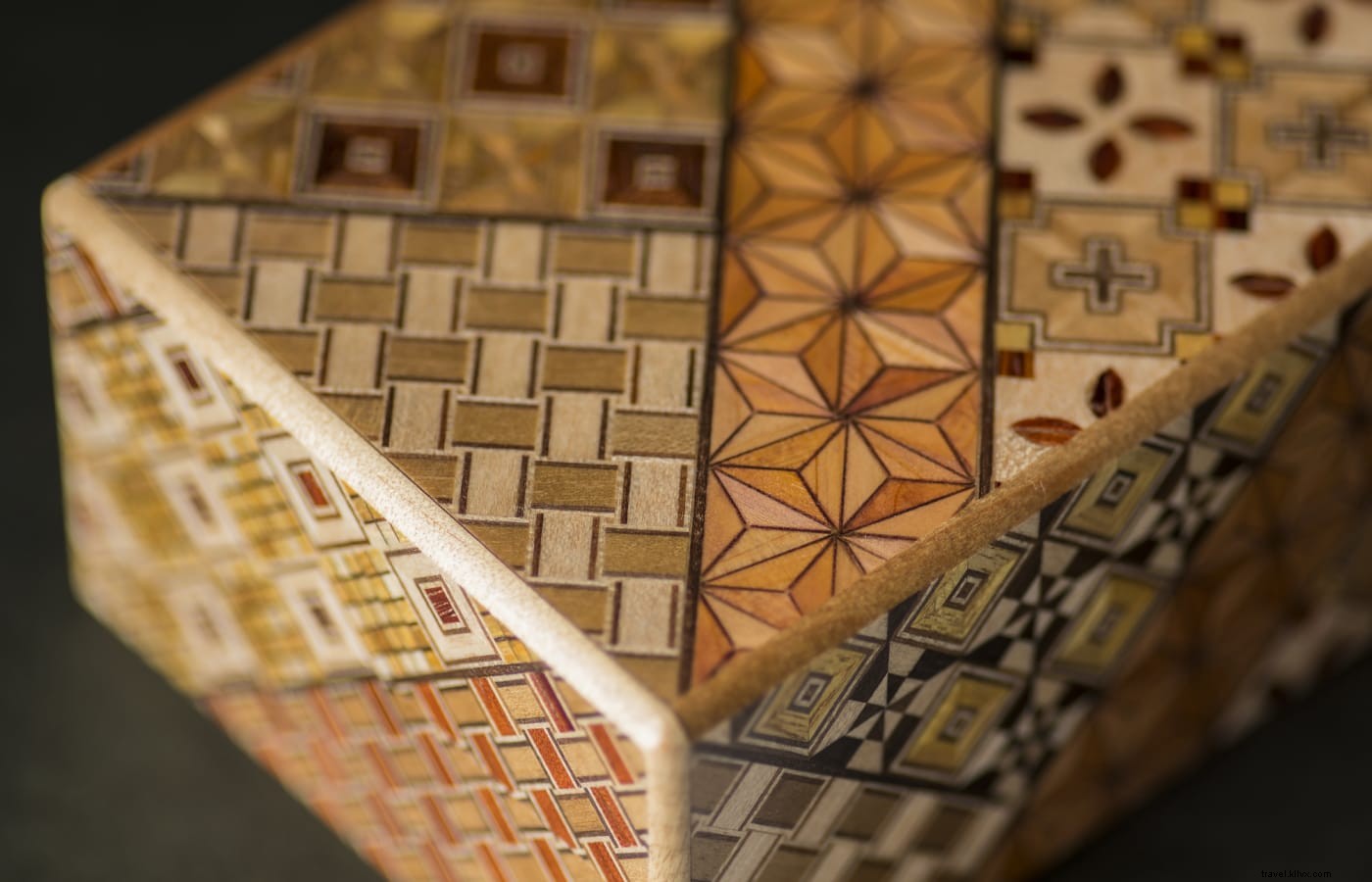
Using over 20 wood types and precise geometric patterns, Yosegi Zaiku highlights local timber and underscores Japan’s enduring apprenticeship traditions.
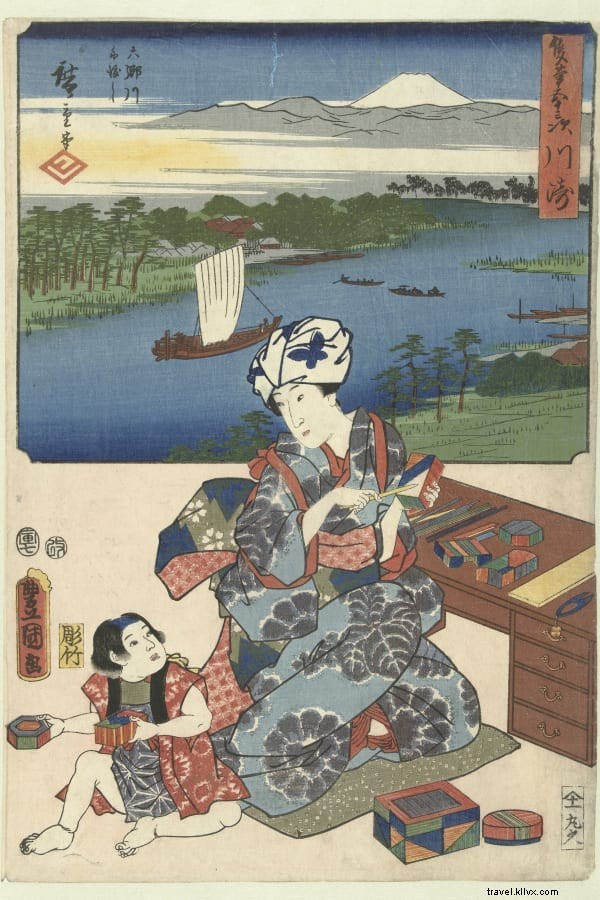
Photo credit: Utagawa Kunisada (I); carver Yokogawa Takejiro; published by Maruya Kyushiro, Public domain, via Wikimedia Commons
Echizen Blades: World-Renowned Knives from Fukui Prefecture
Echizen in Fukui Prefecture, a rural hub of tradition, excels in generational crafts, particularly its exceptionally hard and sharp blades.
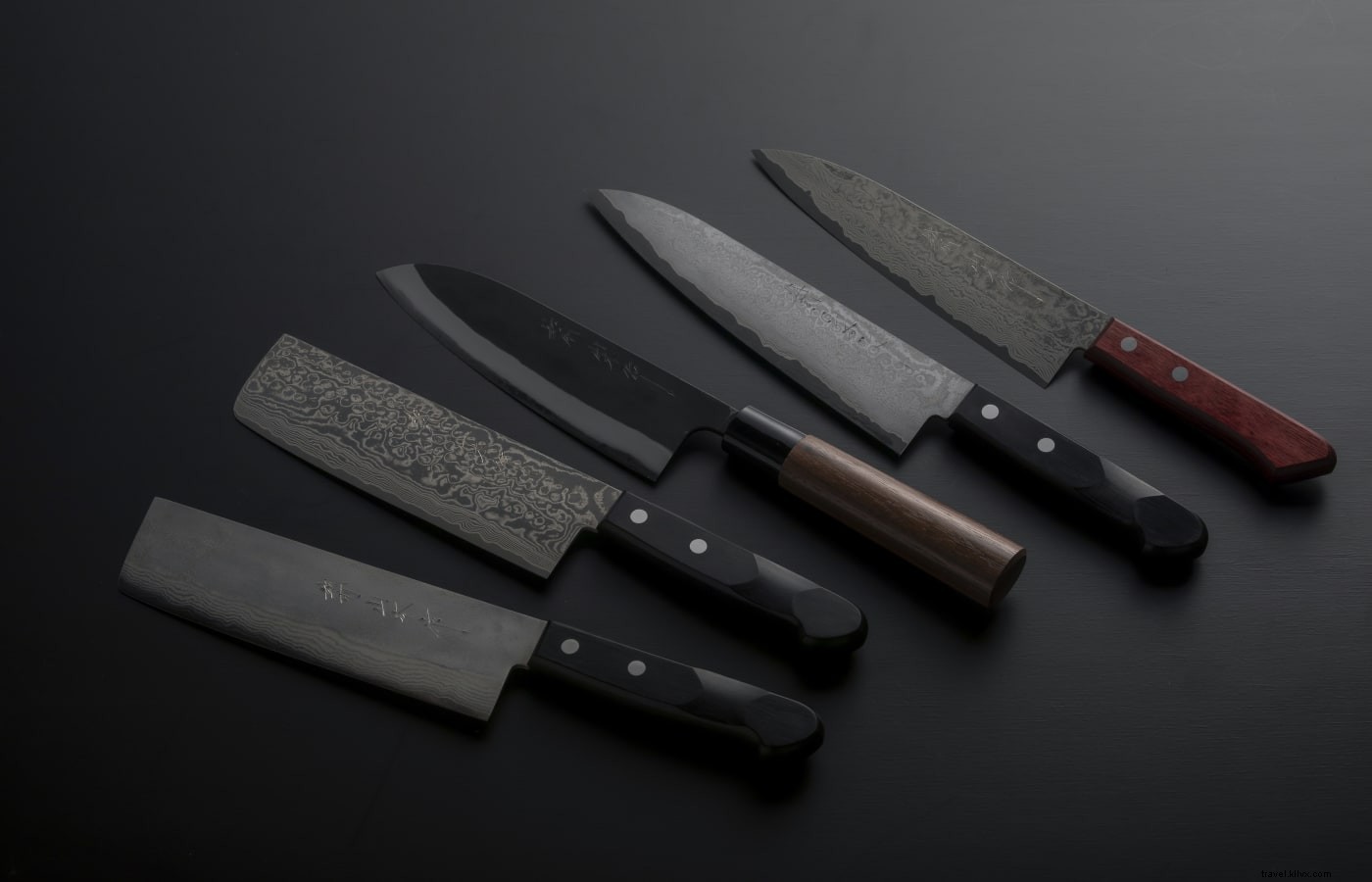
Photo credit: Takefu Knife Village
Visitors can tour workshops and witness 700-year-old forging techniques, where high-carbon steel is weld-layered around a soft core for razor edges. Chefs and enthusiasts flock here for lifetime acquisitions.
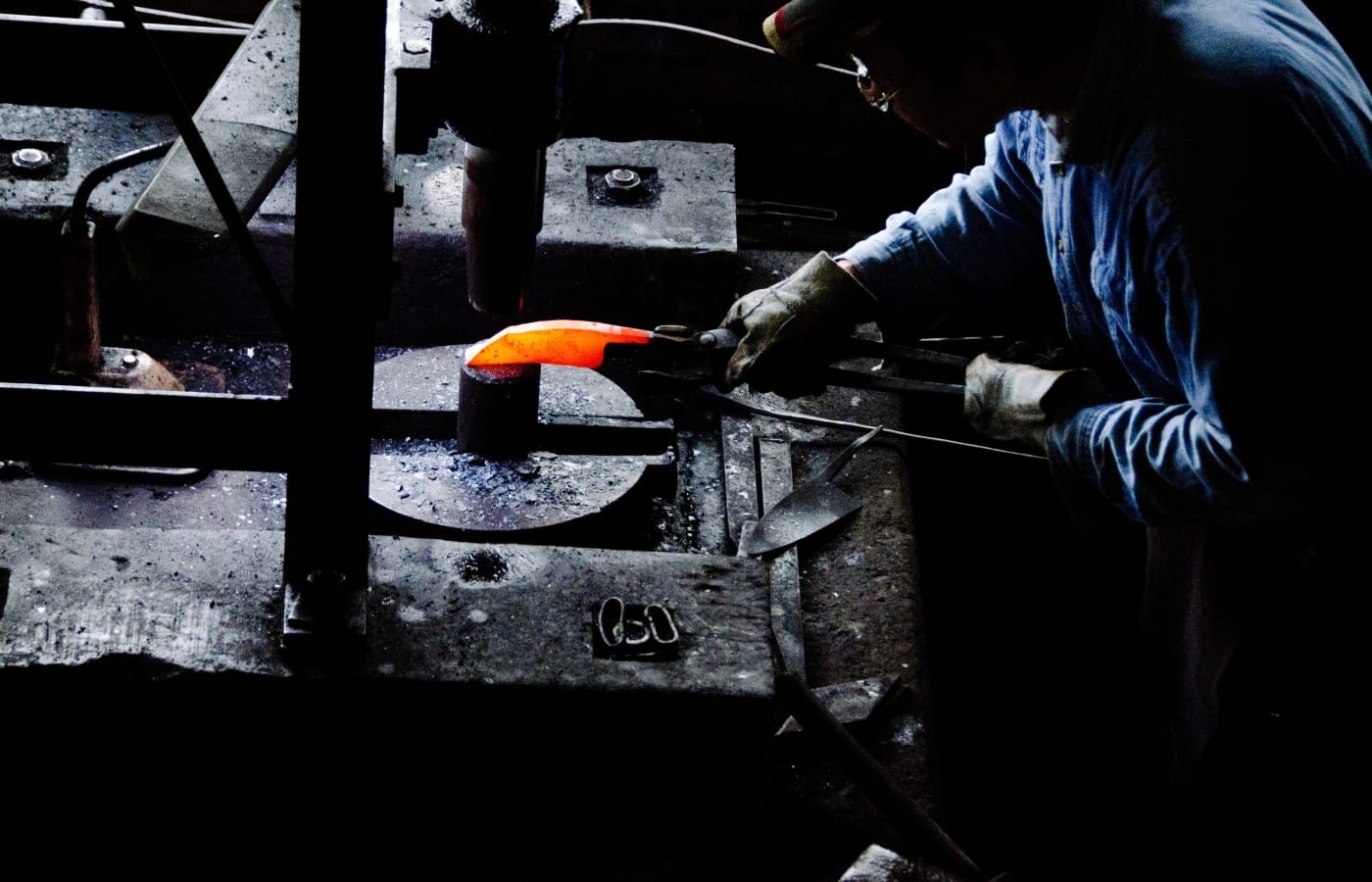
Photo credit: Takefu Knife Village
Echizen blades introduce Fukui’s natural beauty and history. Amid growing tourism, they offer an authentic off-the-beaten-path experience supporting local artisans.
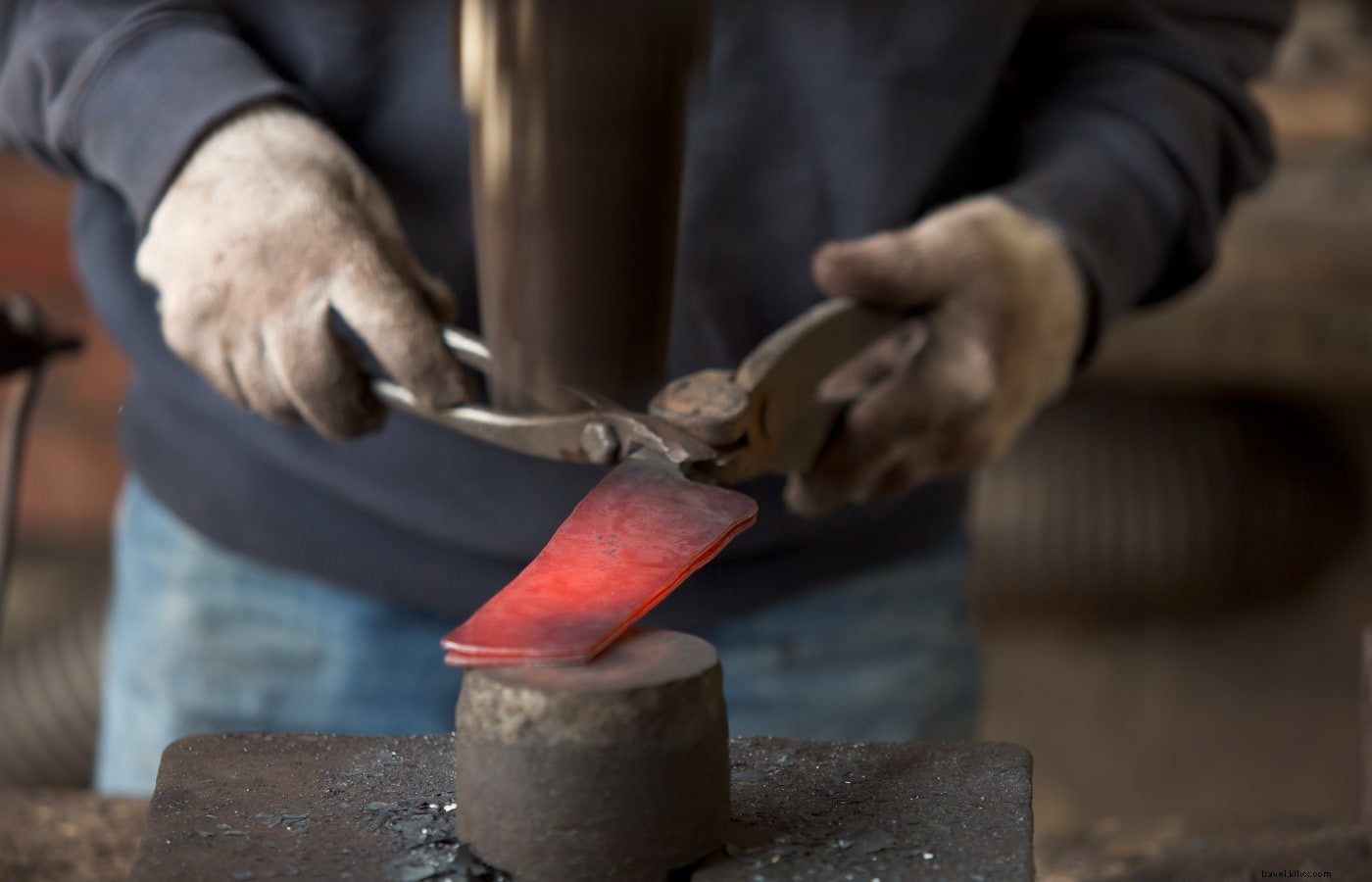
Photo credit: Takefu Knife Village
Japan’s vast array of traditional crafts—from ikebana and pottery to these hidden gems—reflects unwavering dedication to ancient methods. We encourage you to seek out these treasures on your journey and share their legacy.