
Explore Cabot’s Pueblo Museum: A Historic Hand-Built Hopi Pueblo in Desert Hot Springs
“There is no place, just like this place, anywhere near this place, so this must be the place.” – A welcoming sign at Cabot’s Pueblo Museum.
In the heart of Desert Hot Springs, amid Cahuilla territory, discover a remarkable Hopi-style pueblo. This historic, hand-built landmark – Cabot’s Pueblo Museum – reveals the captivating stories of the region. Best of all, guided tours are open to the public.
A Historic House Museum
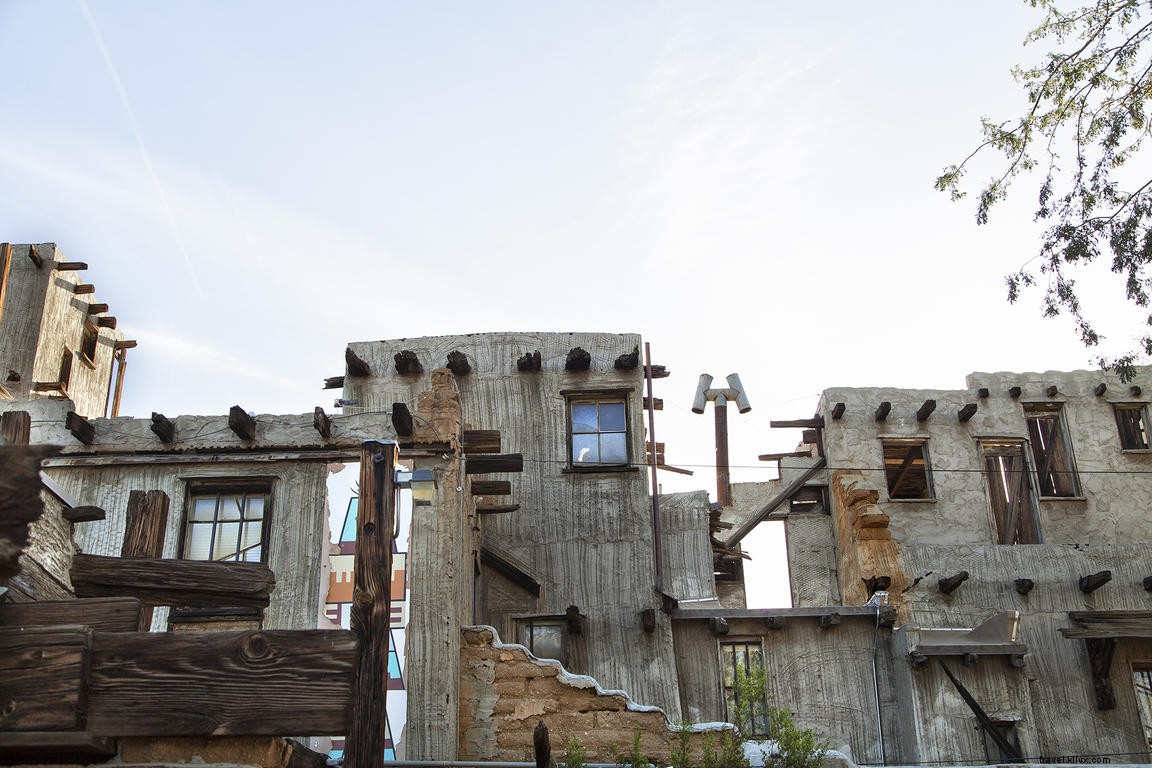
Crafted from reclaimed materials, this 35-room adobe structure chronicles the adventurous life of Cabot Yerxa, a founding pioneer of Desert Hot Springs. Filled with photographs, artifacts, and memorabilia, it transports visitors through Yerxa’s extraordinary journey.
In the Water Gallery, view images of a young Yerxa with Alaskan Inupiat people and a rare translated Inupiat vocabulary list. During the Alaskan Gold Rush, he ventured to Nome and sold the first recorded Inupiat language translation to the Smithsonian in 1901 – a historic page is on display.
In 1913, Yerxa homesteaded in Desert Hot Springs with his first wife and burro, Merry Christmas. Over four years, he drilled wells uncovering both hot and cold aquifers beneath the area.
Returning in 1941 after U.S. Army service, art studies abroad, and travels in Central America, Yerxa built this roadside attraction to draw tourists to the growing town. Over two decades, it evolved into today’s Cabot’s Pueblo Museum.
Stories in Every Detail
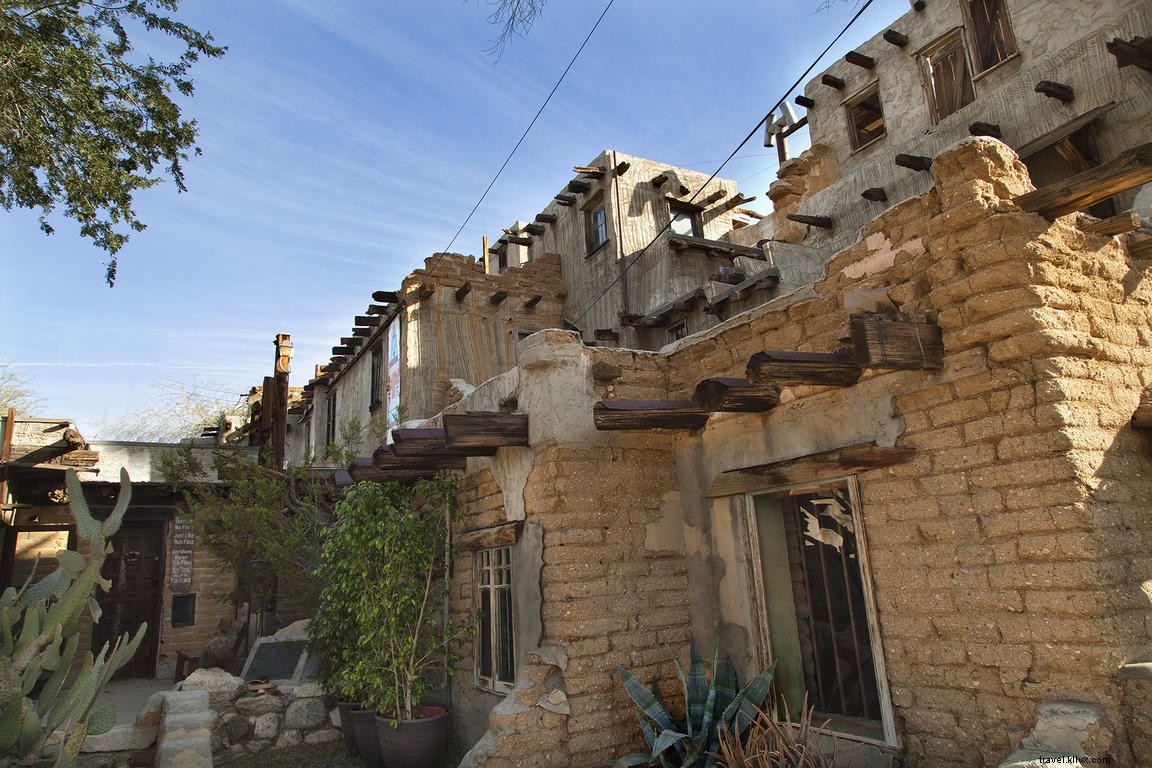
Yerxa’s profound respect for Native American culture shaped the pueblo’s Hopi-inspired design, harmonizing with nature. Strategically placed windows capture cooling breezes.
Sourced globally, materials like old telephone poles embedded in walls and unique salvaged glass for 150 windows tell tales. Walls are insulated with discarded Los Angeles Times printing presses – one sample notes Groucho Marx’s marriage.
Artifacts abound: presidential letters, vintage photos, and Yerxa’s French art school paintings. Upstairs, explore his second wife Portia’s private apartment, a midcentury retreat with kitchenette, balcony, sewing machine, vacuum, and library – a haven from tourists.
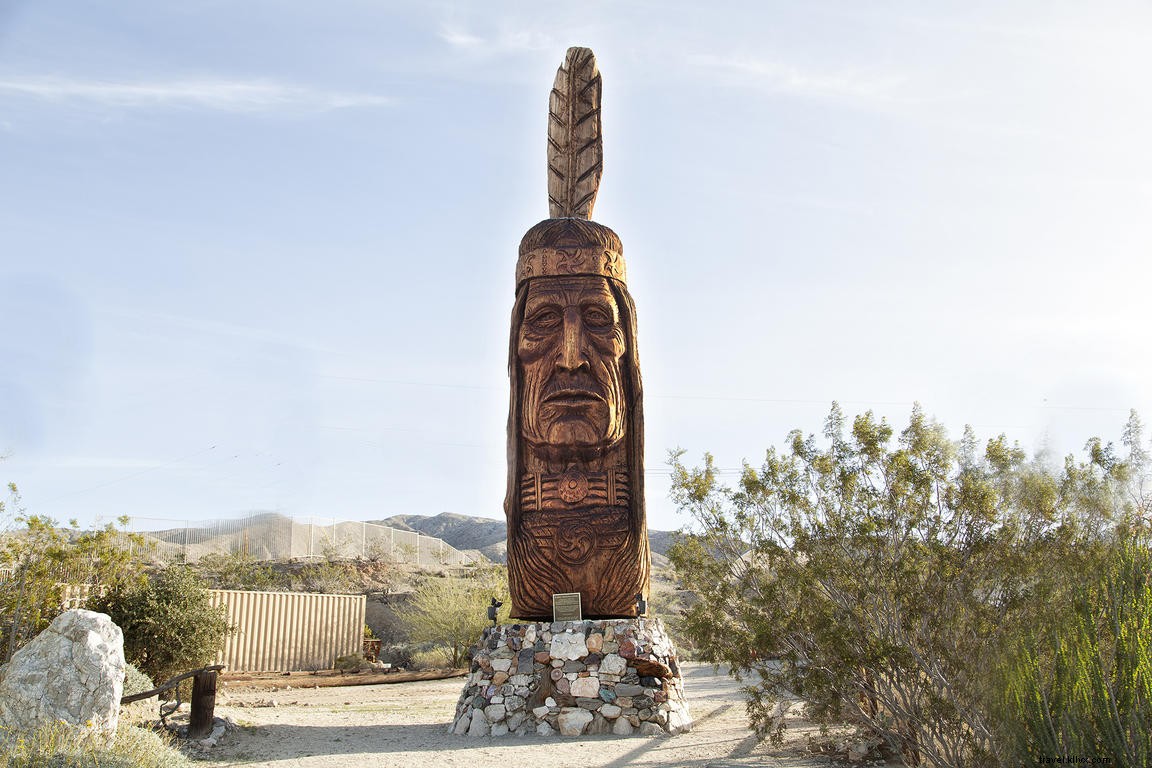
Outdoors, nature trails lead to additional Yerxa structures, a meditation garden, and the towering Waokiye carving. There’s always more to uncover, just as Yerxa, the lifelong explorer, intended.
A Legacy Preserved
The museum’s survival is its own epic tale. After Yerxa’s 1965 death, widow Portia departed, leading to squatters and a demolition order. Cole Eyraud, a Yerxa acquaintance, intervened, facing down bulldozers. He purchased and restored it with his family.
Following Eyraud’s passing, it was donated to Desert Hot Springs and listed on the National Register of Historic Places. Today, it’s a premier attraction.
The grounds and Water Gallery are free; experience the full pueblo via one-hour guided tours (limited to 8 people, $13 admission). Offered Wednesday–Saturday, every other half-hour, 9 a.m.–1 p.m., October–May.
After your visit, the sign’s words ring true: “There really is no place, just like this place, anywhere near this place, so this must be the place.”