

Discover Hygge: The Danish Art of Embracing Simplicity and Cozy Joy
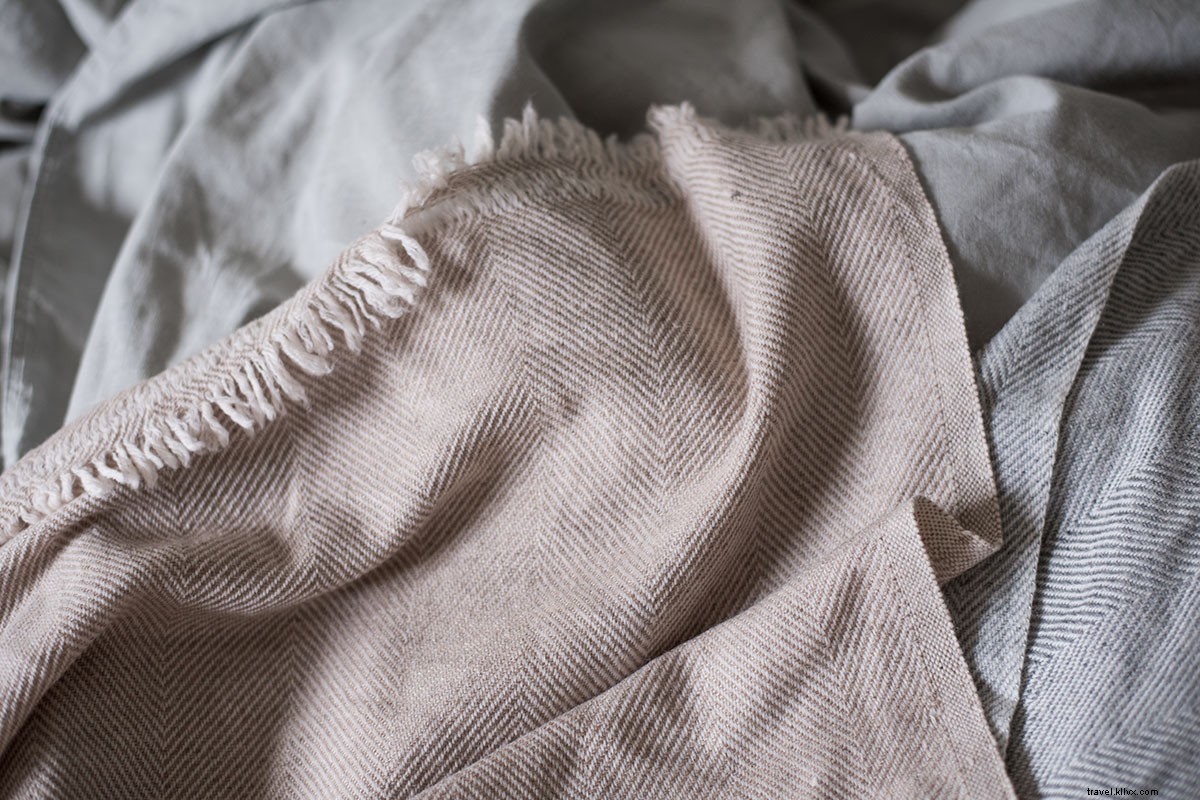
With the hectic holiday season in full force, we thought it would be nice to slow down and take a closer look at the Danish tradition of hygge. Our first encounter with the word left us perplexed, but once we learned its meaning we couldn't help but become utterly fascinated with the concept. The Book of Hygge: The Danish Art of Contentment, Comfort, and Connection, by Louisa Thomsen Brits, digs deeper, exploring the phenomenon and what it means to fully embrace a tradition often credited for making Denmark one of the happiest countries in the world.
DENMARK – Simplicity is a way of being, not an acquired lifestyle. In recent years, many of us have slowly shifted our desire for labels and mass-produced goods toward the handcrafted and homemade. The pared-down aesthetic that has been adopted by consumers around the world stems from values that Scandinavian cultures have quietly adhered to for years — the values of authenticity and simplicity that underpin hygge. But an aesthetic that appears to eschew ostentation can still be a marker of status in a different guise. Instead of visible consumption of brash and branded goods, the elegant trappings of a simple life can easily become cultural capital, symbols of taste and knowledge.
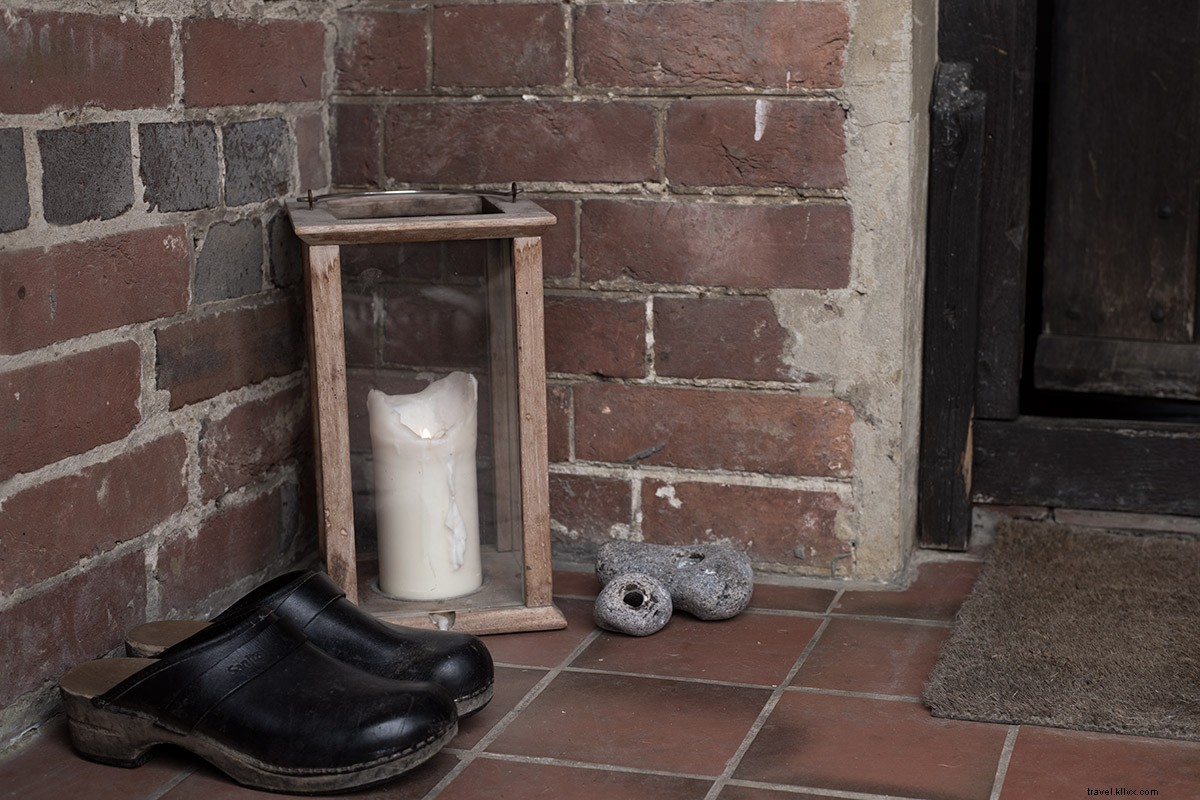
Although many Danes enjoy comfortable lives of material abundance, most resist elaborate displays of status. In Denmark, hygge is considered antithetical to excess and held at a distance from excessive consumption. It is sometimes upheld as a marker of authenticity, a sense of being distanced from status games. Hygge is thought to be lost when we indulge in luxury consumption or when we thirst to be noticed, no matter how simply we clothe that desire. Hygge isn't interested in our qualifications or appearance, but in who we are and what we bring to the moment. Ideally, it draws us away from the brittle edges of ourselves and pulls us toward a still, warm center of simple presence and connection.
Hygge cannot be bought or engineered, no matter how artfully we arrange a scene or orchestrate an occasion. If we approach hygge from its perimeters by attempting to craft and capture perfect moments, it will elude us. It affords us space and clarity to address the very real, and often messy, business of living and caring for one another. Hygge is not allied to the carefully pared-down and controlled but to generosity, paying attention, and letting go. The pleasure is found in living hygge, not curating it, in the experience of the journey, not owning the map.
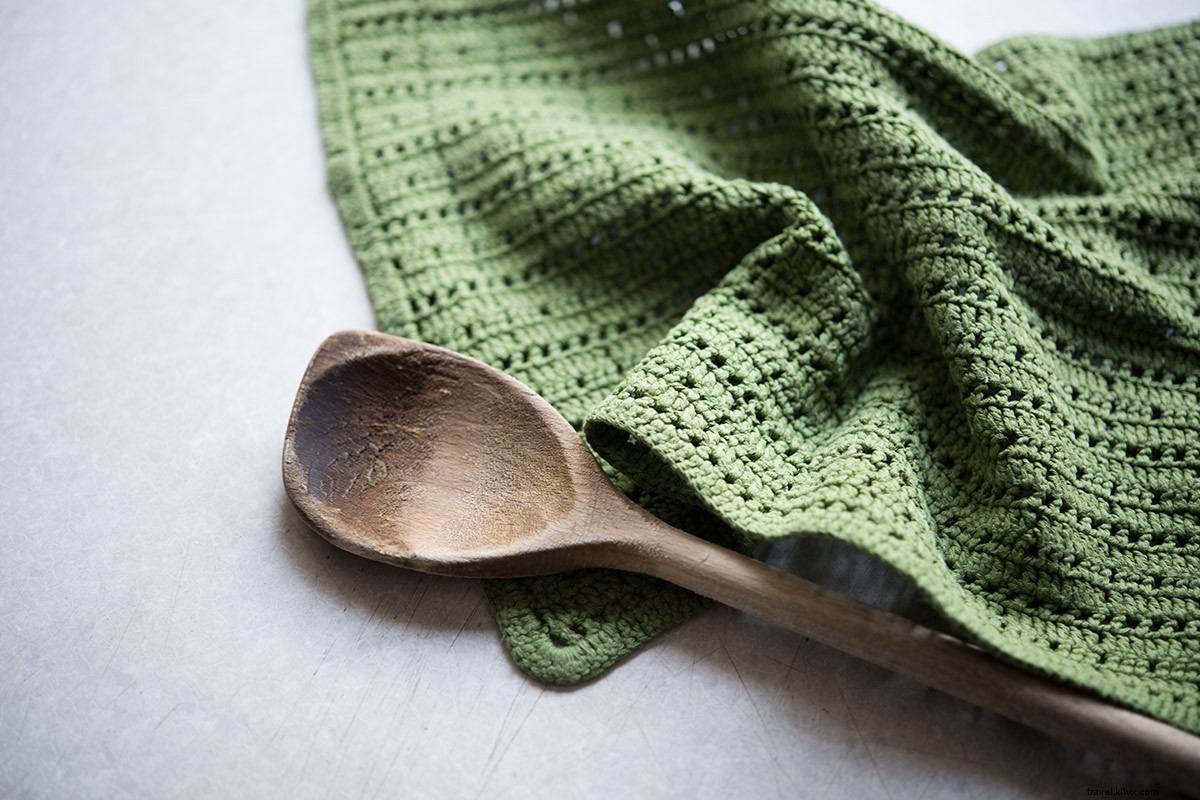
The effortless flow of conversation between two old friends, the worn surface of a kitchen table scratched with time and use, are hygge. The ease of interaction that comes from sincerity and authenticity, a desire to shelter, not rise above each other. It is the raw authenticity of being unguarded and free.
Hygge is as simple as a candle, lit and placed on a windowsill to welcome someone home. It is both an inner and outer condition of simplicity; a clarity of presence and intention, and an honest, uncomplicated practice. In our overstimulated lives with so much to distract our attention and pull us in opposing directions, we can turn to hygge as a conscious and appreciative approach to living. Hygge is a timeless practice, an everyday mindfulness that comes from a wholehearted participation in life. There is a simple fidelity to the moment that we experience through hygge. We notice how a mug of morning coffee stands steaming on the table, how our bedside lamp and an old volume of poetry or a new lover beckon us to bed, how a familiar room slowly changes color as morning arrives. When we hygger, we remove the clutter of perception and reach a singleness of purpose. By dimming the lights, putting the kettle on, or laying out a picnic rug, we adjust our surroundings to guide our energy and desire. Hygge pays attention to the concerns of the human spirit, turning us toward a manner of living that prioritizes simple pleasure, friendship, and connection above consumption.
To spend an hour digging a flower bed with a friend or to end a working day in a hot bath with the window open to the sound of evening folding in on itself on the street outside are experiences infused with hygge. The familiarity of domestic routine and the delight inherent in simple pleasures evoke hygge — fresh bread, an evening walk, pure wool, a kiss, a bike ride. Hygge is about having less, enjoying more; the pleasure of simply being. When we hygger, we experience abundance in contrast to the pervasive affluence in which many of us are starved of soulful experience. But hygge is not pinching and parsimonious. It is generous and celebratory, a way to remember the importance of the simple act of living itself.
FOR YOUR BEDSIDE TABLE
Don't stop there. Read the whole book.
The Book of Hygge: The Danish Art of Contentment, Comfort, and Connection, by Louisa Thomsen Brits
BUT WAIT, THERE'S MORE
What the Hell is "Hygge"?
Celebrate Lucia Day Like the Swedes: A Recipe for Gingered Sugarsnaps
What's in a Word: Curious Expressions from Around the World
Reprinted from The Book of Hygge: The Danish Art of Contentment, Comfort, and Connection Copyright © 2017 by Louisa Thomsen Brits. Published by Blue Rider Press, an imprint of Penguin Publishing Group, a division of Penguin Random House LLC.