4 Compelling Reasons to Let Your Child Plan Your Family's Next Vacation
Some background: Growing up in Arkansas, I constantly begged my parents for trips to glamorous destinations like Disney World, the Rockies, New York, China, Australia—even the moon. School only fueled my wanderlust.
One day, after persistent nagging, my dad said, "Great. You plan it." Lesson learned: Be careful what you wish for.
This was the era of Yellow Pages and Rand McNally Road Atlases—long before online metasearch or sites like Travelzoo. He handed me the atlas, phone book, calculator, and paper. What followed shaped my life.
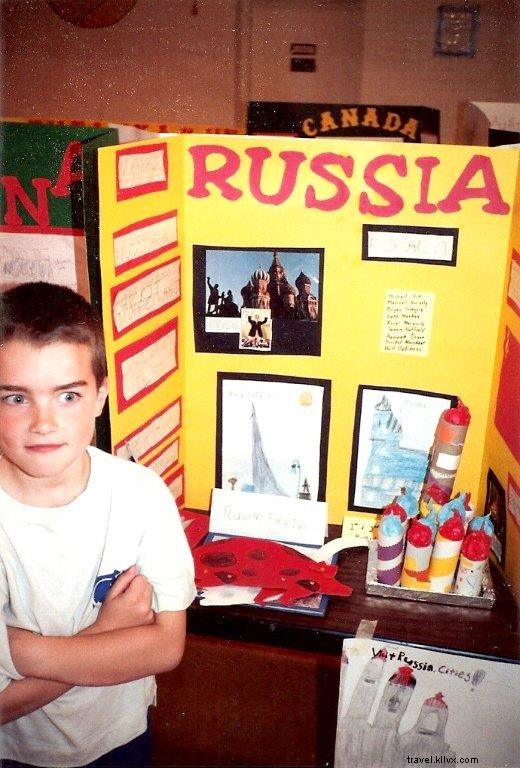 The Orlo and Mary Stitt method of travel planning isn't for everyone, but it saves parents time, teaches kids essential skills, fosters adventure, and might even inspire a career in travel.
Here are the four key lessons I learned:
1. Research Skills: Planning a trip is like enriching homework. Each aspect mirrors a school subject.
Transportation is math: Calculate miles, costs for the family, departure/arrival times, and the cheapest fast route.
Accommodations are science: Evaluate properties to ensure a great stay for all.
Activities are art: Curate fun, balanced experiences from endless options.
2. Geography: Exploring atlases reveals the world's vastness—U.S. highways span thousands of miles, and a flight from Fayetteville to Sydney takes up to 23 hours with stops, sometimes in the opposite direction. These details build real-world knowledge for school success.
3. Economics: Vacations teach trade-offs. Budgets are finite; hidden costs like insurance and gas add up. Nonstop flights cost more—worth skipping a Disney day? Or drive to save? At age eight, these decisions build financial savvy.
Mickey's fun, but expensive.
 4. Communication and Diplomacy: Calling airlines for 20 itineraries builds confidence. I still recall TWA's number (1-800-221-2000). Negotiating longhorns in Matamoros, Mexico—from $45 to $16—taught haggling. Bonus: Buy at day's end to avoid lugging them around.