Southwest Louisiana's Captivating History: Attakapas Indians, Jean Lafitte Pirates, and the Great Fire of 1910
Southwest Louisiana boasts a vibrant tapestry of history and folklore, from Native American roots and pirate legends to industrial booms and epic fires. Drawing from insights shared by Adley Cormier, Advocacy Chair of the Calcasieu Historical Preservation Society, here are the most frequently asked historical topics.

1. Native Americans in Southwest Louisiana
The recorded history of Southwest Louisiana begins with the Attakapas Indians, the region's original inhabitants. In the 1500s, these Attakapas Indians roamed the area, hunting buffalo and game, gathering nuts, roots, and berries, and harvesting fish and shellfish. Linguistically linked to Mexico's powerful Aztecs, early explorers reported tales of cannibalistic rituals among the tribe. A cultural legacy endures in our parish name, Calcasieu—believed to mean "Crying Eagle," after one of their chiefs. They also influenced local cuisine; some historians credit the Attakapas with inventing tasso, a beloved smoked sausage.
2. Jean Lafitte
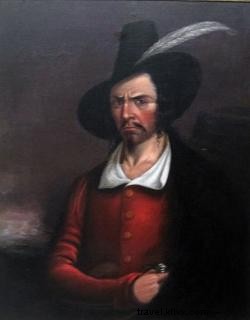
One of Lake Charles' most enduring legends centers on the infamous pirate Jean Lafitte. Folklore claims he used the city as a hideout, burying treasure along the lake's shores. This tale comes alive each year at the Louisiana Pirate Festival—the state's only pirate celebration. The event features dramatic reenactments of Lafitte and his buccaneers seizing the city, complete with cannon fire and the mayor's ceremonial "walk the plank." Enjoy live music, carnival rides, and family-friendly attractions during the festival.
3. The Great Fire of 1910
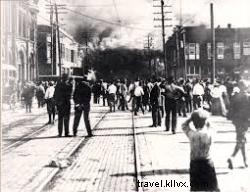
On April 23, 1910, a devastating blaze erupted in downtown Lake Charles, Louisiana, razing seven city blocks and causing over $750,000 in damage (equivalent to millions today). Ignited behind buildings on Ryan Street—including the vacant Opera House, Gunn's Bookstore, and a soft drink stand—the fire raced to the Immaculate Conception Catholic Church, Historic City Hall, and the Parish Courthouse. It carved a two-block-wide, half-mile-long path of destruction southeastward, engulfing 109 commercial buildings, homes, government offices, and churches over four intense hours.
If these glimpses into Southwest Louisiana's past have sparked your interest, stay tuned for Part 2 of this series. In the meantime, explore our exceptional museums or download the free historic app. Visit www.visitlakecharles.org/things-to-do/history/ for details. Learn more about the Calcasieu Historical Preservation Society at www.calcasieupreservation.org.