Creole vs. Cajun: Unraveling the Differences in Ancestry, Culture, and Cuisine
One of the most common questions from visitors to Southwest Louisiana is: What's the difference between Creole and Cajun?
Creoles, as an ethnic group, are more challenging to define than Cajuns.
Creoles trace their roots to French and European descent, primarily aristocracy who settled in urban areas like New Orleans. Over time, the term expanded to include native-born individuals of African descent, servants, and free people of color. In Southwest Louisiana, "Creole" refers to traditions native to southern Louisiana, deeply influenced by African, French, and Spanish history and culture.
Cajuns, derived from "Les Acadians," were French settlers from Nova Scotia, Canada—mostly peasants exiled by the British in the 1700s. They resettled along waterways and bayous, bringing French-Canadian customs, language, Catholic faith, a love for celebration, strong work ethic, and self-sufficiency from nature's resources.
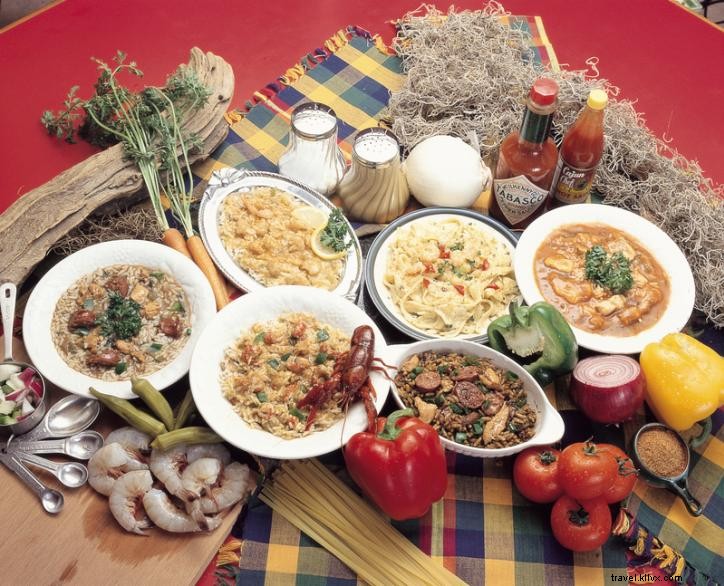
Cajun vs. Creole Cuisine
Creole cuisine is elaborate, often featuring tomatoes, while Cajuns—trappers, anglers, and hunters—developed flavorful, hearty dishes from the land, mirroring Louisiana's steamy summers. Traditional Cajun food avoids tomatoes, though exceptions like sauce piquant include them.
Cajuns favor robust, blackened preparations, while Creoles emphasize sauces, herbs, and complex spices. Known as "city food," Creole dishes draw from grand European styles with multiple courses, often prepared by enslaved cooks in affluent kitchens using diverse spices, creamy soups, and sauces. Greater access to exotic ingredients and multicultural influences add variety to Creole fare.
"For instance, a remoulade sauce consists of nearly a dozen ingredients that would not typically be found in Cajun kitchens. That’s why you’ll find tomatoes in Creole jambalaya and not in Cajun jambalaya or why a lot of times you find a Creole roux made with butter and flour while a Cajun roux is made with oil and flour," writes Jay Ducote, author of the food and beverage blog www.biteandbooze.com, in a post for www.LouisianaTravel.com.
Cajun cuisine, or "country food," is hearty and often one-pot. Both traditions draw from Native American, African, Spanish, and German influences.
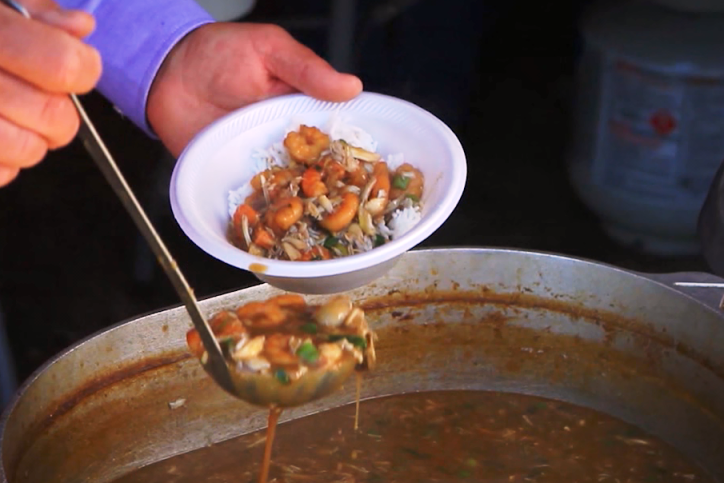
Cajun dishes are renowned for bold seasoning and spice, starting with "the holy trinity" of diced onion, celery, and bell pepper—garlic always nearby!
Experience it in Lake Charles/Southwest Louisiana! Discover top restaurants at www.visitlakecharles.org/restaurants.