Discover the Living History of Lake Charles: Pirates, Romance, and Resilience
While Lake Charles is famous for its vibrant culture and attractions, its rich historic roots continue to shape the city today. Ever wondered about the origin of the name "Lake Charles"? It stems from a dramatic tale of love, jealousy, and pirates—a story little known even among locals. One of the area's earliest settlers was Charles Sallier.
Arriving in Louisiana in 1781 alongside the infamous pirate Jean Lafitte, with whom he shared a friendship, Sallier later fell in love and married Catherine Lebleu. They built a home on the southeast shore of the lake, which became known as Charles' Lake, evolving into Charlestown and eventually Lake Charles.
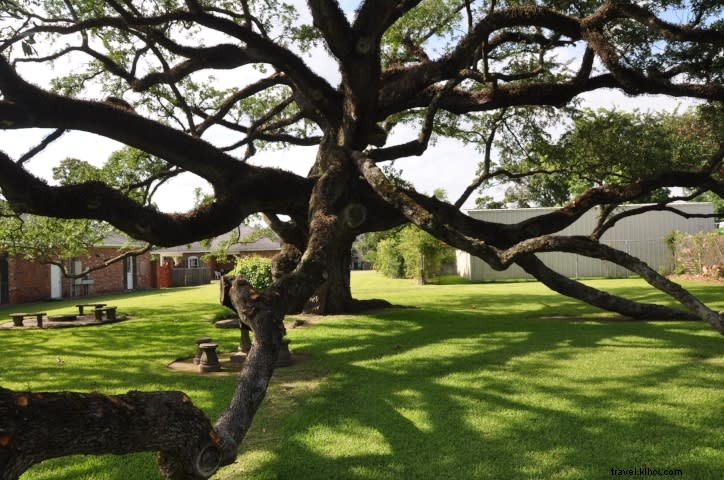
Sallier's suspicions grew about an affair between his wife and Lafitte. Returning from a trip, he spotted Catherine wearing a brooch gifted by Lafitte. In a rage, he shot her and fled, never to return. Miraculously, Catherine survived—the brooch stopped the bullet in her hand. Her descendants still thrive locally, owning the beloved Lebleu's Landing restaurant. Charles Sallier's legacy endures at the Imperial Calcasieu Museum, home to the 375-year-old Sallier Oak landmark.

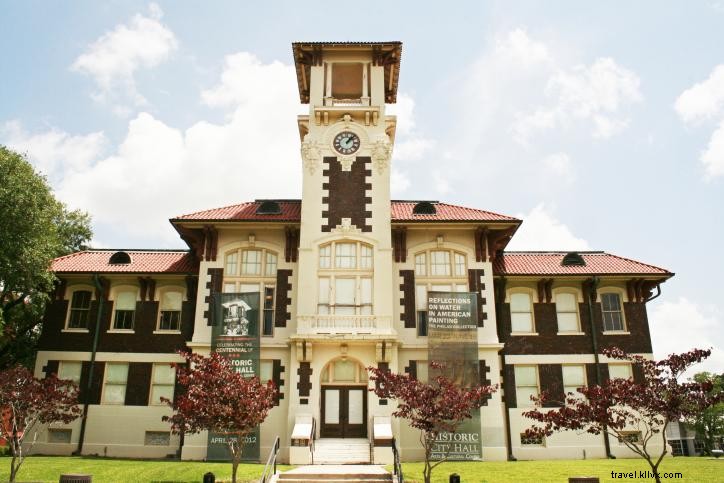
Lake Charles began as a bustling sawmill town in the late 1800s, with lumber as its economic backbone. Pine and cypress logs were branded, floated down the Calcasieu River, and processed to build the downtown area. Tragedy struck with the Great Fire of 1910, destroying about 30 blocks, including the courthouse, city hall, and Catholic Church. Delve deeper at the 1911 Historic City Hall or via the free Lake Charles Historic Tour app.
Pro tip: Dine at the downtown 1910 restaurant—its logo nods to the city's rebirth. Housed in the Phoenix Building, it symbolizes Lake Charles rising from the ashes.

These events illuminate Lake Charles' name and its pirate heritage, celebrated annually at the Louisiana Pirate Festival in May. Amid modern growth, this living history remains vibrantly accessible throughout the city.