10 Fascinating Facts About Buffalo, New York You Likely Didn't Know
When visiting Buffalo, New York, many travelers rush to Niagara Falls, often overlooking the city's own remarkable attractions. With its rich history, thriving art scene, and revitalized neighborhoods—including a downtown alive with stunning Art Deco buildings—Buffalo offers endless surprises. After exploring the city firsthand, it's clear why it deserves more attention.
Discover 10 lesser-known facts about Buffalo that reveal its unique character and heritage:
10 Fascinating Facts About Buffalo
1. Buffalo Boasts Architectural Masterpieces
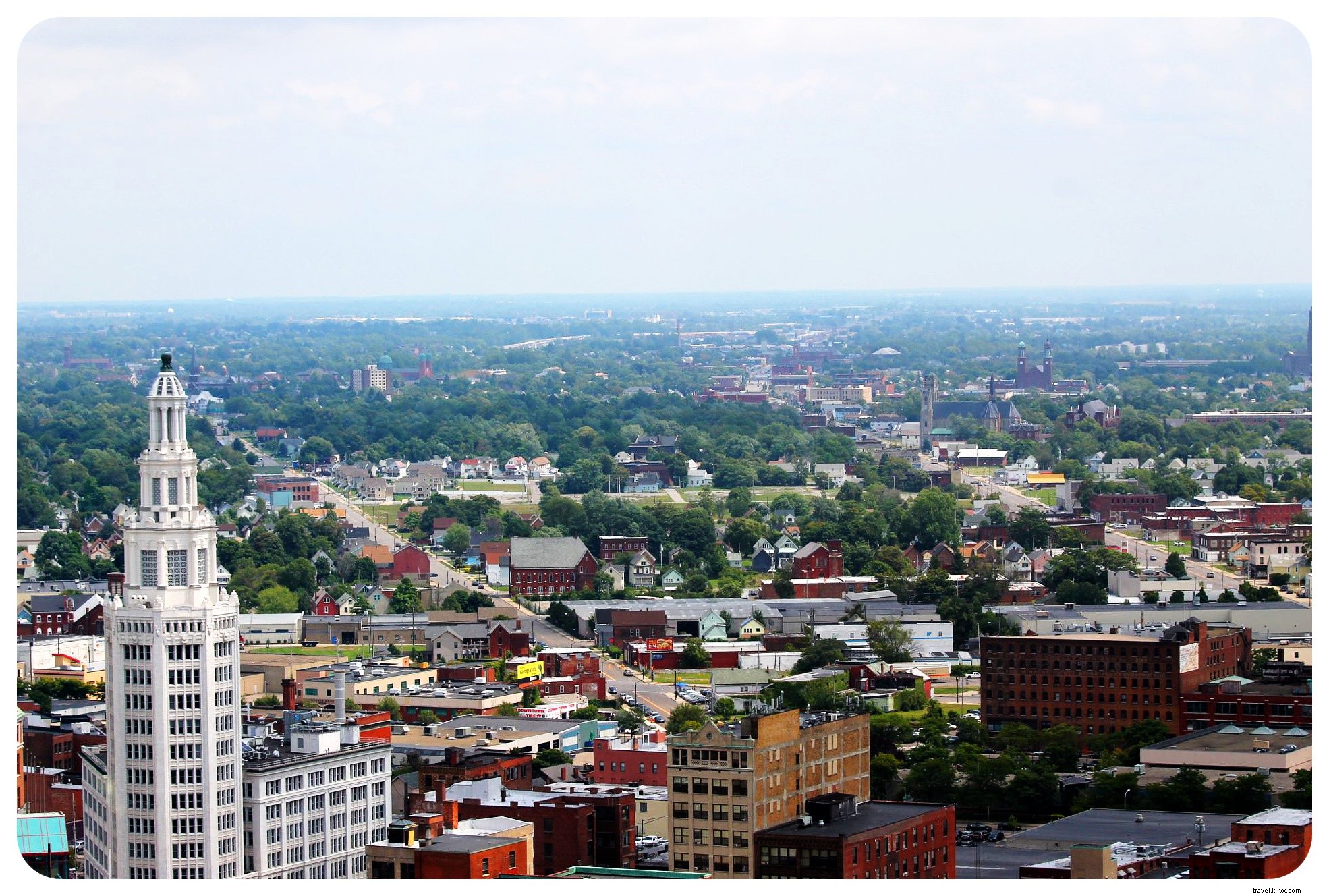
Buffalo is home to an extraordinary collection of architectural treasures, including historic buildings, skyscrapers, churches, and mansions. Its prosperity stemmed from its key position on the Erie Canal, making it a vital transportation hub that attracted renowned architects. Frederick Law Olmsted, designer of New York City's Central Park and Prospect Park, created Buffalo's interconnected parkways and green spaces, inspired by Paris's boulevards.
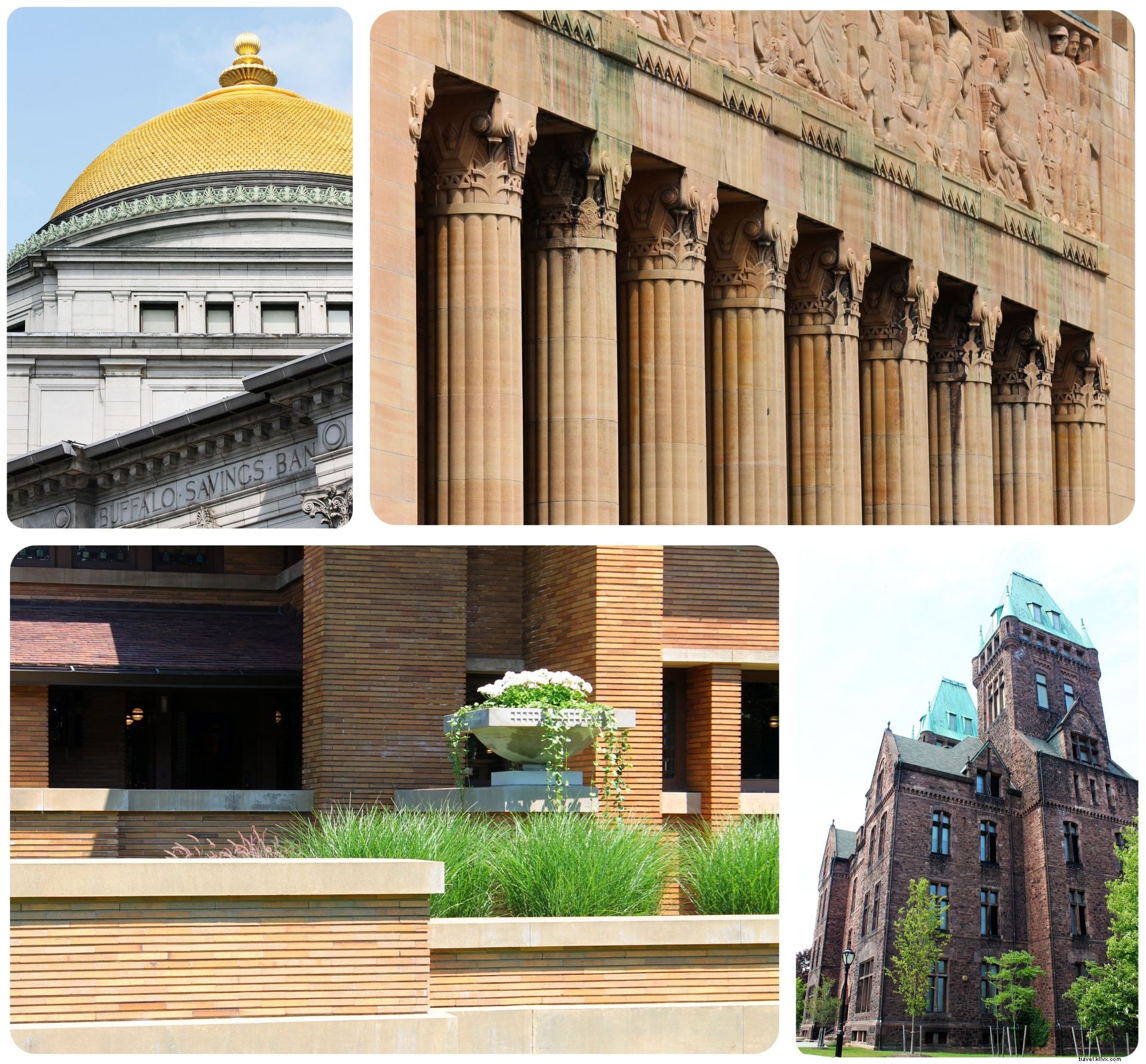 A pioneer in skyscraper design, Buffalo features Louis Sullivan's 1895 Guaranty Building and the iconic Art Deco City Hall. Other highlights include the Ellicott Square Building with its Italian Renaissance façade, the H.H. Richardson Complex (originally the New York State Asylum for the Insane, built in 1870), the gold-leafed dome of the Buffalo National Savings Bank, and the Beaux-Arts Electric Tower. With 80 structures on the National Register of Historic Places, Buffalo's compact size amplifies its architectural density.
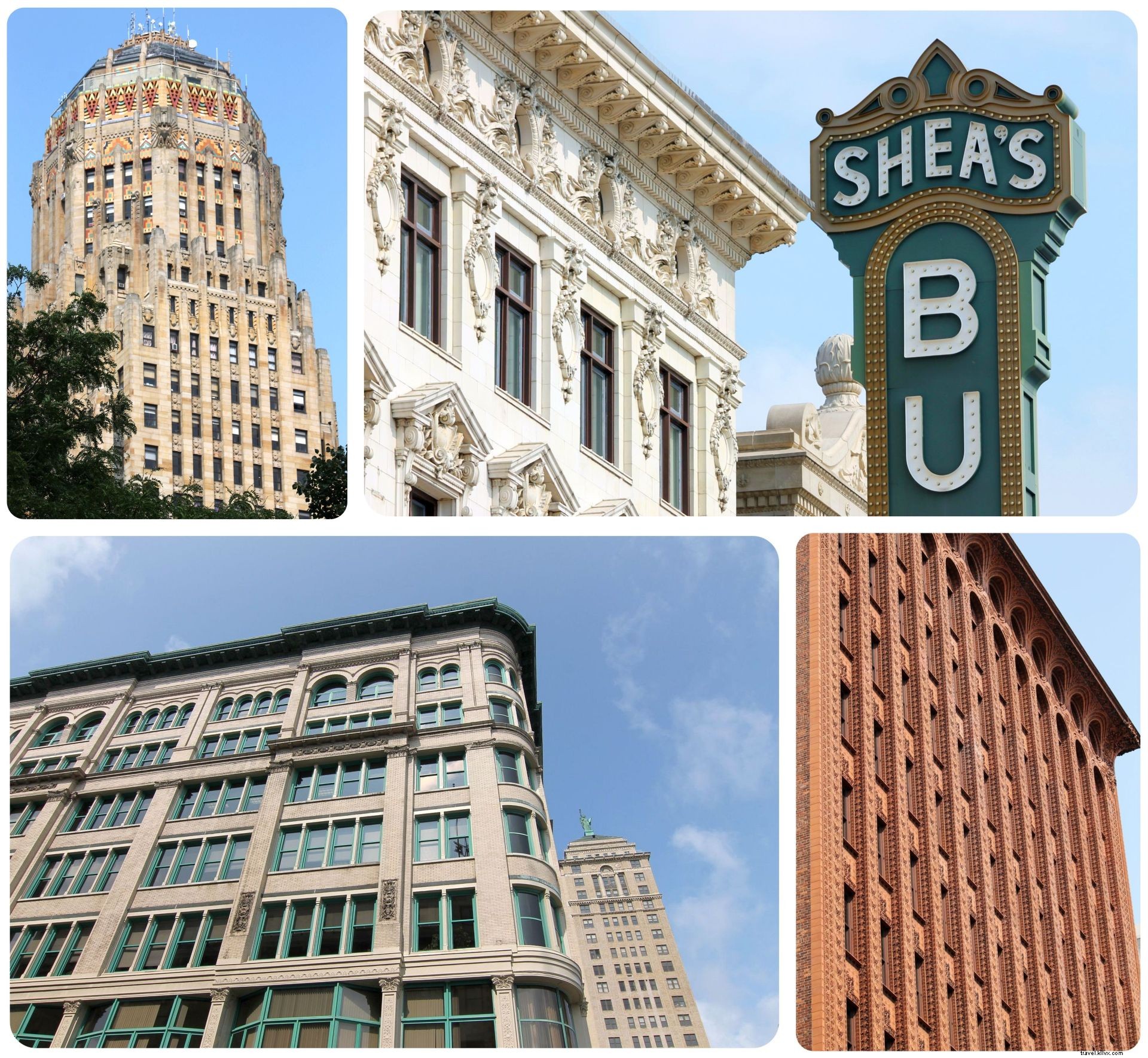 During its peak, Buffalo drew wealthy patrons who commissioned works from Frank Lloyd Wright, who designed five buildings here—three in the city and Darwin Martin's Lake Erie summer home. Only Chicago surpasses Buffalo in Wright structures.
2. Buffalo Pioneered Innovations Across Fields
Beyond architecture, Buffalo led in numerous advancements. Proximity to Niagara Falls enabled the world's first electric streetlights in 1886. The Hotel Buffalo (formerly Statler Hotel) introduced private baths in every room, grain elevators were invented here in 1842, and the Ellicott Square Building was the world's largest office building upon its 1896 opening—a title it held for 16 years.
3. Buffalo Is New York State's Second-Largest City
Surprisingly, Buffalo ranks as the second most populous city in New York State after New York City—not Albany, the capital. With about 261,000 residents in the city proper and nearly one million in the metro area, it strikes an ideal balance: vibrant enough for diverse entertainment, dining, and activities without overwhelming crowds.
4. Buffalo Features a World-Class Art Scene
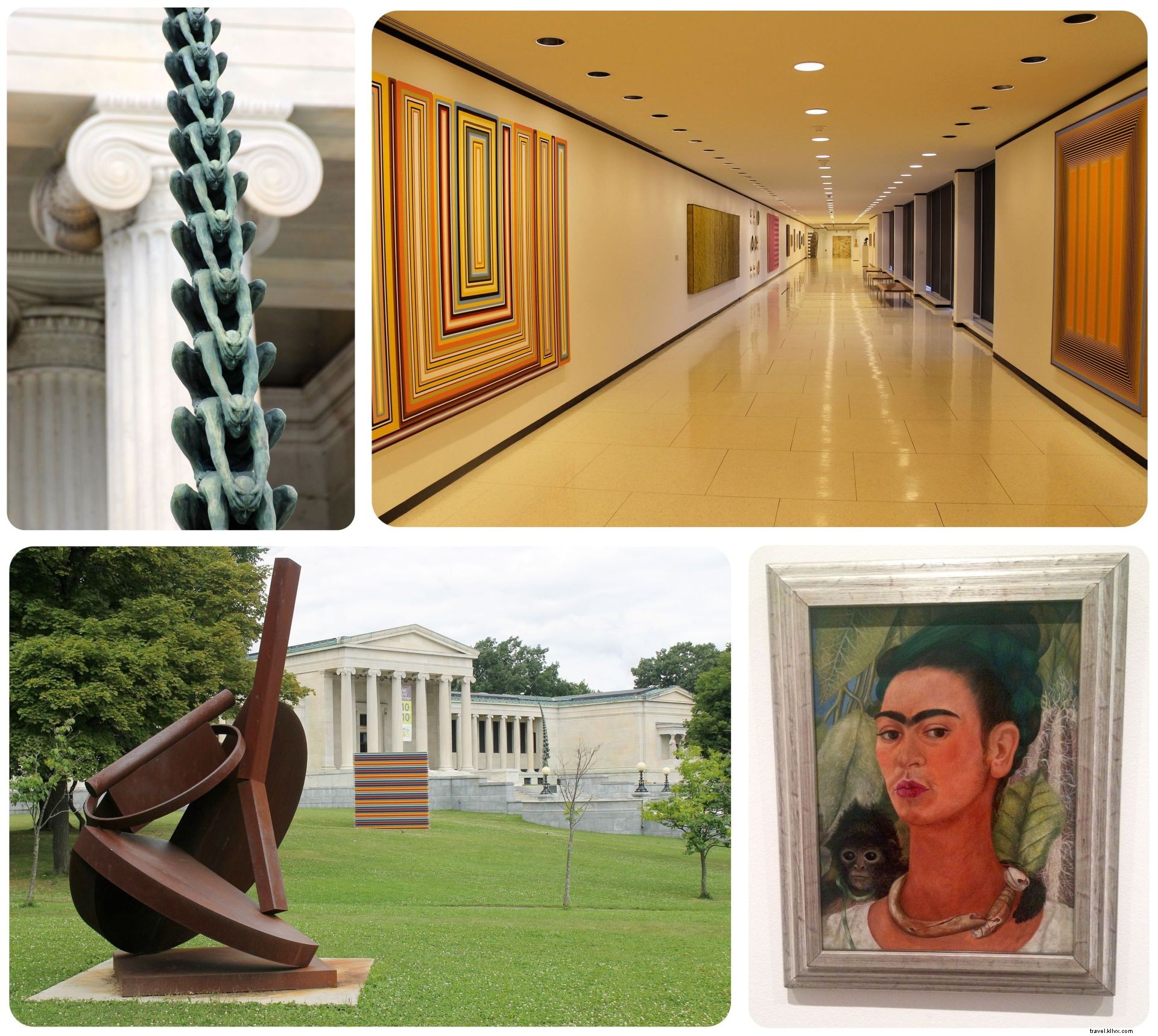
Buffalo houses over 50 galleries, including the acclaimed Albright-Knox Art Gallery (now Buffalo AKG), showcasing masterpieces by Henri Matisse, Max Beckmann, Marc Chagall, Andy Warhol, Pablo Picasso, Anselm Kiefer, Georgia O'Keeffe, Frida Kahlo, Wassily Kandinsky, Joan Miró, Salvador Dalí, Max Ernst, Mark Rothko, Jackson Pollock, Claude Monet, Georges Braque, Vincent van Gogh, Paul Gauguin, Henri Rousseau, and Toulouse-Lautrec. The Burchfield Penney Art Center honors Charles E. Burchfield while featuring local and international artists. Annual events like the Elmwood Festival of the Arts and Allentown Art Festival draw thousands.
5. Buffalo Hosted Theodore Roosevelt's Inauguration
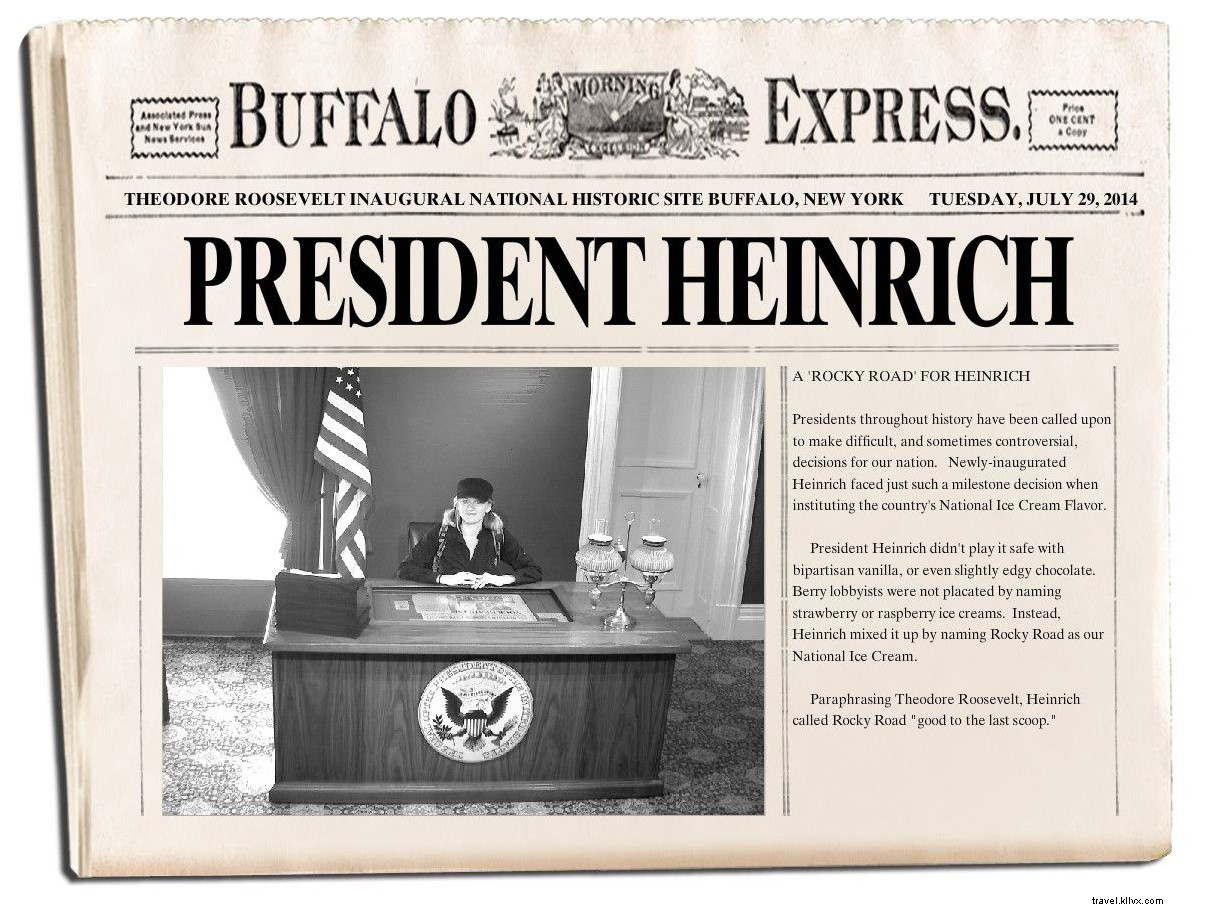
Theodore Roosevelt was sworn in as the 26th U.S. President in Buffalo—not Washington, D.C.—following President William McKinley's assassination at the 1901 Pan-American Exposition. The event occurred at the Wilcox Mansion, now a museum with restored exhibits and interactive displays recreating the era, including a presidential office experience.
 6. Buffalo Offers Expansive Waterfront Attractions
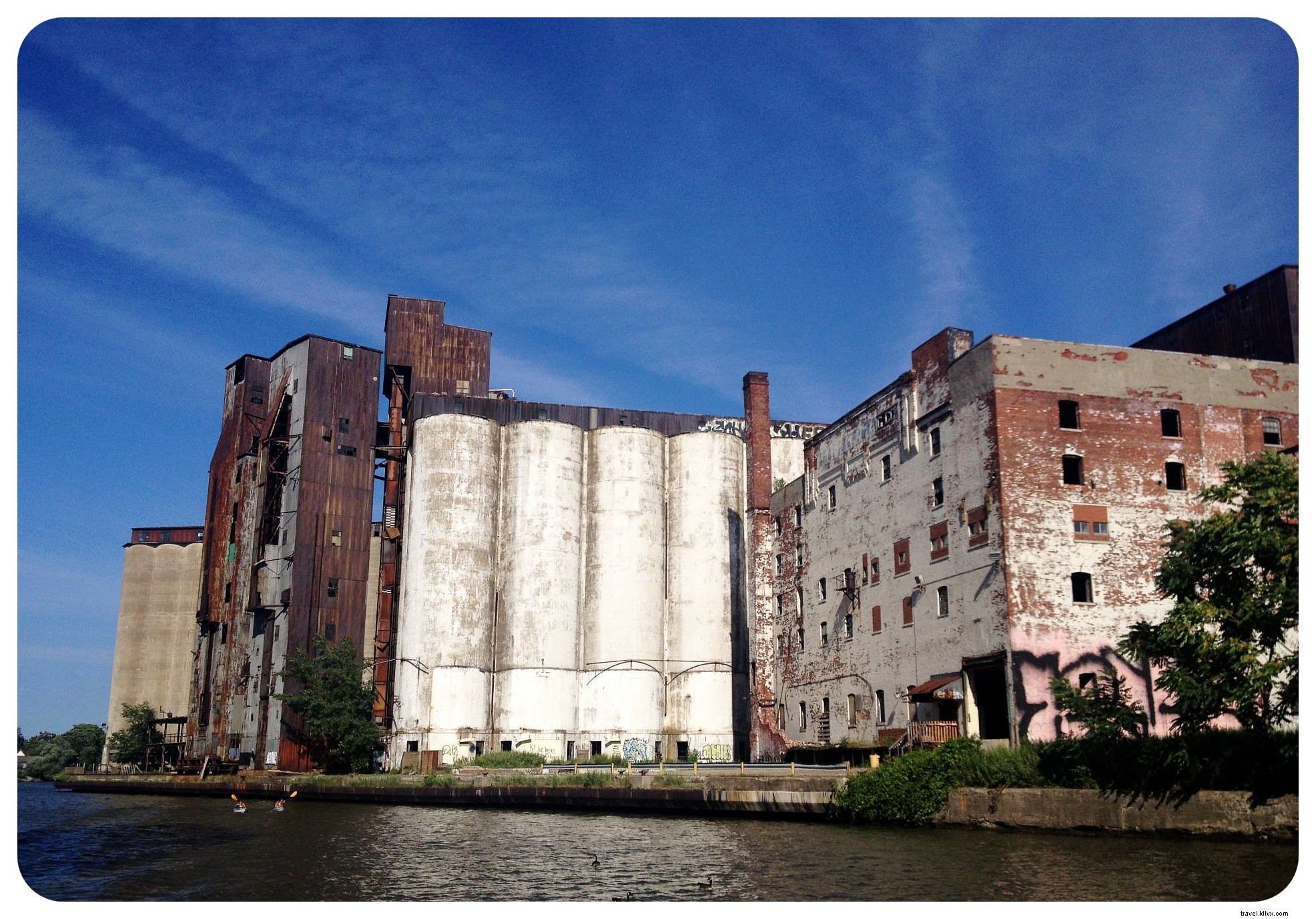
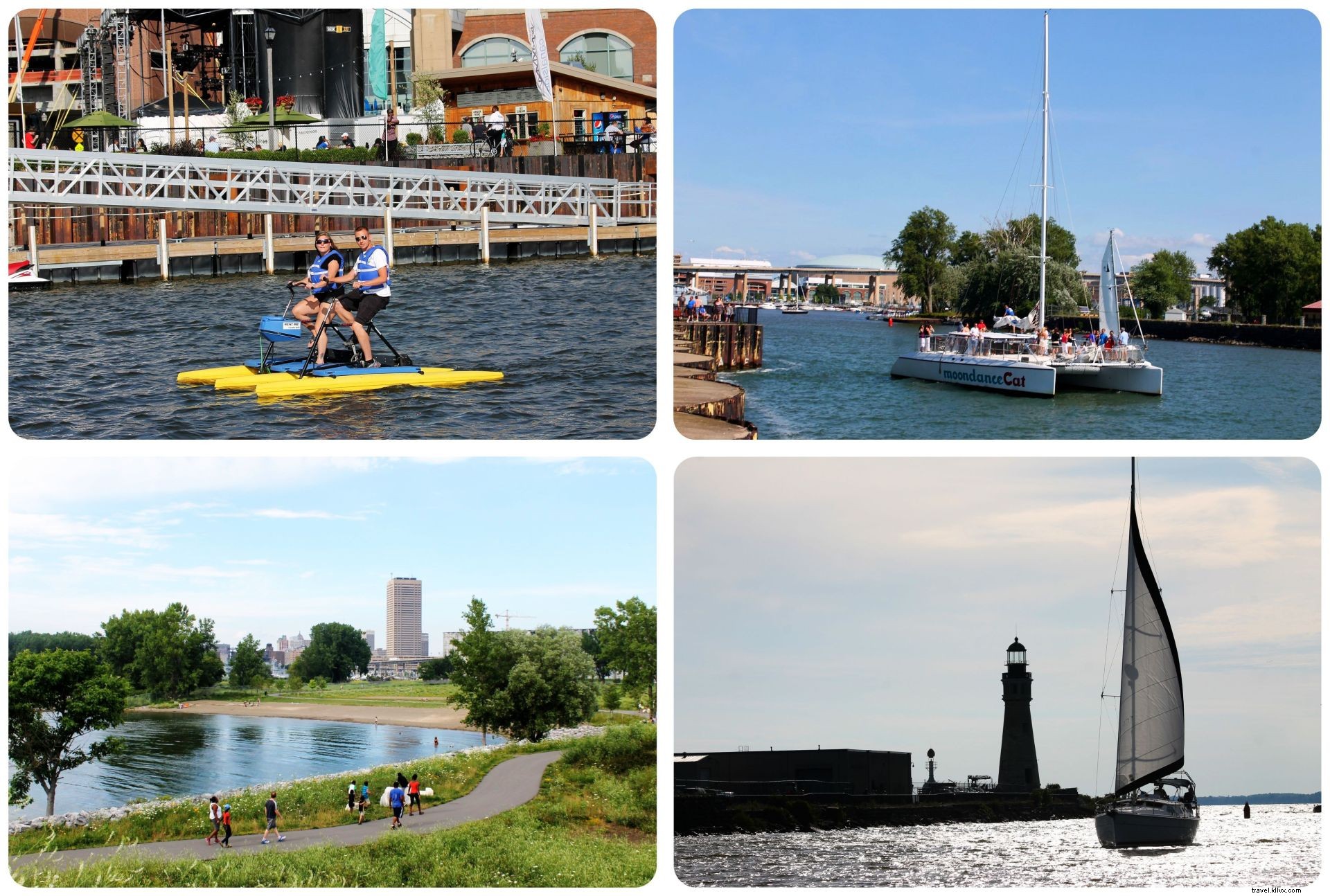
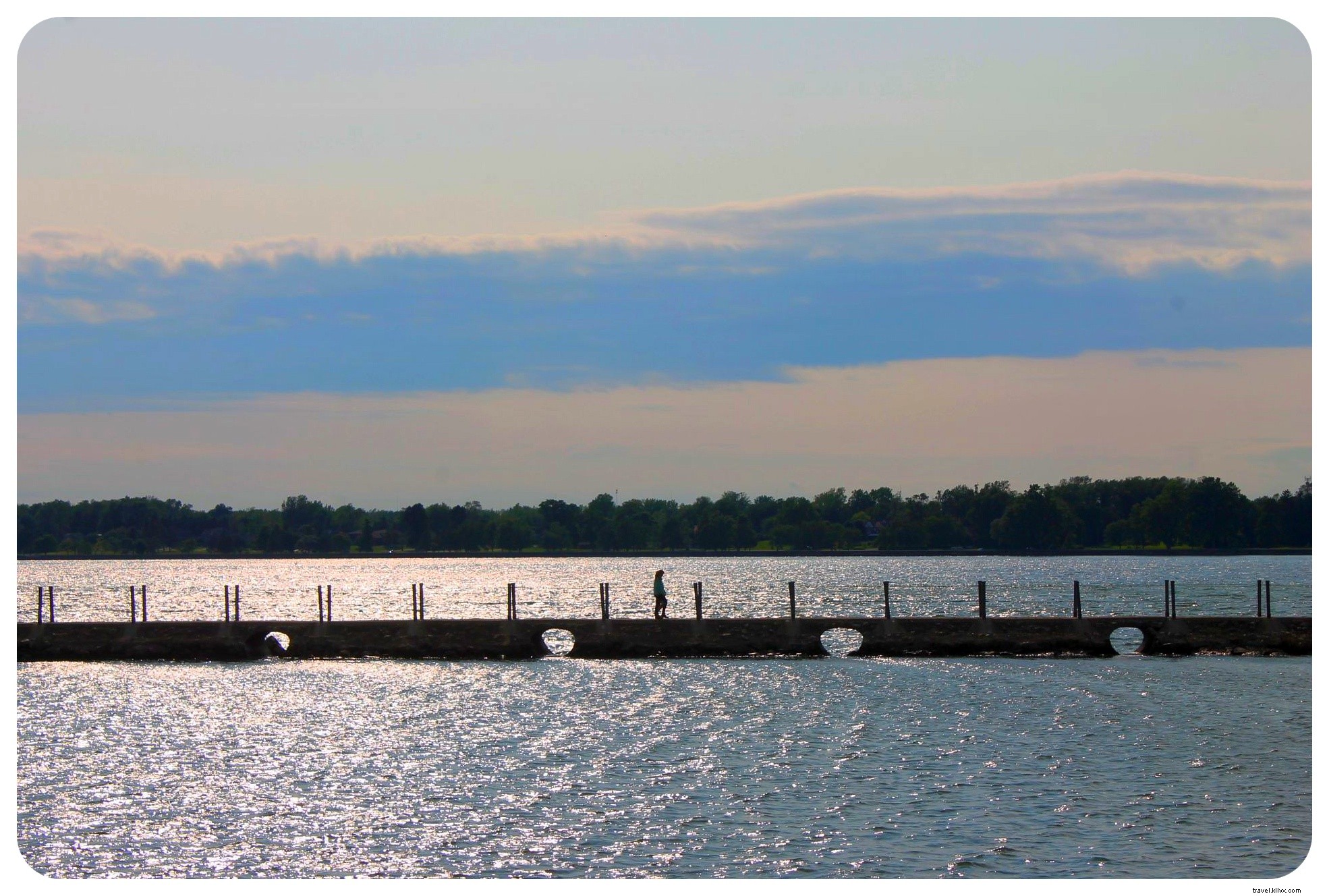
Situated at the confluence of the Buffalo and Niagara Rivers and Lake Erie, Buffalo enjoys a vast waterfront undergoing exciting revitalization. Enjoy walkways, restaurants, summer concerts, outdoor movies, artisan markets, and yoga. Historic river cruises showcase century-old grain elevators, or opt for scenic Lake Erie tours.
7. Cross into Canada Directly from Buffalo
The Peace Bridge, opened in 1927, provides easy access from central Buffalo to Fort Erie, Ontario—beyond the more famous Niagara Falls crossing.
8. Buffalo Is a Festival Haven
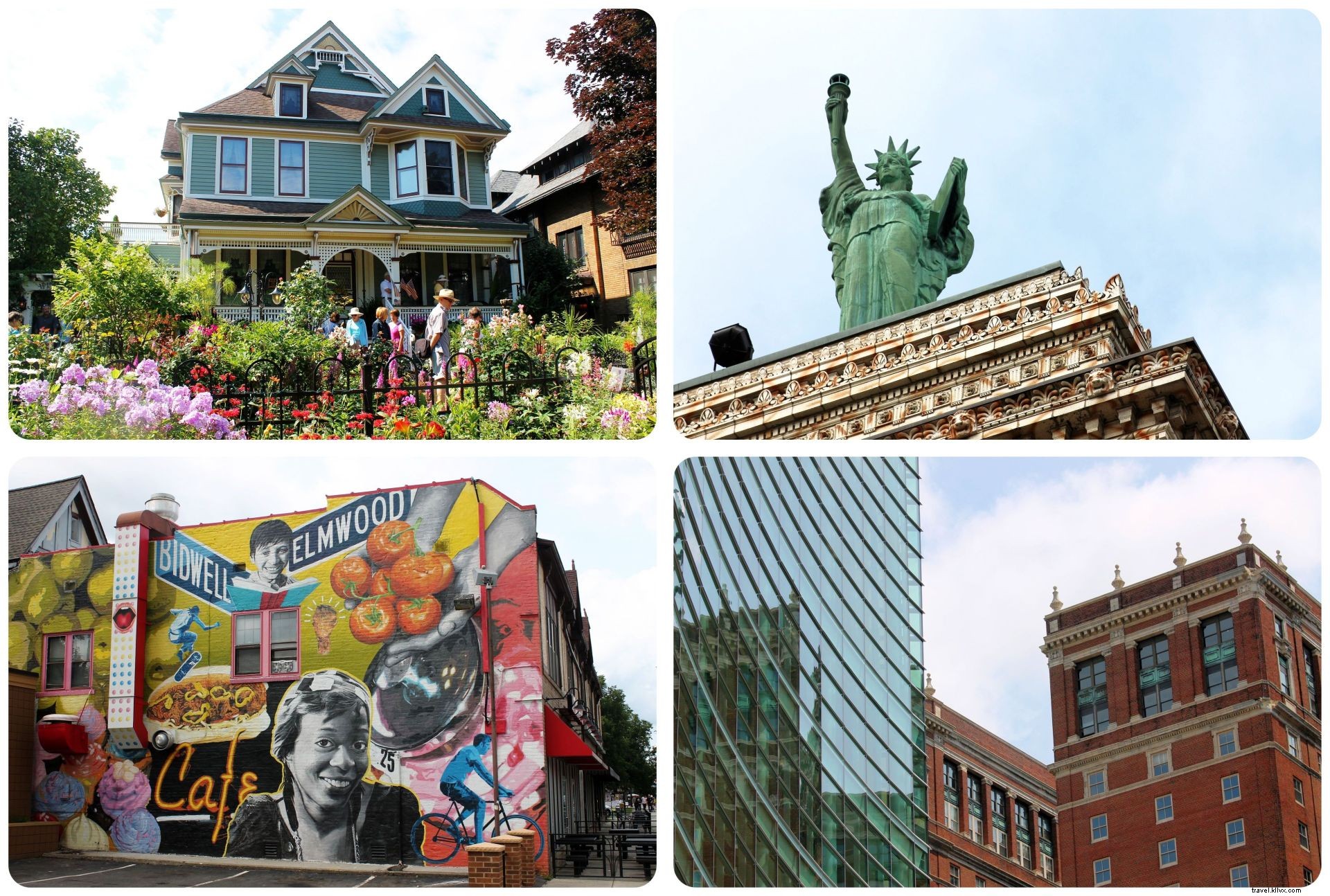
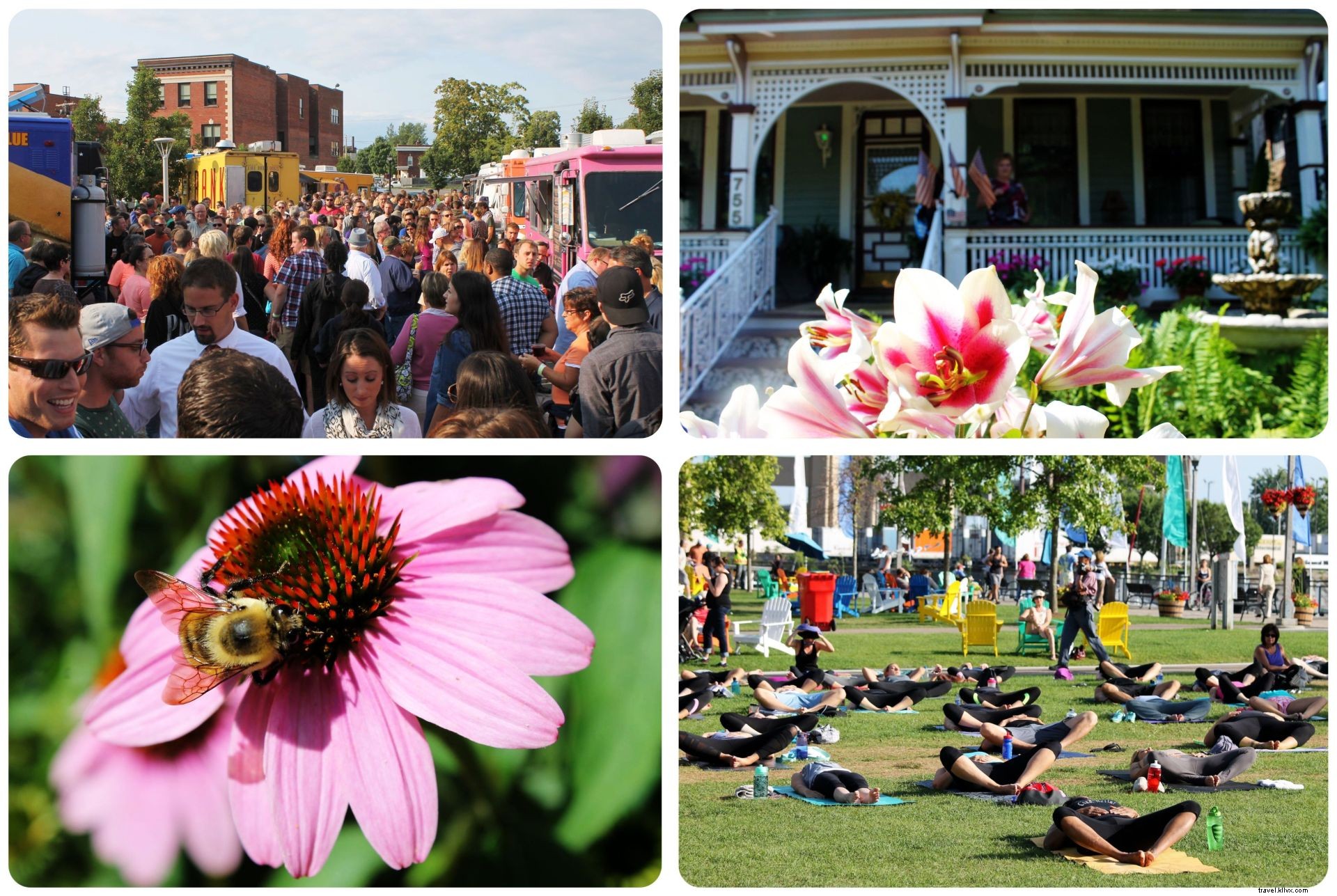
Buffalo hosts around two dozen annual festivals, including the nation's largest Garden Walk. Ethnic celebrations like the Polish Harvest Festival, Italian Festival, and one of the biggest St. Patrick's Day Parades join events such as Gay Pride, Taste of Buffalo, Allentown Art Festival, and a New Year's Eve Ball Drop. Summer staples include Food Truck Tuesday, Live at Larkin, Yoga at the Gardens, Shakespeare in Delaware Park, and Canalside Concerts.
9. Buffalo Was Once America's Wealthiest City Per Capita
In the early 1900s, Buffalo had more millionaires per capita than any U.S. city, fueled by its role as a railroad hub, trade route stop, and top grain-milling center. Decline followed the St. Lawrence Seaway's opening and rail shifts, but grand mansions along Delaware Avenue—once Millionaires' Row—remain.
10. Buffalo's Food Scene Goes Beyond Wings
Famed for Buffalo wings (best at birthplace Anchor Bar), the city offers diverse global cuisine reflecting its heritage. With over 900 TripAdvisor-listed restaurants, options abound—from Hutch's contemporary American and Left Bank Italian to Westside Bazaar's African, Indian, and Southeast Asian stands.