How We Fell for the Classic Bangkok Tuk-Tuk Scam: A Real Traveler's Warning
We had successfully avoided scams during 18 months of nomadic travel through Mexico, Central America, and beyond—with only a minor ATM card cloning incident in Panama. That streak ended on our first day in Bangkok. Here's our detailed account to help you stay vigilant.
 Our confidence was shaken, and it took months to reflect objectively. After a long U.S. road trip, time in Europe, and Canada, we had grown complacent in safer environments, letting instincts override caution.
We also overlooked preparation. Friends assured us anyone could fall for it, and indeed, Bangkok scams are notorious—documented on sites like the former Bangkokscams.com and Wikitravel's Bangkok scams section.
Did we review our Lonely Planet's Dangers and Annoyances chapter? No.
Here's what happened:
On day one, battling jet lag and flood concerns, we headed to the Grand Palace. Near our hotel, a friendly Thai man asked our origin. "Germany," we said. He beamed: "Frankfurt! Great country—football, Deutschland!" We relaxed and admitted arriving just six hours earlier. Mistake #1: Revealing new arrivals makes you a target.
 He claimed the Palace was closed until afternoon (false—temples are nearly always open). Wikitravel warns: Be skeptical of English-speakers claiming attractions are closed, pushing tuk-tuk alternatives.
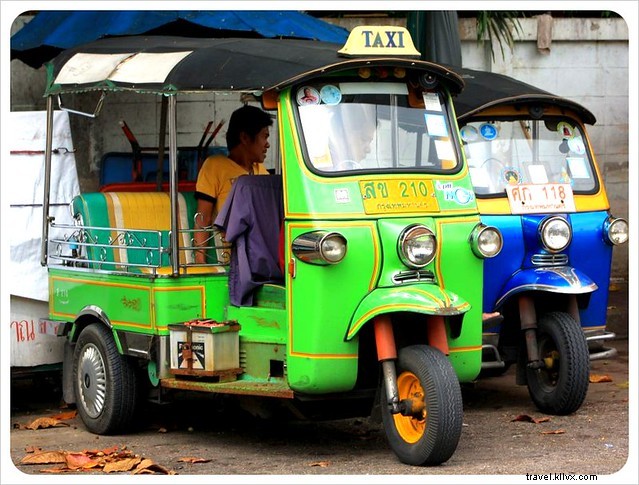
Suggesting temples and blue-plate tuk-tuks (supposedly government-regulated at 20 baht), he mapped routes and hailed one. Seemed like a steal at ~60 U.S. cents all morning. Wikitravel advises: Beware cheap all-day tuk-tuk tours leading to gem/souvenir shops for commissions.
He recommended only TAT (Tourism Authority of Thailand) for bookings. (Note: TAT has no retail storefronts.)
En route to temples, we trusted based on positive past encounters worldwide. Good people outnumber bad—until proven otherwise.
At a fake "TAT," a agent pitched a 540-euro package. We declined, preferring independence.
The driver then required stops at a jewelry store and tailor for "gas credits." We obliged briefly, visiting temples next. A sweeper there mirrored the initial chat, directing us to a "locals-only" cheap ticket office.
 Critical error: An American agent at a Thai locals' spot? We ignored the red flag. Mistake #2.
Flood fears prompted booking overpriced bus tickets to islands and an AirAsia flight to Chiang Mai. He processed in the back room—no call visible. We skipped printouts. Mistake #3: Drivers earn commissions on purchases, not just gas coupons (per Thai-blogs.com).
 Driver vanished at a stop; another took us home after we refused more shops. We paid double to end it.

Next day, misspelled tickets (Mistake #4: Jessiea, Ganiela?). He "fixed" it backstage. We ignored doubts.
More approaches followed; we wised up, avoiding touts and meter-refusing taxis.
Bus never arrived—fake tickets. Desperate, a legitimate bus to Krabi accepted ours (others paid $10; we paid far more).
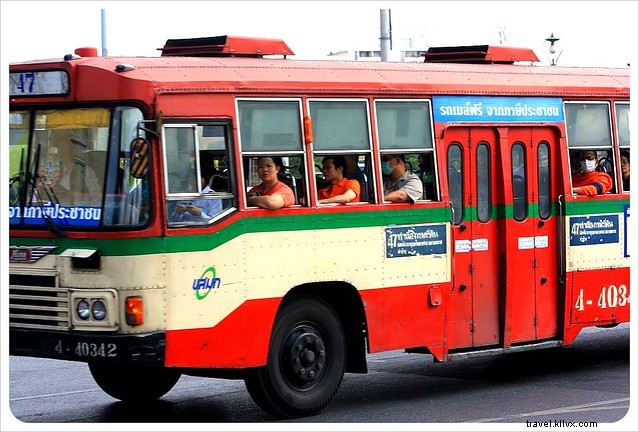 Onboard, no reservation details surfaced. Bag theft attempts occurred too. Wikitravel: Avoid private VIP buses; use public BKS from terminals due to robbery risks.
In Krabi, dropped highway-side at another agency for overpriced vans.
We've disputed charges with HSBC. Back in Bangkok later, we chose caution over confrontation.
Visiting Bangkok? Prepare:
Resources:
- 5 Best Known Scams in Bangkok… and How to Avoid Them
- How To Beat Bangkok's Scams
- Scams in Bangkok: Smiling Thais & Dumb Tourists
- 10 Lines that Say You're Being Hustled
- Shysters, Shams and Bangkok Scams
Border scams abound, e.g., fake Cambodian embassy at Aranya Prathet-Poipet. See: Cambodia Scams: Poipet Border Scams (and How to Avoid Them) and How We Got Scammed While Crossing the Thailand-Cambodia Border.
More Thailand Scams:
- 11 Scams in Thailand All Tourists Should Avoid
- How to Avoid These Typical Tourist Scams on Your Trip to Thailand
Share your scam stories below—misery loves company!