Insights from Xela Cemetery: Guatemala's Unique Blend of Mourning and Celebration
Central American death ceremonies masterfully balance profound sorrow with vibrant joy. Mourning unfolds through slow funeral processions, where hundreds dressed in black follow the hearse from church to cemetery, compelling even passersby to pause and reflect on life's fragility.
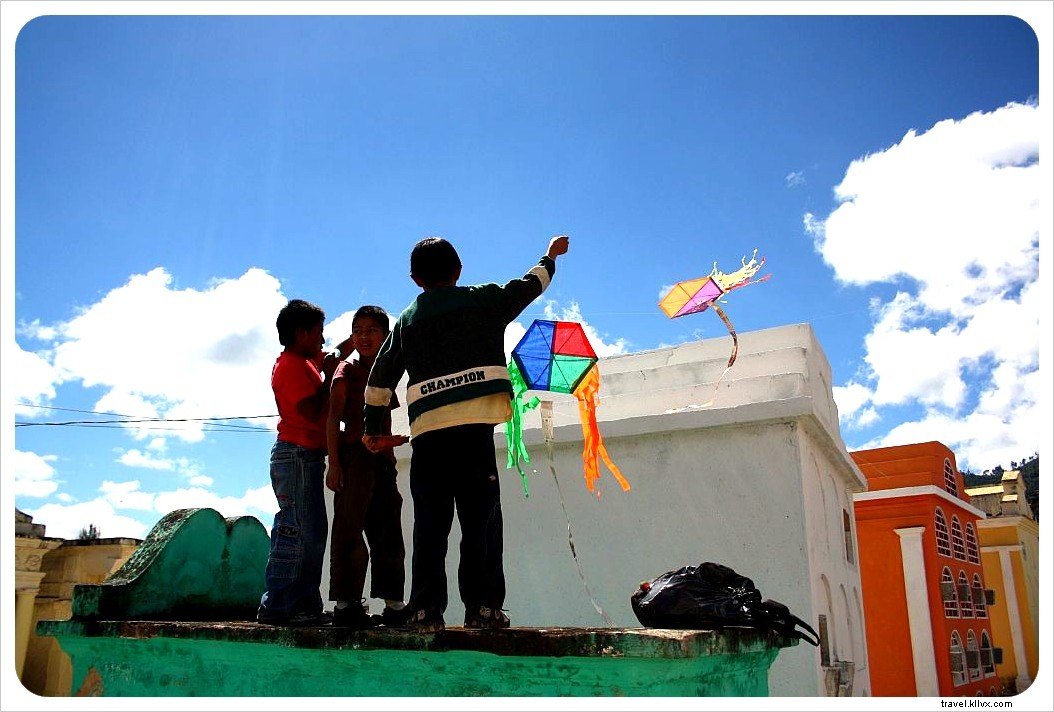
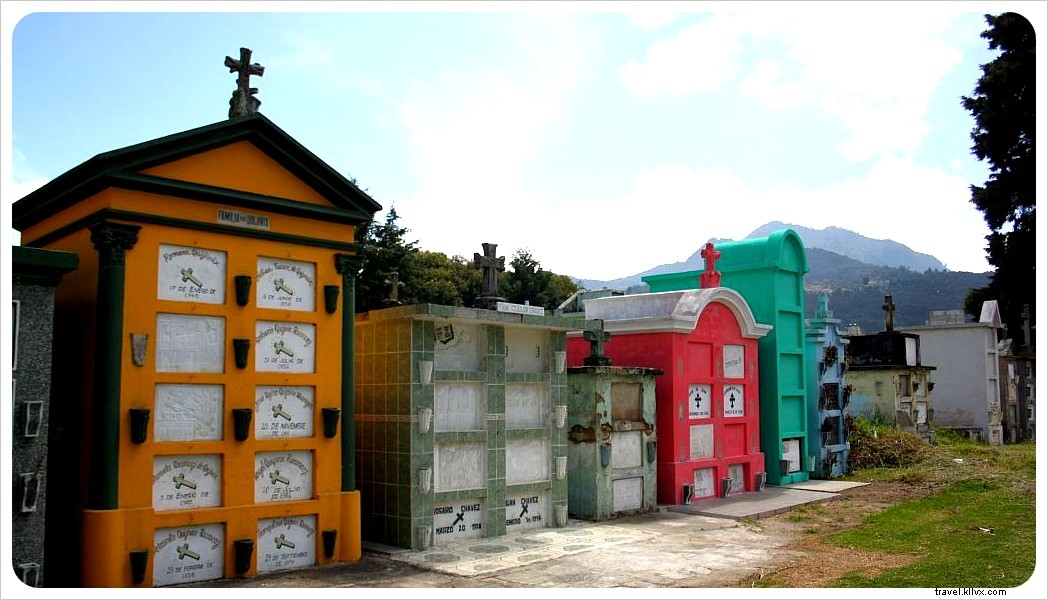
 Cemeteries transform into lively hubs during Día de los Muertos celebrations. Families adorn freshly painted graves in vivid pink, turquoise, mint green, and yellow hues. Amid picnics, kite-flying atop tombs, and heartfelt remembrances—often with tears—the departed are honored in a festive family gathering.
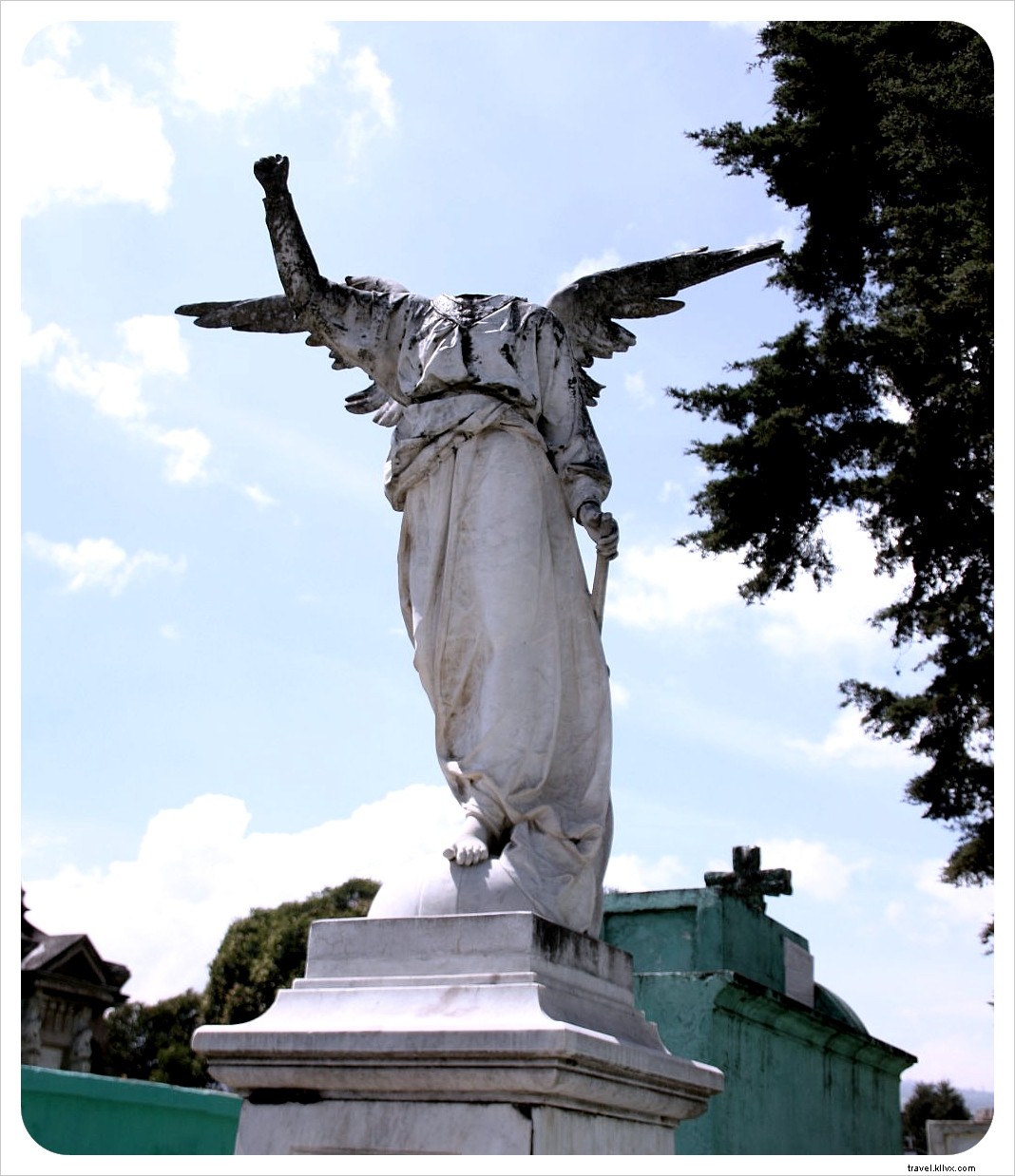
 Burial practices in Central America have evolved from extravagant mausoleums mimicking Roman temples, Gothic structures, or Egyptian pyramids to modest cement slabs. Past generations enjoyed ornate tombstones and ample eternal space.
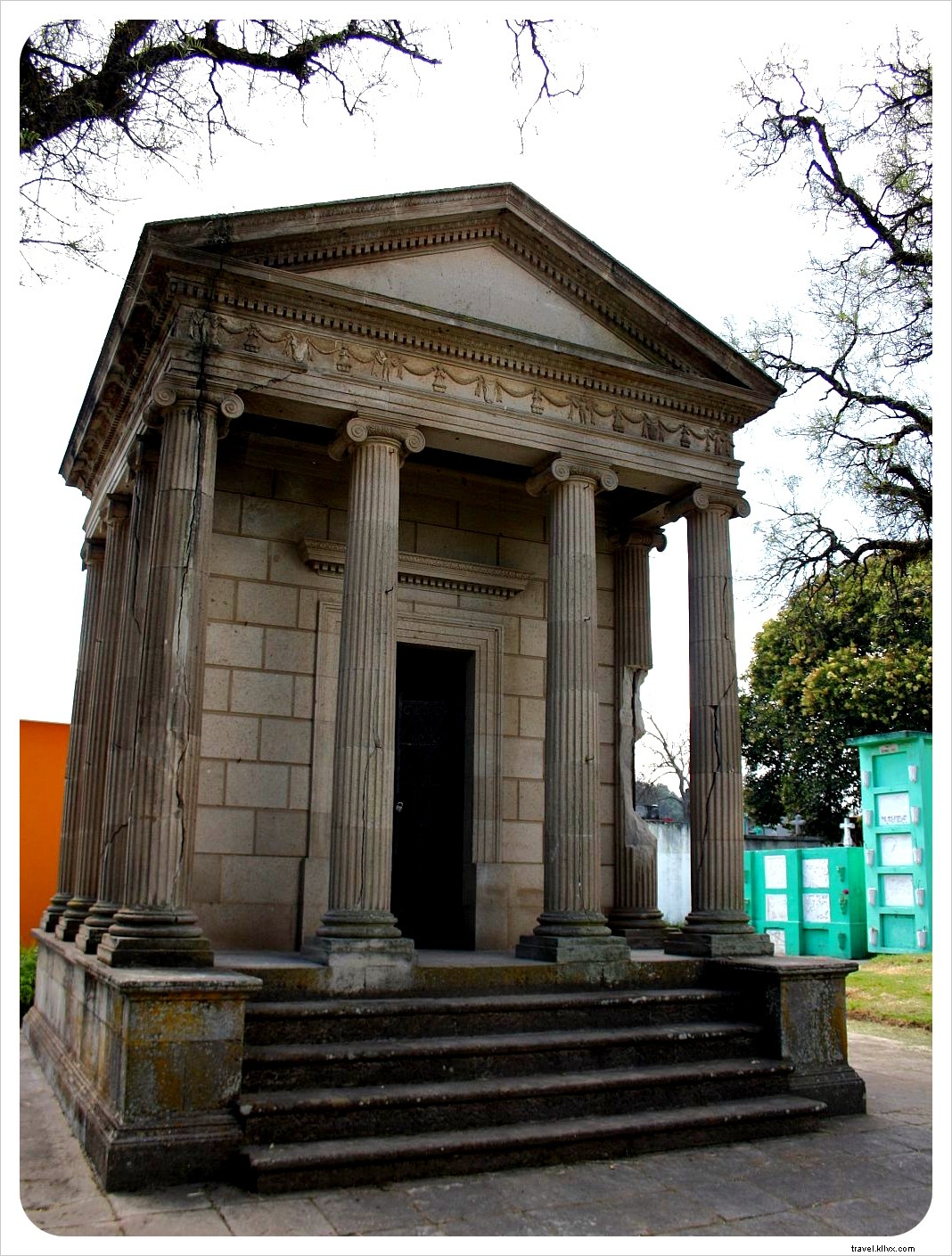
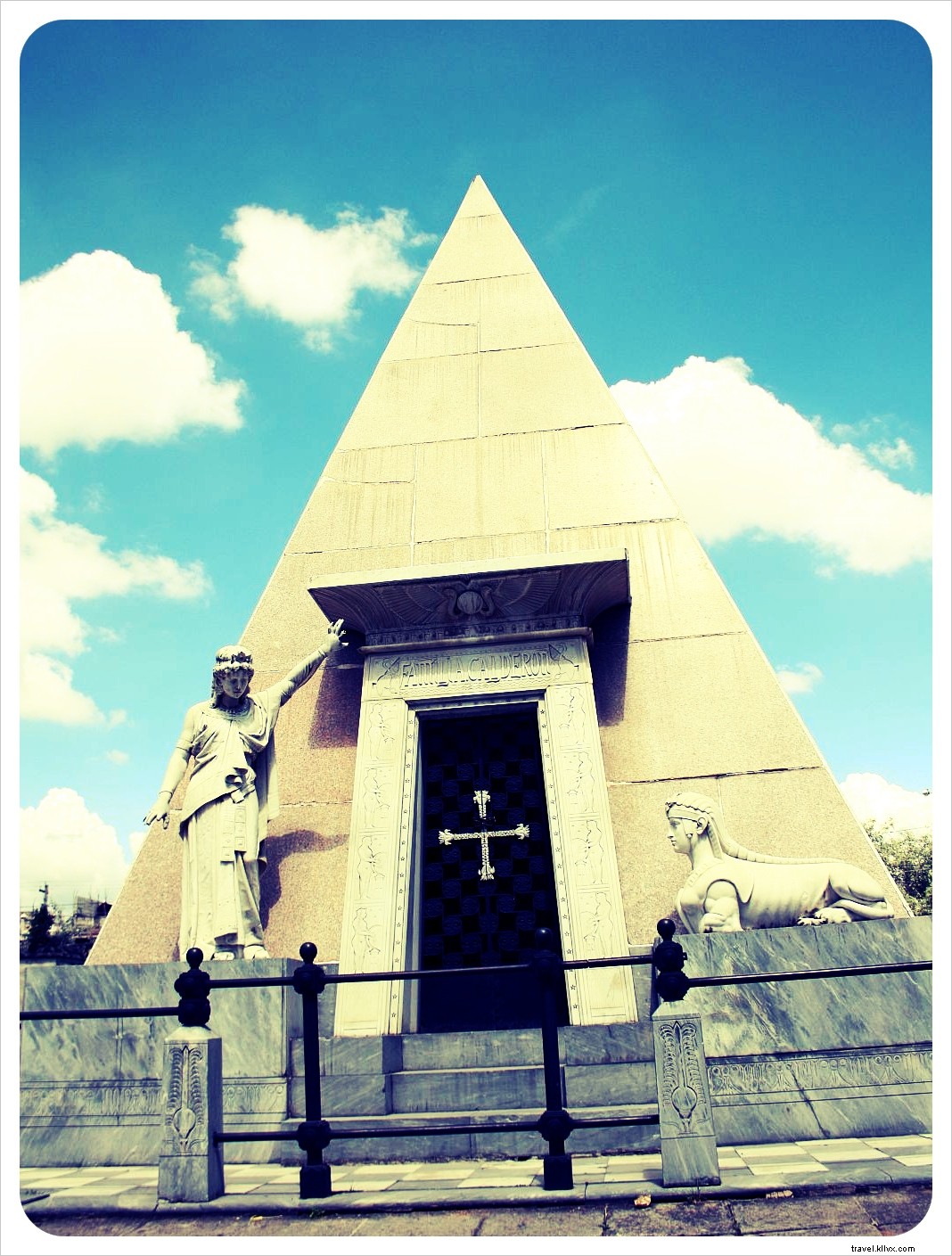
Today's newest plots in Quetzaltenango's cemetery resemble cramped apartment blocks, stacking 6 to 30 individuals in shared 'apartments' for eternity.
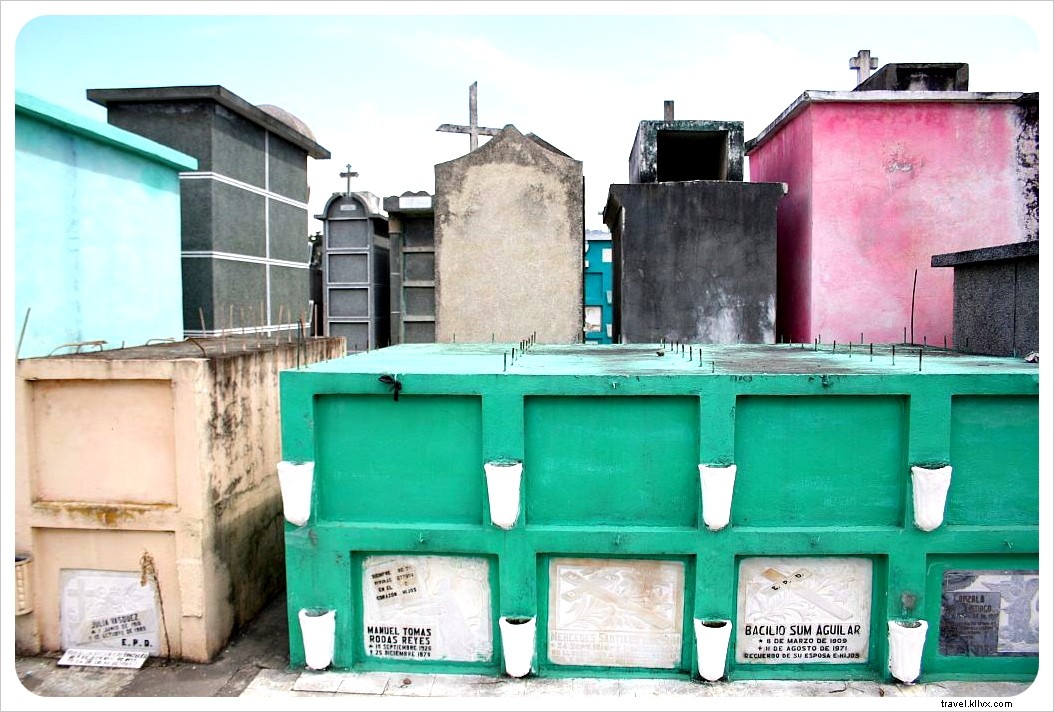
This shift may arise from financial constraints (funerals are expensive), shrinking space, or cultural democratization as middle- and working-class families claim access beyond elite mausoleums.
 In the cemetery's rear, Maya communities bury their dead in simple dirt graves marked by wooden crosses, names and dates hastily inscribed with permanent marker across unkempt rows.
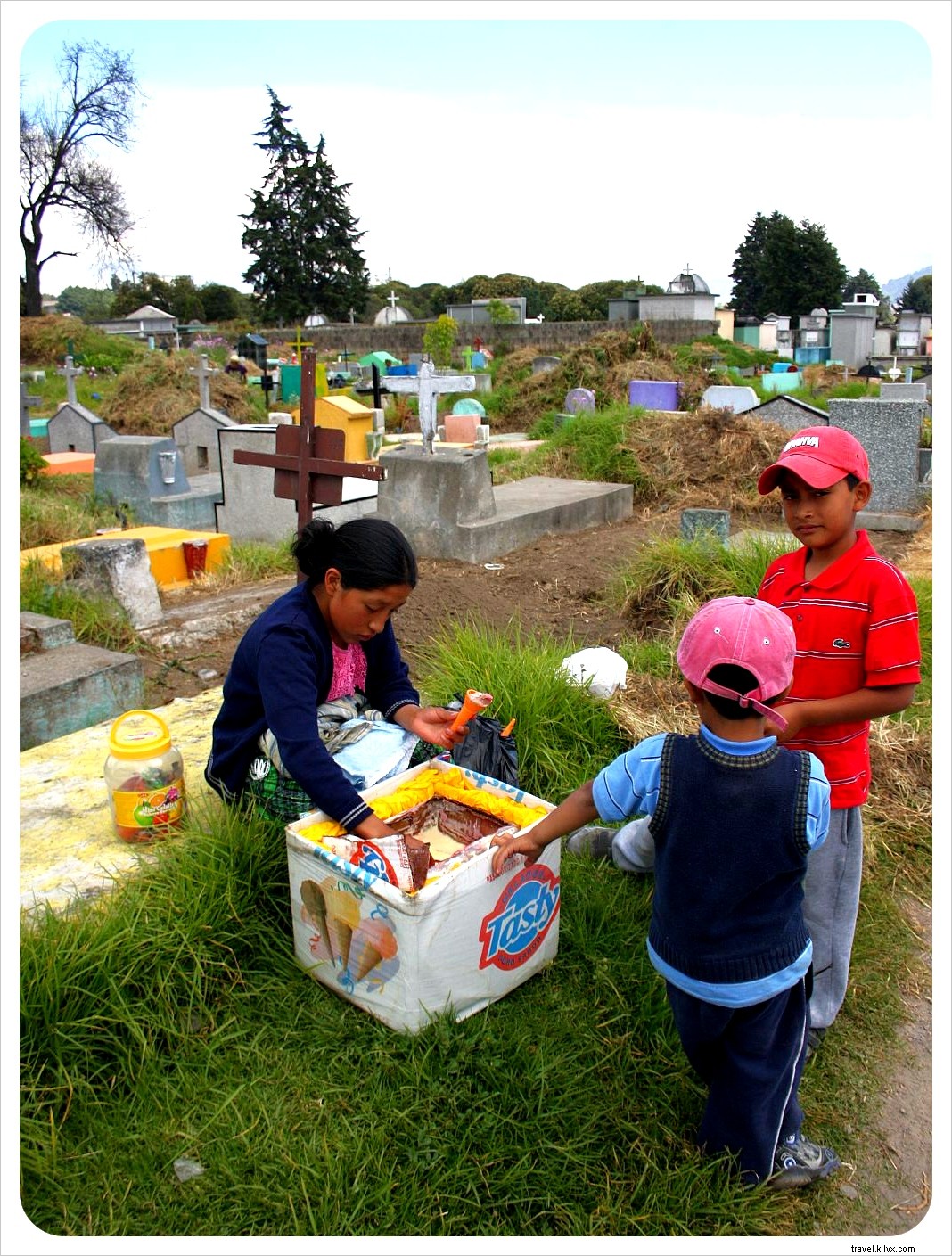
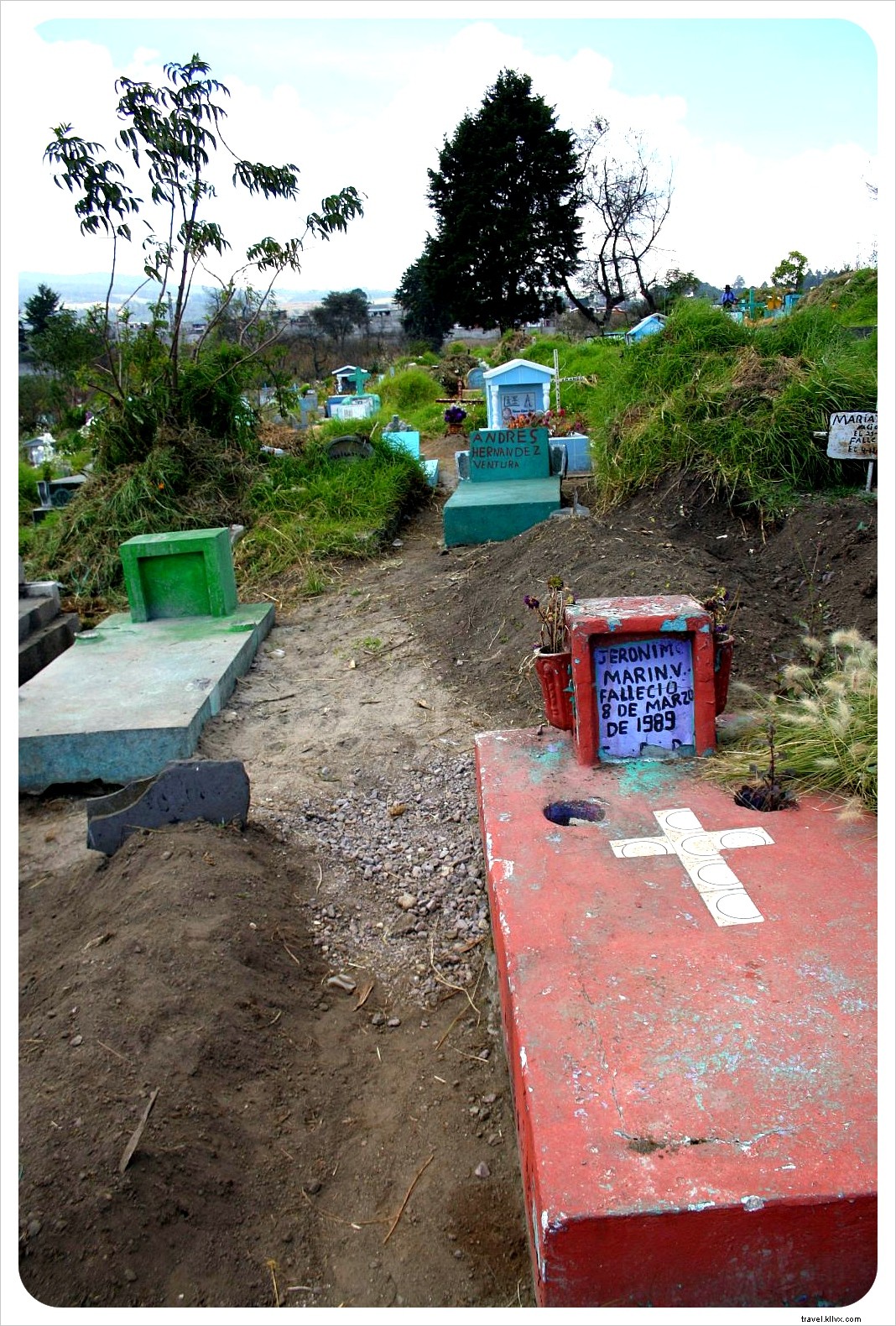 Festivities thrive here too: children play on earthen mounds, vendors hawk ice cream, and families picnic near toppled signs warning against unwashed hands. No European cemetery like Paris's Père Lachaise—our favorite worldwide—features such humble sites, regardless of economic status.
 Most striking is the mass grave beyond these plots, where unpaid rentals lead to reinterment, alongside hundreds from 2010's deadly mudslides that ravaged rural villages.
Visiting Xela (Quetzaltenango) or Chichicastenango's expansive cemeteries reveals Guatemala's societal mirror. Navigating dirt graves to majestic mausoleums illuminates stark class divides, poverty's realities, and cultural depth through mourning rituals and joyous commemorations.