Photo Essay: Exploring Montevideo, Uruguay's Vibrant Capital on Foot
Touching down in Montevideo, Uruguay, we city dwellers were thrilled. After six weeks traversing Patagonia's barren landscapes and the lush Lake Districts of Chile and Argentina, we craved urban energy: culture, crowds, diverse cuisine, and art. Following memorable visits to Buenos Aires and Santiago, we held high hopes for our third South American capital. Jess even considered staying for weeks. Emerging from the sleek, modern airport to board our bus, we were sure Montevideo wouldn't disappoint.
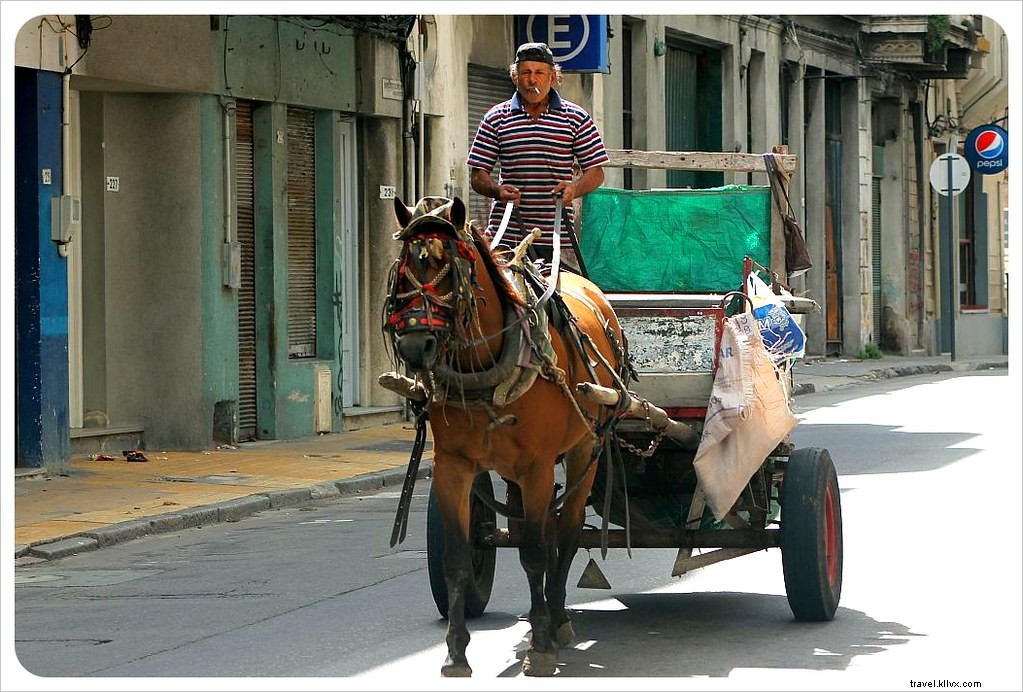
Minutes into the ride, horse-drawn carriages and dirt roads appeared, hinting that Uruguay's capital might not match its airport's promise of modernity.
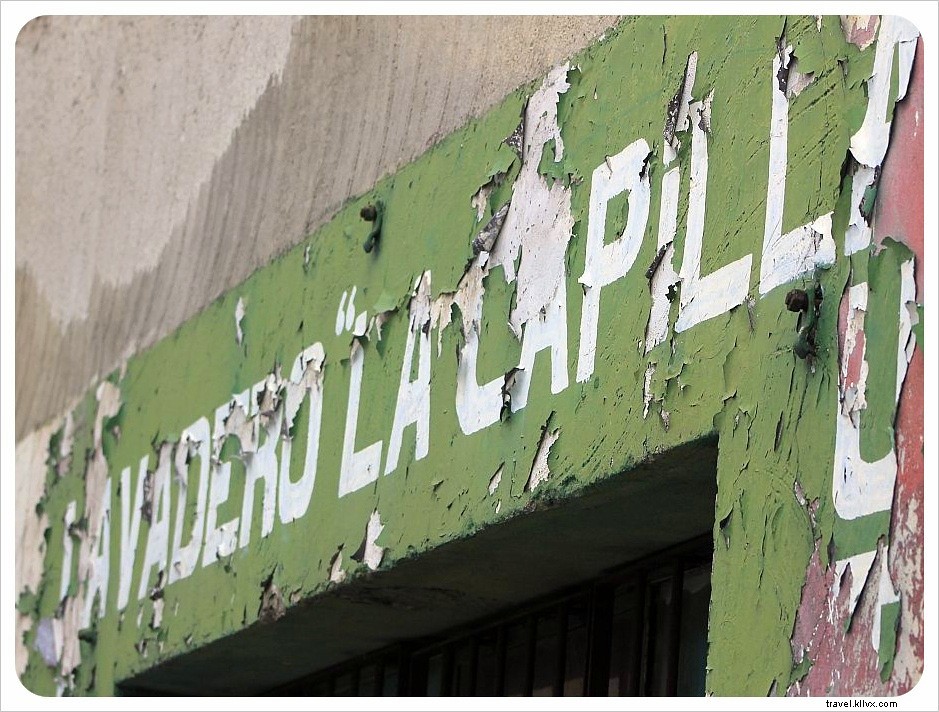
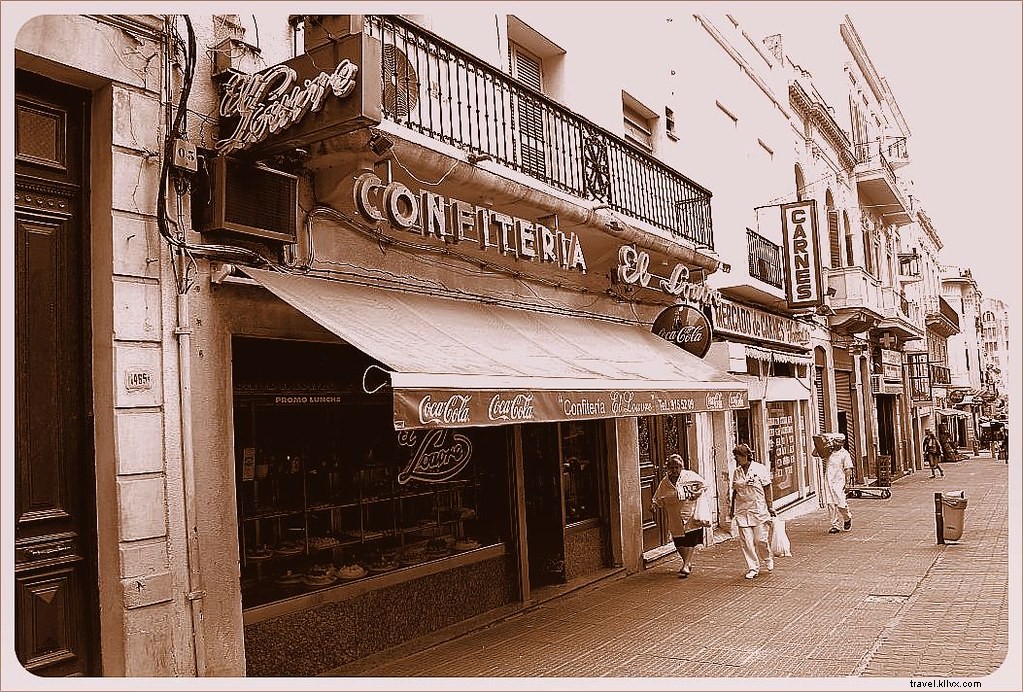
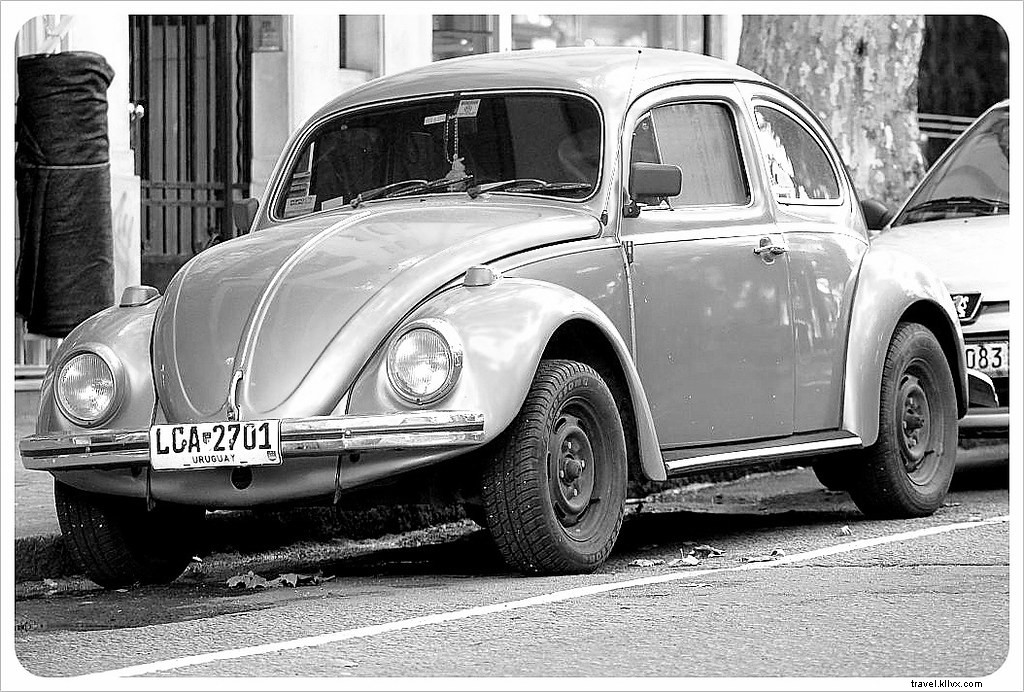
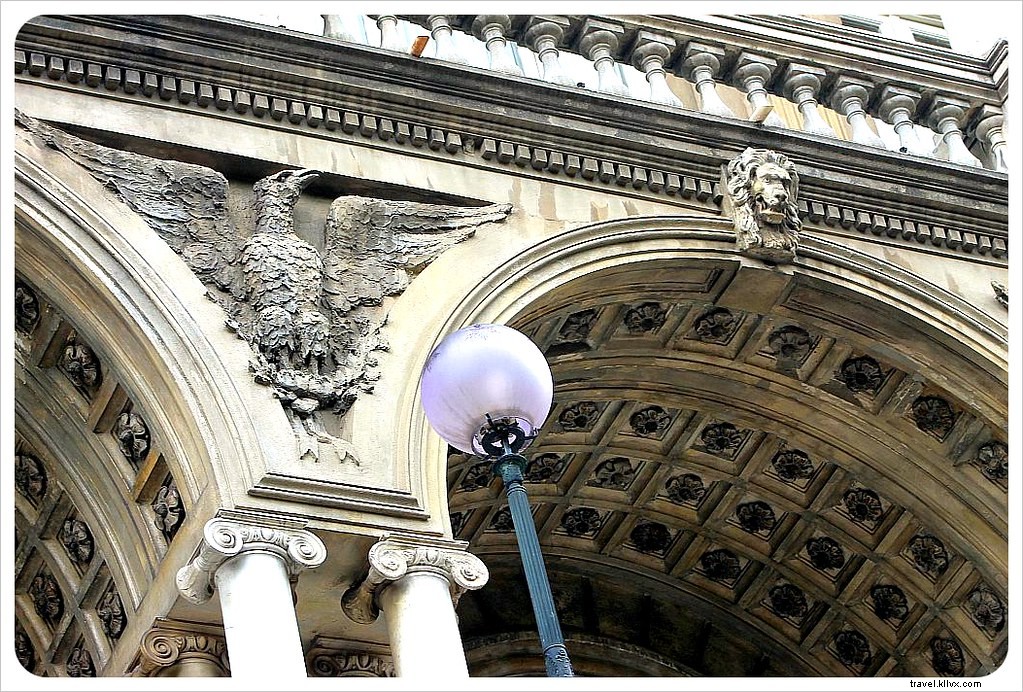
 We began in Ciudad Vieja, Montevideo's historic colonial core. Near our hotel, we found charmingly weathered or meticulously restored buildings.
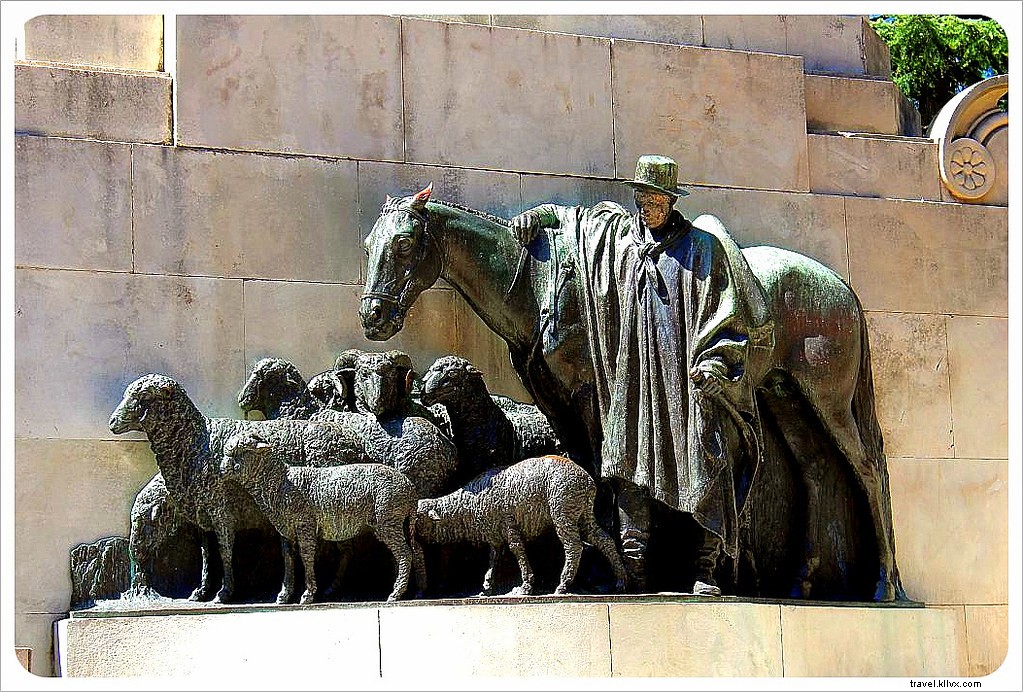 The Mercado del Puerto, built in 1865 as a train station, now features wrought-iron architecture housing restaurants famed for meat and seafood. Limited vegetarian options existed, but locals rave about it.
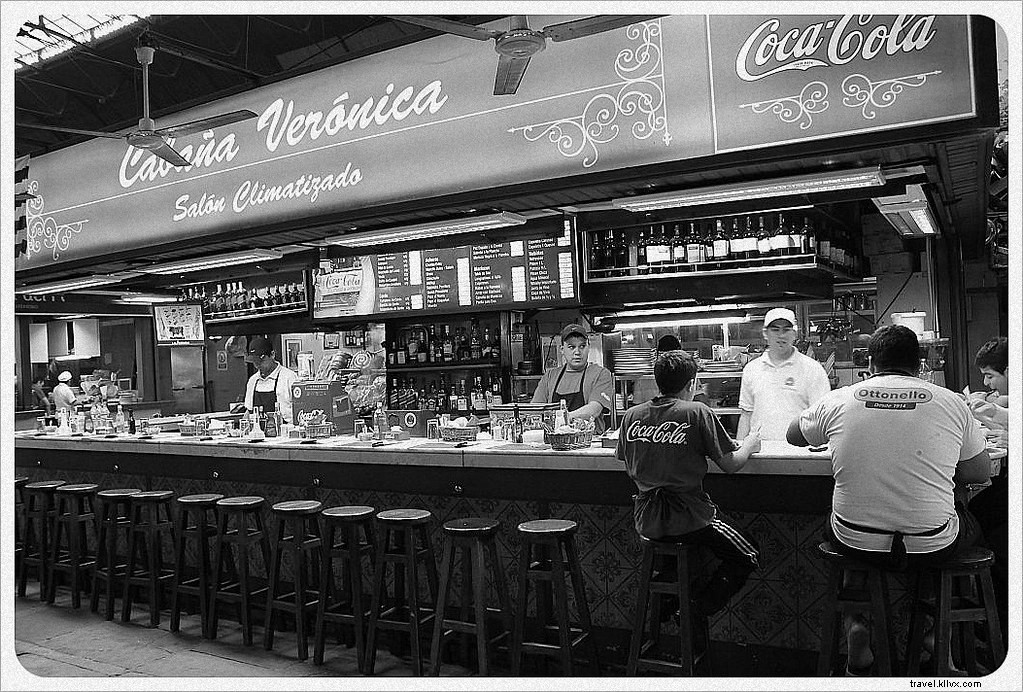 We adored the old town's cozy restaurants, cafés, shops, and traditional fruit and vegetable markets.
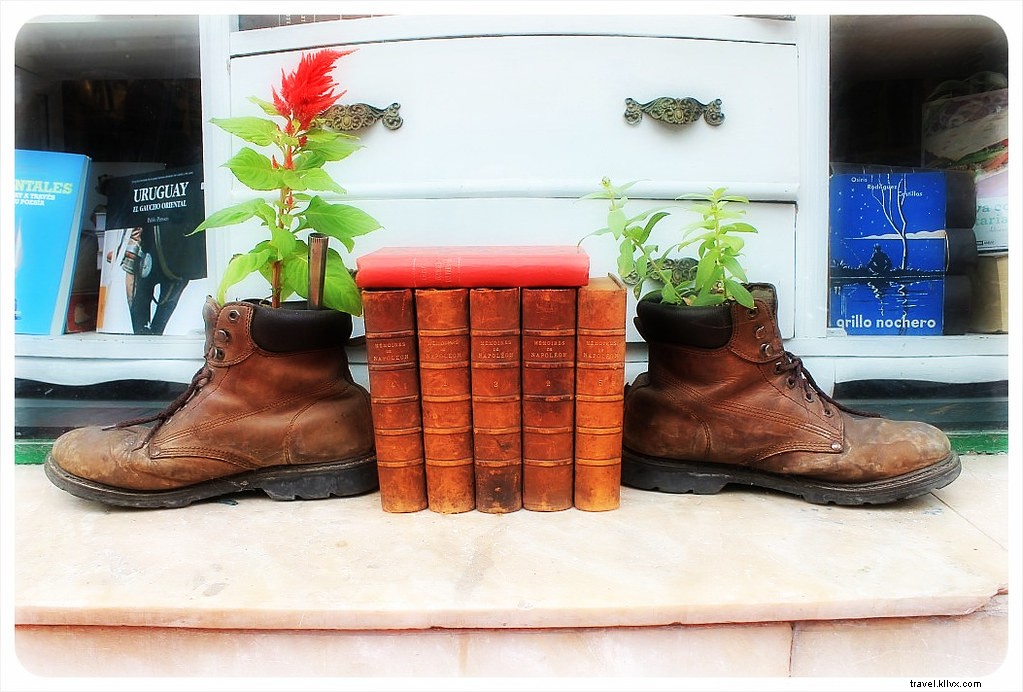
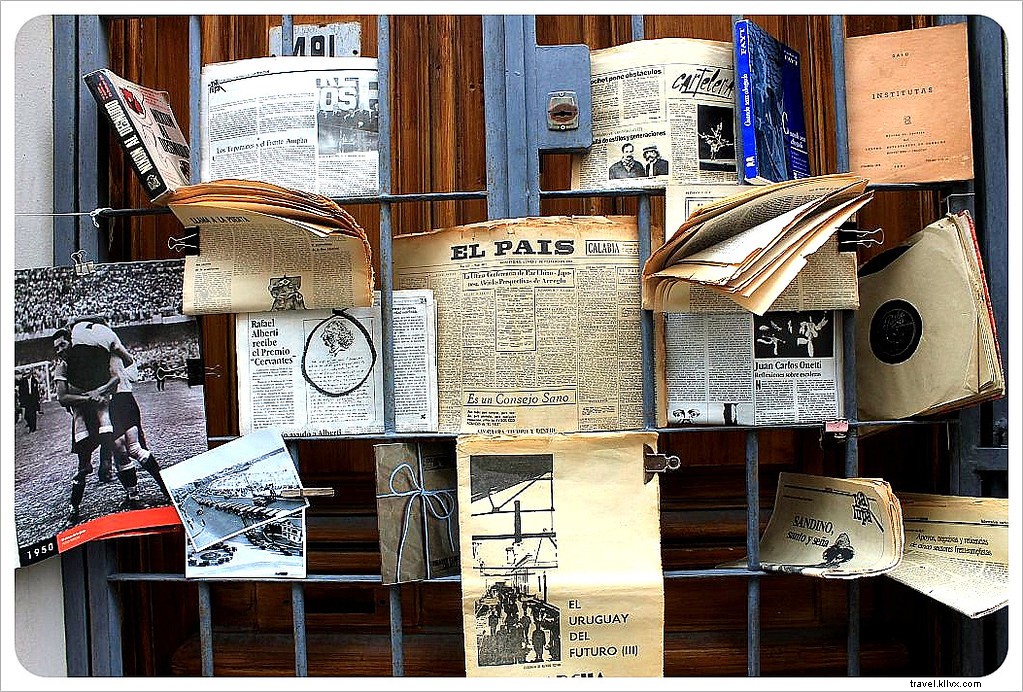
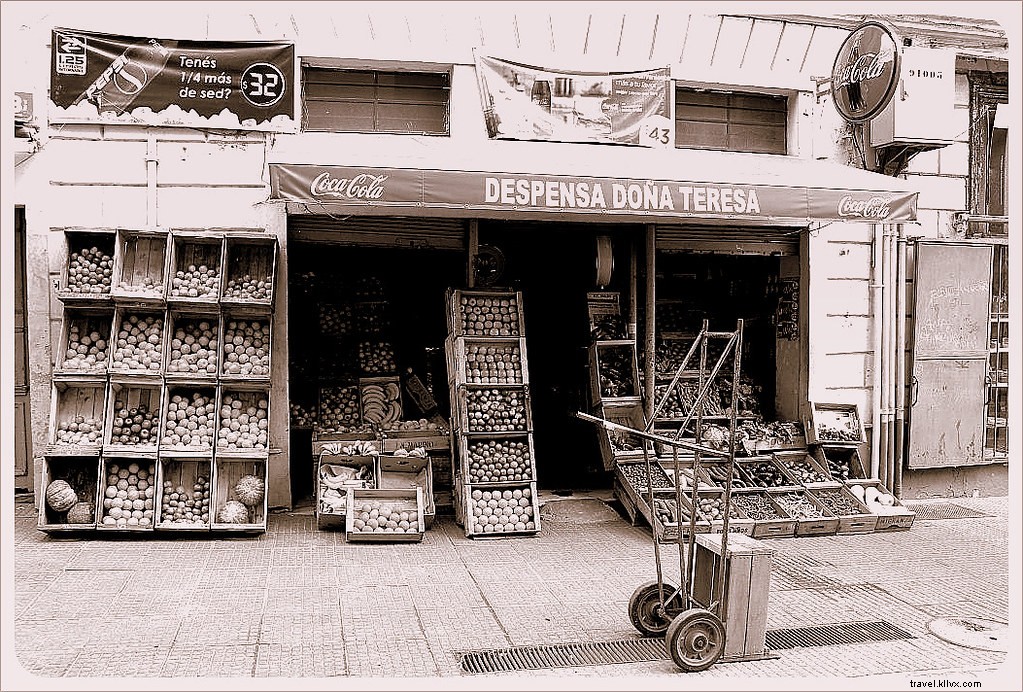
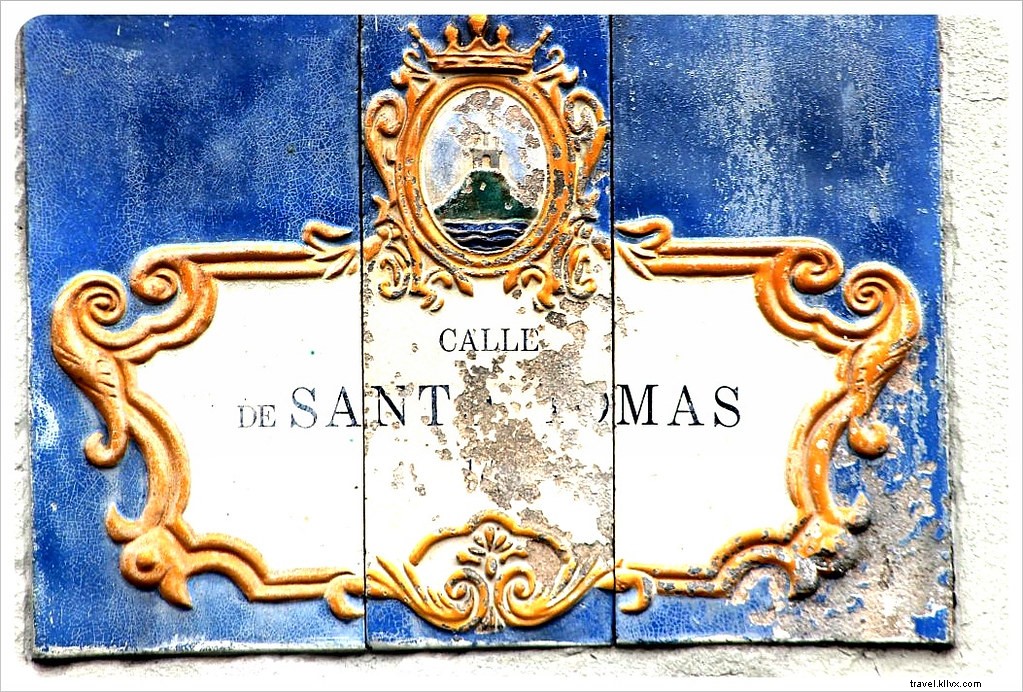 A delightful antique flea market filled Plaza Constitución, Montevideo's oldest square.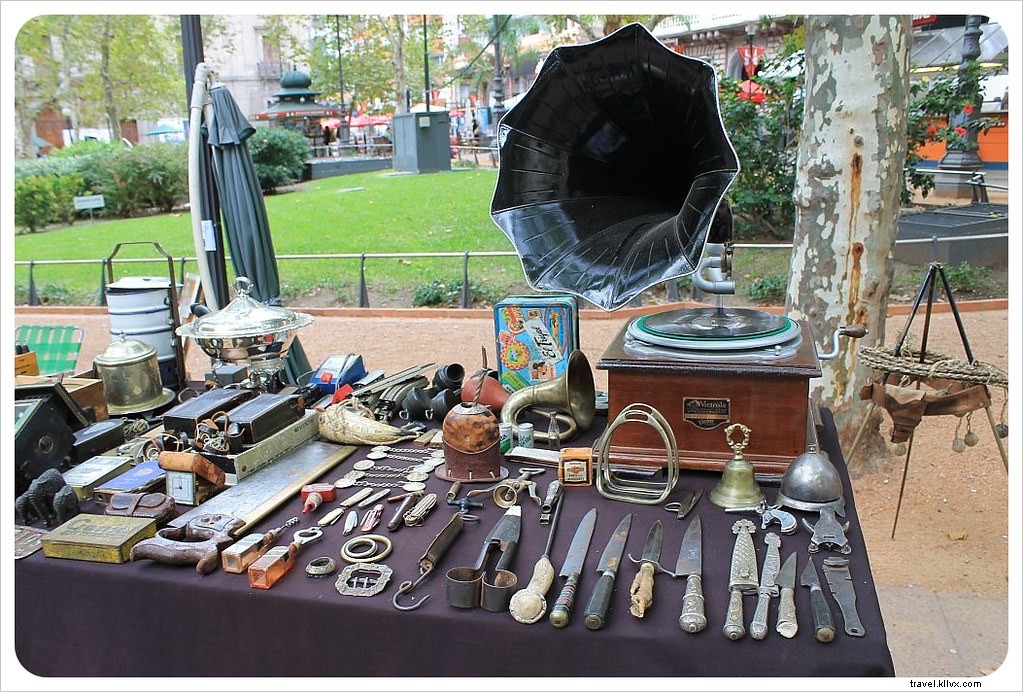
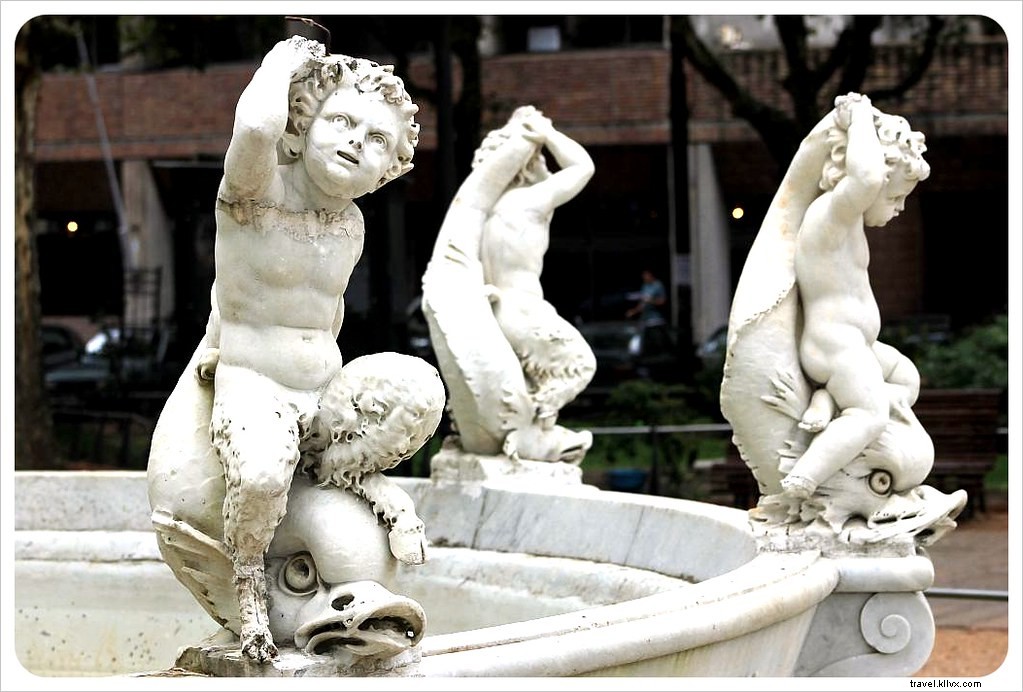
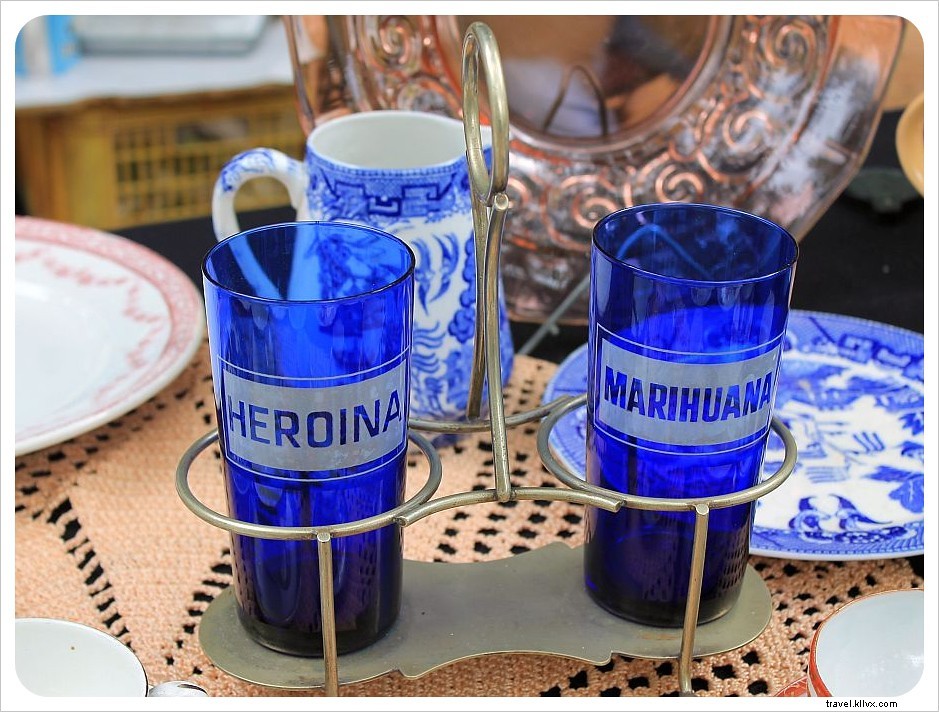 Surrounded by grand buildings and a central fountain, it was perfect for people-watching.
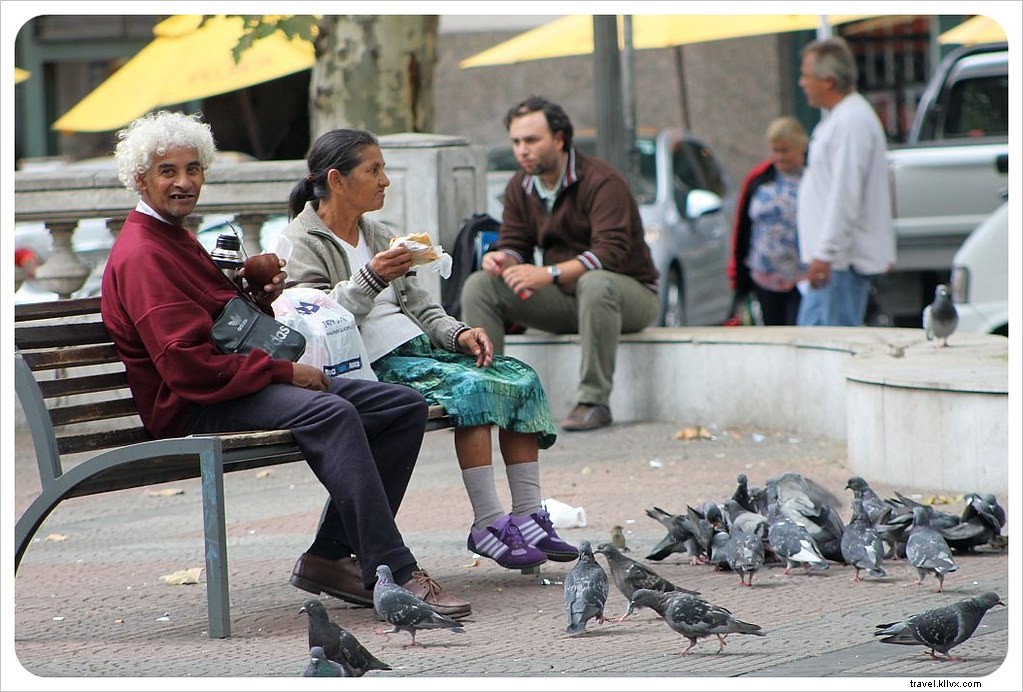
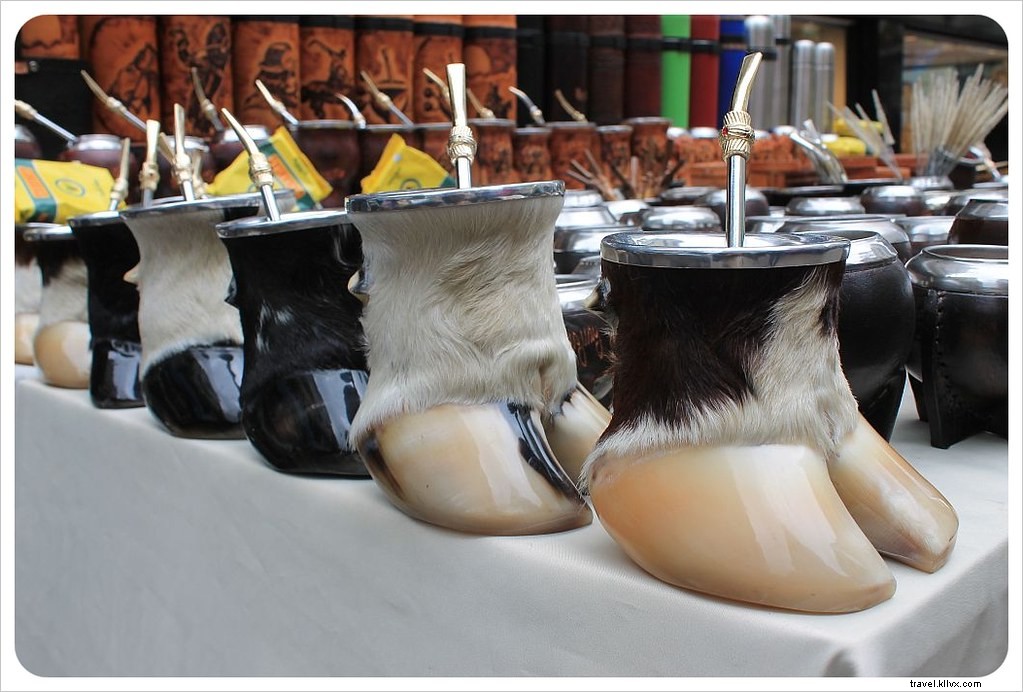
 Uruguayans outdo Argentines in their love for mate, the traditional South American herbal tea. Nearly everyone carried a gourd and thermos everywhere.
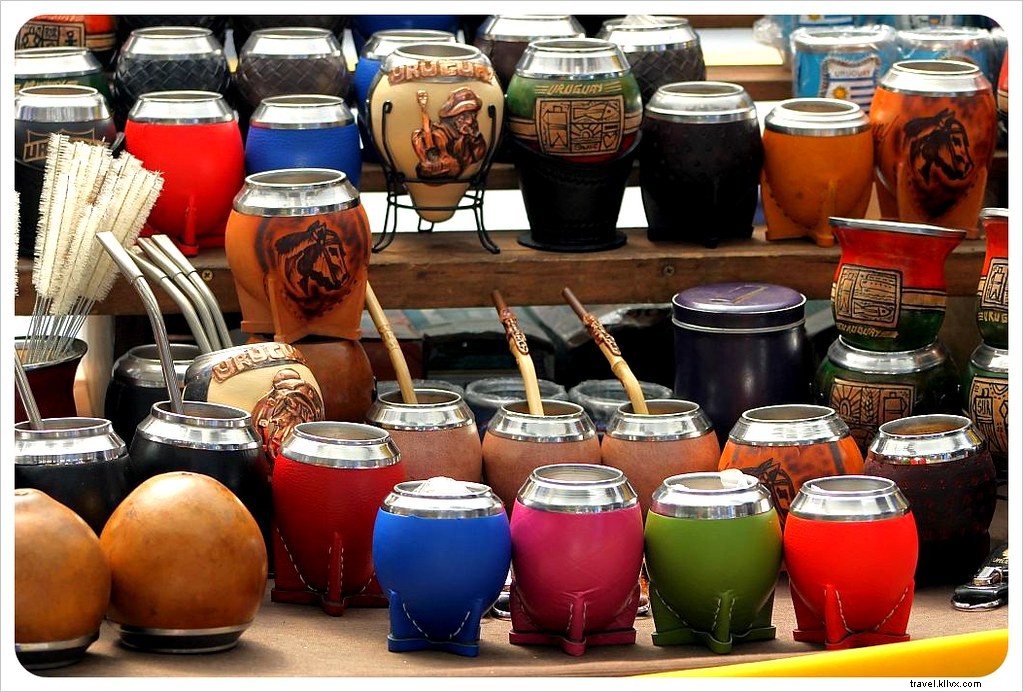 Mate in hoof-shaped gourds was especially popular.
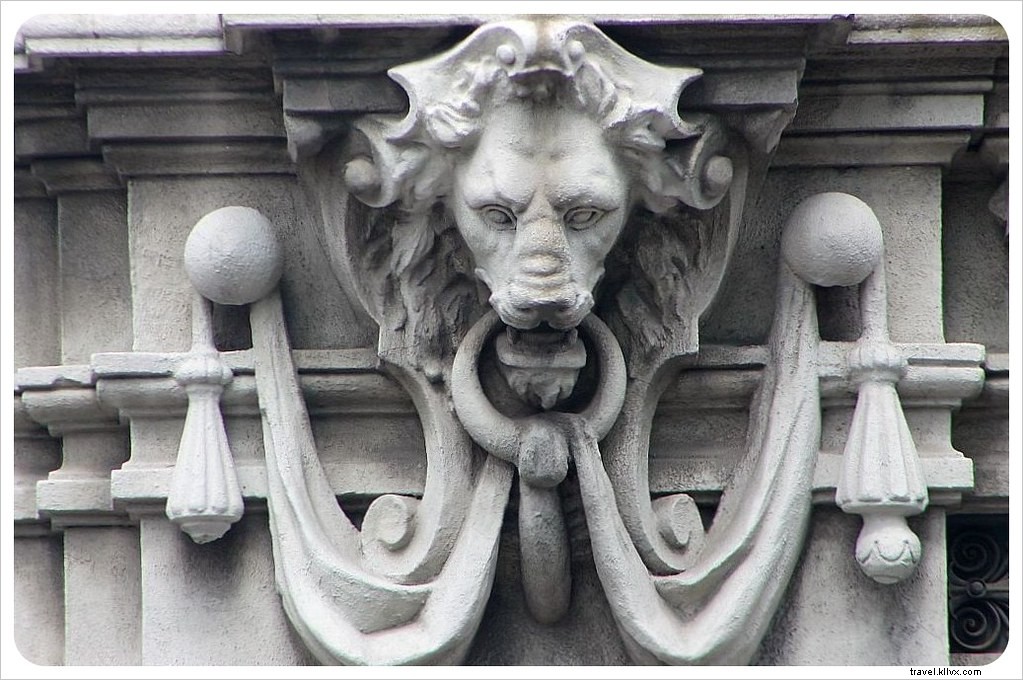
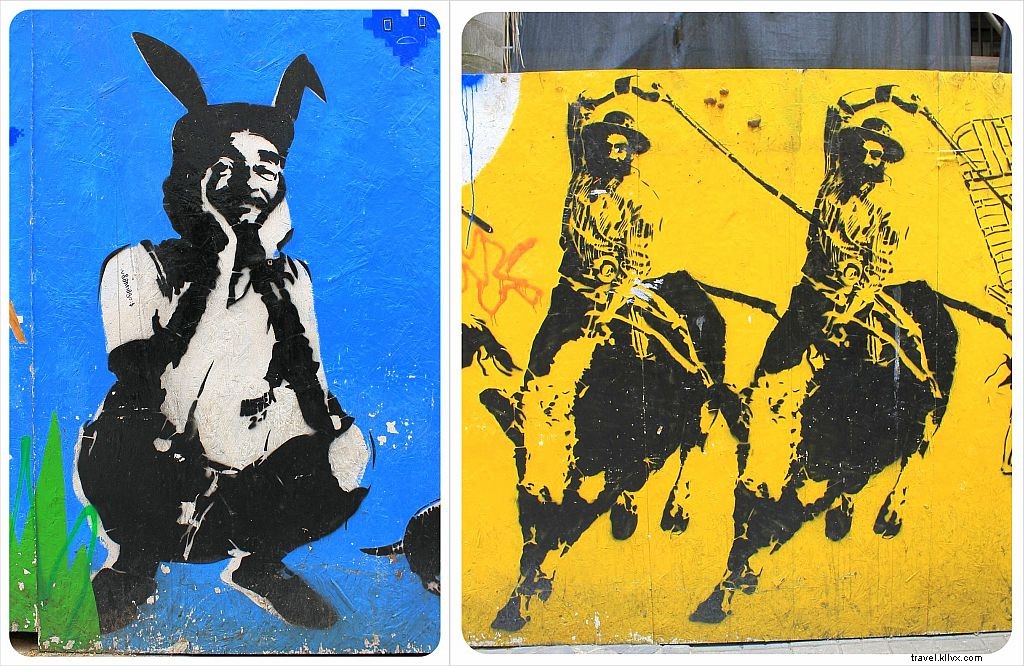
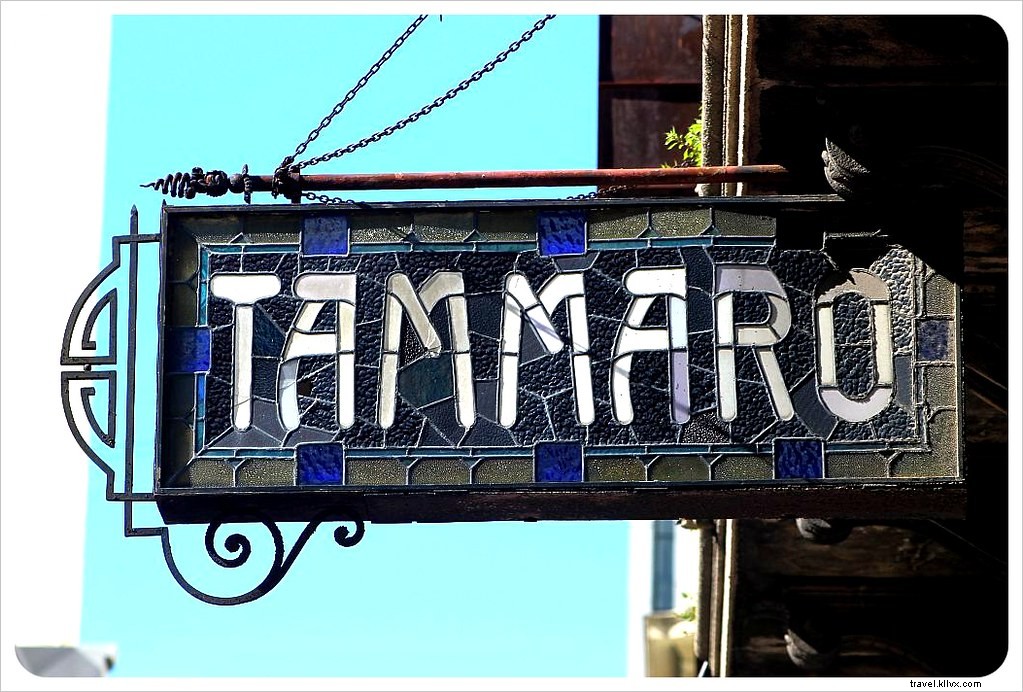
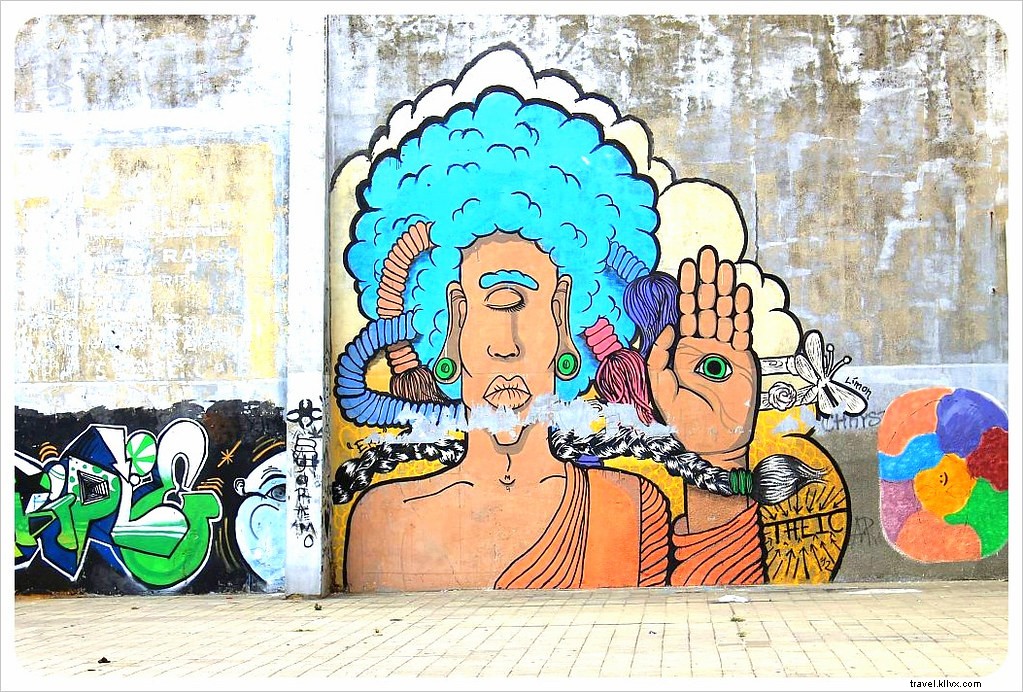
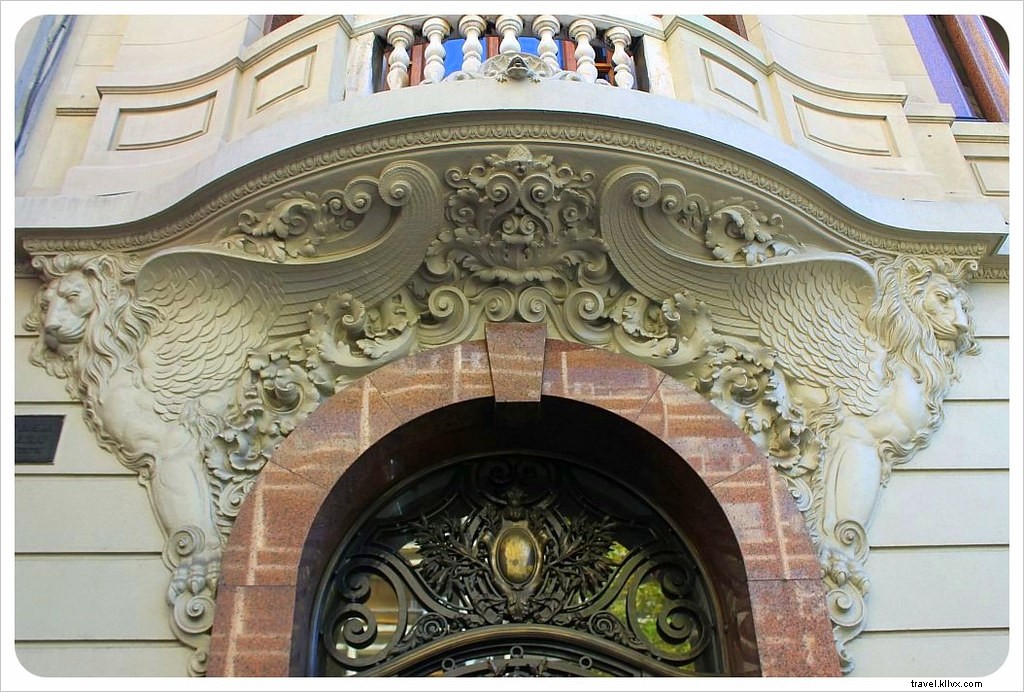
 Ciudad Vieja blended ornate restored facades with edgy street art.
 The historic Teatro Solís, one of Montevideo's most elegant landmarks, completed renovations in 2004 after six years and significant investment, including columns by French designer Philippe Starck.
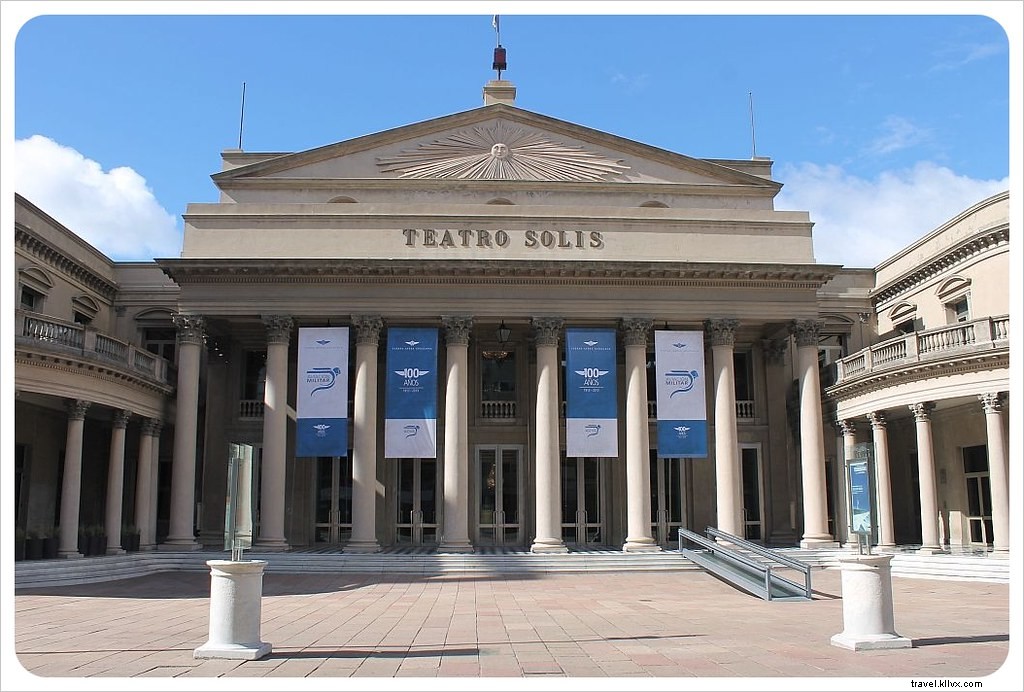
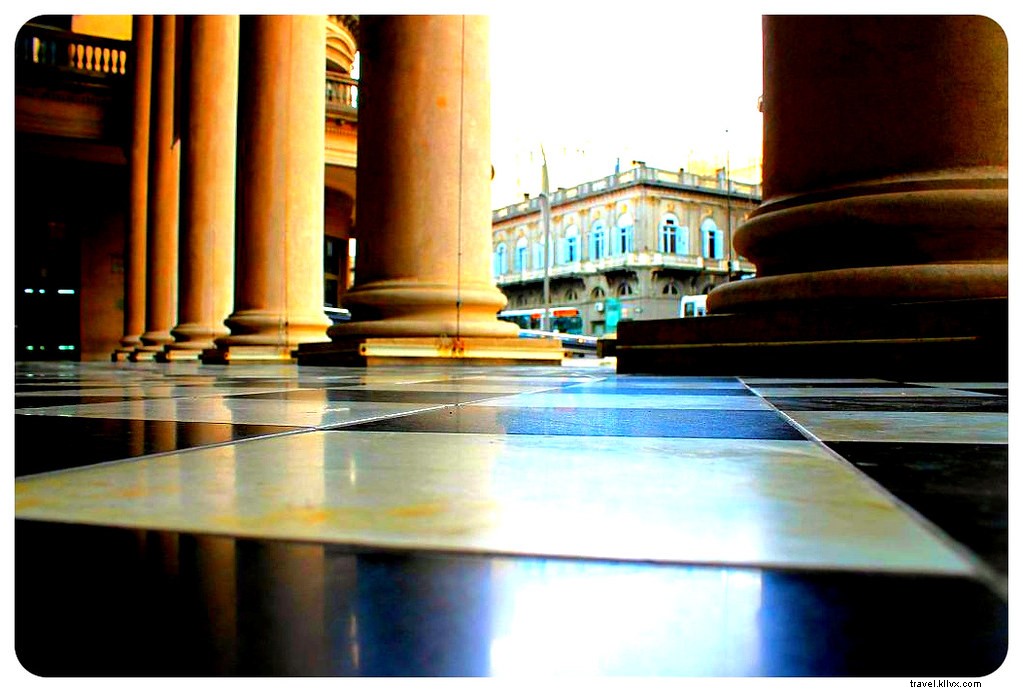 Next, Plaza Independencia, the city's main square, divides old town from downtown commerce.
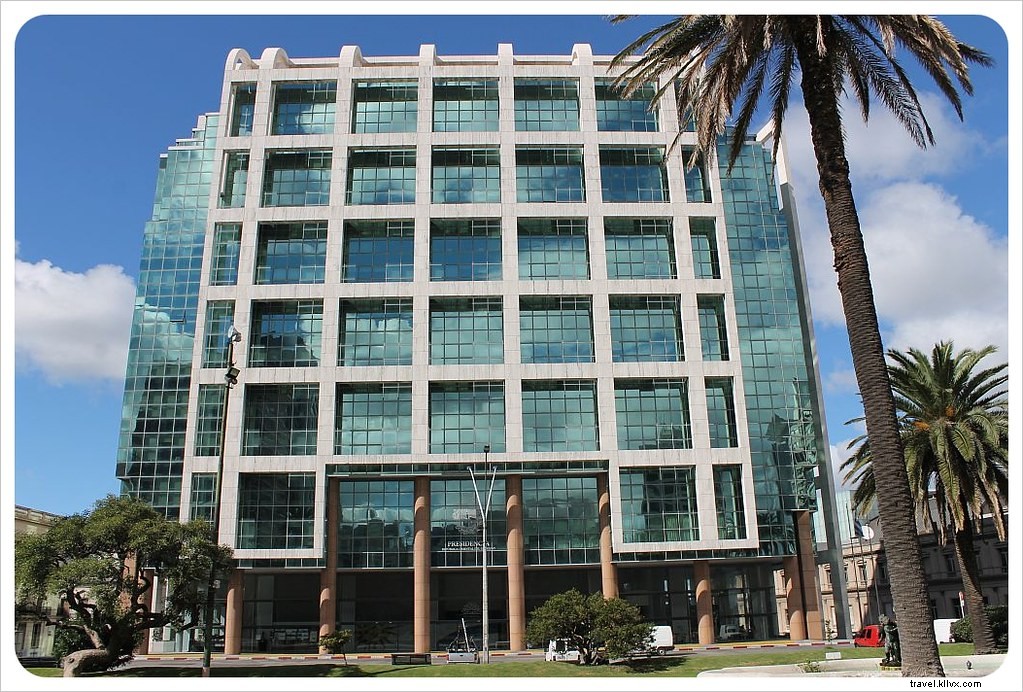
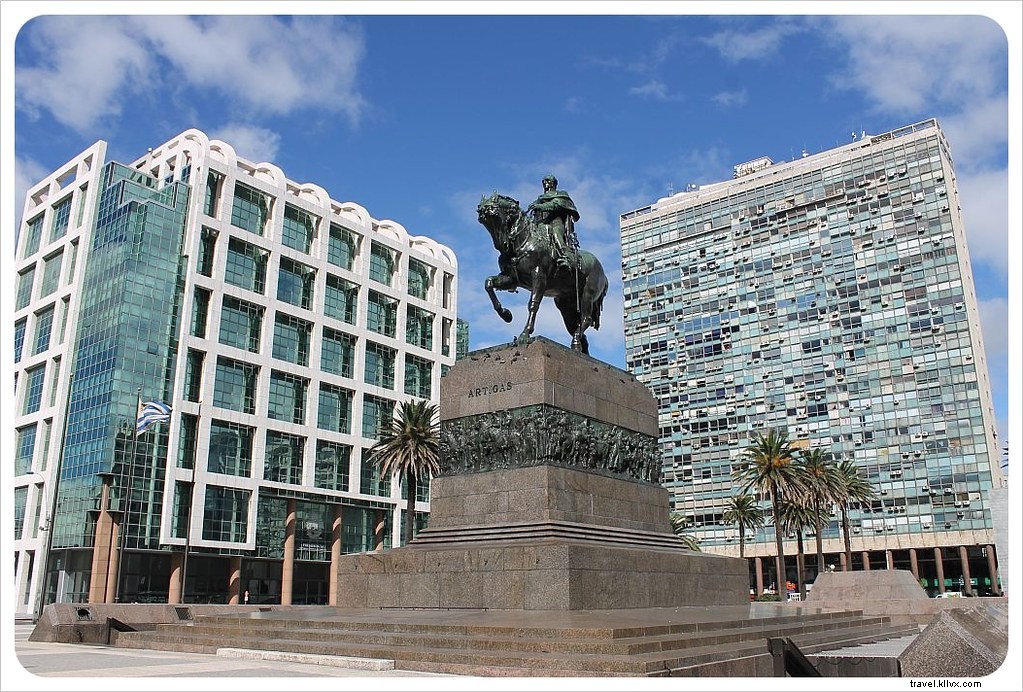 The Executive Tower here housed offices for then-President José Mujica.
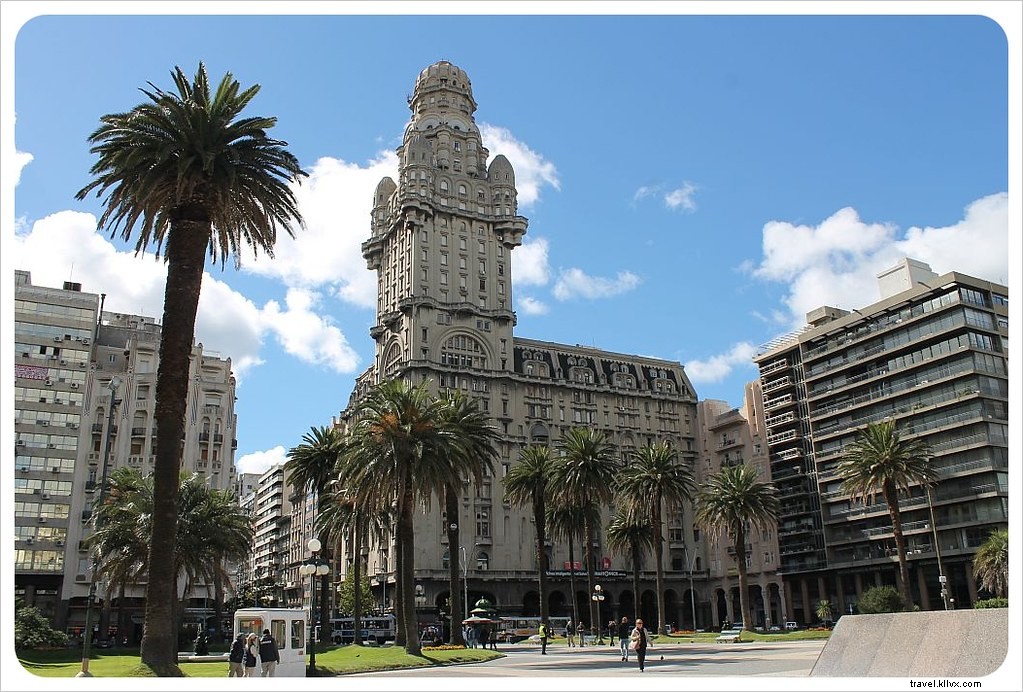 Dominating the plaza, Palacio Salvo's 100-meter tower, designed by Mario Palanti (also creator of Buenos Aires' Palacio Barolo), stands out.
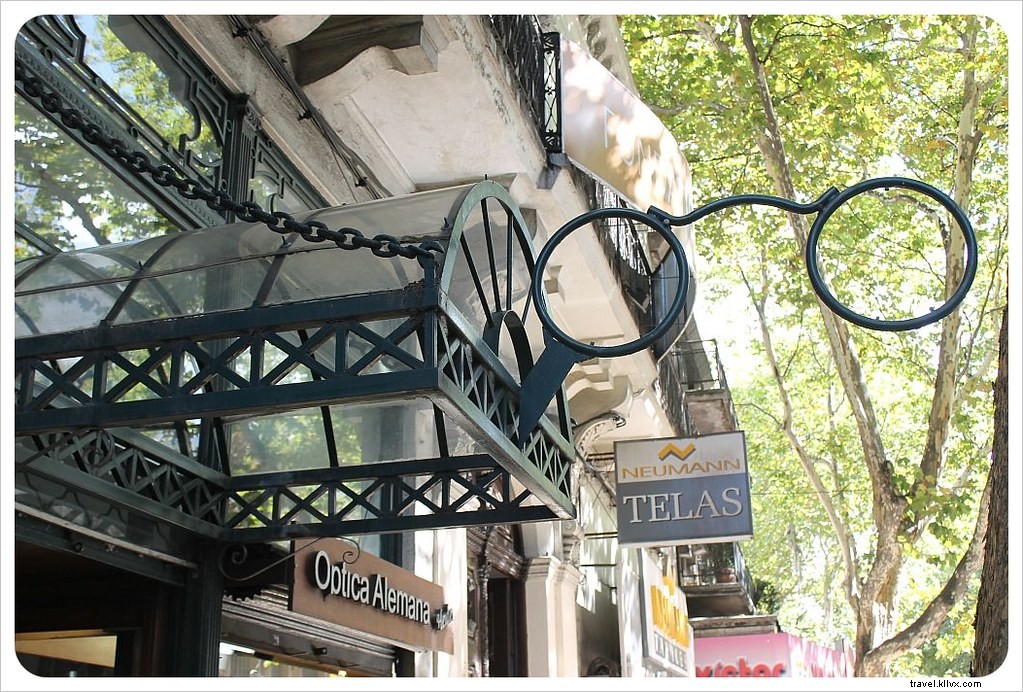
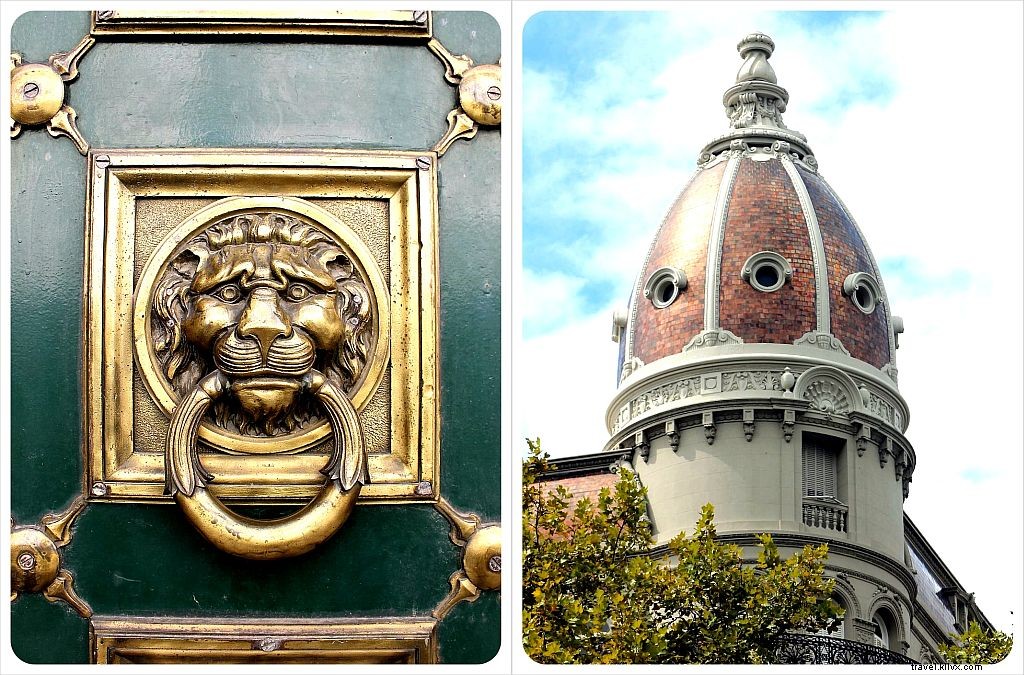
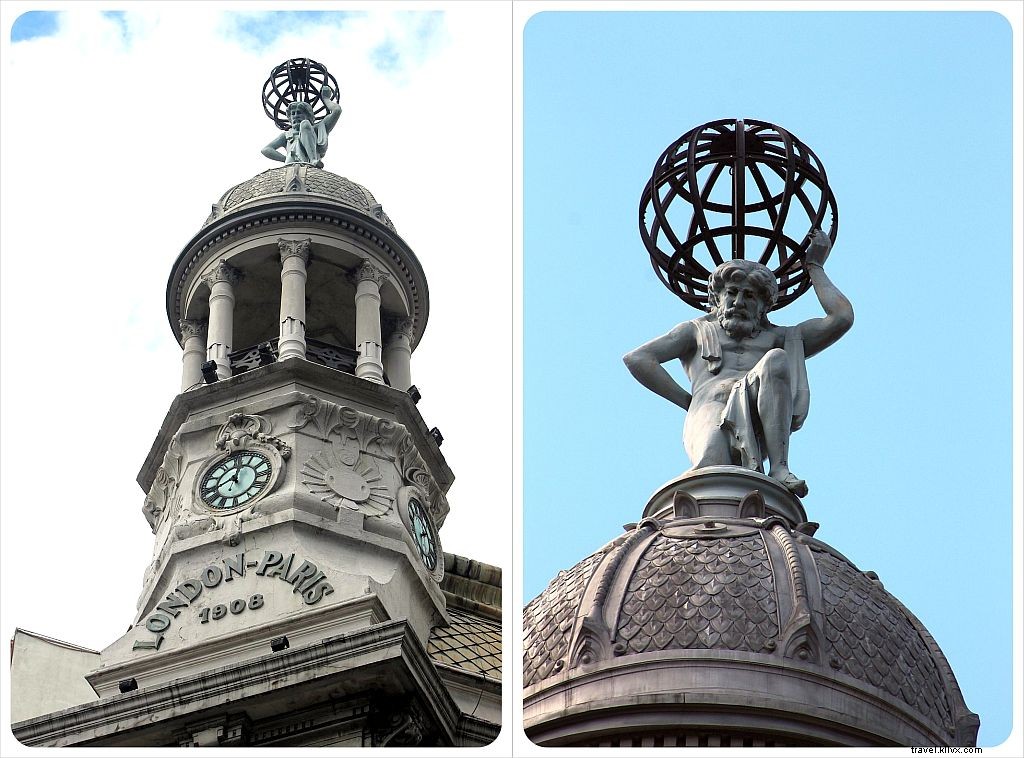
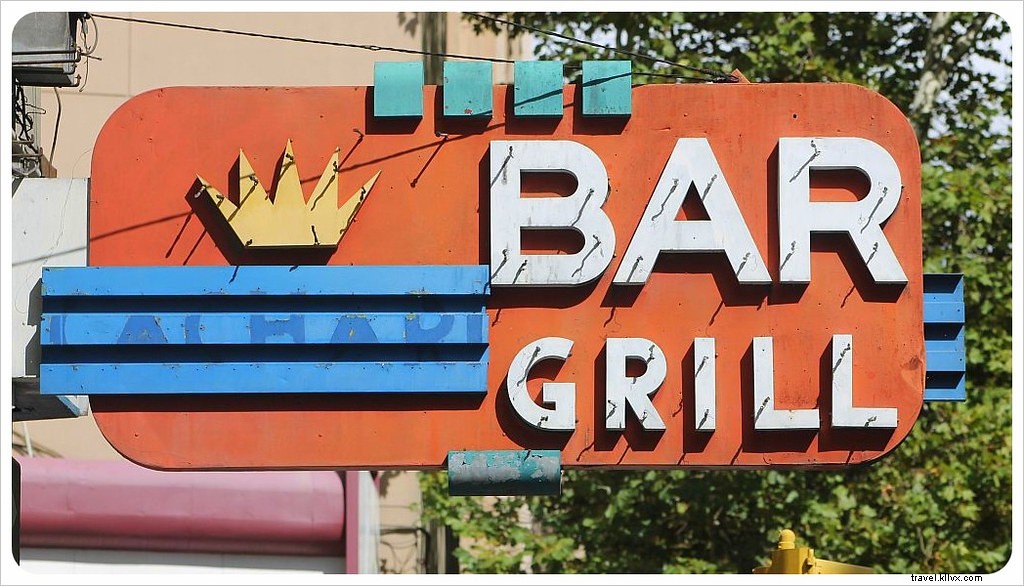
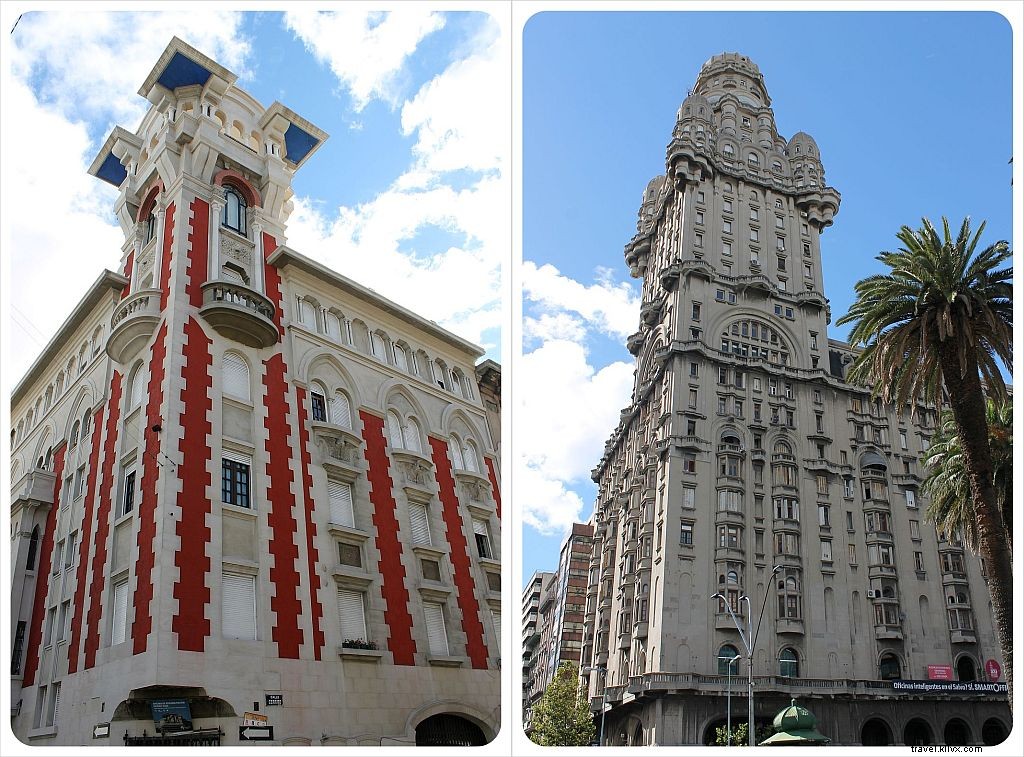 It anchors Avenida 18 de Julio, Montevideo's premier shopping avenue lined with Art Deco gems, shops, and eateries.
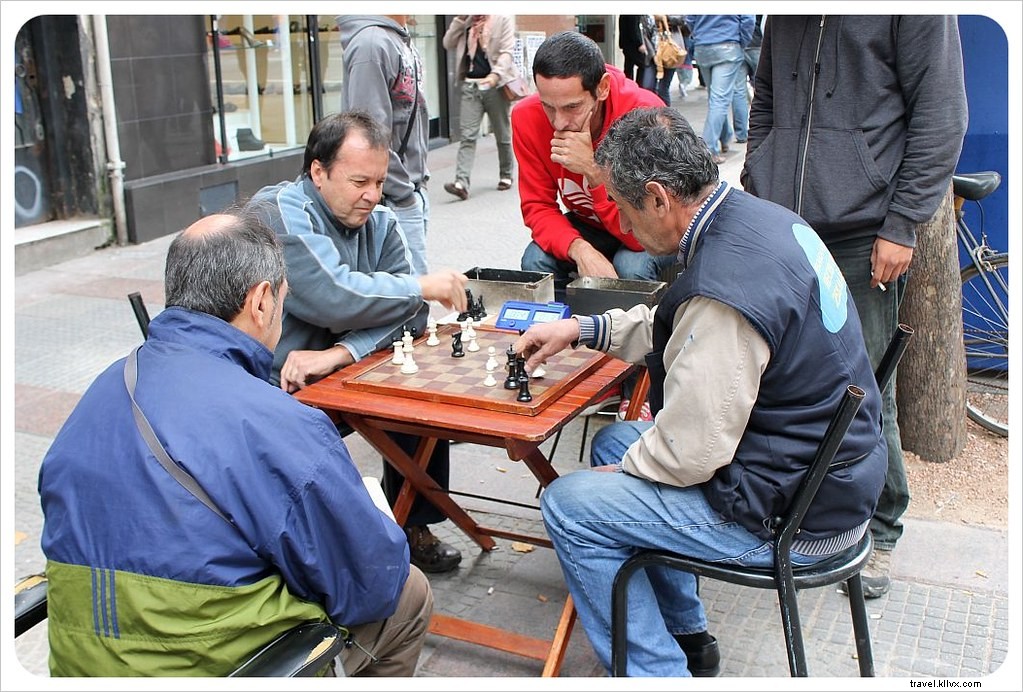
 Sidewalk chess games among men added local flavor.
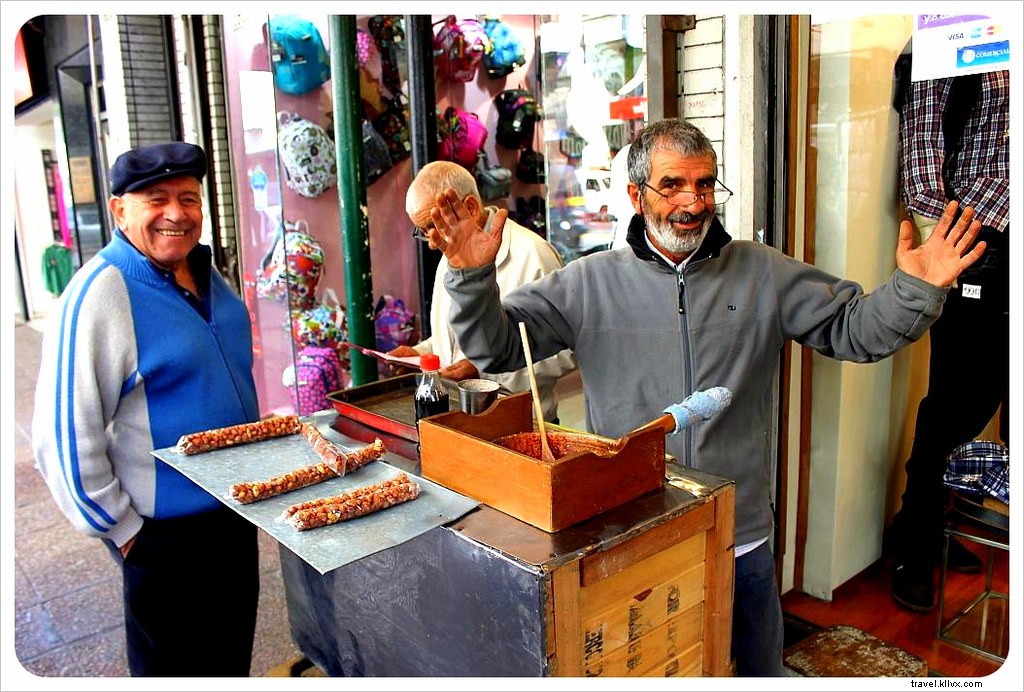
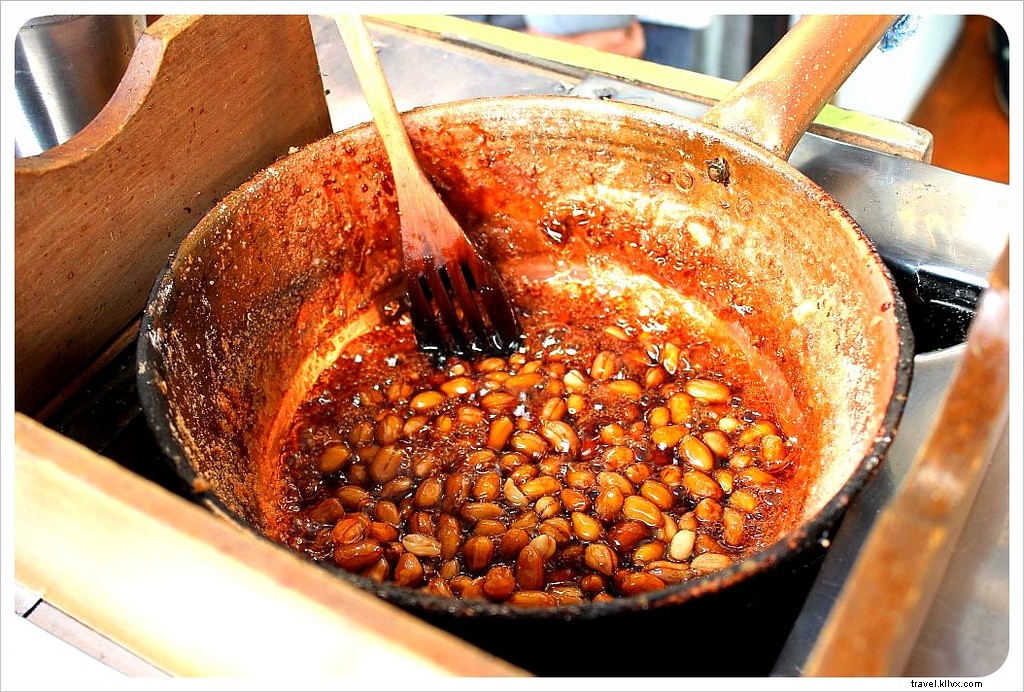
 Roasted peanut aromas wafted from street vendors.
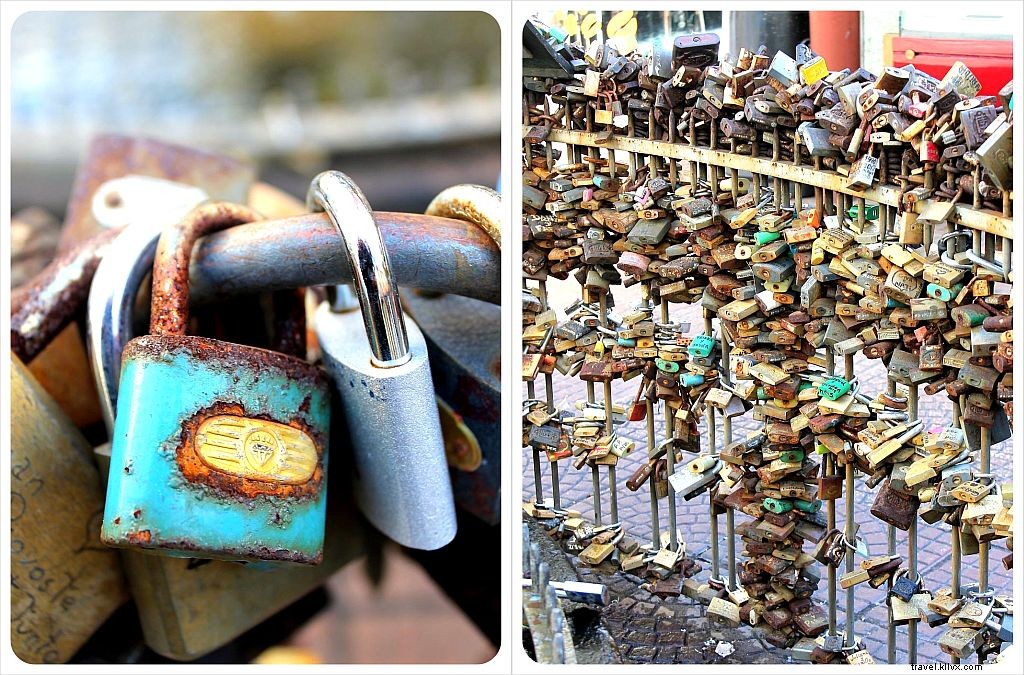
 A love lock fountain thrilled me, a fan of such romantic traditions (we added one to Brooklyn Bridge!).
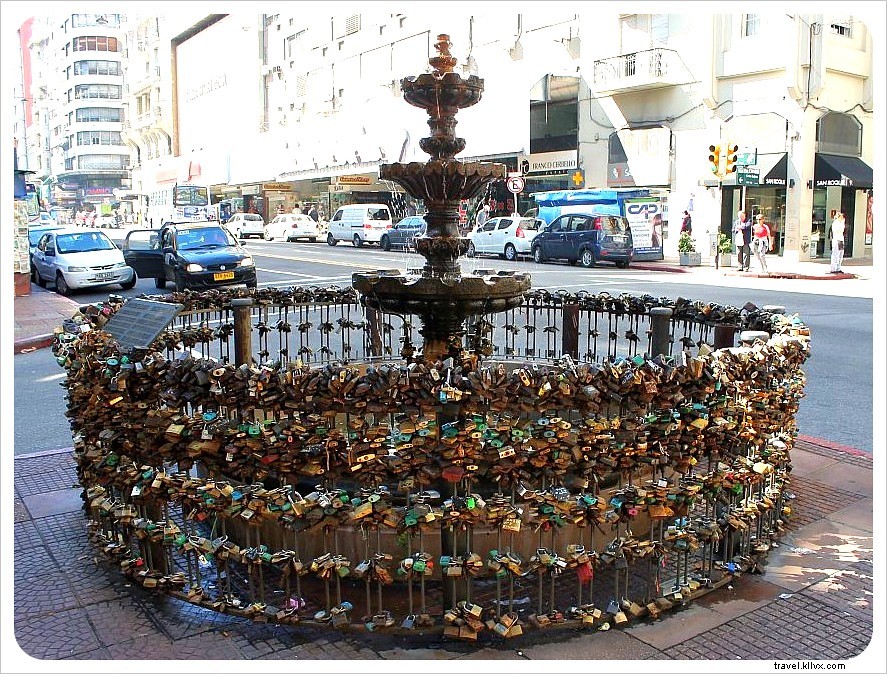
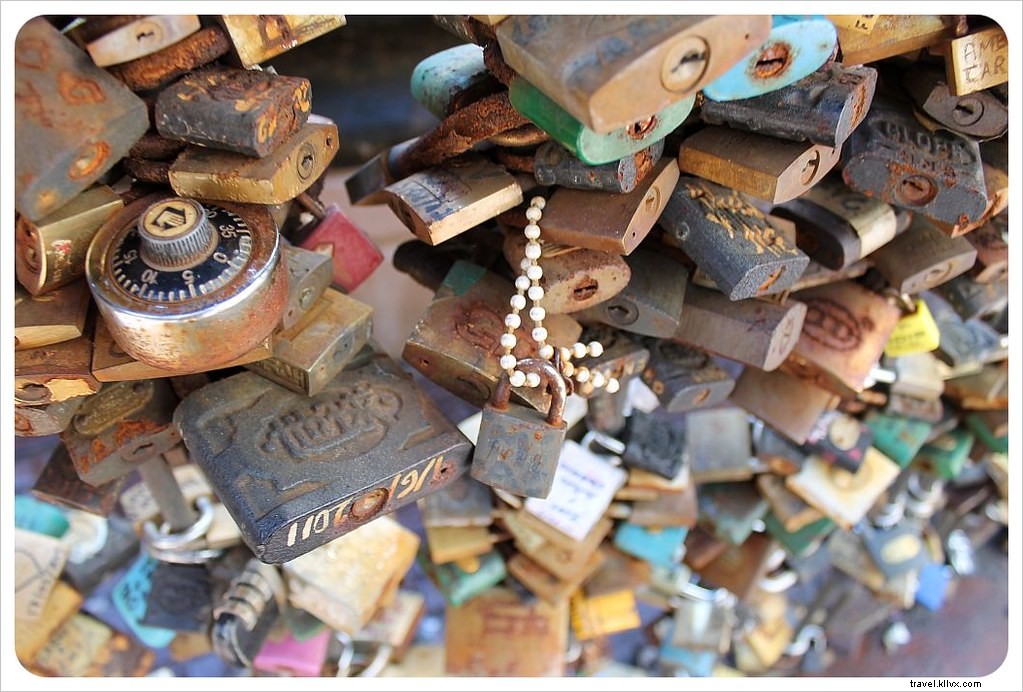
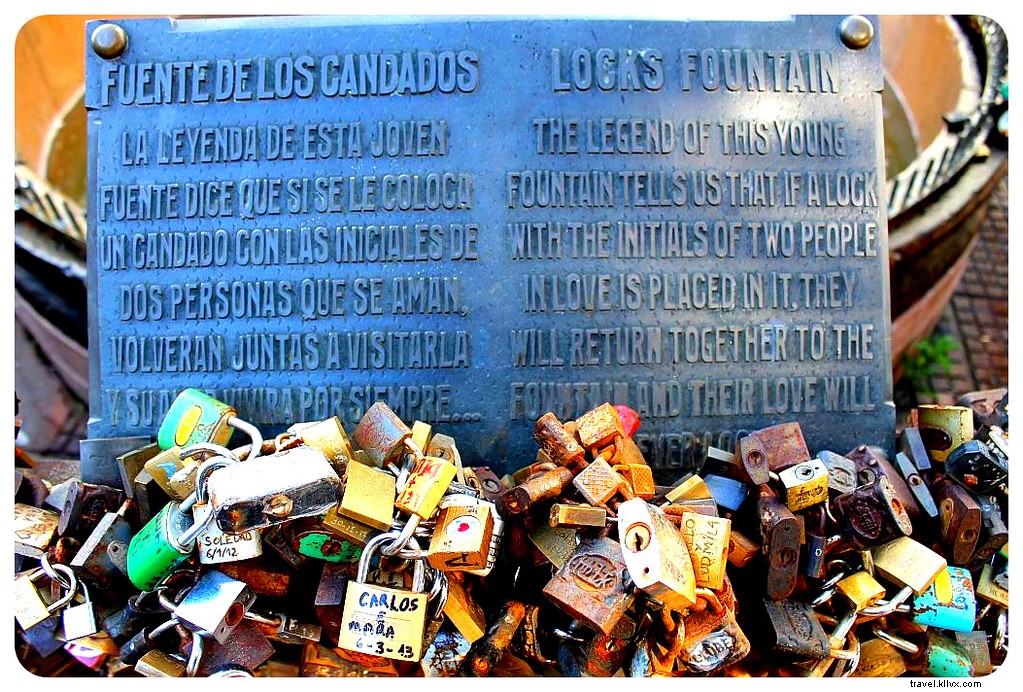 Its plaque reads: “The legend of this young fountain tells us that if a lock with the initials of two people in love is placed in it, they will return together to the fountain and their love will be forever locked.”
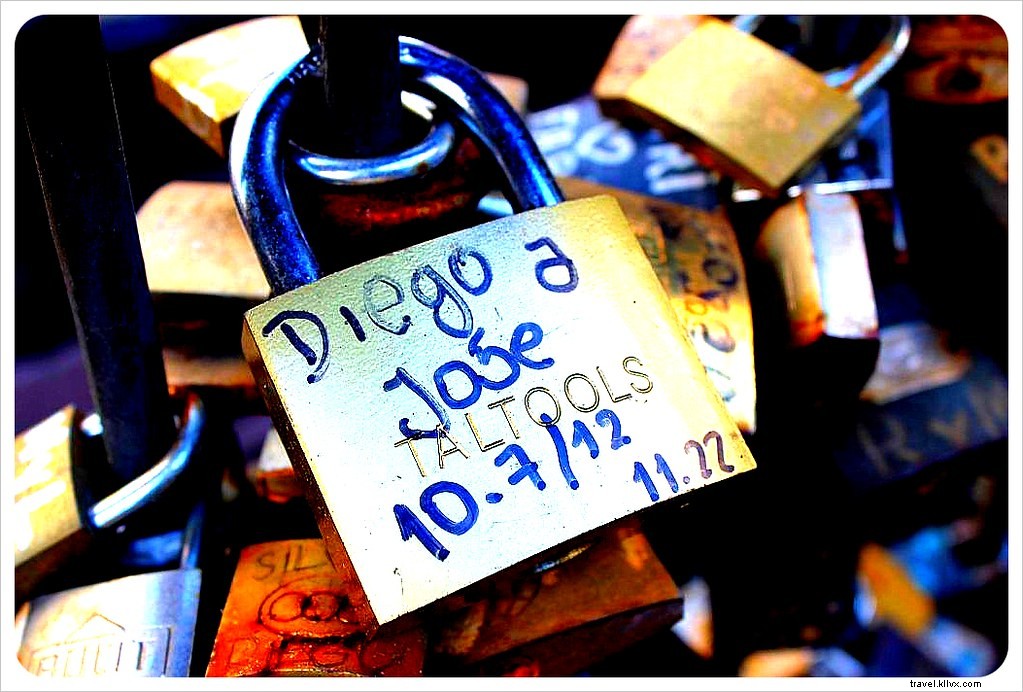
 The 'Diego y Jose' lock highlighted Uruguay's progress; same-sex marriage became legal on August 5, 2013, making it the 14th country worldwide. Ciudad Vieja's Espacio Libre de la Diversidad Sexual honors sexual diversity.
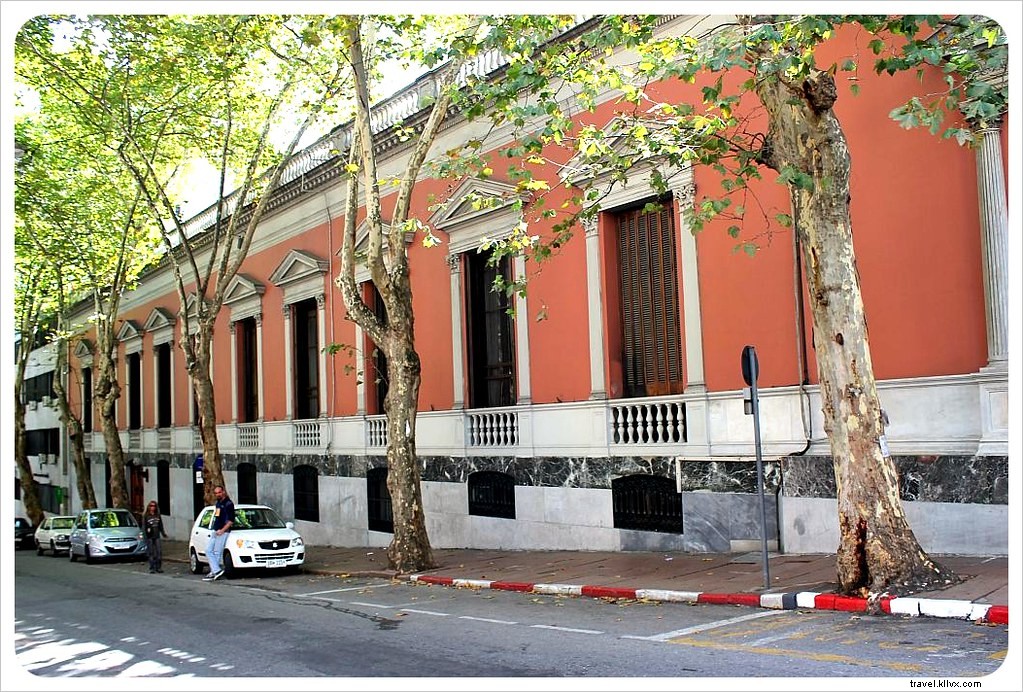
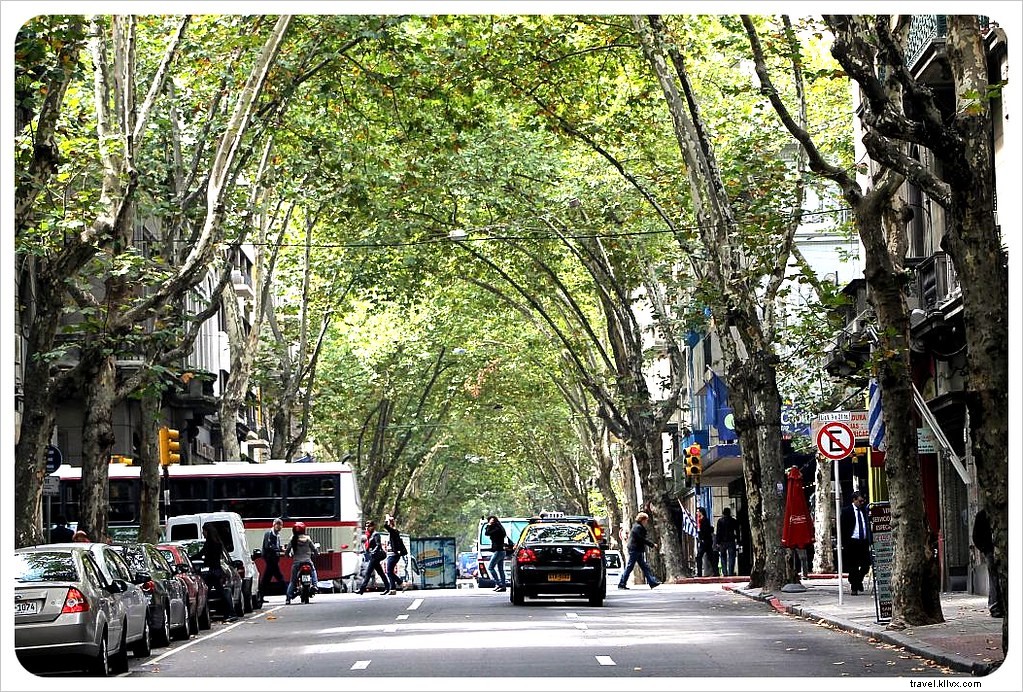
 Tree-lined boulevards everywhere charmed us, forming natural arches over streets.
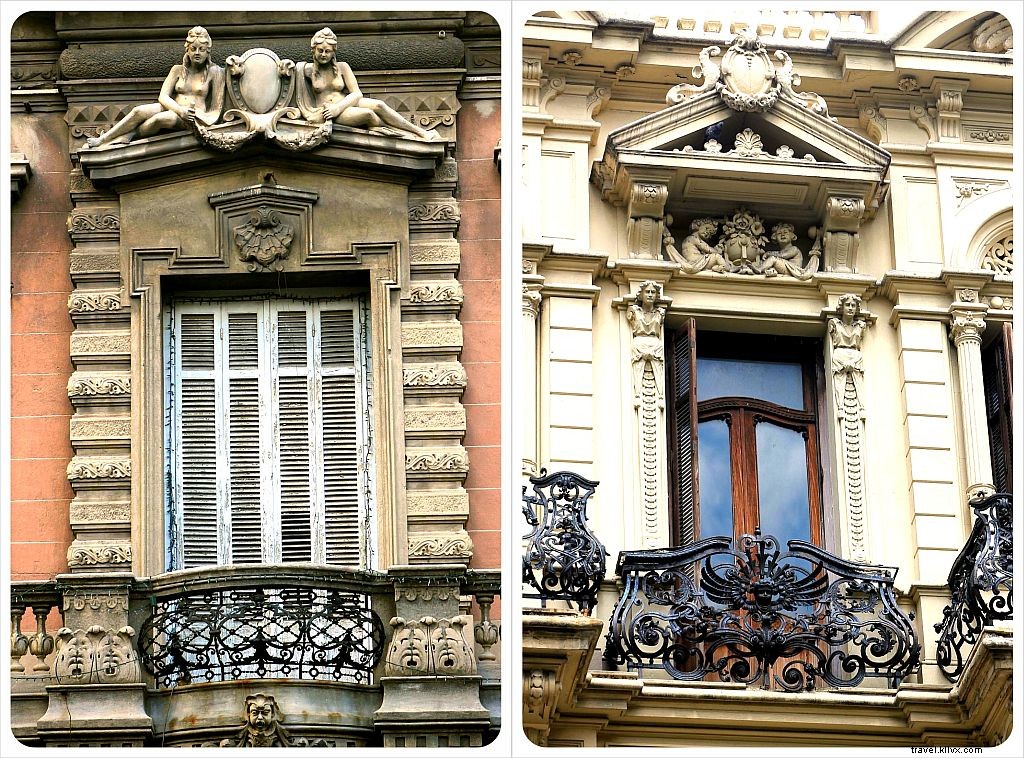
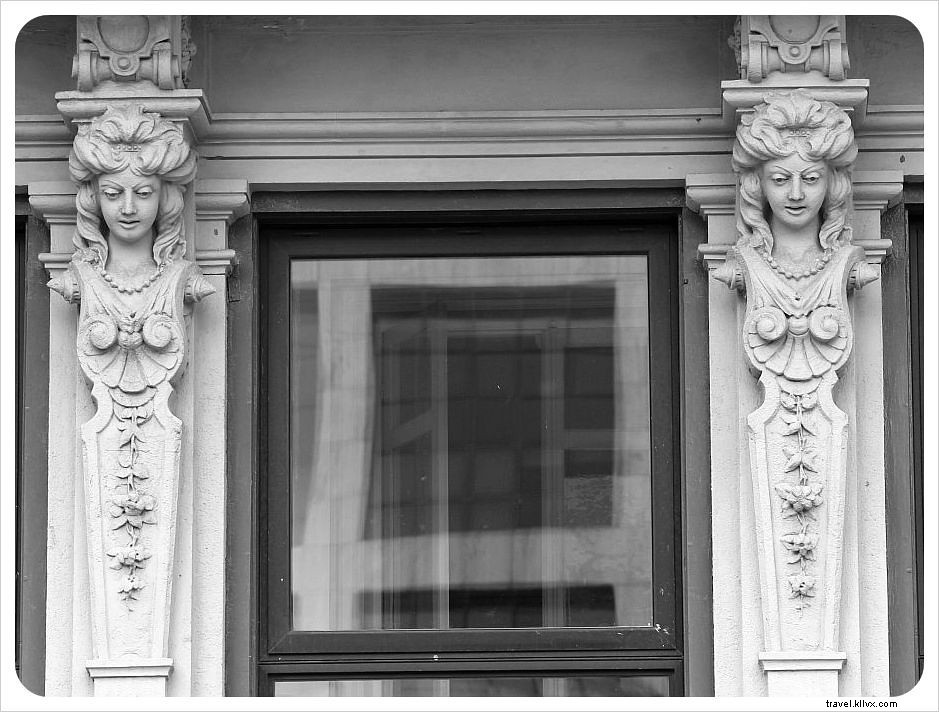
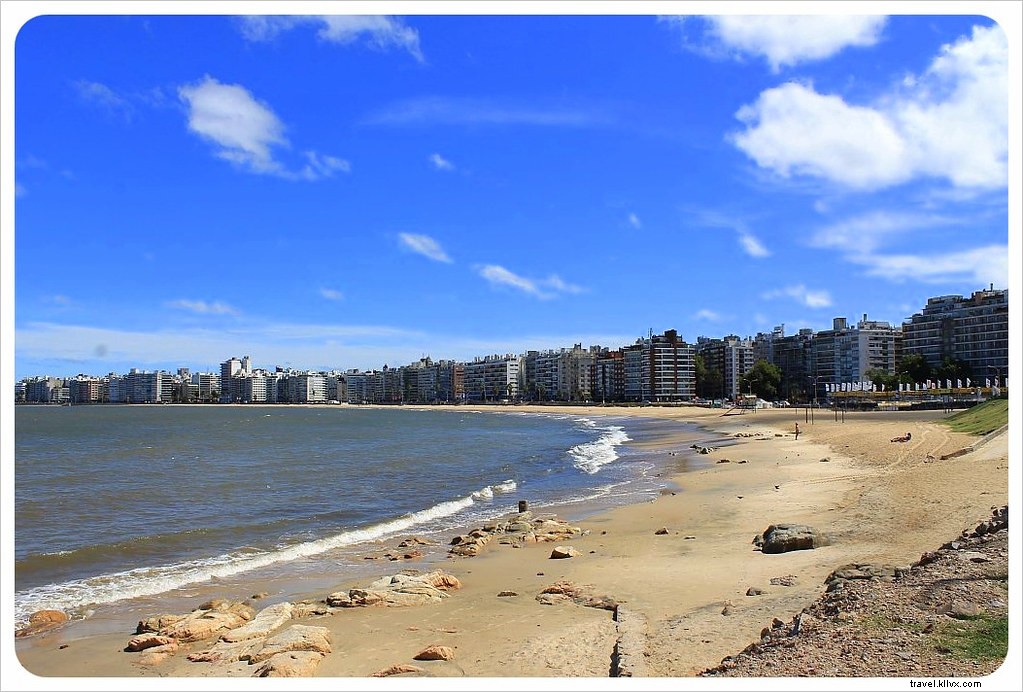
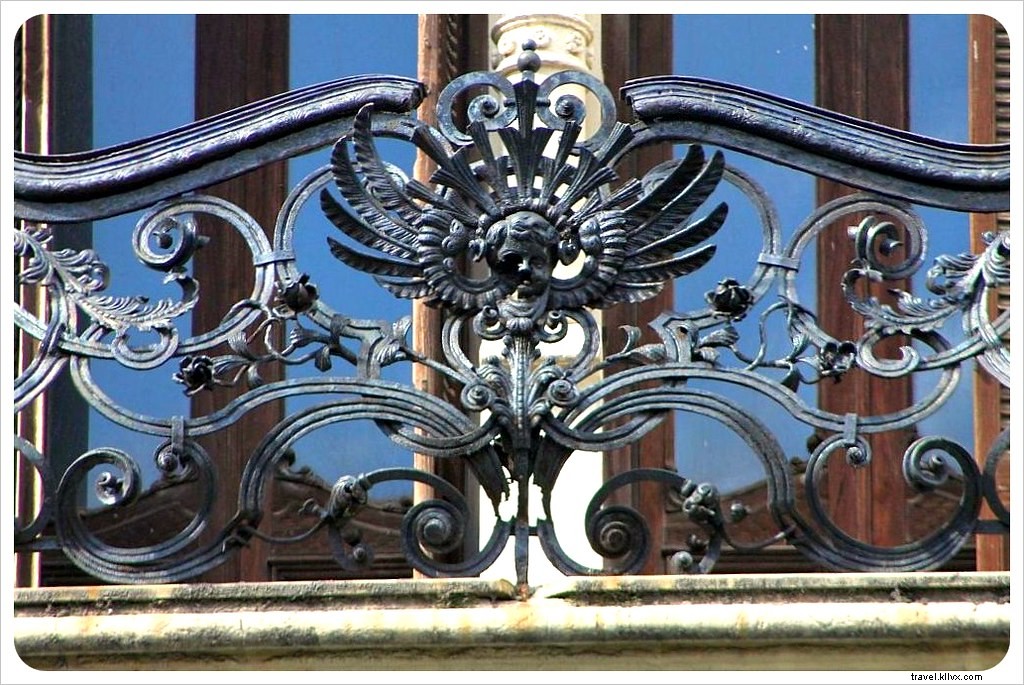 After admiring architecture, we headed to the beaches. Montevideo boasts 13+ km (8 mi) of sand. Rent bikes or stroll the 20+ km Ramblas coastal road.
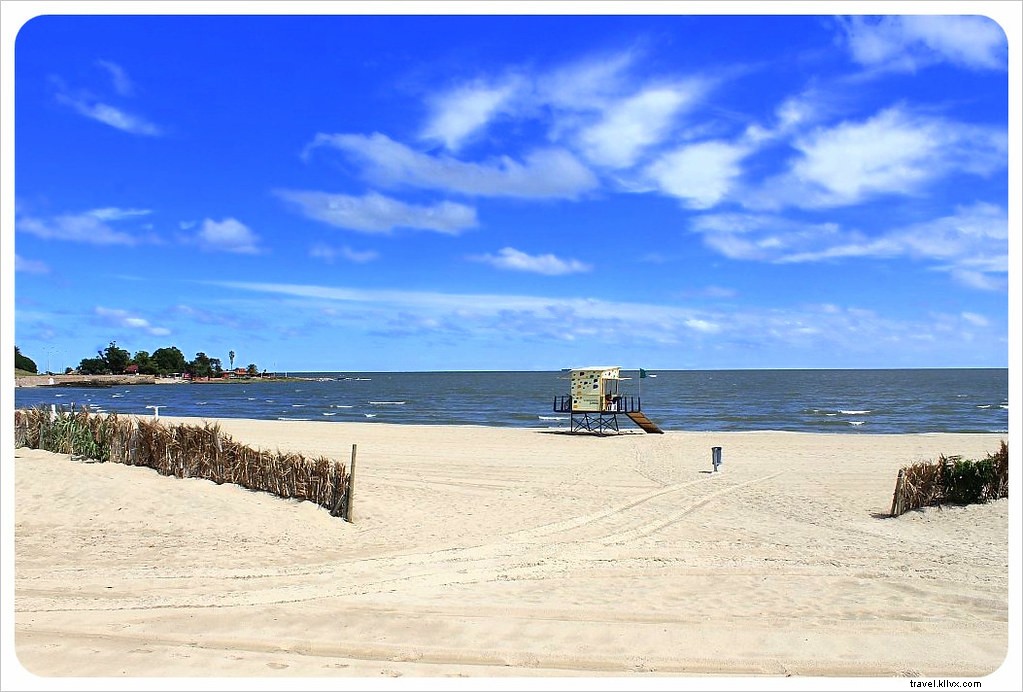
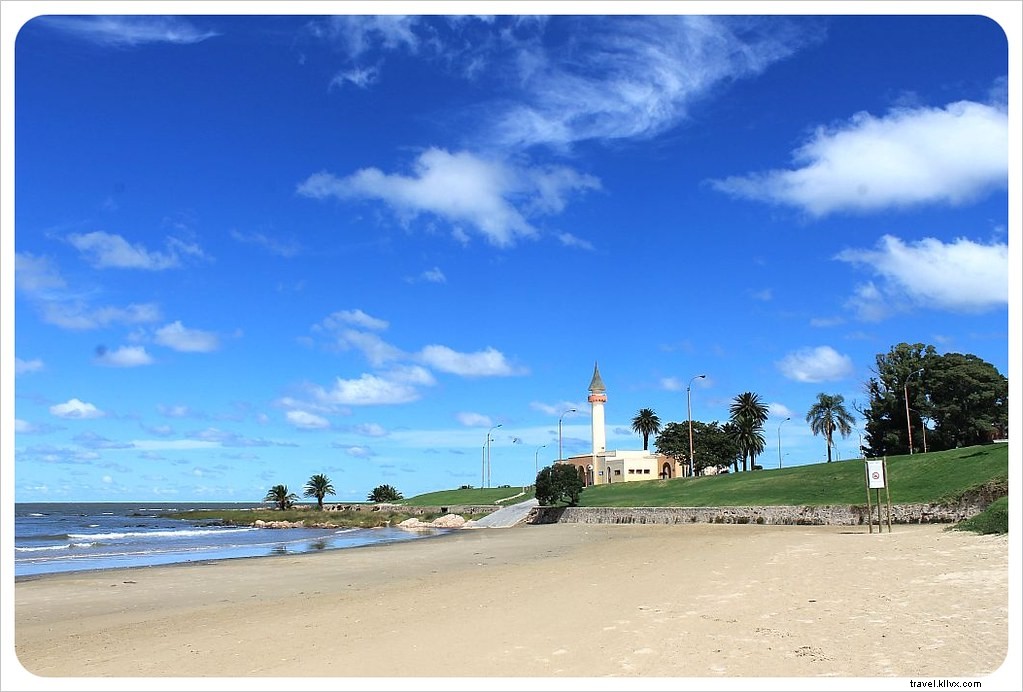 Playa Pocitos, the most famous, fronts upscale apartments.
 Montevideo has great city elements, but it didn't fully captivate us like Buenos Aires or Santiago. An attempted robbery biased us, yet it felt rough, less diverse, missing Uruguay's laid-back vibe elsewhere.
 Have you visited Montevideo, Uruguay? Share your thoughts in the comments!